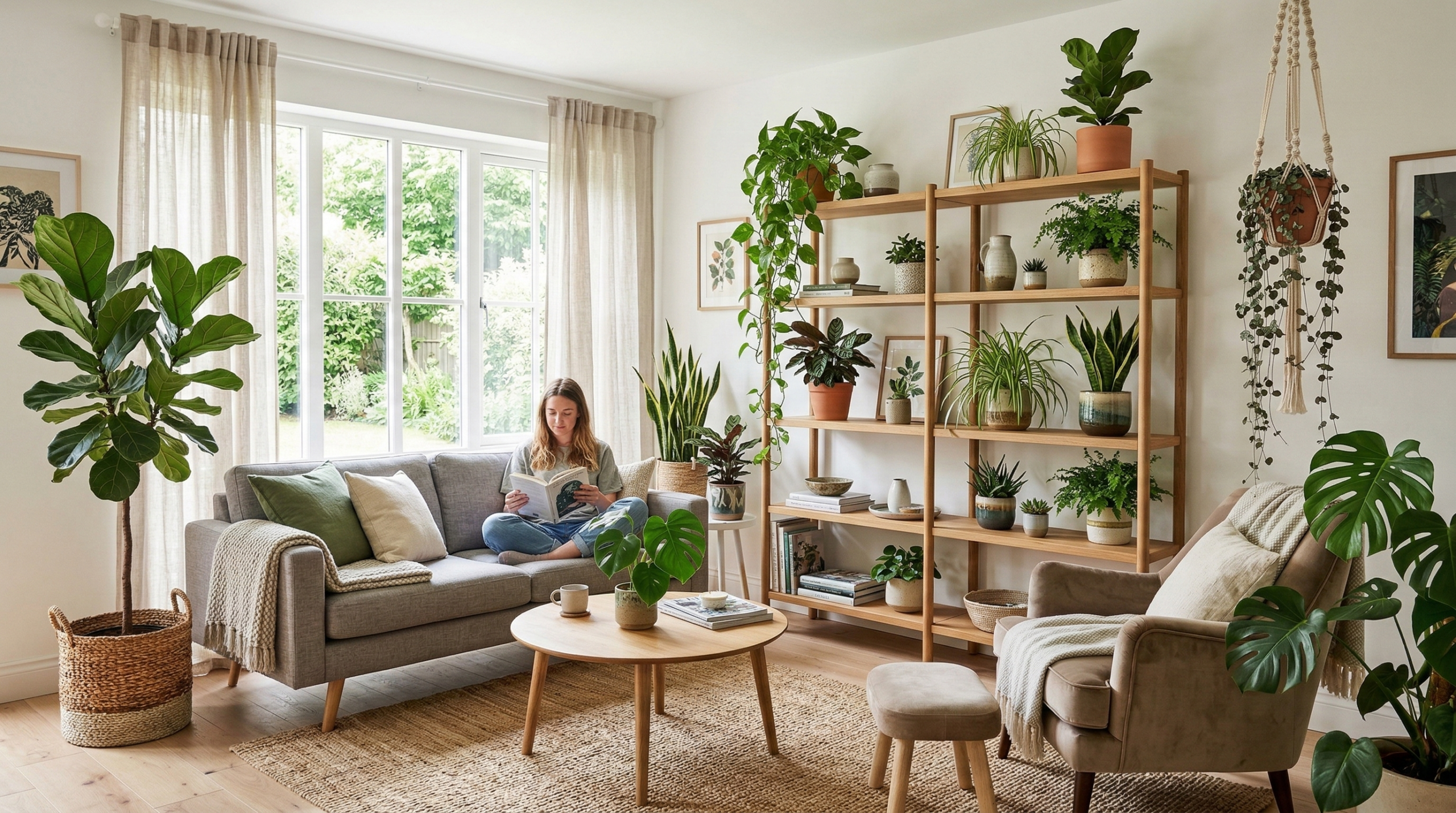
Indoor plants can do more than fill an empty corner. When they’re chosen and placed thoughtfully, they soften hard lines, add color and texture, and make a home feel more inviting. They can also help a room feel calmer and more lived in, which is one reason plant styling has become such a lasting part of modern home design. Whether you live in a small apartment, a family home, or a rental with limited natural light, there are practical ways to use indoor plants that feel stylish, manageable, and genuinely helpful to everyday living.
1. Start With Your Home’s Light and Your Real Routine
The smartest way to decorate with indoor plants is to begin with reality, not inspiration photos. A bright living room with large south-facing windows can support very different plants than a dim bedroom or a bathroom with little natural light. Your schedule matters too. If you travel often, work long hours, or tend to forget watering, low-maintenance plants will usually serve you better than high-needs varieties.
Before buying anything, pay attention to how much natural light each room gets during the day. Morning light, afternoon light, filtered light, and low light all create different conditions. This step helps you avoid the common mistake of choosing plants based only on appearance. A beautiful plant won’t stay beautiful for long if it’s placed somewhere that doesn’t support its needs. Matching plants to your home and your habits makes indoor plant design feel easier from the start. It also saves money and frustration over time.
2. Choose Plants That Fit the Function of the Room
Different rooms call for different types of plants, both visually and practically. In living rooms, larger plants often work well because they can anchor a corner, add height, and help the space feel more layered. In kitchens, smaller plants or herbs usually make more sense because they fit on counters, shelves, or windowsills without getting in the way.
Bedrooms often benefit from softer, simpler plant styling. One medium plant on a dresser or a small plant on a nightstand can be enough to make the room feel more relaxed. Bathrooms can also be great spaces for plants if there’s enough humidity and light, especially for varieties that enjoy moisture in the air.
When you match the plant to the purpose of the room, the design feels more natural. The plant becomes part of the space rather than an extra object you’re trying to force in.
3. Use Plants to Add Height, Shape, and Visual Balance
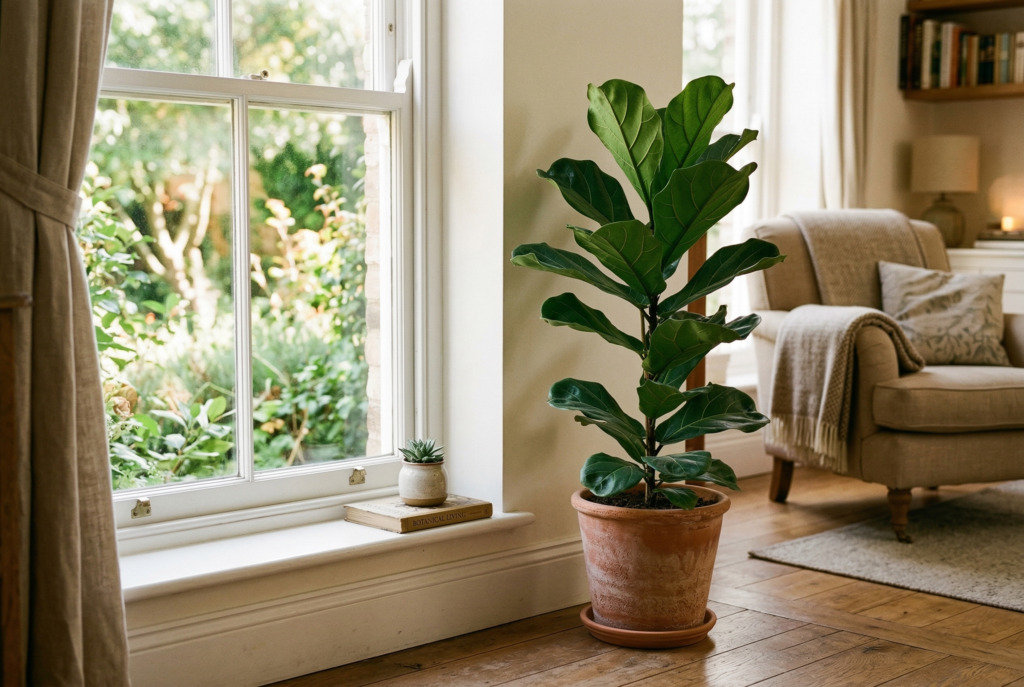
One of the best interior styling tricks with plants is using them to change the shape of a room. A tall plant can bring life to an empty corner, soften a hard edge, or balance a large piece of furniture. A trailing plant can bring movement to a shelf or cabinet. A compact tabletop plant can make a coffee table, entry console, or bathroom vanity feel more finished.
This is where plants become more than décor. They help guide the eye through the room. A tall fiddle leaf fig, rubber plant, or bird of paradise can make a ceiling feel higher. A pothos or string of hearts on a shelf can make the room feel less boxy. A cluster of smaller plants can add rhythm and texture to a flat surface. Think of plants the same way you’d think of lighting or art. They help shape the room visually, and they work best when they’re placed with intention.
4. Don’t Scatter Plants Randomly Throughout the House
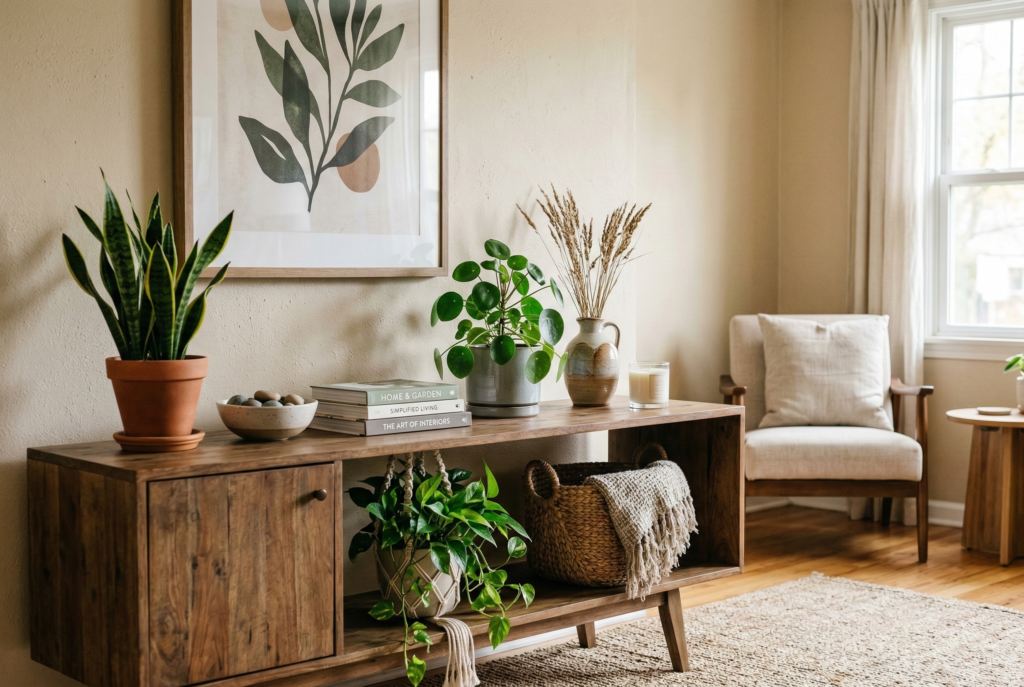
A common mistake is placing one small plant in every room with no real plan. That often makes plants feel like background clutter instead of a design feature. A more polished approach is to use indoor plants in specific zones where they’ll have both visual impact and proper growing conditions.
For example, you might create a strong plant moment in the living room with one large floor plant and one smaller plant on a nearby side table. In the kitchen, a small group of herbs or compact plants near a bright window may feel more thoughtful than several scattered pots across different surfaces. In an entryway, one well-placed plant can make the whole area feel warmer and more welcoming. Grouping with purpose usually looks better than spreading plants thinly across the entire home.
5. Choose Planters That Work With Your Overall Interior Style
The planter matters almost as much as the plant. A healthy plant in a mismatched or flimsy container can make the room feel less intentional, while the right planter helps the greenery blend into your home’s overall design.
If your home has a clean modern look, simple ceramic planters in neutral tones may feel best. If your style is warmer or more organic, woven baskets, terracotta pots, or textured stone-inspired planters can work beautifully. In more eclectic spaces, mixing materials can add personality, but there should still be some visual connection between them. You don’t need every pot to match exactly. You just want them to feel like they belong in the same home. Consistency in tone, material, or color palette usually creates the most cohesive result.
6. Use Plant Stands, Shelves, and Hanging Options Carefully
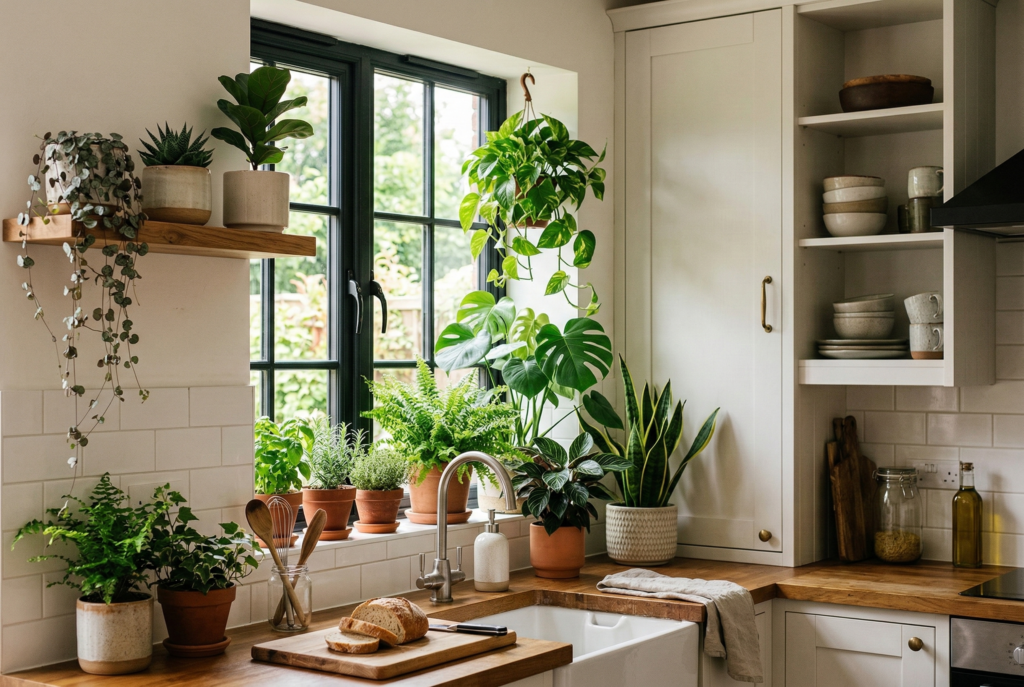
Adding height variation makes plant styling more dynamic, and that’s where stands, shelves, and hanging planters can help. A plant stand can lift a smaller plant so it doesn’t disappear beside furniture. Wall shelves can turn a sunny window area into a styled plant zone. Hanging planters can free up floor and surface space, which is especially useful in smaller homes.
Still, restraint matters. Too many hanging plants or crowded shelves can make the room feel busy. The goal is to create visual flow, not a jungle effect unless that’s truly your style. In most homes, one or two elevated placements per room are enough to make the arrangement feel layered and intentional. It also helps to think practically. Plants placed too high are easy to forget, and difficult watering routines can quickly become annoying. Good plant design should still be easy to live with.
7. Make Small Spaces Feel Better With the Right Plant Placement
Indoor plants can enhance a home of any size, even the smallest spaces. In fact, plants can make smaller homes feel fresher and more open when they’re used well. The key is choosing the right size and avoiding crowding.
In compact apartments or condos, a single medium-size plant can have more impact than several tiny ones. Placing one plant near a window, beside a chair, or at the end of a console table can add softness without taking over the room. Wall-mounted planters, narrow shelves, and countertop herbs are also useful solutions when floor space is limited.
If you’re short on space, try using plants where décor would normally go. A small plant can replace a stack of objects on a shelf, a bulky centerpiece on a table, or extra accessories on a bathroom counter. That swap often makes the room feel lighter, not fuller.
8. Use Indoor Plants to Soften Hard Materials and Clean Lines
Many homes have a mix of hard finishes such as glass, metal, tile, stone, and painted drywall. Plants help balance those surfaces by adding softness, irregular shape, and organic color. This is one reason they work especially well in kitchens, bathrooms, and modern living rooms.
A leafy plant on a bathroom vanity can make the room feel less sterile. A plant on an open kitchen shelving can break up rows of dishes and hard edges. In a living room with structured furniture and straight lines, a rounded plant form can make the whole space feel more relaxed. This softening effect is subtle, but it changes how a room feels. Plants bring in movement and texture that furniture alone often can’t provide.
9. Pick Easy-Care Plants if You Want Lasting Results
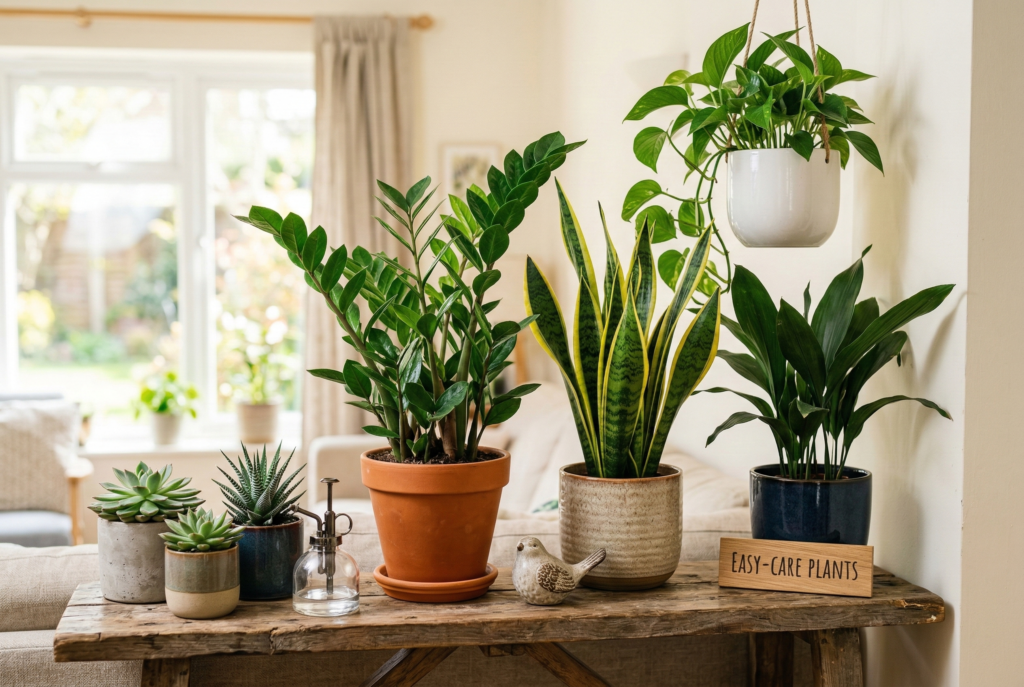
There’s nothing stylish about a home full of struggling plants. If you want indoor greenery to truly improve your space, it makes sense to start with varieties that are known for being durable and forgiving. Snake plants, pothos, ZZ plants, spider plants, and peace lilies are popular for a reason. They tend to adapt well to indoor conditions and don’t demand constant attention.
That doesn’t mean you have to play it safe forever. Once you understand your light conditions and watering habits better, you can branch out into more specialized plants. But starting with low-maintenance options helps build confidence and keeps your home looking fresh rather than neglected. The best plant for your home is the one that can stay healthy in your environment and routine.
10. Keep Plant Care Simple So Your Home Stays Calm, Not Complicated
Indoor plants should make your home feel better, not add another layer of stress. A simple care system goes a long way. Keep a small watering can where it’s easy to grab. Check plants on the same day each week. Wipe dusty leaves occasionally so they look healthier and brighter. Use saucers or liners to protect floors and furniture from water damage.
It also helps to avoid overbuying too quickly. A few well-cared-for plants usually look far better than a large collection that feels hard to manage. As with most design choices, quality and placement matter more than quantity. When plant care fits naturally into your routine, it becomes part of how the home functions rather than another task you keep putting off.
11. Mix Plants With Other Natural Elements for a More Collected Look
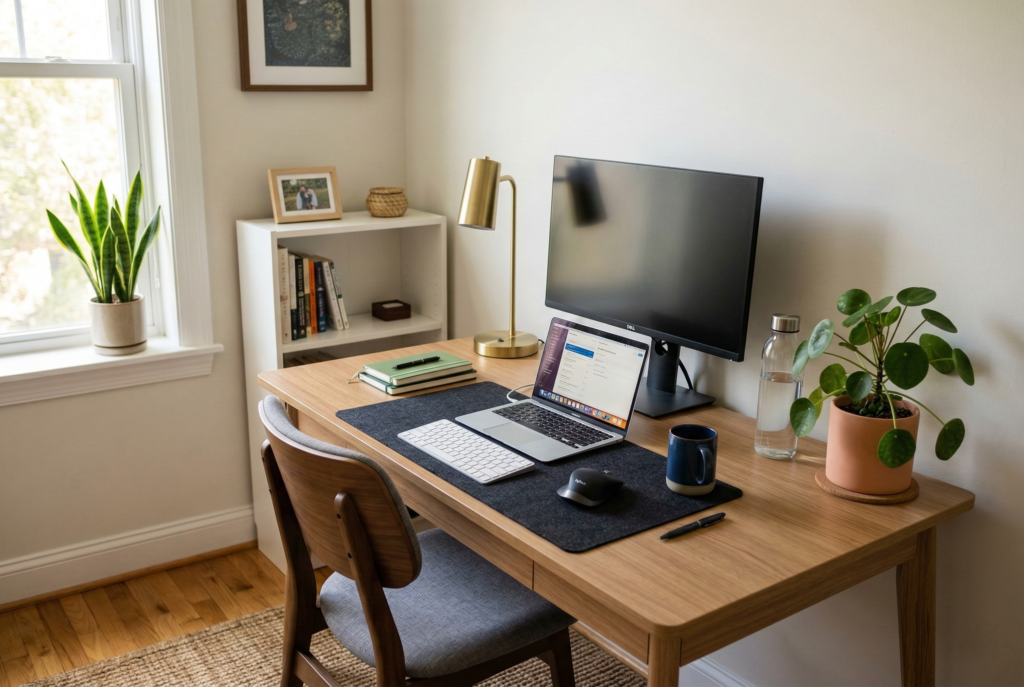
Indoor plants look even better when they’re part of a broader design story. Natural wood, linen curtains, woven baskets, ceramic vases, and stone or clay textures all pair well with greenery and make the room feel more layered. This combination creates warmth and helps plants feel integrated into the space rather than added as an afterthought.
For example, a rubber plant beside a wood sideboard, a pothos on a shelf with a few books and ceramics, or a small herb planter in a kitchen with wooden cutting boards nearby can feel especially cohesive. These combinations work because they share an organic quality. Plants can fit naturally into a room without requiring a full redesign. You just want the surrounding materials to support the same calm, natural feeling.
12. Refresh Your Plant Styling With the Seasons
One useful way to keep indoor plant décor feeling fresh is to make small seasonal adjustments. In warmer months, you might group plants more visibly near bright windows or bring in a few extra herbs to the kitchen. In colder months, you may simplify arrangements, rotate plants away from drafty windows, or update planters and surrounding décor for a cozier look.
Even minor changes can help a space reflect a new season. Even moving one plant to a new corner, refreshing a tabletop arrangement, or trimming overgrowth can make the space feel updated. This keeps the design dynamic while still practical. Homes tend to feel more alive when they shift gently with the seasons, and plants are a natural way to support that feeling.
Conclusion
Indoor plants can transform a home when they’re chosen with care and styled with purpose. By paying attention to light, room function, planter style, and plant placement, you can create a living space that feels fresher, more stylish, and noticeably calmer. The most successful plant-filled homes don’t rely on quantity or trend-driven choices. They use greenery to support the shape, mood, and daily rhythm of the space. With a few smart decisions and a realistic care routine, indoor plants can become one of the easiest ways to make your home feel more welcoming and more alive.
Related Articles
- Biophilic Design Ideas to Bring Nature Indoors and Create a Calmer Healthier Living Space at Home
- How to Create an Eco-Friendly Home Without Major Renovations
- Sustainable Interior Design Ideas for an Eco Friendly and Energy Efficient Home
- 10 Eco-Friendly Smart Home Ideas That Support a More Sustainable Lifestyle