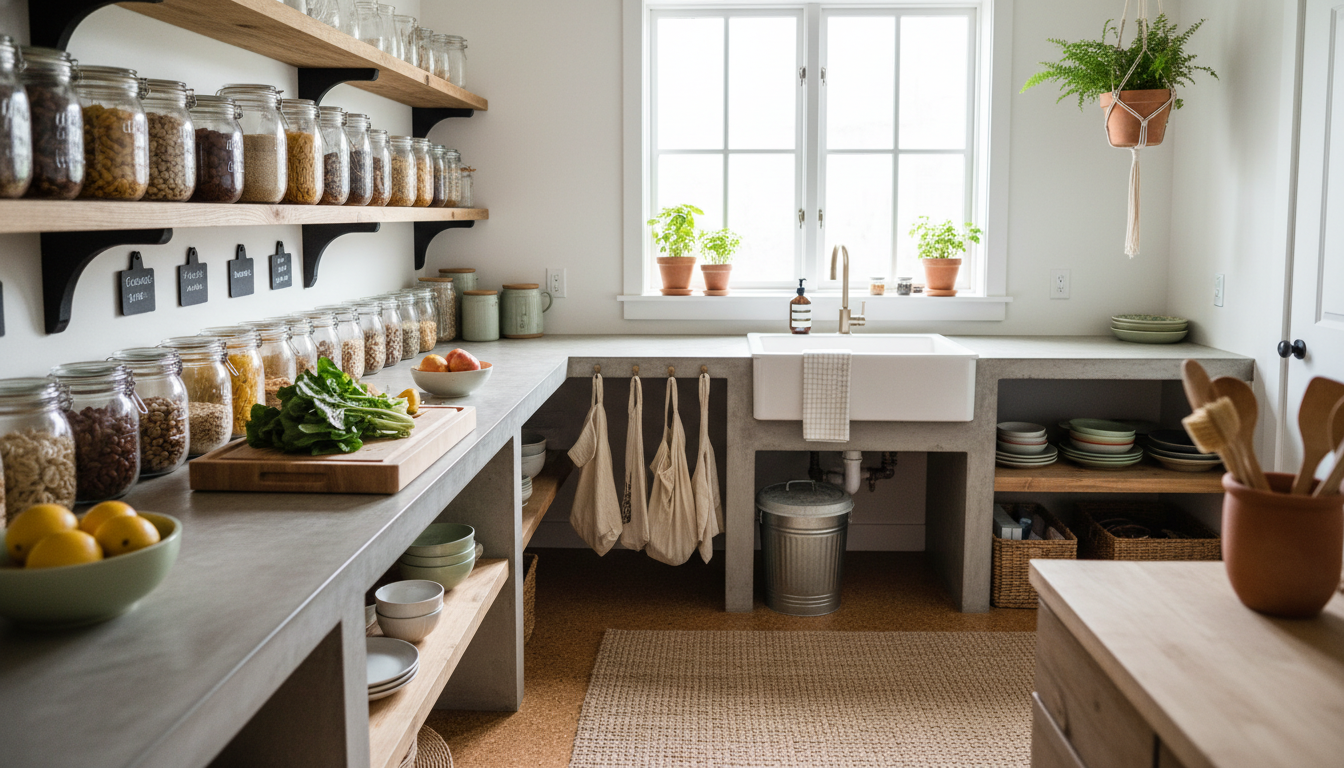
Building a zero-waste kitchen sounds intimidating at first. Visions of perfectly labeled glass jars, compost systems you don’t understand yet, and throwing out half your pantry can make anyone want to give up before they start.
In reality, zero-waste is about reducing waste where it actually happens, designing systems that support your habits, and making swaps that stick because they make your daily life easier.
This guide breaks zero waste down into something practical, flexible, and realistic, whether you’re in a small apartment, a rental, or a busy family home.
What a Zero-Waste Kitchen Really Means (And What It Doesn’t)
A zero-waste kitchen isn’t one that produces no waste. It’s one that actively works against unnecessary waste, such as food, packaging, energy, and disposable products, through smart choices and better systems.
A functional zero-waste kitchen:
- helps you see and use the food you already have
- reduces reliance on single-use plastics
- makes waste sorting and composting easy, not annoying
- prioritizes durability over convenience
What it doesn’t require:
- throwing away usable items
- buying expensive “eco” replacements all at once
- living with guilt when life gets messy
Start With Habits Before You Start Buying
One of the biggest mistakes people make is starting their zero-waste journey by shopping. Before you buy anything new, take a look at what’s already happening in your kitchen.
Identify Where Waste Actually Comes From
For most households, waste falls into a few predictable categories:
- Food that expires before it’s used
- Takeout containers and packaging
- Paper towels, plastic wrap, and zip-top bags
- Random duplicates hiding in cabinets
Simple Zero-Waste Swaps That Make the Biggest Impact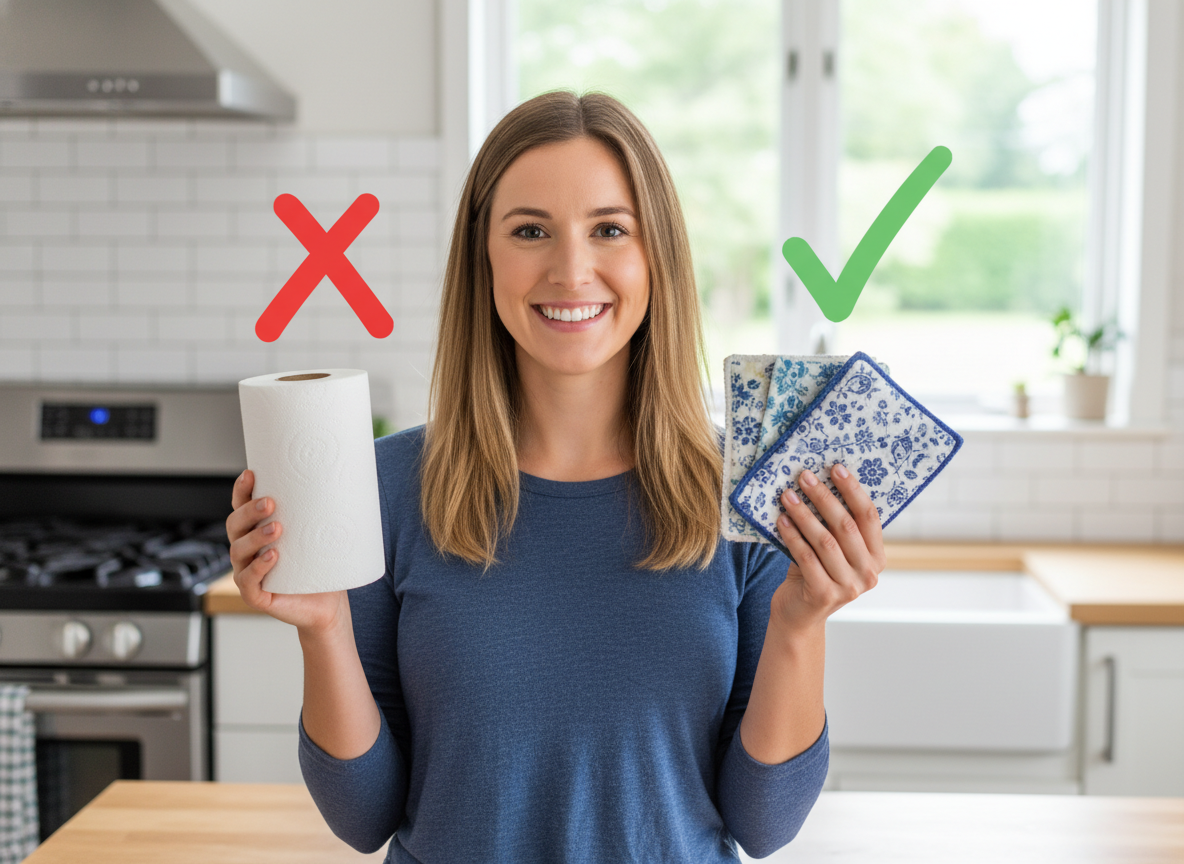
You don’t need dozens of swaps. A few well-chosen changes do most of the heavy lifting.
Replace Single-Use Paper Products
Paper towels feel unavoidable until they aren’t. Cloth napkins, dish towels, Swedish dishcloths, and “unpaper” towels handle nearly everything paper towels do and they last for years.
Once you make this switch, most people are shocked by how rarely they miss paper towels at all.
Ditch Disposable Food Storage
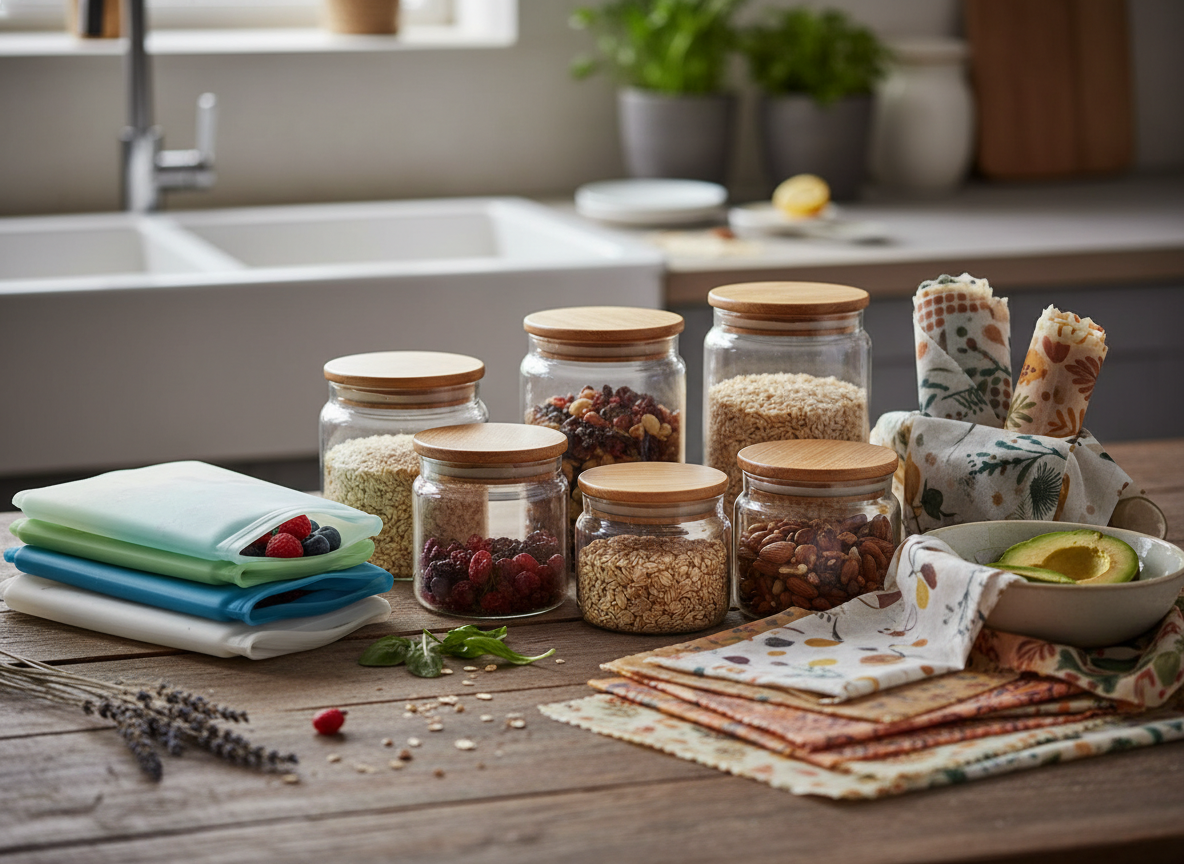
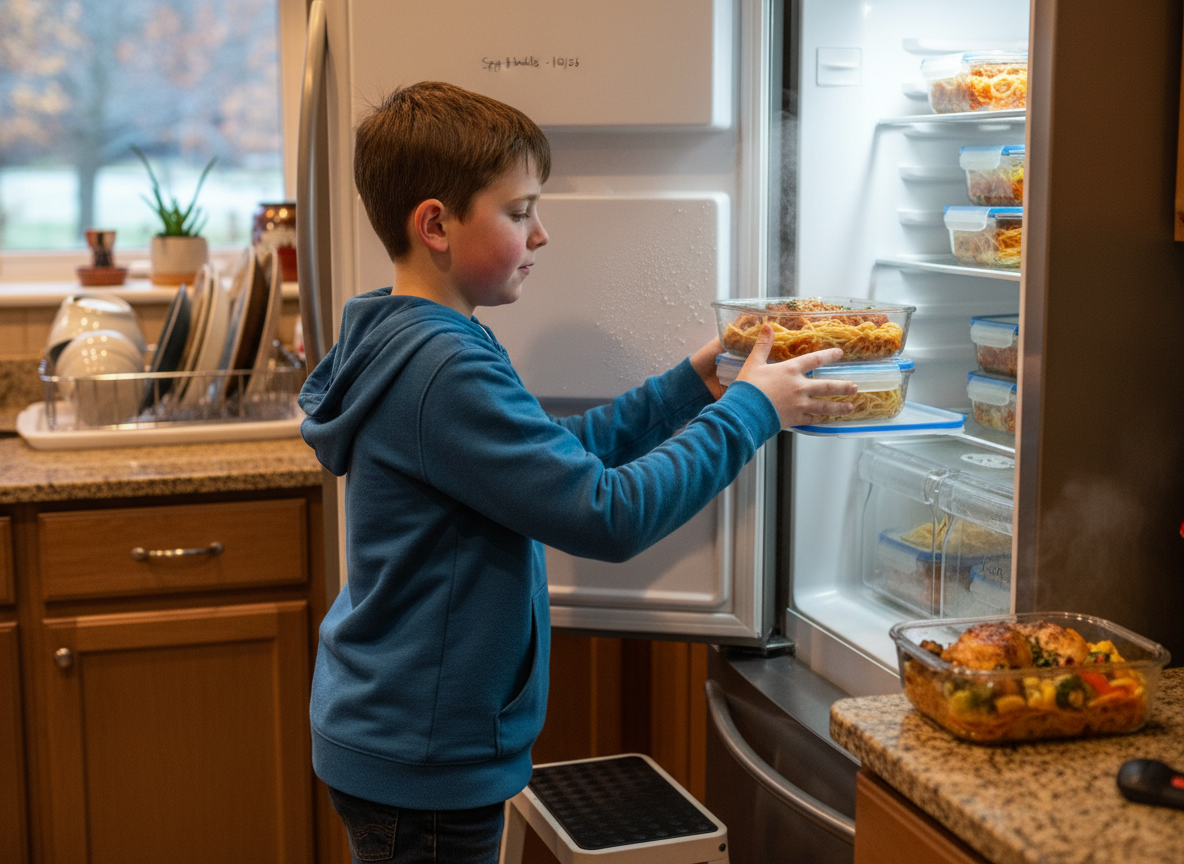
Plastic wrap and disposable bags create constant waste and rarely preserve food well. Instead, use permanent storage such as glass containers with lids, reusable silicone bags, or beeswax or plant-based wraps. Choosing the right food storage containers helps keep food fresher, improves visibility, and prevents waste.
Upgrade Dishwashing Tools, Not Your Routine
You don’t need to change how you wash dishes, just need to change what you use.
Natural dish brushes, loofahs, compostable sponges, and Swedish dishcloths clean just as well as plastic options, without shedding microplastics or heading straight to the landfill.
Smart Storage: The Secret to Reducing Food Waste
Food waste is the biggest contributor to kitchen trash, and storage plays a bigger role than most people realize.
Design Storage for Visibility, Not Just Capacity
If you can’t see it, you’ll forget it. Clear containers, shallow drawers, and pull-out shelves help you keep track of what you have. These smart kitchen storage ideas make it easier to use food before it expires and are especially helpful in small spaces where space-saving kitchen storage matters most.
A simple habit that helps: keep an “eat first” zone in your fridge for leftovers or produce that needs to be used soon.
Pantry Organization That Prevents Overbuying
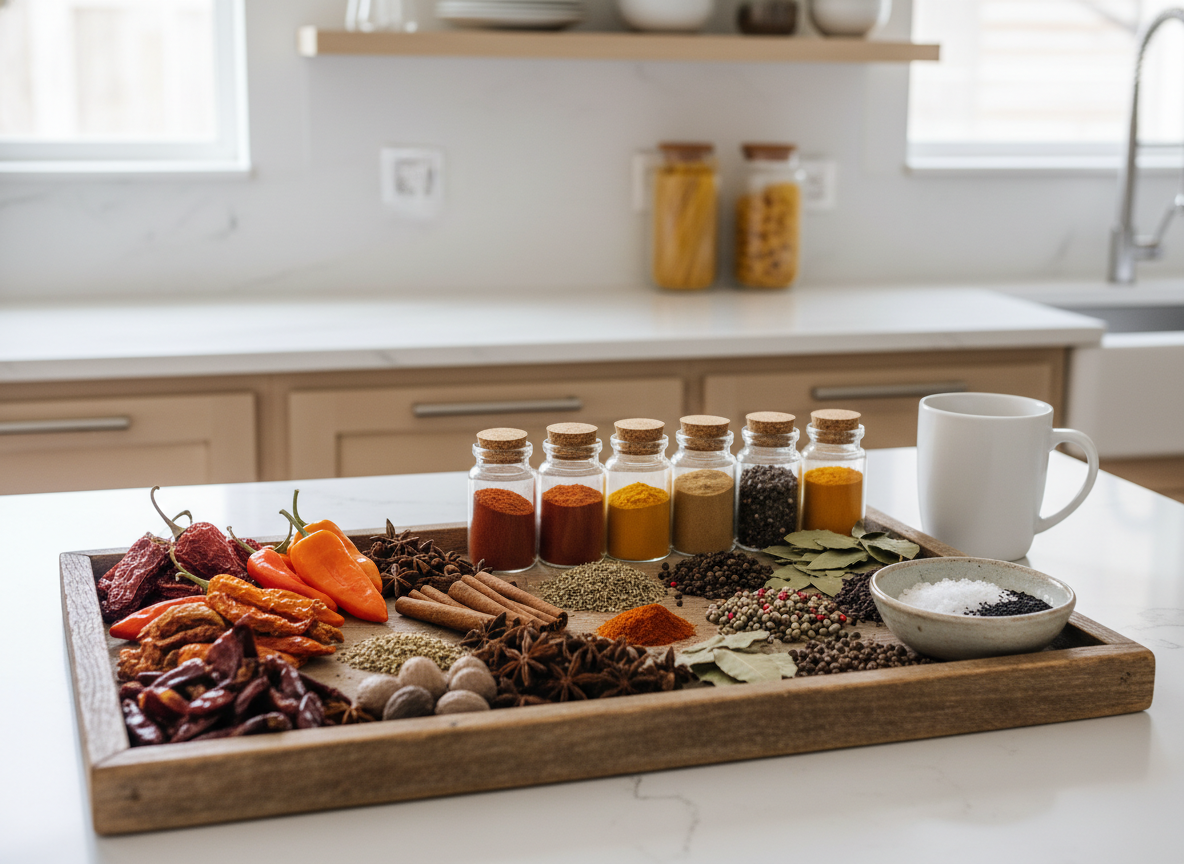
You should group items by category, label when helpful, and avoid storing bulk goods so deep that they disappear. When you know exactly what’s on hand, impulse buying naturally decreases.
Composting Without Overcomplicating It
Composting doesn’t have to mean backyard bins or complicated systems.
If your city offers food waste pickup, a small counter bin or under-sink container is enough. If not, even composting some scraps like coffee grounds or vegetable trimmings reduces landfill waste significantly.
The key is smart placement. Composting works best when your bin is located near your food preparation area, is easy to empty, and naturally fits into your everyday cleanup routine.
Sustainable Cooking Habits That Reduce Waste Automatically
Cook With Flexibility in Mind
Meal planning doesn’t need to be rigid. Planning a few flexible meals that share ingredients helps you use everything up without feeling boxed in.
Remember, leftovers aren’t a failure, they’re future meals waiting to happen.
Learn the Difference Between “Best By” and “Expired”
Many foods are thrown out too early because of misunderstood labels. Learning which dates are about quality can save money and food fast.
Freeze Strategically
Freezers are powerful waste-prevention tools. You save time and reduce pressure to use everything immediately by freezing bread, herbs, sauces, and leftover meals.
Zero-Waste Kitchens for Renters and Small Spaces
Renters can:
- Use freestanding storage and bins
- Add compost containers without permanent changes
- Focus on habits, not built-ins
Small kitchens benefit even more from zero-waste principles, since clutter and waste take up valuable space. Plus, you don’t need a renovation to reduce waste.
Zero-Waste Is Easier When It Fits Your Life
The most successful zero-waste kitchens are the most realistic.
If a swap feels frustrating, overly complicated, or delicate, it’s unlikely to stick long term. Focus on options that fit seamlessly into your routine, save time or money, and start to feel effortless after a few weeks. Sustainability works best when it’s realistic and sustainable for you, too.
Final Thoughts: Build Systems, Not Pressure
A zero-waste kitchen isn’t built on a weekend, honestly. It’s built through small, thoughtful choices that add up over time. Start with what creates the most waste in your home. Make one or two changes. Let them become normal. Then move on to the next.