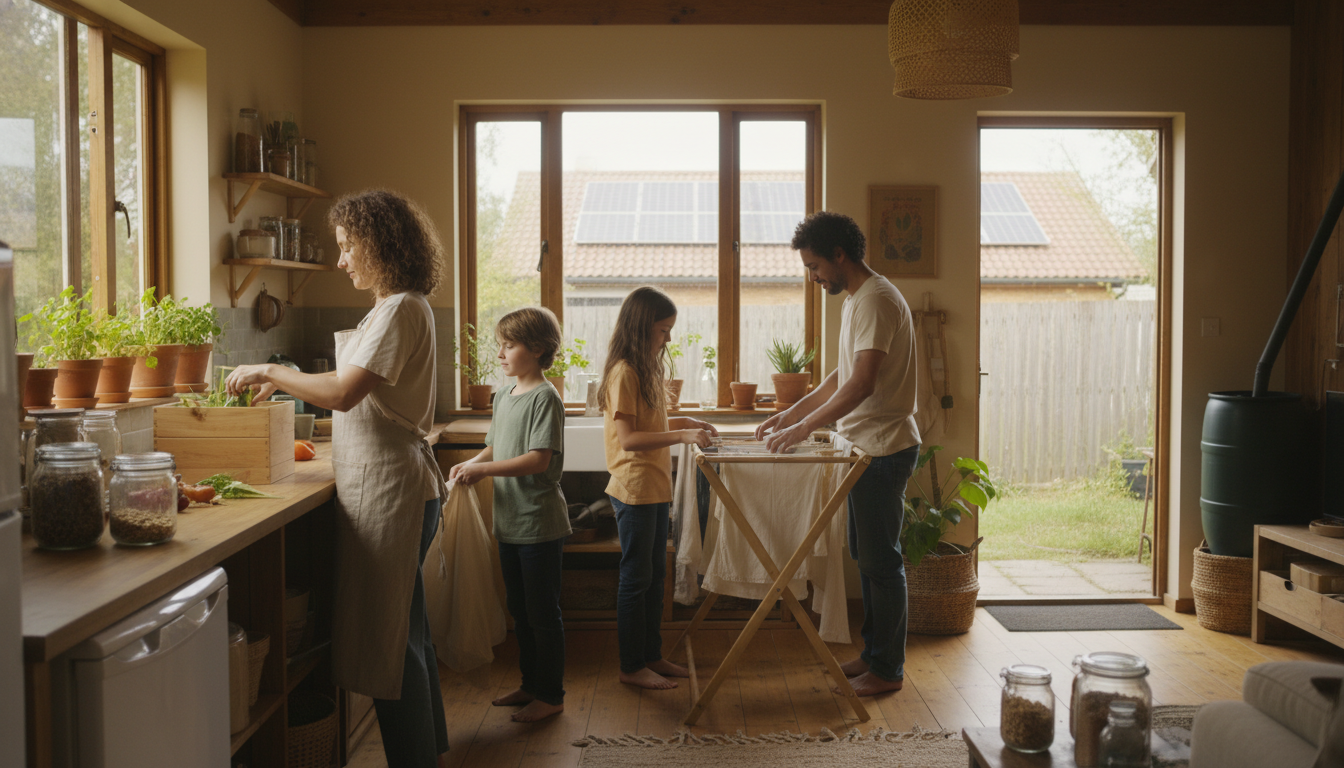
Sustainability sounds big. Almost intimidating. Like something you need a solar roof, a composting degree, and a lot of spare time to pull off.
But real-life sustainable living? It usually starts much smaller, such as standing in your kitchen, rinsing a jar, or deciding whether the light really needs to be on. The truth is, a sustainable household routine isn’t built in one dramatic overhaul. It’s built through simple daily habits that quietly stack up over time.
This guide is designed for real people with real schedules, whether you’re renters, homeowners, busy professionals, or parents juggling a thousand things at once. Just practical ways to create a cleaner, more eco-friendly home that actually fits everyday life.
What a Sustainable Household Routine Really Looks Like
A sustainable household routine isn’t about trying to do it all. It’s about choosing a handful of habits you can stick with, the ones that cut down on waste, use less energy, and actually make your home easier to manage. Think of it like building a solid morning routine: simple, repeatable, and flexible enough to hold up on the days when life doesn’t go as planned.
Start With Daily Habits That Reduce Waste (Without Extra Effort)
Rethink “Single-Use” Moments
Most household waste comes from small and repeated actions, such as coffee cups, paper towels, or food packaging. Instead of trying to eliminate waste all at once, focus on the moments that happen every day.
A few swaps that tend to stick:
- Keep reusable shopping bags in your car or by the door (not stuffed in a drawer)
- Use cloth towels for quick kitchen messes instead of paper towels
- Store leftovers in glass or reusable containers you actually enjoy using
Build a Recycling System That’s Hard to Mess Up

Recycling tends to fall apart when the system feels confusing or inconvenient. In a truly sustainable home, the eco-friendly choice should also be the easiest one to make. Keeping recycling right next to the trash, clearly labeling bins, especially in shared households, and giving items a quick rinse right after use all remove friction from the process. When recycling fits naturally into your routine, consistency becomes almost automatic.
Create an Eco-Friendly Cleaning Routine That’s Safer and Simpler
Clean With Fewer, Smarter Products
Most homes don’t need a cabinet full of specialized cleaners. In fact, overbuying often leads to half-used bottles and chemical overload.
A streamlined, eco-friendly cleaning routine usually relies on:
- A gentle all-purpose cleaner (plant-based or DIY)
- Dish soap and warm water for daily wipe-downs
- Baking soda for scrubbing
- Microfiber or washable cloths instead of disposable wipes
Fewer products mean less waste, less storage clutter, and fewer harsh fumes in your home.
Clean on a Rhythm, Not a Marathon
Sustainable cleaning means keeping things under control with small, regular habits. A quick five-minute kitchen reset in the evening, a weekly surface clear without heavy scrubbing, or focusing on just one “reset zone” each day can keep your home consistently tidy without draining your energy. When cleaning routines fit naturally into your life, they’re easier to maintain, and they’re gentler on the planet, too.
Save Energy at Home Without Thinking About It All Day
Let Your Home Do the Work
Energy-efficient living works best when it’s mostly automatic. Here are some low-effort upgrades:
- Switching to LED bulbs as old ones burn out
- Using power strips to reduce phantom energy drain
- Adjusting thermostat schedules instead of manually changing them
Be Strategic About Everyday Energy Use
You don’t have to overhaul every habit to save energy, just target the ones that add up the fastest. Running full loads in the dishwasher and washing machine, choosing cold water for laundry when you can, and turning off lights in rooms that aren’t in use (especially overnight) are simple changes that make a real difference. These small adjustments cut energy use quietly, without forcing you to rethink your entire routine.
Use Water More Intentionally (Even in Busy Homes)
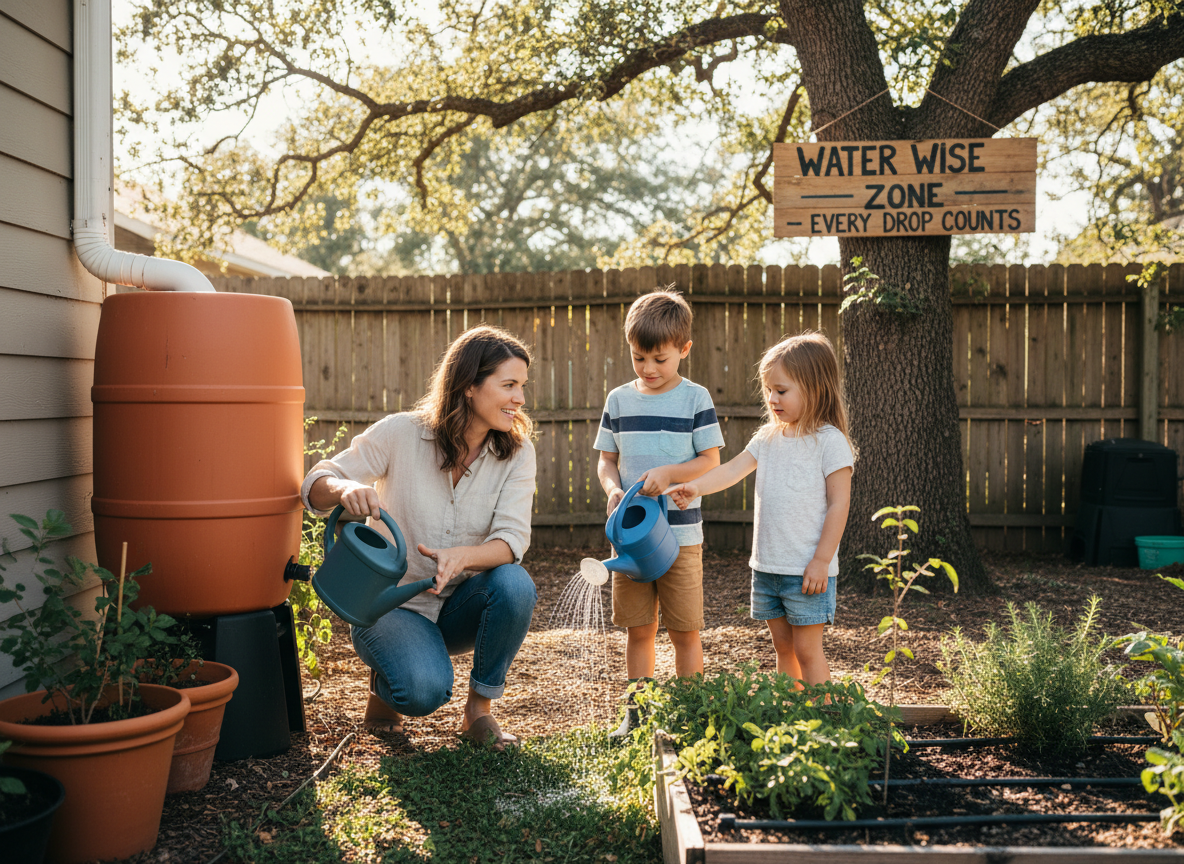
Start by addressing the water waste you don’t usually see. Small leaks and outdated fixtures often drain more water over time than an occasional long shower. Checking under sinks and around toilets for slow leaks, upgrading to low-flow showerheads when it’s time to replace them, and waiting to run the dishwasher or washing machine until you have a full load can significantly cut water use.
Once the basics are handled, focus on simple daily habits that naturally limit waste. Turning off the tap while brushing your teeth, rinsing produce in a bowl instead of under running water, and watering plants early in the morning or evening to reduce evaporation are all easy adjustments. Sustainability is most effective when it blends seamlessly into everyday life, quietly and consistently.
Make Sustainable Choices When Buying
Buy Less, but Also Buy Smarter
A sustainable household means buying items that last, get used, and don’t need replacing every year. Before purchasing, ask yourself:
- Will I still use this six months from now?
- Is there a version that lasts longer or does double duty?
- Can I buy it secondhand or locally?
Remember, durability is often the most eco-friendly feature of all.
Support Brands That Make It Easier to Be Sustainable
You don’t need to research every brand or get every purchase “right” to make a difference. Start with small, practical choices: opting for refillable or low-waste packaging when it’s available, supporting local businesses when you can, and slowly replacing disposable items with reusable ones over time. Progress matters far more than perfection, and those small shifts add up.
Build a Sustainable Household Routine That Actually Sticks
Trying to overhaul your entire lifestyle overnight usually backfires. A more sustainable approach is to build habits in layers, starting with one room or category, adding just one new habit at a time, and giving it space to feel normal before moving on. Sustainability isn’t meant to feel like a challenge you power through; it’s a rhythm you ease into and maintain over time. Just as important, your routine should be flexible enough to change with you. Seasons shift, schedules get busier, and life moves through different phases. A sustainable home is one that adapts, not one that demands consistency at all costs.
Final Thoughts: A Cleaner, More Eco-Friendly Home Is Built One Habit at a Time
You don’t need to live off-grid, grow all your own food, or never forget your reusable bags. A sustainable household routine is built through small, daily habits that quietly reduce waste, save resources, and make your home easier to care for. When your systems are simple, sustainability becomes automatic. And when your home works with you, creating a cleaner, more eco-friendly space feels less like a responsibility, and more like a relief.
Related Articles
- How to Build a Zero-Waste Kitchen with Simple Swaps, Smart Storage, and Sustainable Everyday Habits
- 10 Simple Ways to Reduce Household Waste and Create a More Sustainable, Eco-Friendly Home
- 12 Water-Saving Home Upgrades to Reduce Consumption, Lower Bills, and Create a More Sustainable Household
- Sustainable Lifestyle Ideas: 9 Simple Ways to Build a Greener Life
- Eco-Friendly Lifestyle Tips for a More Sustainable Way of Living