Creating an eco-friendly home is often associated with expensive renovations, structural changes, or complete lifestyle overhauls. However, sustainable living doesn’t have to involve major construction projects or large financial investments. Many effective changes can be made gradually, using simple adjustments that reduce environmental impact while improving comfort and efficiency.
An eco-friendly home is about making intentional choices that conserve resources, reduce waste, and support long term wellbeing. With thoughtful habits and practical upgrades, it’s possible to create a more sustainable living space without altering the structure of your home.
Step 1: Enhance Energy Efficiency Without Renovations
The foundation of any green home lies in maximizing energy efficiency through simple, cost-effective modifications. Begin by sealing air leaks around windows, doors, and electrical outlets with weatherstripping or caulk. This simple upgrade typically costs under $50 and can reduce energy consumption by up to 20%.
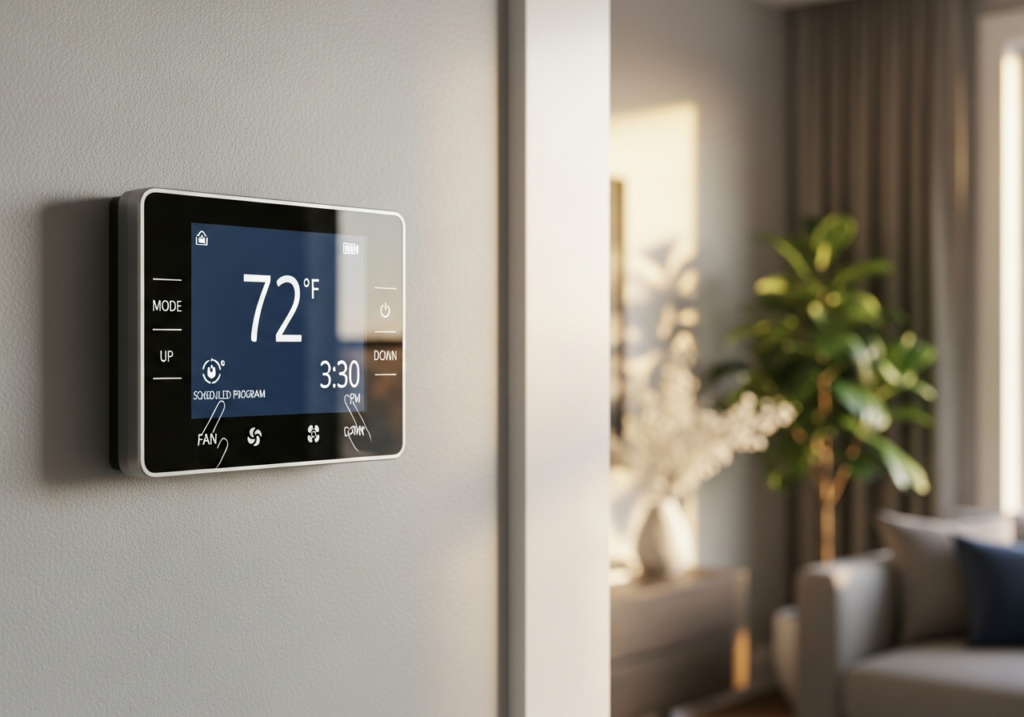
Install a programmable thermostat to automatically adjust temperatures when you’re away, potentially saving hundreds annually on heating and cooling costs. Add thermal curtains or cellular shades to windows, creating an extra insulation barrier that keeps your home comfortable year-round without touching your HVAC system.
These foundational improvements create the perfect setup for your next energy-saving upgrade: transitioning to LED lighting throughout your home.
Understanding LED Lighting Benefits
LED bulbs represent one of the most impactful upgrades for improving your home’s energy efficiency without any installation complexity. These modern lighting solutions consume up to 75% less electricity than traditional incandescent bulbs while lasting 25 times longer, according to energy efficiency experts.

The math is compelling: replacing just ten 60-watt incandescent bulbs with LED equivalents can save approximately $80 annually on electricity costs. Beyond the financial benefits, LEDs produce significantly less heat, reducing strain on your cooling system during warmer months and contributing to overall home comfort.
The transition couldn’t be simpler, modern LEDs fit standard light fixtures and offer instant brightness without the warm-up period of compact fluorescent bulbs. With these efficiency gains established, the next logical step involves addressing another major source of energy waste: air leakage around your home’s openings.
Sealing Drafts Around Windows and Doors
Draft sealing represents the most cost-effective method to reduce energy waste in your home. Air leaks around windows and doors can increase heating and cooling costs by up to 30%, making this simple fix incredibly valuable for energy efficiency.
Start by conducting a simple candle test, hold a lit candle near window frames and door edges on a windy day. If the flame flickers, you’ve found a leak. Weather stripping offers an immediate solution for most gaps, while caulk works perfectly for stationary cracks around window frames.
For sliding doors and windows, adhesive foam tape provides excellent results and costs less than $20 for most homes. Focus on the areas where different materials meet, as these joints naturally expand and contract with temperature changes.
Beyond heating and cooling benefits, proper sealing also supports broader sustainability goals like water conservation by preventing moisture infiltration that can lead to waste through increased dehumidifier usage. According to sustainable home experts, addressing air leaks creates a foundation for all other energy-saving improvements to work more effectively. The beauty of draft sealing lies in its immediate impact, you’ll notice improved comfort within hours of completion, setting the stage for more comprehensive water-saving strategies throughout your home.
Step 2: Water Conservation Techniques
Beyond lighting and draft sealing, water conservation represents another immediate opportunity to enhance your home’s sustainability. Simple fixture upgrades and behavioral changes can reduce water consumption by 20-30% without requiring plumbing modifications.
Start with low-flow showerheads and faucet aerators, which cost under $20 each and install in minutes using basic tools. These devices maintain water pressure while reducing flow rates from 2.5 gallons per minute to 1.5 gallons or less. A family of four can save approximately 2,900 gallons annually with this single upgrade.
Toilet tank displacement offers another cost-effective solution. Place a water-filled bottle in older toilet tanks to reduce flush volume by up to 20%. For newer toilets, consider adjustable flapper chains that allow partial flushing for liquid waste.
While focusing on water fixtures, this is also an ideal time to address indoor air quality with low-VOC paints if you’re touching up areas around plumbing fixtures. Water conservation and air quality improvements often complement each other in sustainable home upgrades. These water-saving measures create the foundation for your next efficiency upgrade: installing low-flow fixtures throughout your home’s key water consumption areas.
Installing Low-Flow Fixtures
Low-flow fixtures deliver the same functionality while reducing water consumption by up to 60%. Modern low-flow showerheads maintain water pressure through innovative aerator technology, while efficient faucets use precision engineering to maximize performance per gallon.
Installation requires basic tools and typically takes 15-30 minutes per fixture. Simply unscrew existing fixtures and apply plumber’s tape before installing new ones. Sustainable home upgrades like these fixtures provide immediate impact with minimal investment. Pairing low-flow fixtures with LED lighting creates a comprehensive efficiency upgrade that addresses both water and energy consumption simultaneously.
Utilizing Rain Barrels
Rain barrels transform your home’s water collection system into a sustainable resource hub. These simple containers capture roof runoff that would otherwise overwhelm storm drains, providing free irrigation water for gardens and landscaping.
Position barrels beneath downspouts with proper screening to prevent mosquito breeding and debris accumulation. A single inch of rainfall on a 1,000-square-foot roof yields approximately 600 gallons of water. Just as insulation helps maintain indoor temperature efficiency, rain barrels create outdoor water efficiency by reducing municipal water demand.
Beyond water savings, rain barrels complement other eco-friendly improvements by reducing foundation water pressure and preventing soil erosion around your home’s perimeter, naturally preparing your property for sustainable product transitions.
Step 3: Sustainable Home Products
Sustainable home products extend eco-friendly living beyond fixtures and water conservation into everyday household essentials. By switching to sustainable alternatives for common items, eco-conscious homeowners can reduce their environmental footprint by up to 40 percent without making dramatic lifestyle changes.
Many sustainable materials offer the same functionality as conventional products while delivering long-term environmental and economic benefits. These products are often more durable, helping reduce waste and replacement costs over time.

Common examples of sustainable household upgrades include:
- Bamboo cutting boards that replace plastic or hardwood options
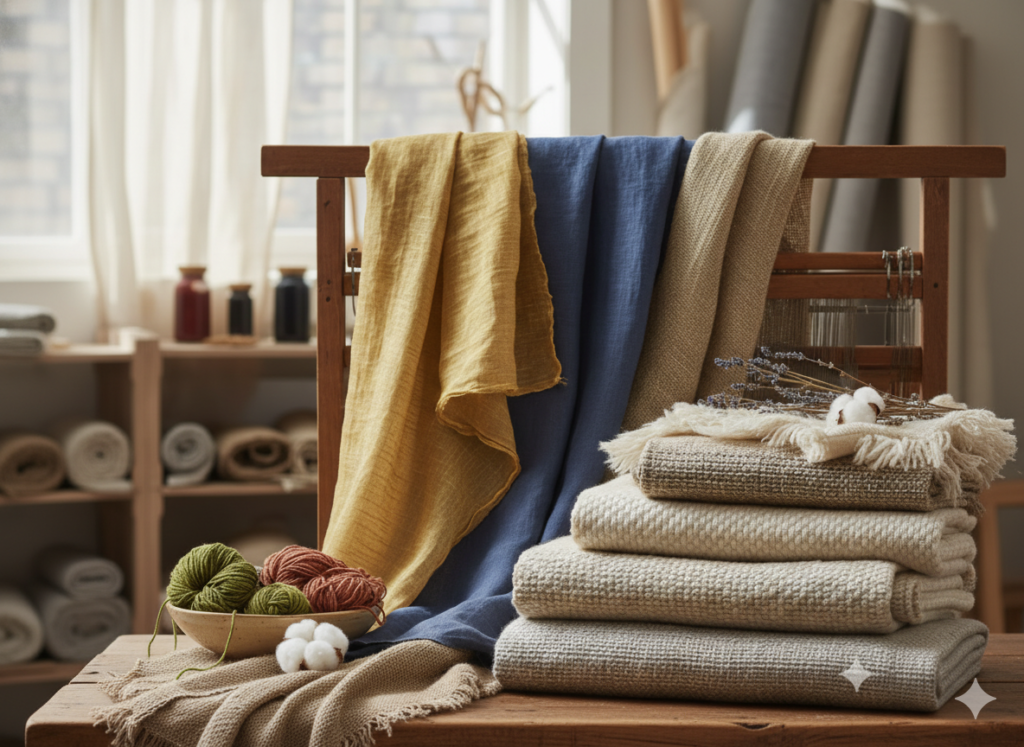
- Organic cotton linens that eliminate exposure to harsh chemical treatments
- Recycled glass storage containers that reduce single-use plastic consumption
Natural fiber textiles represent one of the most impactful changes homeowners can make. Materials such as organic cotton, hemp, and bamboo improve indoor environmental quality by removing harmful chemicals from living spaces. In many cases, these sustainable alternatives outperform synthetic fabrics in durability, comfort, and visual appeal, making them both practical and aesthetically pleasing choices.
This foundation of sustainable products creates the perfect environment for embracing natural cleaning solutions that protect both your family’s health and the planet.
Embracing Natural Cleaning Products
Natural cleaning products eliminate harmful chemicals from your daily routine while maintaining effective cleaning power. Commercial cleaners often contain volatile organic compounds that degrade indoor air quality and pose health risks to your family.
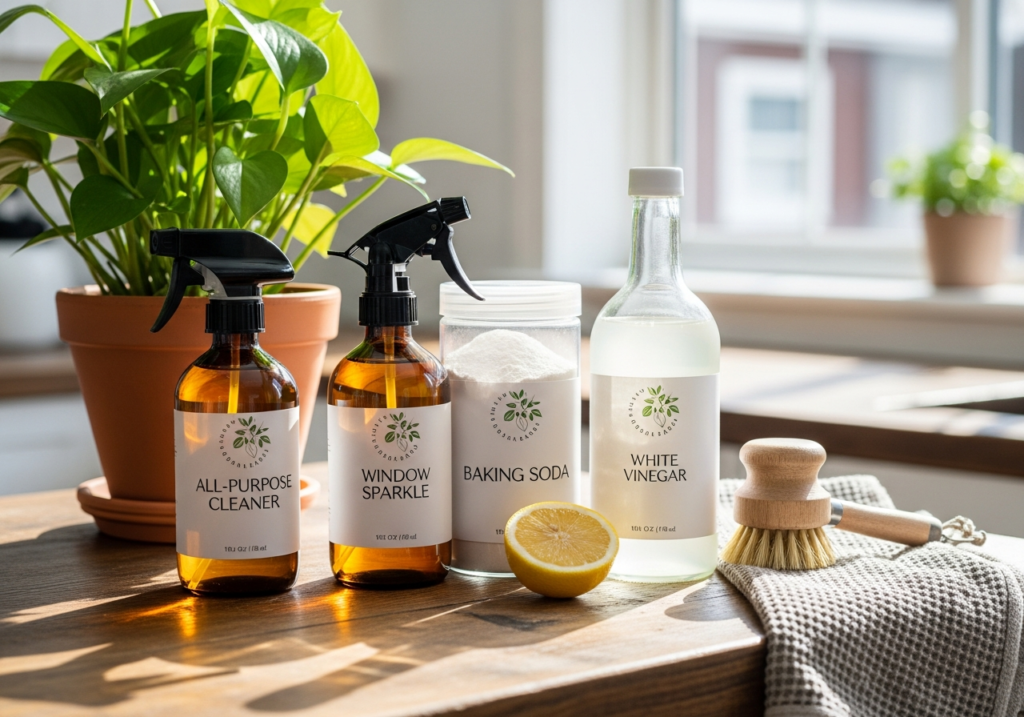
Simple ingredients like white vinegar, baking soda, and lemon create powerful cleaning solutions at a fraction of the cost. These natural alternatives tackle everything from bathroom grime to kitchen grease without introducing toxic fumes into your living space. A basic all-purpose cleaner combines equal parts water and white vinegar with a few drops of essential oil for fragrance. The transition to natural cleaning products represents one of the most immediate changes you can make toward healthier indoor air quality, setting the stage for other indoor improvements like choosing the right paint formulations.
Understanding Low-VOC Paints
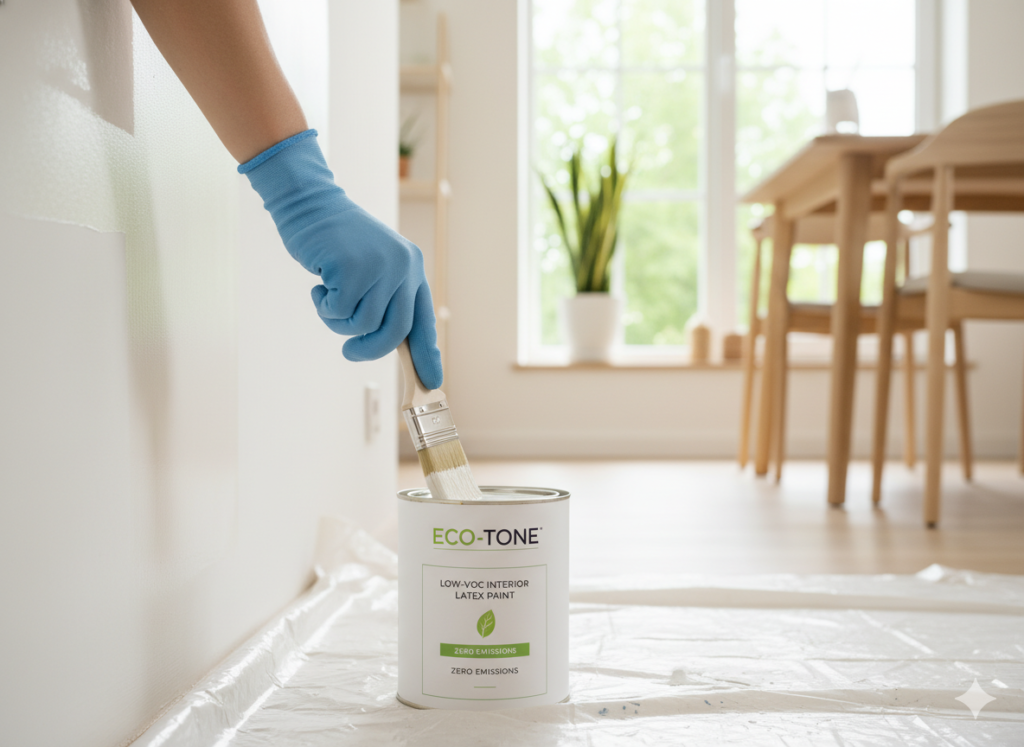
Low-VOC paints represent one of the simplest yet most impactful changes you can make to improve your home’s air quality. Traditional paints release volatile organic compounds that can cause headaches, respiratory issues, and long-term health problems. Low-VOC alternatives contain significantly fewer harmful chemicals while delivering the same coverage and durability you expect.
These eco-friendly paints dry faster, produce minimal odor, and create healthier indoor environments for your family. The key is choosing paints labeled with third-party certifications like Green Seal or GREENGUARD, which verify their environmental claims. With real-world scenarios showing how these changes transform homes, you’ll see exactly how manageable this upgrade can be.
Conclusion
Creating an eco-friendly home without major renovations is entirely achievable through strategic, budget-conscious improvements. Small changes like switching to LED lighting, improving insulation with weatherstripping, and adopting sustainable habits can significantly reduce your environmental impact while lowering utility costs.
The most impactful approach combines immediate actions with gradual upgrades, start with low-cost solutions like programmable thermostats, energy-efficient appliances, and then progress to larger investments as your budget allows. Remember that sustainable living isn’t perfection, but a long-term commitment to consistent, mindful choices that benefit both your wallet and the planet.