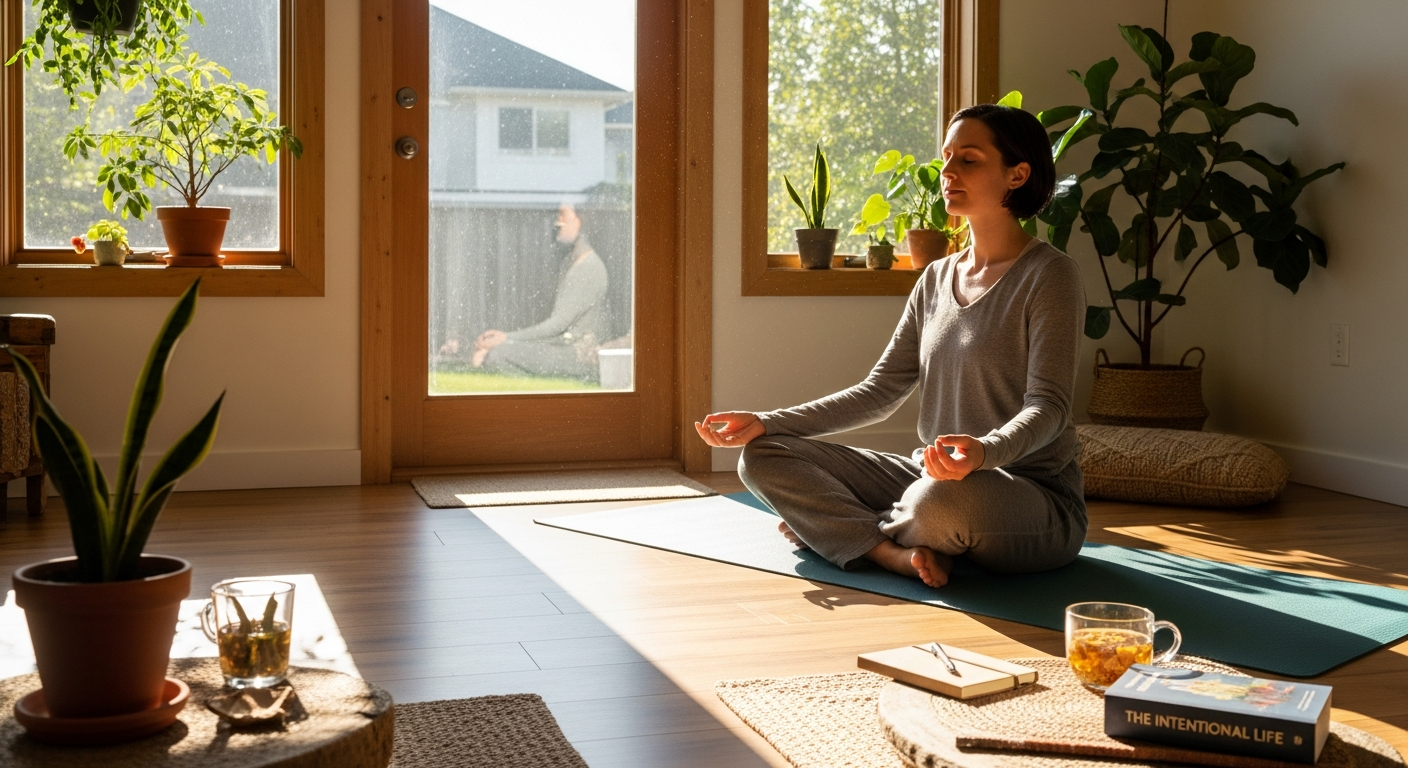
Living an intentional life has become a meaningful goal for many people who feel overwhelmed by constant demands and distractions. Instead of reacting to everything that happens, intentional living encourages thoughtful choices that align daily actions with personal values. This approach doesn’t require drastic change or perfection. It focuses on awareness, clarity, and consistency in everyday decisions. An intentional life feels grounded because choices are made with purpose rather than habit. Over time, this mindset supports greater fulfillment, emotional balance, and a stronger sense of direction.
Understanding What Intentional Living Really Means
Intentional living means choosing how to spend time, energy, and attention with awareness. It involves aligning actions with values rather than external pressure or routine.
People who live intentionally aren’t immune to stress or responsibility, but they respond with clarity instead of autopilot behavior. This lifestyle emphasizes quality over quantity in work, relationships, and consumption. They’re focused on what truly matters to them and are willing to let go of what doesn’t support their priorities.
Why Living Intentionally Matters in Modern Life
Modern life often rewards speed and constant availability. Without intention, days can feel full yet unfulfilling. Intentional living creates space to pause and evaluate whether daily habits support long term well being.
This approach helps reduce burnout, decision fatigue, and emotional overload. By making conscious choices, individuals regain a sense of control and purpose. Intentional living supports mental clarity and helps people feel more connected to their lives rather than overwhelmed by them.

Clarifying Your Core Values
Living intentionally begins with understanding personal values. Values guide decisions and shape priorities, even when circumstances change. Without clarity, choices are often driven by convenience or external expectations. Identifying values requires reflection. People may consider what brings satisfaction, what feels meaningful, and what they want more of in their lives. Once values are clear, they serve as a filter for decisions related to time, work, relationships, and commitments.
Setting Intentions for Daily Life
Intentions translate values into action. Unlike rigid goals, intentions focus on direction rather than outcome. They guide behavior without creating pressure.
Daily intentions can be simple. Examples can include:
- Approaching tasks with focus
- Prioritizing rest
- Being present in conversations
Setting intentions helps individuals remain aligned throughout the day, even when plans shift.
Simplifying Commitments and Priorities
Intentional living often involves simplifying commitments. Over-commitment drains energy and leaves little space for reflection or rest. Simplification requires honesty about capacity and boundaries. This process may involve saying no more often, reducing unnecessary obligations, or restructuring routines. Simplifying doesn’t mean withdrawing from life. It means choosing commitments that align with values and letting go of those that don’t.
Creating Intentional Daily Routines
Routines shape daily experience. Intentional routines support balance and consistency without rigidity. They provide structure while allowing flexibility.
Morning and evening routines are especially important. A calm start sets the tone for the day, while a reflective evening routine helps with rest and closure. Intentional routines encourage mindfulness and reduce stress by eliminating unnecessary decision making.

Practicing Mindful Time Management
Time management in intentional living focuses on presence rather than efficiency alone. Instead of filling every moment, this approach values focus and rest. Mindful time management includes prioritizing important tasks, scheduling breaks, and reducing multitasking. When attention is directed intentionally, tasks feel more manageable and meaningful. Over time, this practice builds a healthier relationship with time.
Being Intentional With Digital Habits
Digital habits strongly influence attention and emotional well being. Intentional living encourages conscious engagement with technology rather than constant consumption. This may include setting boundaries around screen time, curating content thoughtfully, or creating device free periods during the day. Reducing digital noise supports focus and presence, allowing individuals to reconnect with their surroundings and thoughts.
Making Conscious Choices Around Consumption
Intentional living extends to consumption habits. This includes what people buy, watch, read, and consume emotionally. Conscious consumption emphasizes quality, usefulness, and alignment with values. They’re less likely to accumulate items or information that add stress or clutter. This approach supports sustainability and increases satisfaction with fewer, more meaningful choices.
Building Intentional Relationships
Relationships benefit greatly from intentional living. Being present, listening actively, and respecting boundaries strengthen emotional connection. Intentional relationships prioritize depth over frequency. Quality interactions matter more than constant communication. This approach helps protect emotional energy and fosters trust and mutual respect.
Creating a Supportive Living Environment
The physical environment influences daily behavior. Intentional living often includes designing spaces that support calm, focus, and comfort. A supportive environment may involve decluttering, choosing calming colors, or creating dedicated spaces for rest and reflection. These choices reinforce intentional habits and make it easier to live according to values.

Overcoming Common Challenges to Intentional Living
Living intentionally can feel challenging in a fast paced world. Distractions, expectations, and habits may pull attention away from priorities. Progress doesn’t require perfection. Small, consistent changes create momentum. When setbacks occur, reflection rather than self criticism helps maintain alignment. Intentional living evolves over time and adapts to changing circumstances.
Conclusion
Living an intentional life is a continuous practice of awareness and choice. By aligning daily actions with personal values, individuals create lives that feel purposeful and grounded. A simple and practical approach makes intentional living accessible. Small decisions made consistently shape long term well being and fulfillment. Over time, intentional living transforms how people experience their days, their relationships, and their sense of direction.