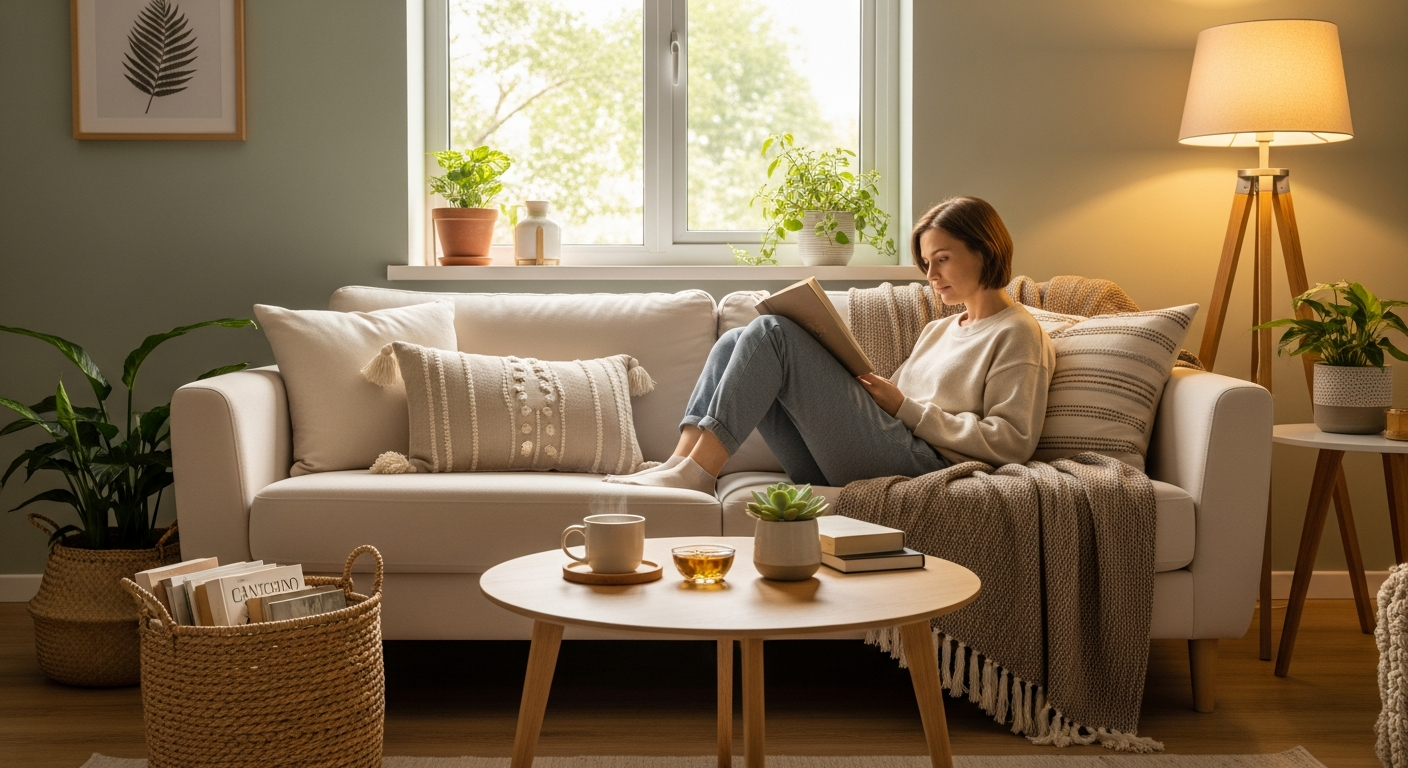
Home is often described as a place to rest, yet many people find that their living space mirrors the same speed, noise, and pressure they experience outside. Notifications follow them into the living room, unfinished tasks linger in every corner, and even moments of rest feel rushed. Mindful living at home offers a way to change that experience by shaping daily life around calm, presence, and intention.
Rather than requiring dramatic lifestyle changes, mindful living focuses on small, consistent choices that influence how people move, think, and feel in their own space. When practiced at home, mindfulness becomes tangible. It shows up in how a room feels, how time is used, and how attention is directed throughout the day.
Understanding Mindful Living at Home
Mindful living begins with awareness. At home, this awareness relates to physical surroundings, daily routines, and emotional patterns. People often move through their homes on autopilot, reacting to clutter, noise, and digital distractions without noticing how these elements affect their mood.
A mindful home supports presence. It encourages slowing down enough to notice sensations, thoughts, and emotions as they arise. This doesn’t mean removing all stimulation or striving for constant calm. Instead, the goal is to create an environment that gently supports focus, clarity, and emotional balance.
Research in environmental psychology and behavioral science consistently has indicated that surroundings influence cognitive load, stress levels, and overall wellbeing. Spaces that feel orderly, predictable, and aligned with personal values help reduce mental fatigue and improve emotional regulation.
Creating Physical Space that Supports Calm

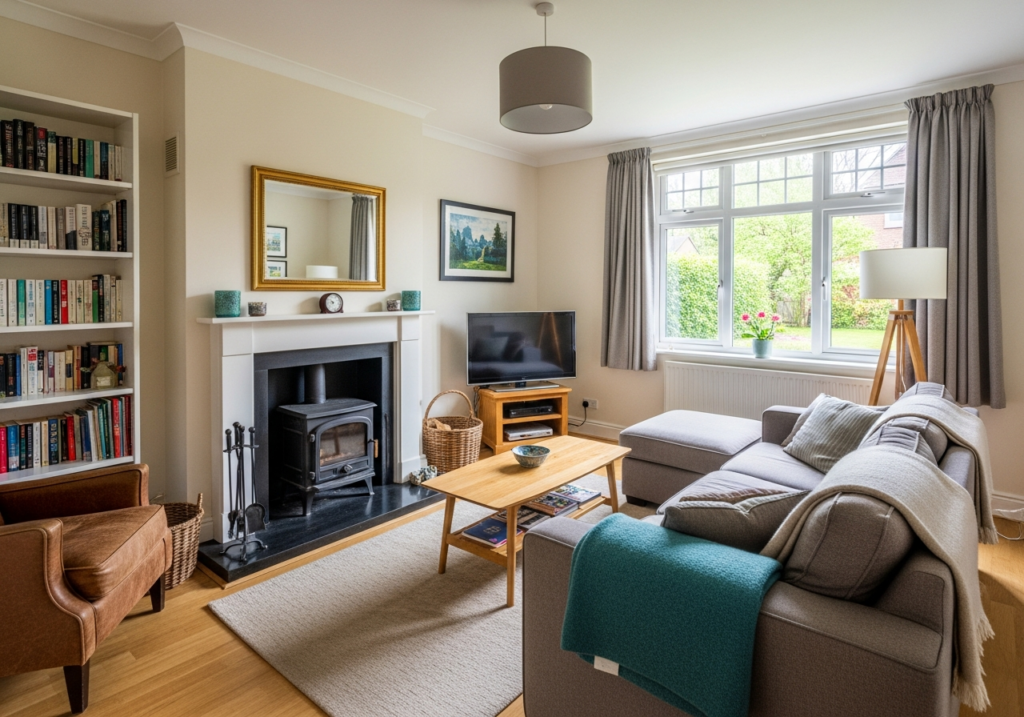
The physical environment plays a major role in mindful living. Visual clutter, harsh lighting, and constant noise can overwhelm the nervous system, even when people aren’t consciously aware of it.
One effective approach is intentional simplification. This doesn’t require minimalism as a strict aesthetic. Instead, it involves evaluating what truly serves daily life. Items that are used regularly or carry meaningful value earn their place. Everything else can be stored, donated, or removed.
Lighting also matters. Natural light supports circadian rhythms and mental clarity. When possible, window areas should remain unobstructed. In the evening, softer lighting helps signal the body to slow down. Warm toned lamps often create a more calming atmosphere than overhead lights.
Sound is another overlooked element. Many homes are filled with constant background noise from televisions or devices. Introducing moments of quiet or gentle ambient sounds can shift the emotional tone of a space. This supports presence and allows the mind to rest more deeply.
Designing Daily Routines with Intention
Mindful living at home is shaped not only by space but also by how time is structured. Routines provide stability, yet they often become rushed or fragmented. Intentional routines are built around awareness rather than efficiency alone. A morning routine, for example, can include a few minutes of stillness before checking messages. This small pause helps set a grounded tone for the day.

Mealtimes offer another opportunity. Eating without screens, even once a day, allows people to reconnect with hunger cues, taste, and satisfaction. This practice supports both physical and emotional wellbeing.
Evening routines benefit from clear boundaries. When work and rest blend together, the mind struggles to fully disengage. Creating a consistent transition, such as dimming lights or changing clothes, signals that the day is slowing down.
Reducing Digital Overload at Home
Technology is deeply integrated into modern home life, but constant connectivity often undermines presence. Mindful living doesn’t require eliminating devices, but it does encourage intentional use. One practical strategy is defining technology free zones or times. Bedrooms and dining areas are common starting points. This helps preserve spaces meant for rest and connection.
Notifications also deserve attention. Many people receive alerts that aren’t truly urgent. Adjusting notification settings reduces interruptions and supports sustained focus. In addition, digital wellbeing research highlights the link between reduced screen exposure and improved sleep quality, attention span, and stress management. These benefits are especially noticeable when changes are implemented consistently at home.

Building Emotional Awareness at Home
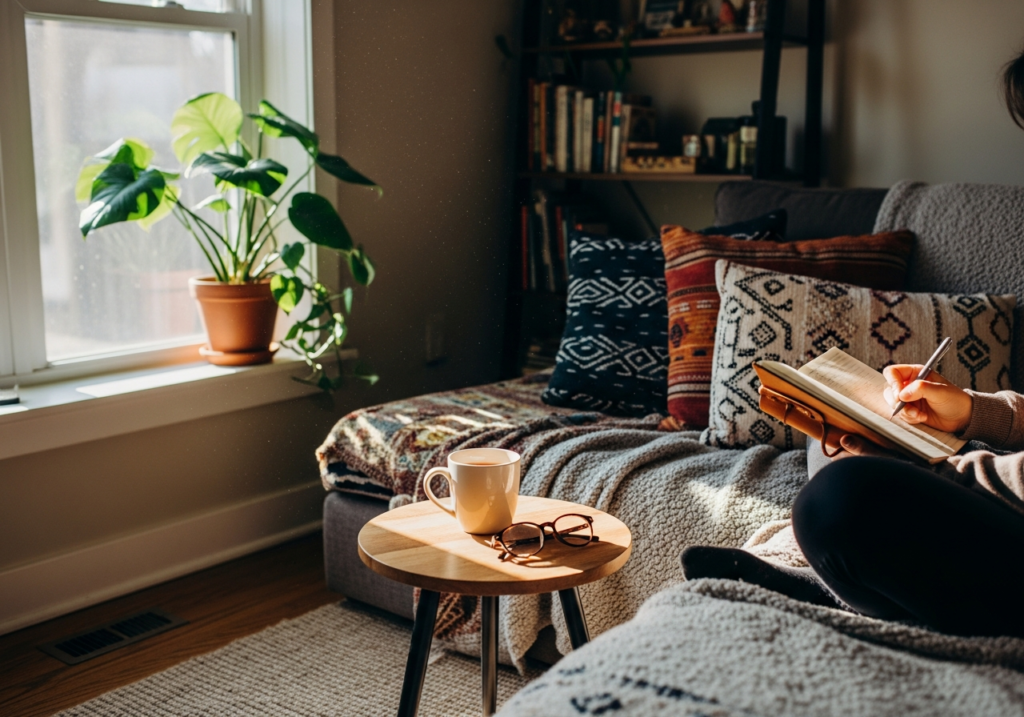
A mindful home isn’t defined by constant calm. Emotions will still arise, especially in a space where people spend so much time. The difference lies in how emotions are acknowledged and processed. Creating small rituals can support emotional awareness. Journaling, quiet reflection, or simple breathing exercises help individuals check in with themselves. These practices don’t need to be lengthy to be effective. The home can also reflect emotional values. Displaying meaningful objects, photos, or artwork reinforces a sense of belonging and identity. These visual cues remind people of what matters to them, even during stressful moments.
Encouraging Connection and Presence with Others
In homes shared by multiple people, mindful living grows through collective emotional awareness. Presence shows up in how conversations are held, how conflicts are approached, and how time together is valued.
Simple practices such as active listening and device free conversations strengthen connection. When people feel heard, the home becomes emotionally safer and more supportive. Shared routines also matter. Regular meals, short check ins, or weekly rituals help build predictability and trust. These moments anchor relationships and create a sense of stability.
Maintaining Mindfulness Over Time
Mindful living at home is an ongoing practice rather than a final state. There will be periods of busyness, disruption, or stress. What matters is returning to intention when possible. Regular reflection helps maintain alignment. This might involve reassessing routines, rearranging spaces, or noticing new sources of tension. Flexibility is key, as needs change over time.
Experts in habit formation emphasize that sustainable change comes from consistency rather than perfection. Small actions repeated daily shape the emotional tone of a home more effectively than occasional overhauls.
Conclusion
Mindful living at home creates space for calm and presence by aligning environment, routines, and awareness with personal values. Through intentional design, thoughtful use of technology, and emotional attentiveness, the home becomes more than a functional space. It becomes a supportive backdrop for daily life.
When mindfulness is practiced consistently at home, people often notice subtle but meaningful shifts. Stress feels more manageable, focus improves, and moments of quiet become more accessible. Over time, these changes support a deeper sense of balance and wellbeing.