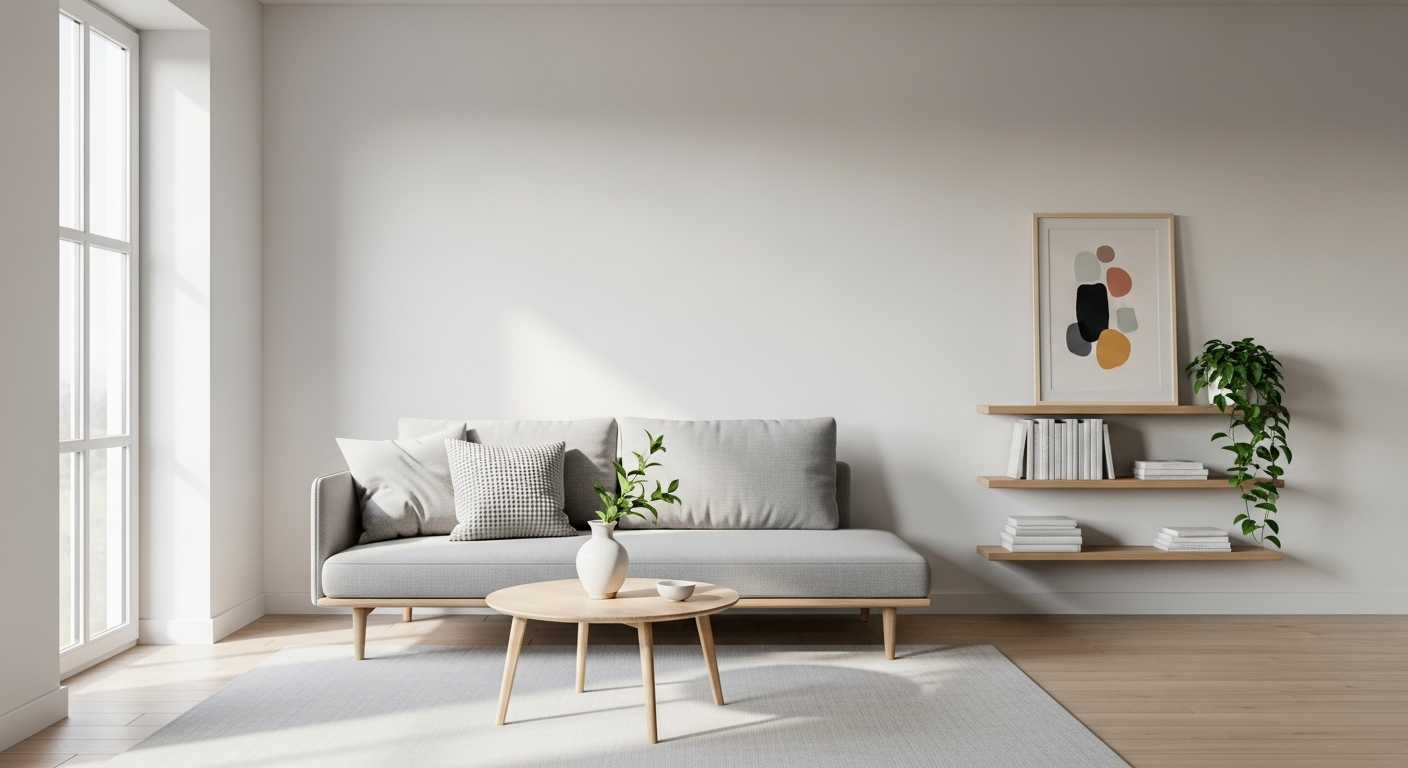
In a world filled with constant information, endless choices, and growing expectations, many people feel mentally overloaded even when their lives appear full.
The minimalist lifestyle offers a practical response to this pressure by encouraging intentional choices in how time, space, and energy are used. Rather than focusing on deprivation, minimalism helps people identify what truly adds value and let go of what quietly drains attention.
Minimalist living has gained attention not because it’s trendy, but because it addresses a shared desire for clarity and balance. When applied thoughtfully, it supports a simpler daily rhythm and creates room for experiences, relationships, and personal growth that feel genuinely meaningful.
Understanding The Minimalist Lifestyle Beyond Aesthetics
Minimalism is often misunderstood as a visual style defined by white walls and empty rooms. In reality, it’s a mindset rooted in intentional living. A minimalist lifestyle centers on alignment between values and daily choices. This includes physical belongings, schedules, digital habits, and even social commitments.
Research in psychology and behavioral science shows that too many choices and visual clutter can increase cognitive load and contribute to decision fatigue. Simplifying inputs allows the brain to operate more efficiently, supporting focus and emotional regulation. Minimalism looks different for everyone. Some people simplify their homes, while others focus on time management or digital boundaries. What matters is clarity of intention rather than strict rules.
A Purposeful Approach to Decluttering Without Pressure
Physical clutter often reflects mental clutter. Many people hold onto items out of guilt, habit, or fear of needing them later. Minimalist decluttering encourages a more thoughtful evaluation process. Instead of asking whether something might be useful someday, a more effective question is whether it actively supports current life needs. Items that are rarely used or no longer align with personal values quietly demand attention without offering real benefit.
Decluttering works best when approached gradually. Tackling one area at a time reduces overwhelm and leads to more sustainable results. This approach aligns with expert guidance on habit formation, which emphasizes consistency over intensity. A simplified physical environment often creates immediate psychological relief. People report feeling calmer and more focused when their surroundings feel intentional rather than crowded.
Simplifying Daily Routines for Greater Mental Clarity
A minimalist lifestyle extends beyond possessions into how days are structured. Overpacked schedules can be just as draining as physical clutter.
Simplified routines prioritize essential activities while reducing unnecessary friction. This might involve limiting multitasking, setting clearer boundaries around work hours, or establishing predictable morning and evening rituals. Intentional routines reduce decision fatigue by creating structure. When fewer choices compete for attention, mental energy becomes available for deeper focus and creativity.
Experts in productivity and wellbeing consistently note that predictable routines support emotional stability and reduce stress. When daily life feels manageable, people are better equipped to respond thoughtfully rather than react impulsively.
Practicing Mindful Consumption in Everyday Life
Minimalism encourages mindful consumption across all areas of life. This includes shopping habits, media intake, and even information consumption. Before making purchases, intentional consumers consider long term value rather than short term excitement. Quality, durability, and relevance become more important than quantity. This approach often leads to greater satisfaction and reduced waste.

Digital consumption deserves equal attention. Endless scrolling and constant notifications fragment attention and undermine presence. Setting limits around screen time or curating content sources helps protect mental space. Many studies on digital wellbeing highlight the connection between reduced information overload and improved concentration, sleep quality, and emotional health.
Releasing Social and Emotional Excess
Minimalism also applies to relationships and commitments. Many people feel obligated to maintain social ties or obligations that no longer feel supportive.
Intentional living encourages honest evaluation of where time and emotional energy are invested. This does not mean withdrawing from others, but rather prioritizing relationships that feel reciprocal and aligned with personal values.
Setting boundaries is an essential minimalist skill. Clear communication helps prevent burnout and preserves emotional wellbeing. When commitments reflect genuine interest rather than obligation, interactions feel more meaningful and less draining. Psychological research supports this approach, showing that quality of relationships has a stronger impact on wellbeing than quantity.
Building a Calm, Minimalist Home Environment
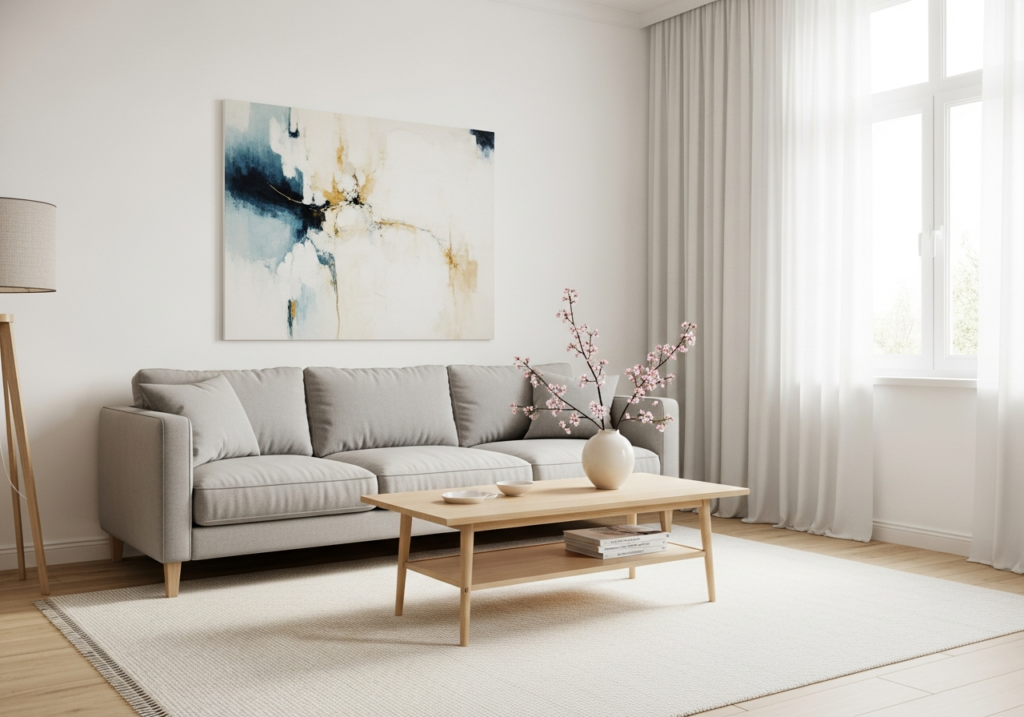
A minimalist home is designed to support daily life rather than impress others. Functionality, comfort, and emotional resonance guide design choices. Neutral colors, natural materials, and thoughtful lighting often contribute to a calming atmosphere. However, minimalism doesn’t require eliminating personality. Meaningful objects and personal touches remain important when chosen intentionally.
Storage solutions also matter. When every item has a designated place, daily tasks require less effort. This reduces frustration and supports a smoother rhythm at home. Environmental psychology emphasizes the impact of visual simplicity on stress levels. Homes that feel orderly and predictable help regulate emotional responses, especially during busy periods.
Aligning Minimalism with Personal Values
A meaningful minimalist lifestyle is grounded in self awareness. Without clarity around values, simplification can feel empty or restrictive. Values act as a filter for decisions. They guide what stays and what goes. For some people, this means prioritizing family time. For others, creativity, health, or learning may take precedence.
Regular reflection helps maintain alignment. As life circumstances change, values may shift. Minimalism allows for flexibility by encouraging continuous reassessment rather than rigid rules. Experts in personal development emphasize that intentional living supports long term satisfaction by reducing the gap between how people live and what they value.

Maintaining a Minimalist Lifestyle Over Time
Minimalism isn’t a one time project. It’s an ongoing practice shaped by awareness and adjustment. There will be moments of accumulation, busyness, or distraction. What matters is returning to intention without self criticism. Small course corrections are more sustainable than drastic resets. Consistency builds trust in the process. Over time, people often notice improved focus, reduced stress, and a stronger sense of purpose. These benefits reinforce the motivation to continue simplifying.
Conclusion
Minimalist lifestyle tips offer practical guidance for creating a simpler and more meaningful life. By reducing excess in physical spaces, schedules, and mental inputs, people make room for what truly matters. Minimalism supports clarity, presence, and alignment between values and daily actions. When practiced intentionally, minimalism becomes less about having less and more about living well. It encourages thoughtful choices that support long term wellbeing and emotional balance.