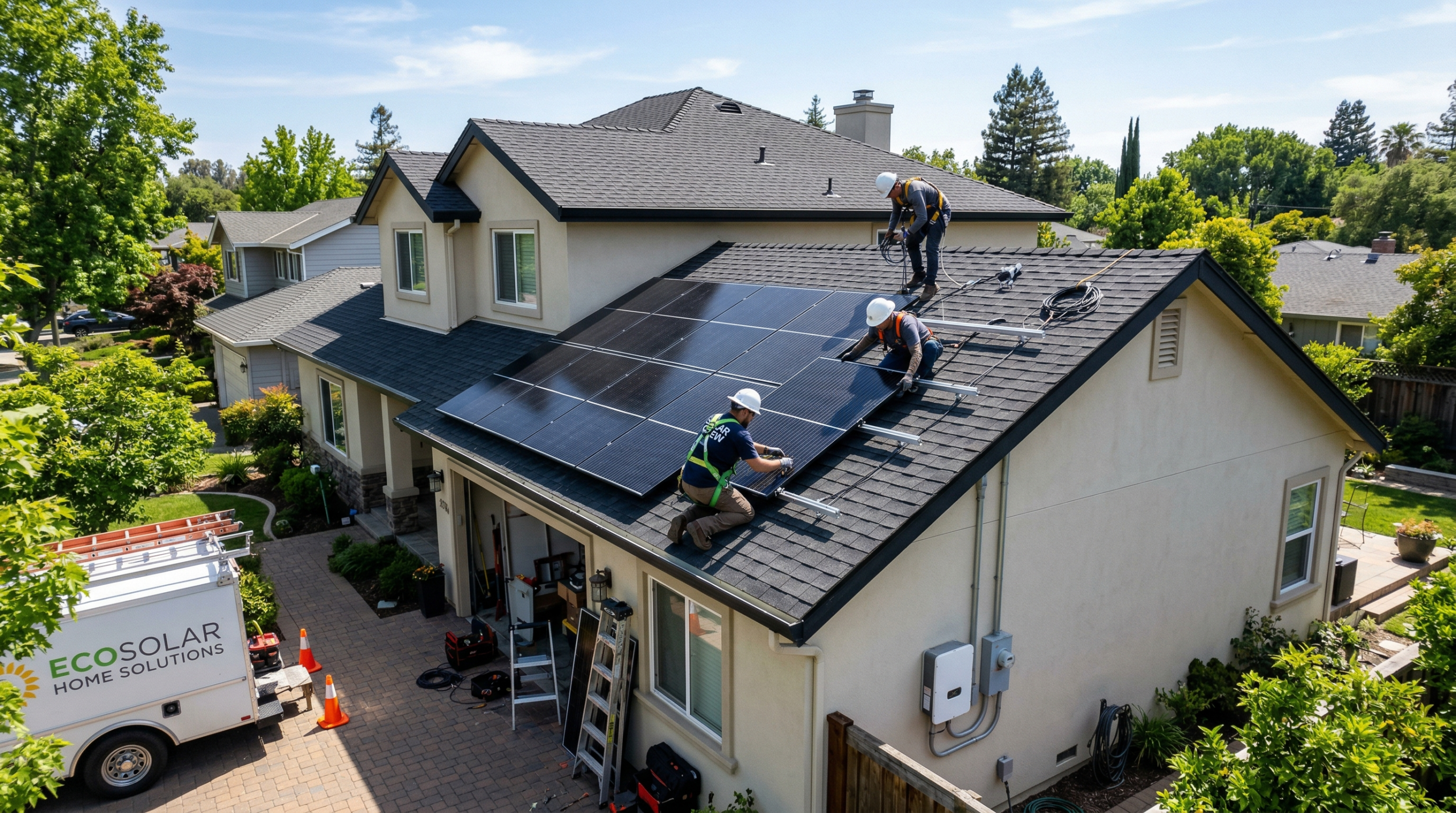
Solar panel installation can be a practical long-term upgrade when it’s planned carefully. For many homeowners, the appeal is easy to understand: lower electricity bills, more predictable energy costs, and a home that relies less on the grid for daytime power. In 2026, the smartest approach isn’t rushing into a system because solar sounds appealing. It’s understanding your roof, your electricity use, your financing options, and the current incentive landscape before you sign a contract. The better the planning, the better the results.
Start With Your Home’s Energy Use Before You Size a System
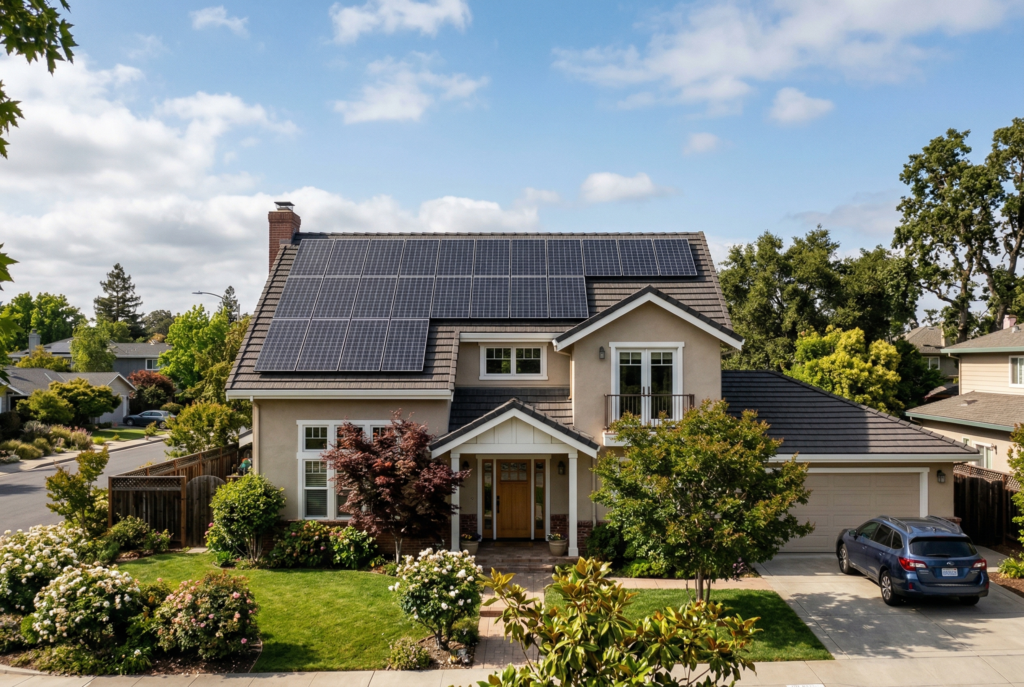
Before choosing panels or comparing installers, look closely at how much electricity your home actually uses. The U.S. Department of Energy recommends starting with your existing energy use, considering energy efficiency improvements first, and then estimating your solar electricity needs. DOE also notes that making the home more energy efficient before adding renewable energy can save money on electricity bills and may reduce the size of the solar system you need.
That matters because solar works best when it’s matched to real demand. If your air sealing is poor, your insulation needs work, or older appliances are driving up usage, fixing those issues first can make your solar investment more effective. A smaller, better-matched system is often a smarter purchase than oversizing a system to compensate for avoidable waste.
Check Roof Condition, Sun Exposure, and Shading Early
Not every roof is equally suited for solar. DOE says your rooftop potential depends on factors such as roof condition, geographic location, orientation to the sun, shade, and the PV system you choose. ENERGY STAR also notes that roof direction, pitch, and shading from trees or nearby buildings can affect how much electricity your system produces.
This is why roof age matters so much in 2026. If your roof may need replacement in the near future, it’s usually wiser to address that before installation rather than paying to remove and reinstall panels later. A strong solar proposal should include a site assessment that looks at structural condition, usable roof area, shading patterns, and likely production, not just a rough estimate based on your address.
Understand What the Installation Process Actually Looks Like
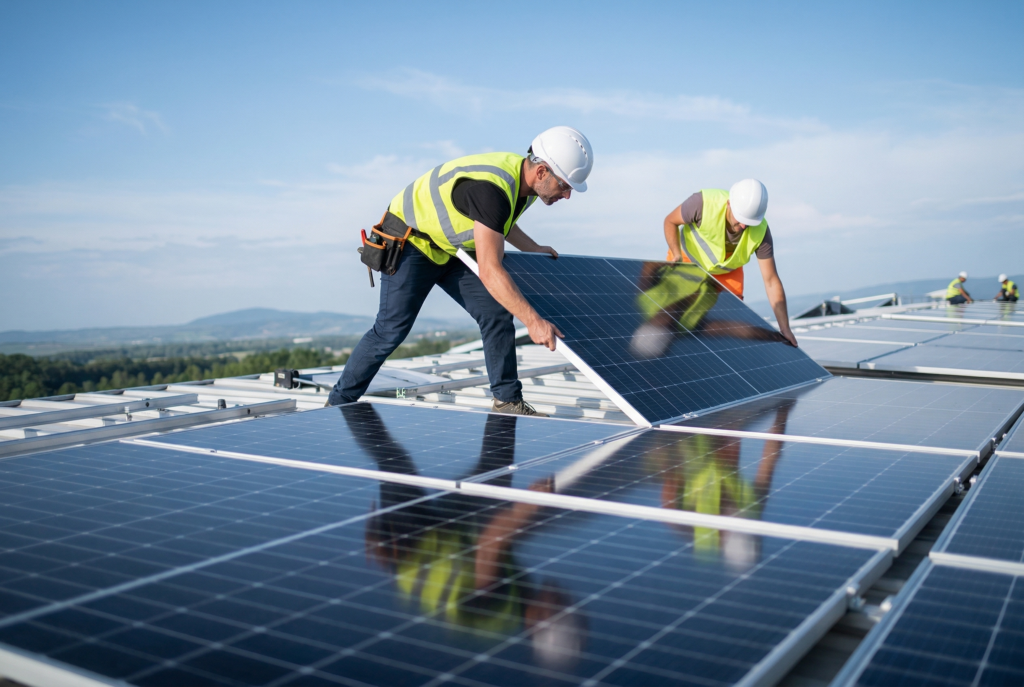
Home solar installation is more than putting panels on a roof. DOE describes the process as investigating energy efficiency, assessing solar potential and limitations, estimating electricity needs, obtaining bids and site assessments, understanding financing and incentives, and then working with your installer and utility to install the system and set up agreements. DOE also notes that permitting, inspection, and utility approval must happen before a rooftop array can interconnect to the grid and start producing electricity.
For homeowners, that means the project timeline depends on more than labor availability. Permits, inspections, utility paperwork, and interconnection approval all affect how quickly the system can go live. A reputable installer should be able to explain who handles each step, how long approvals usually take in your area, and what happens if the utility requires changes before final connection.
Compare Multiple Bids and Ask Better Questions
DOE advises homeowners to obtain bids and site assessments from contractors rather than relying on a single estimate. ENERGY STAR similarly recommends using buying guidance to understand your options and ask the right questions before deciding whether rooftop solar is right for you.
In practice, that means comparing more than price. Ask each installer about estimated annual production, equipment brand and efficiency, inverter type, workmanship warranty, panel warranty, monitoring tools, roof penetration details, expected degradation, and what assumptions were used in the savings estimate. If one quote looks much cheaper, make sure you know whether the difference comes from equipment quality, warranty length, production assumptions, or financing terms. A lower sticker price doesn’t always mean better long-term value.
Know Your Financing Options Before You Commit
DOE states that purchasing a solar energy system with cash or a loan is generally the best option when you want to maximize financial benefits, take advantage of tax credits, and increase your home’s value, assuming other options such as a solarize program aren’t a better fit.
NREL also provides homeowner guidance focused on financing grid-connected solar systems. Not every household needs to pay in cash, but it’s important to clearly understand the tradeoffs involved. Loans may spread out upfront cost, but interest and fees affect the real savings picture. Leases and power purchase agreements may lower upfront expenses, but they can also change who receives tax benefits and how much long-term savings you keep.
In 2026, the smartest financing choice is the one that still looks good after you review total project cost, monthly payment, expected production, utility bill reduction, and how long you plan to stay in the home.
Be Careful With Savings Claims in 2026

DOE emphasizes that calculating an average amount of savings from going solar is nearly impossible because every household differs in electricity use, home size, location, and utility structure. DOE also explains that payback depends on factors including electricity needs and where you buy power.
That’s an important reminder when sales materials make solar sound universally simple. Your savings depend on your rate plan, local sunlight, roof characteristics, system size, financing terms, and utility rules for exporting excess power. DOE says most states allow net metering arrangements for grid-connected renewable systems, but those arrangements are still tied to local utility and regulatory structures.
Understand the 2026 Federal Tax Credit Situation
This is one of the biggest items homeowners should verify before signing anything in 2026. As of March 2026, the IRS page for the Residential Clean Energy Credit says the credit equals 30% of qualified costs for eligible property installed from 2022 through December 31, 2025, and says the credit isn’t available for property placed in service after December 31, 2025. ENERGY STAR’s tax credit pages reflect the same 2025 end date.
You may still see older guidance or publications reflecting previous phase-down timelines, so it’s worth checking current IRS guidance directly rather than relying on outdated marketing language. In other words, if you’re installing in 2026, don’t assume a federal residential solar tax credit is still available just because a sales pitch says so. You should also check state, local, and utility incentives separately, since those can still make a meaningful difference and vary widely by location.
Decide Whether Battery Storage Belongs in Your Plan
Not every solar installation needs a battery, but in some situations it can make the system much more useful. A battery may matter more if your utility’s export compensation is weak, if outages are a concern, or if you want to use more of your own solar power in the evening rather than sending excess generation back to the grid. DOE’s residential clean energy resources include battery storage among the technologies tied to home energy tax guidance and planning considerations.
The practical question is whether storage improves your real-life resilience or economics enough to justify the added cost. For some households, rooftop solar without a battery is still the right move. For others, especially in outage-prone areas, storage may be worth serious consideration. The decision should come from your utility rules, your goals, and your budget, not from a one-size-fits-all package.
Think Beyond Installation Day
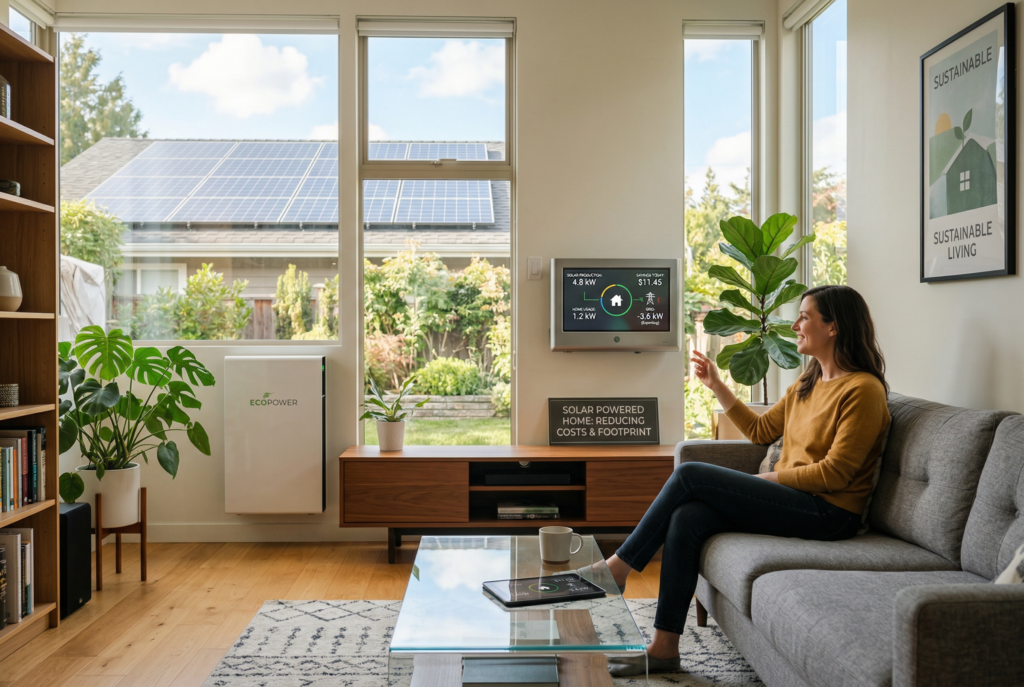
A good solar system should keep working quietly in the background for years, which is why warranty terms and monitoring tools matter. You want to know what’s covered if production drops, if roof work is needed, or if an inverter fails.
You also want a monitoring platform that helps you catch performance issues early rather than discovering months later that the system hasn’t been producing as expected. DOE’s consumer solar resources are built around helping homeowners evaluate these decisions and understand how solar affects long-term home value and planning.
A smart 2026 installation plan should leave you with more than panels on the roof. It should leave you with a system you understand, paperwork you can reference, realistic savings expectations, and a clear point of contact for service questions after the project is complete.
Conclusion
Solar panel installation in 2026 can still be a smart way to power your home and reduce energy costs, but only when the decision is grounded in careful planning. Start with your real electricity use, improve energy efficiency first, assess roof condition and shade, compare multiple bids, understand financing clearly, and verify current incentives before you sign.
The best solar projects aren’t driven by hype. They’re driven by fit. When the system matches your home, your utility setup, and your long-term goals, solar can become a practical upgrade that lowers stress around rising energy costs and makes your home more efficient for years to come.
Related Articles
- 10 Smart Ways to Reduce Energy Waste at Home and Lower Your Electricity Bills Every Month
- Energy Efficient Home Design Ideas to Reduce Energy Costs and Create a Smarter More Sustainable Home
- Why Geothermal Energy Is a No-Brainer for Homeowners Seeking Efficient, Low-Cost, and Sustainable Heating Solutions