Water conservation is becoming more important in today’s world, where we’re increasingly aware of our environmental impact and rising utility costs. One effective way to reduce your water consumption and lower your utility bills is through water-saving upgrades in your home. These upgrades not only help you save money but also contribute to a more sustainable lifestyle. In this article, we’ll discuss the best water-saving home upgrades and how they can reduce consumption, improve your household’s efficiency, and make your home more eco-friendly.
1. Install Low-Flow Fixtures for Efficient Water Use
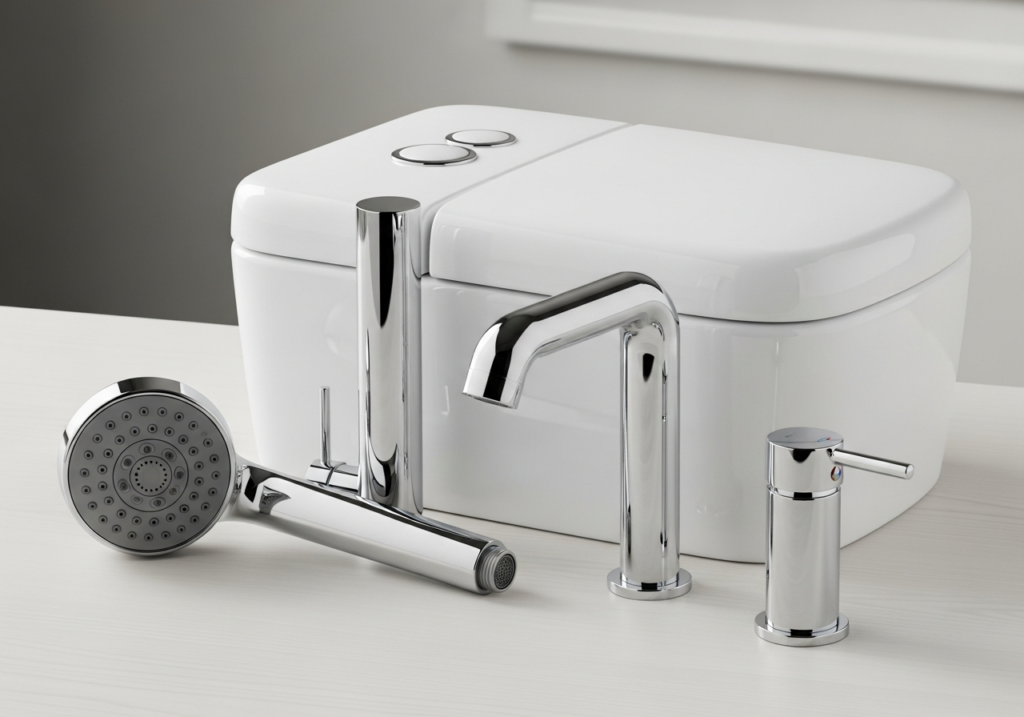
One of the easiest and most cost-effective ways to reduce water consumption in your home is by upgrading to low-flow fixtures. These fixtures are designed to use less water while still maintaining good water pressure.
Types of Low-Flow Fixtures to Consider
- Low-flow showerheads: These can reduce water usage by up to 50% without compromising your shower experience. Modern designs focus on water efficiency and still provide a satisfying flow.
- Low-flow faucets: Replacing your bathroom and kitchen faucets with low-flow models can save hundreds of gallons of water per year.
- Dual-flush toilets: These toilets offer two options for flushing: a smaller flush for liquid waste and a larger one for solid waste, cutting down on unnecessary water usage.
By installing these simple upgrades, you can drastically reduce the amount of water your household uses each day, which directly translates into lower water bills and a smaller environmental footprint.
2. Consider Rainwater Harvesting Systems for Outdoor Use
If you have a garden, lawn, or landscaping, you can save a substantial amount of water by installing a rainwater harvesting system. This system collects rainwater from your roof and channels it into storage containers or barrels. The harvested rainwater can then be used for outdoor purposes like irrigation, watering plants, or washing your car.
By utilizing rainwater for your outdoor activities, you can reduce the amount of municipal water used for your lawn and garden. This method not only saves you money but also conserves an essential resource. Rainwater is free, and it’s a sustainable way to meet some of your outdoor water needs.
3. Fix Leaks and Install Smart Water Meters
Sometimes, water waste happens without us even realizing it. A leaky faucet or an unnoticed pipe leak can waste gallons of water each day, adding up to higher water bills. By fixing leaks promptly, you can prevent unnecessary water waste and lower your consumption.
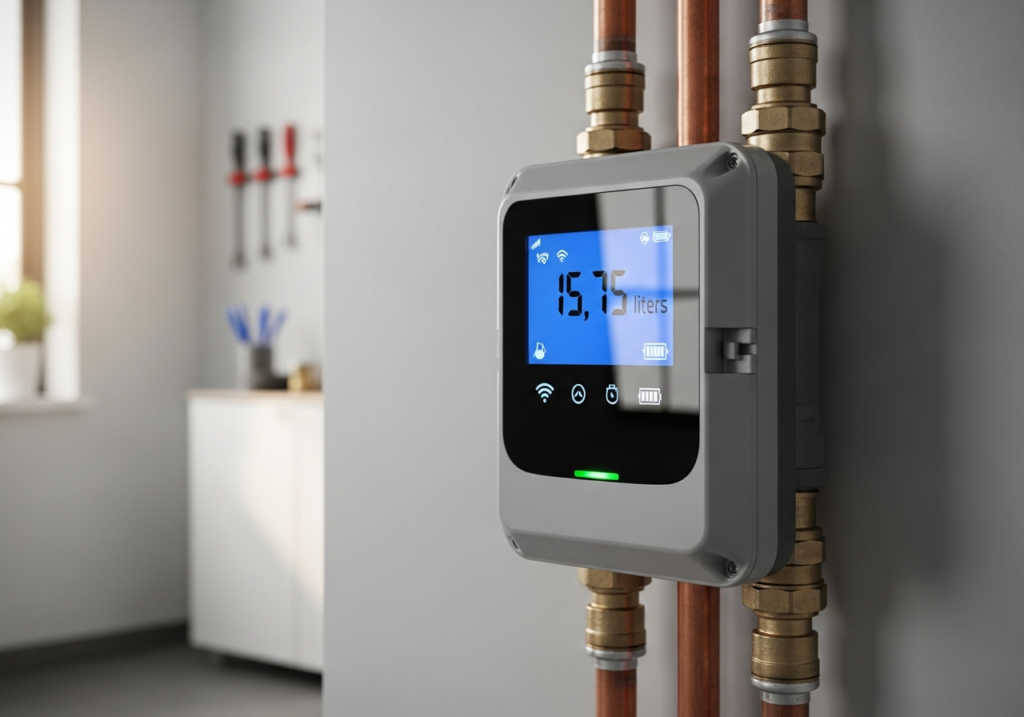
Another effective upgrade is installing a smart water metering system. These systems monitor your water usage in real-time, giving you insights into how much water your household consumes and where you can reduce waste. Some smart water meters can even detect leaks and send notifications if a potential issue arises, helping you catch problems before they lead to bigger water losses.
By keeping track of your water consumption and fixing leaks as soon as they occur, you can greatly reduce your overall water usage.
4. Upgrade to Water-Efficient Appliances
Replacing old appliances with energy-efficient and water-saving models can help you significantly reduce your household water consumption. Today’s Energy Star-rated appliances use much less water than older models, while still providing the same performance.
Water-Efficient Appliances to Consider
- Dishwashers: Modern dishwashers use much less water than washing dishes by hand. Look for Energy Star-rated models for maximum efficiency.
- Washing machines: Front-loading washing machines use less water and energy compared to top-loaders. They also provide better cleaning performance and are gentler on clothes.
- Water-efficient hot water heaters: Consider upgrading to a tankless water heater, which heats water on demand, eliminating the need to store hot water and reducing energy waste.
Investing in water-efficient appliances not only reduces water consumption but also helps lower your energy bills over time, making it a great choice for long-term savings.
5. Xeriscaping: A Low-Water Landscaping Option
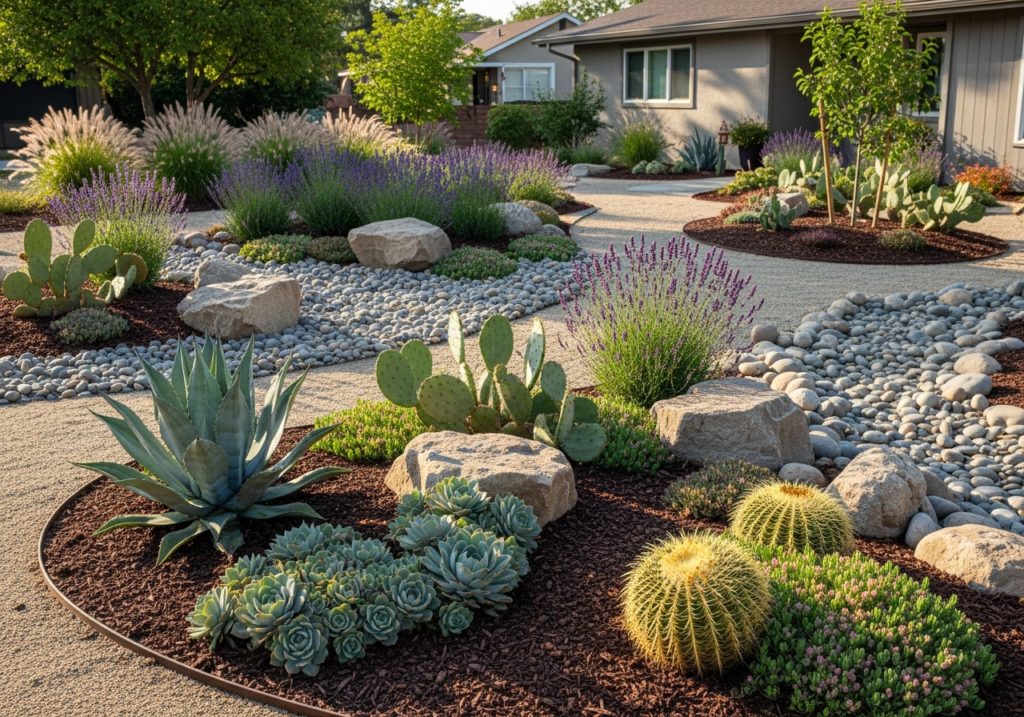
If you’re looking for a way to reduce water consumption in your garden or lawn, xeriscaping is an ideal solution. Xeriscaping is a landscaping technique that uses drought-tolerant plants and other water-saving practices to create a low-maintenance, beautiful outdoor space.
By choosing native plants that thrive with minimal water, you can create a lush, attractive landscape without the need for daily watering. Incorporating other xeriscaping techniques like mulching and using efficient irrigation systems further reduces water consumption and ensures your landscape remains sustainable.
6. Use Efficient Irrigation Systems for Your Garden
Traditional sprinkler systems can waste a lot of water, especially if they aren’t properly maintained or used efficiently. If you have a garden, consider upgrading to a drip irrigation system, which delivers water directly to the base of plants, reducing water waste through evaporation and runoff.
Additionally, installing smart irrigation controllers can help you water your garden more efficiently. These systems adjust watering schedules based on weather conditions, ensuring your garden is watered only when needed, and preventing overwatering during rainy periods.
With these upgrades, you can reduce your outdoor water usage and keep your garden healthy without using excessive amounts of water.
7. Install a Hot Water Recirculation System
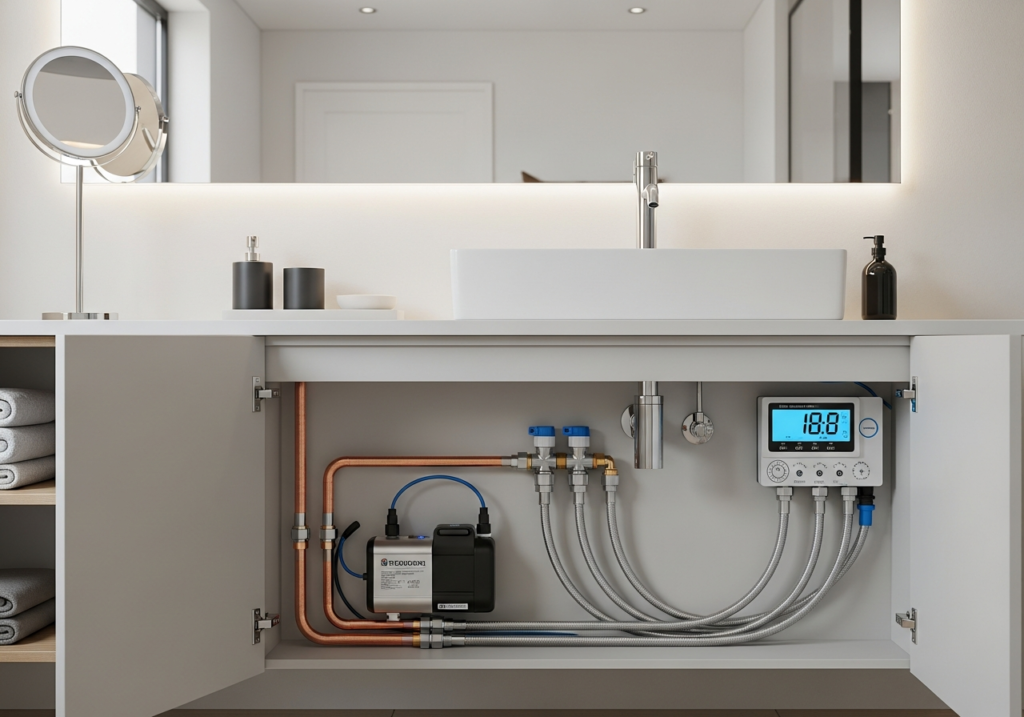
A hot water recirculation system is another upgrade that can help save both water and energy. This system ensures that you have hot water available as soon as you turn on the tap, eliminating the need to wait for the water to warm up. In turn, this reduces the amount of water that is wasted while you wait.
By installing a hot water recirculation system, you can save water and improve efficiency in your home, especially in bathrooms and kitchens where you use hot water regularly.
8. Regularly Maintain Your Water-Saving Systems
To keep your water-saving upgrades working efficiently, it’s important to maintain them regularly. Whether it’s cleaning out your rainwater collection system, checking your irrigation setup, or maintaining your low-flow fixtures, regular upkeep helps ensure that your systems are functioning optimally.
Additionally, checking for leaks or signs of wear in appliances and pipes will prevent water loss and help your upgrades last longer. Establishing a routine maintenance schedule will help you get the most out of your water-saving investments.
Conclusion: A Sustainable, Water-Efficient Home
Implementing water-saving upgrades is a simple yet effective way to reduce your water consumption, lower your utility bills, and create a more sustainable household. From installing low-flow fixtures and upgrading to water-efficient appliances to implementing rainwater harvesting and xeriscaping, there are plenty of ways to make your home more water-efficient.
Not only will these upgrades help save you money in the long run, but they will also contribute to environmental sustainability. Start with small changes and gradually implement these solutions for a more water-efficient and eco-friendly home.