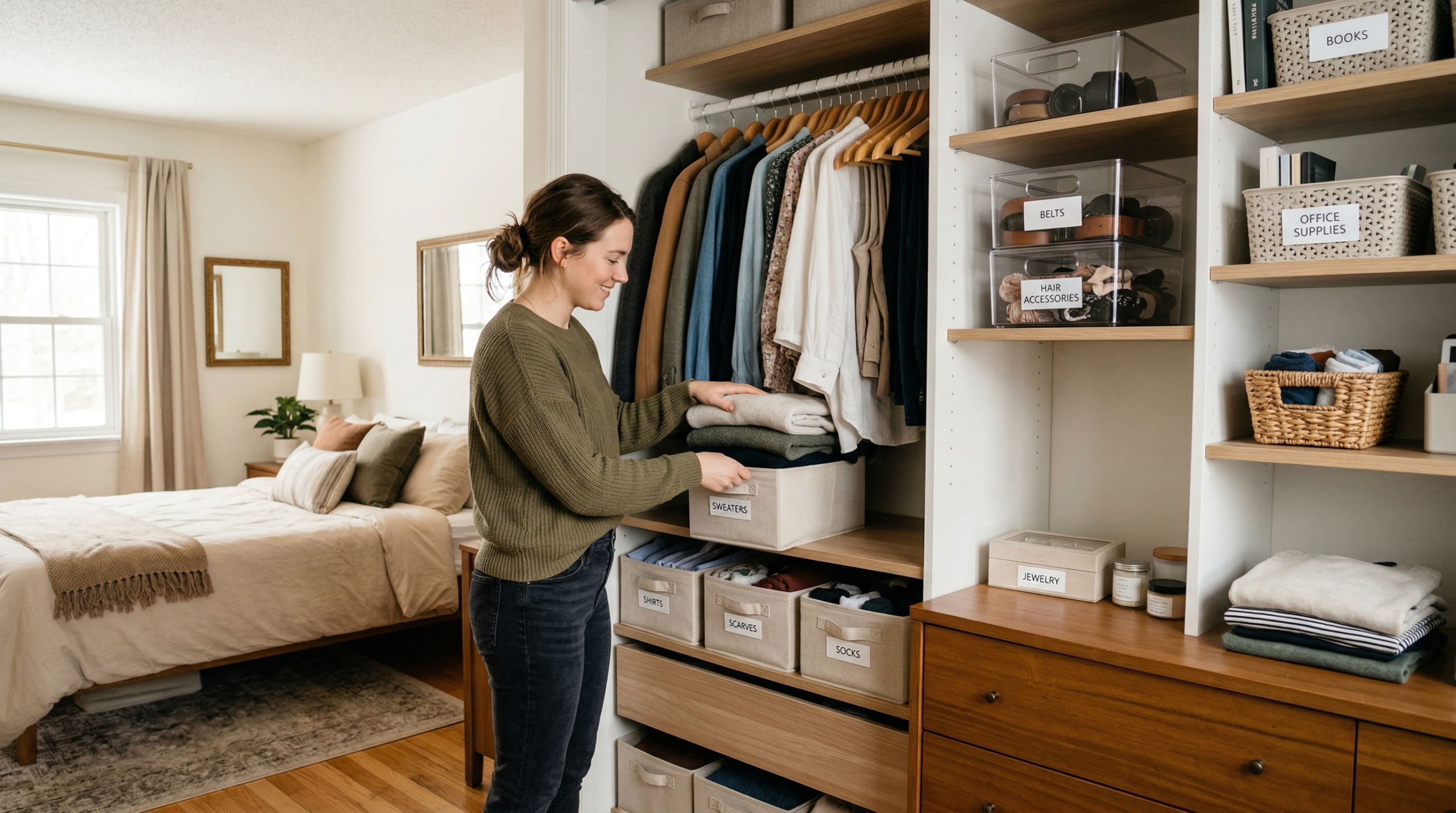
The way items are stored can shape how a home feels just as much as the items themselves. Even a clean room can feel frustrating if everyday things are hard to reach, packed into the wrong places, or constantly drifting back onto visible surfaces. Good storage isn’t only about fitting more into a space. It’s about making daily life smoother, reducing clutter before it builds, and creating a home that feels easier to use and maintain from one day to the next.
Why Smart Storage Matters in Everyday Life
Storage works best when it supports routine instead of fighting it. If shoes pile up by the door, kitchen counters stay crowded, or the bedroom chair keeps collecting clothes, the issue usually isn’t a lack of effort. More often, it’s a sign that the current storage setup doesn’t match how the space is actually used.
For many households in the United States, rooms have to serve multiple purposes at once. A dining area may double as a workspace. A living room may hold family essentials, electronics, and extra blankets. A bedroom may need to absorb overflow from a small closet. That’s why smart storage matters so much. When items are stored in ways that feel natural and accessible, the home stays calmer and daily tasks take less energy.
1. Store Items Where You Actually Use Them
One of the most effective storage principles is also one of the simplest. Keep items as close as possible to where they’re used. When storage is convenient, people are much more likely to put things away properly instead of leaving them out.
Kitchen prep tools should live near the area where meals are prepared. Cleaning supplies should be easy to reach in the rooms where they’re needed most. Daily skincare should be stored where the routine actually happens, not in an overstuffed backup drawer across the house. This kind of location-based storage makes the home feel easier to use because it reduces extra steps and keeps routines flowing more naturally.
2. Use Storage to Support Daily Habits, Not Ideal Habits
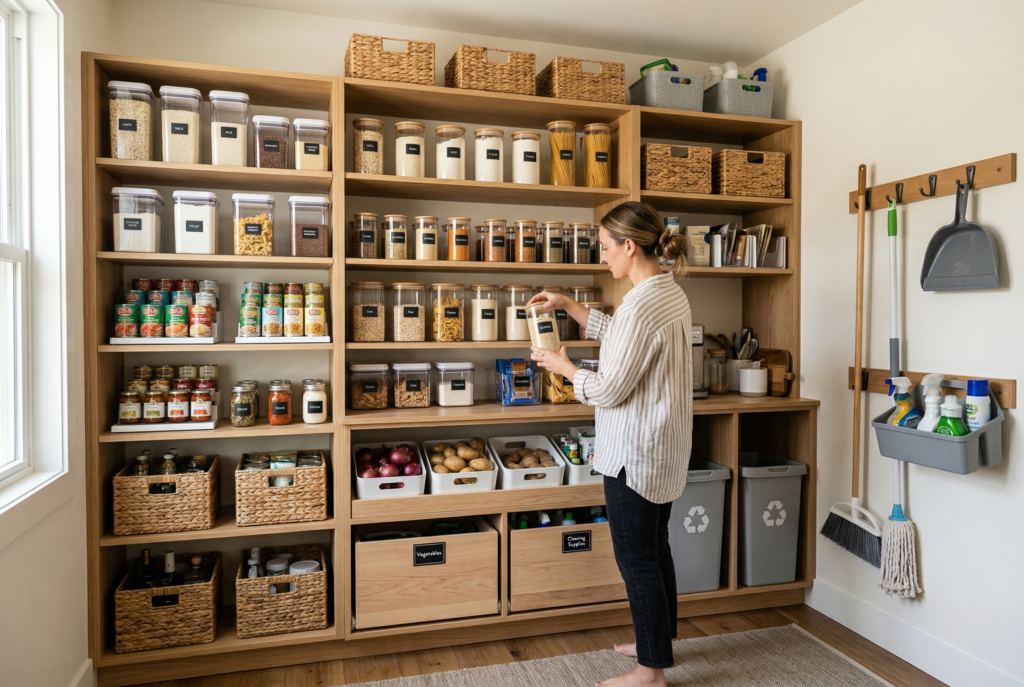
A lot of storage systems fail because they’re built around how someone wishes they lived rather than how they actually live. If bags always get dropped by the entryway, that area needs a better storage solution. If mail always lands on the kitchen counter, that’s where a paper sorter may belong.
This approach matters because good organization should fit real behavior. A home becomes easier to maintain when storage supports the habits that are already happening. Instead of trying to force a system that looks tidy but never lasts, it works better to notice patterns and build around them. Practical storage almost always outperforms aspirational storage.
3. Keep Everyday Essentials Easy to Reach
Not everything should be stored the same way. Items used every day should be the easiest to access, while occasional or seasonal items can be stored in less convenient spots. When frequently used items are buried behind things you rarely touch, the entire system becomes harder to maintain.
Think of storage in layers. The most accessible drawers, shelves, and baskets should hold the items that support everyday life. Extra guest linens, holiday decorations, and backup supplies can go higher up, farther back, or in hidden storage areas. This simple adjustment makes a room feel more functional because you aren’t constantly moving unnecessary things just to reach what you need.
4. Contain Small Categories Before They Spread
Small items create a surprising amount of visual and physical clutter. Chargers, batteries, hair ties, cleaning tablets, spice packets, office supplies, and similar categories tend to scatter quickly if they don’t have a defined home. Once that happens, drawers and counters start feeling chaotic.
Using containers, trays, drawer dividers, or small bins can help keep these categories under control. The container doesn’t need to be fancy. It just needs to create a clear boundary. When smaller items are grouped and contained, they become easier to find and much easier to put away. This kind of structure helps keep surfaces and storage zones from becoming messy again too quickly.
5. Let Vertical Space Work Harder
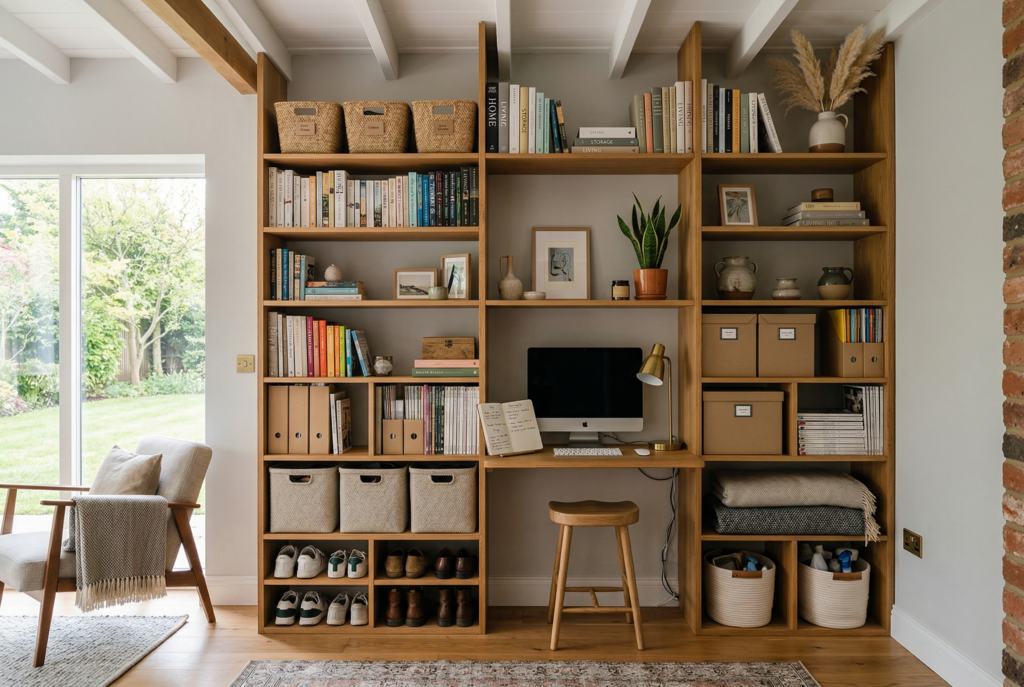
Many homes have more usable wall space than people realize. When floor space is limited, vertical storage can help create function without making rooms feel overly crowded. The key is to use it in a way that feels intentional rather than overwhelming.
Hooks, narrow shelving, over-the-door organizers, and wall-mounted racks can all help store frequently used items while freeing up counters, drawers, and floors. In kitchens, this may mean a rail for utensils or towels.
In bathrooms, it could be shelving above the toilet. In entryways, it often means hooks for coats and bags. Vertical storage works best when it solves a real need and still leaves enough visual breathing room for the space to feel calm.
6. Use Hidden Storage to Reduce Visual Clutter
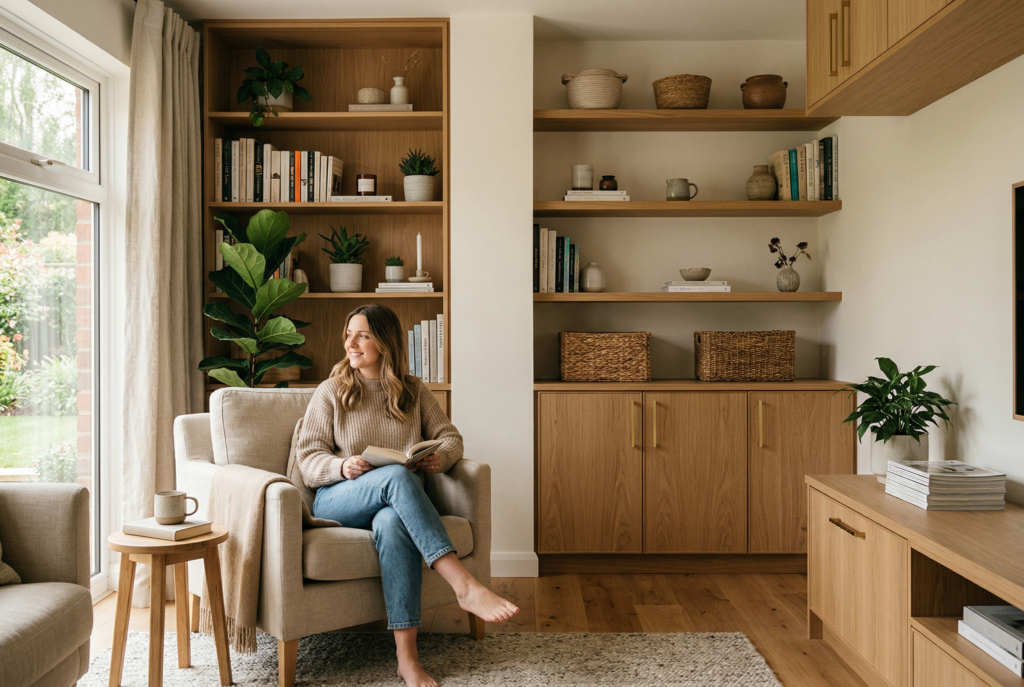
Open storage can be useful, but not everything needs to stay visible. Hidden storage often makes a room feel easier to maintain because it keeps necessary items close by without adding to visual noise. This is especially helpful in smaller homes or multi-use rooms where clutter becomes noticeable quickly.
Storage benches, ottomans, beds with drawers, closed cabinets, and under-bed bins can all help absorb the categories that would otherwise end up out in the open. Extra blankets, toys, electronics, seasonal accessories, and overflow household items often fit well in hidden storage. When less is left on display, the whole space tends to feel more peaceful and manageable.
7. Don’t Overfill Storage Areas
It’s tempting to use every inch of a drawer, cabinet, or shelf, especially in a home where space feels limited. But packed storage is usually harder to maintain than slightly underfilled storage. When shelves are crammed and drawers barely close, it becomes difficult to put things back neatly or even see what’s there.
Leaving some room inside your storage areas helps in several ways. It makes items easier to access, reduces wear on the things you’re storing, and creates flexibility when something new comes in. More importantly, it helps the system last. A storage area with a little breathing room is much easier to keep tidy than one that’s always at capacity.
8. Group Similar Items Together
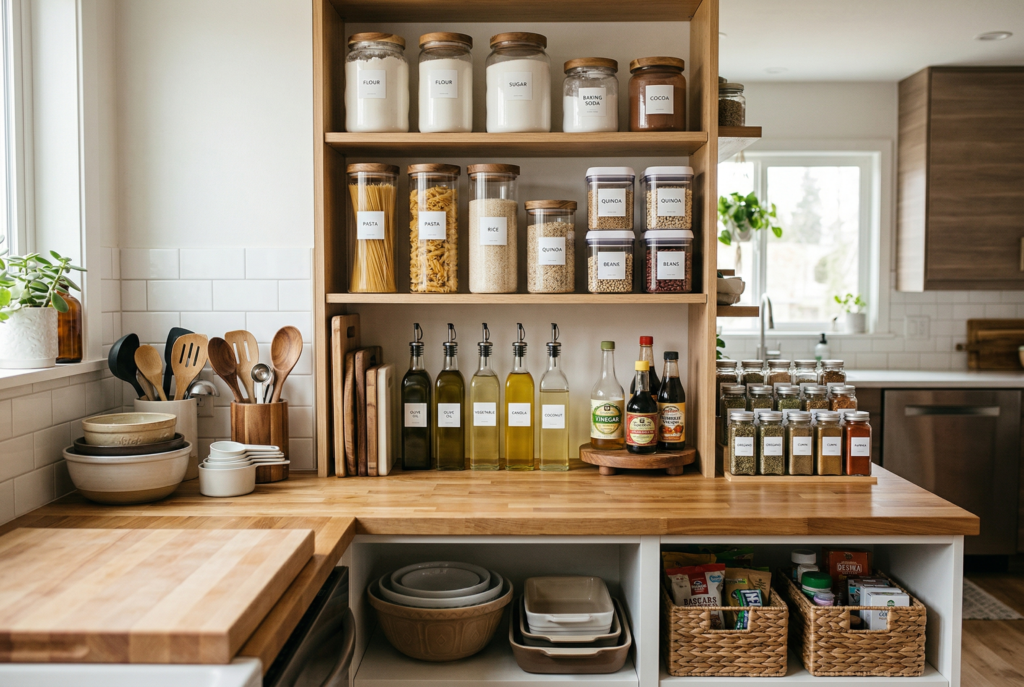
Scattered categories create daily frustration. If batteries are in one drawer, flashlights in a closet, and chargers spread across multiple rooms, simple tasks suddenly take longer than they should. Storing like with like makes the home easier to use because it reduces searching, second-guessing, and duplicate buying.
This applies across the house. Kitchen baking tools should live together. Pet items should have one main storage zone. Office supplies should be grouped instead of drifting into random drawers. Bathroom extras should stay with bathroom extras. Grouping similar items doesn’t just make storage look better. It helps the home function more clearly and cuts down on the small irritations that build up over time.
9. Label When It Helps, Not Just for Appearance
Labels can be useful, but only when they add real clarity. In shared spaces, kids’ rooms, pantries, storage closets, and utility areas, labels often help people return things to the right place without needing to guess. That can make a system much easier to maintain.
The goal is to reduce friction, rather than labeling everything purely for aesthetics. A few clear labels on bins or shelves can keep storage from becoming confusing, especially in households with multiple people using the same zones. When labels support a simple system, they help maintain order without requiring constant explanation.
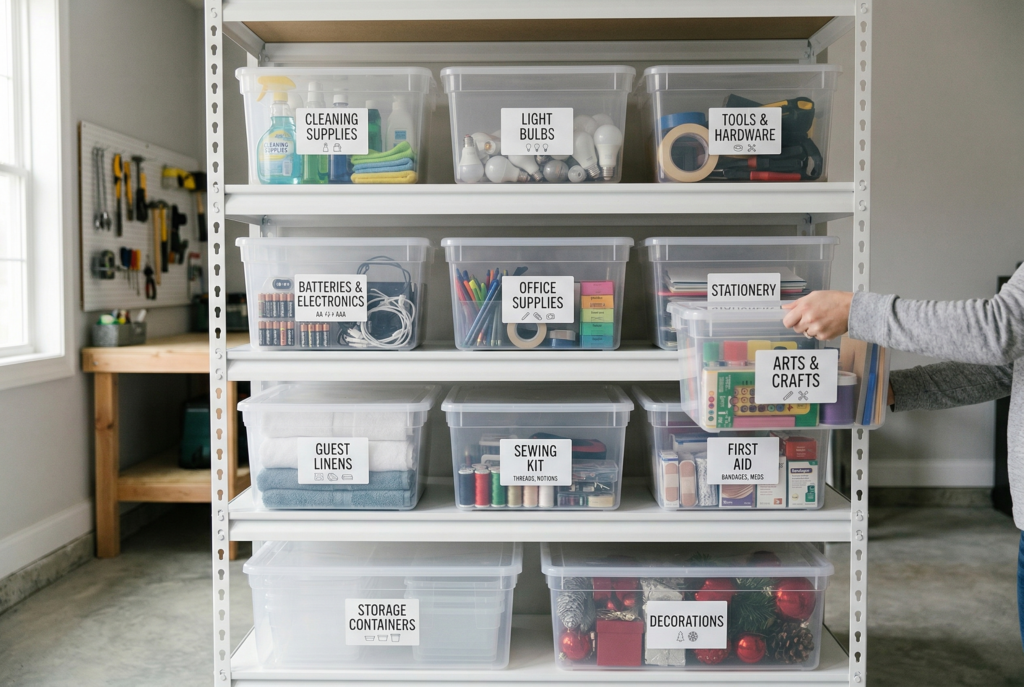
10. Revisit Storage Systems Before They Stop Working
Even smart storage needs occasional adjustment. Routines change, families grow, seasons shift, and categories expand. A storage system that worked well six months ago may feel awkward now, not because it was bad, but because life moved on.
That’s why it helps to check in with problem areas before they become frustrating again. If the entryway is collecting too much, the drop zone may need to be simplified. If the bathroom drawer no longer closes, it may be time to remove expired or unused items. If the kitchen counter keeps attracting clutter, the storage underneath may need to be rethought. A good system isn’t rigid. It evolves with the home.
Why Better Storage Makes a Home Feel Calmer
When storage works well, the benefits go beyond appearance. Daily tasks become smoother. Cleaning takes less time because surfaces aren’t crowded. People are less likely to leave things out because putting them away feels simple. Rooms feel more open because the necessary items are stored with more intention.
That sense of ease matters. A home doesn’t need to be perfect to feel good, but it does need to feel usable. Smarter storage creates that feeling by reducing friction in the background of everyday life. It makes the home more supportive, which often makes routines feel calmer too.
Conclusion
Smart ways to store items can make your space feel easier to use and maintain every day by matching storage to routine, keeping everyday essentials accessible, containing smaller categories, reducing visual clutter, and avoiding overcrowded systems. The best storage ideas go beyond simply maximizing space, they make the room work more effectively.
When storage reflects real habits and real needs, the whole home becomes simpler to manage. Over time, those practical choices can make daily life feel more organized, less stressful, and much more comfortable in the spaces you use most.