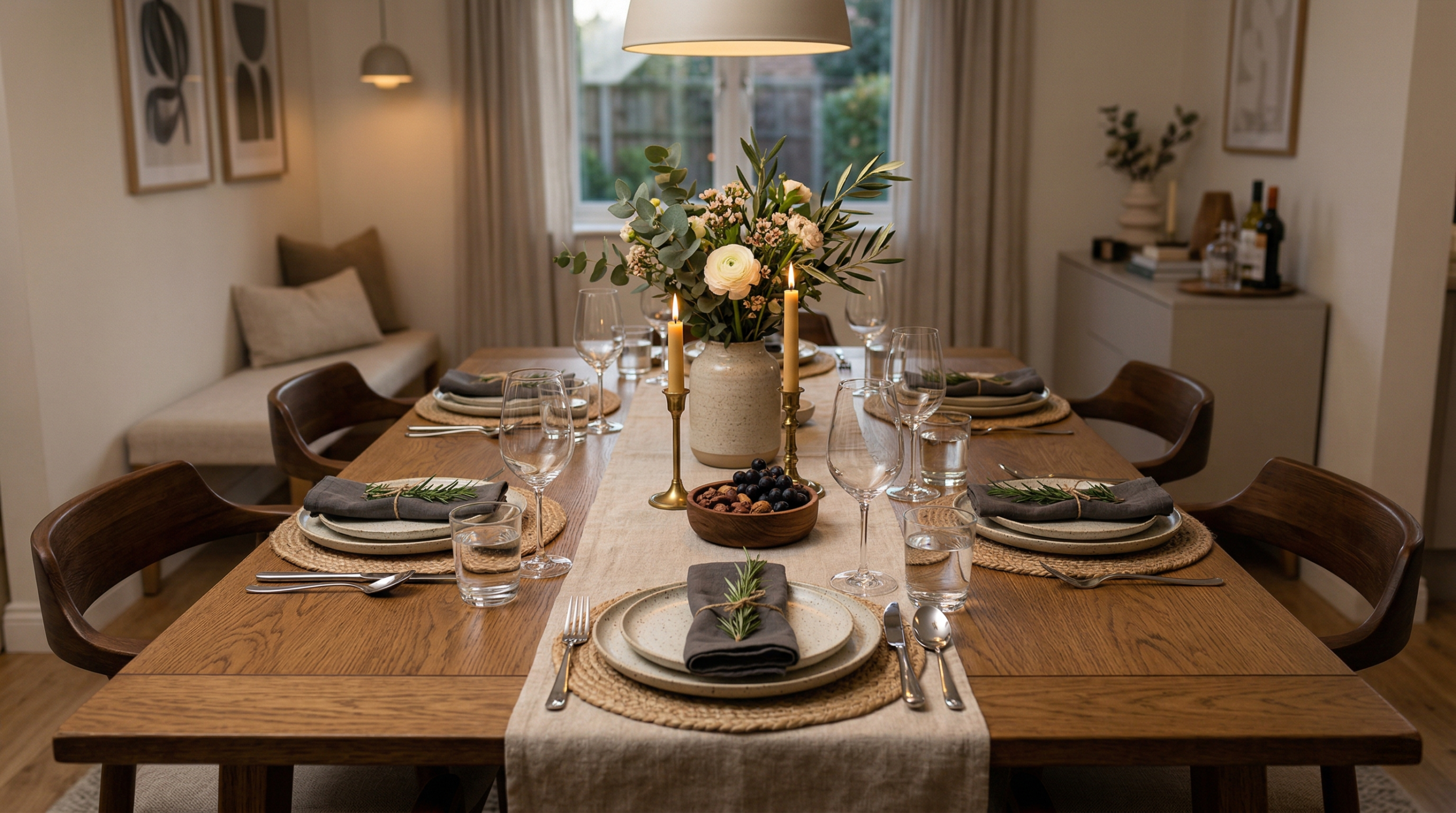
A dining table can shape much more than where people eat. It often becomes the place where mornings begin, weeknight dinners happen, homework gets finished, guests gather, and everyday life unfolds in between. That’s why the right dining table idea can change the feel and function of an entire home. Whether the space is large, compact, formal, or flexible, a well-chosen dining setup can make meals feel more inviting, gatherings feel easier, and daily routines feel more supported.
Why the Right Dining Table Matters in Everyday Life
A dining table is one of the hardest-working pieces of furniture in many homes. For some households, it’s the center of family meals. For others, it also serves as a workspace, a crafting station, or a catch-up zone for bills and schedules.
Because it plays so many roles, the table should do more than fill empty floor space. It should match the way the room is actually used. For many households in the United States, homes now need to support flexibility as much as style.
That means furniture has to balance comfort, durability, and function. A dining table that fits the room well and supports everyday habits can make the whole area feel more useful, more welcoming, and easier to enjoy on a regular basis.
1. Choose a Round Dining Table for Better Flow in Smaller Spaces
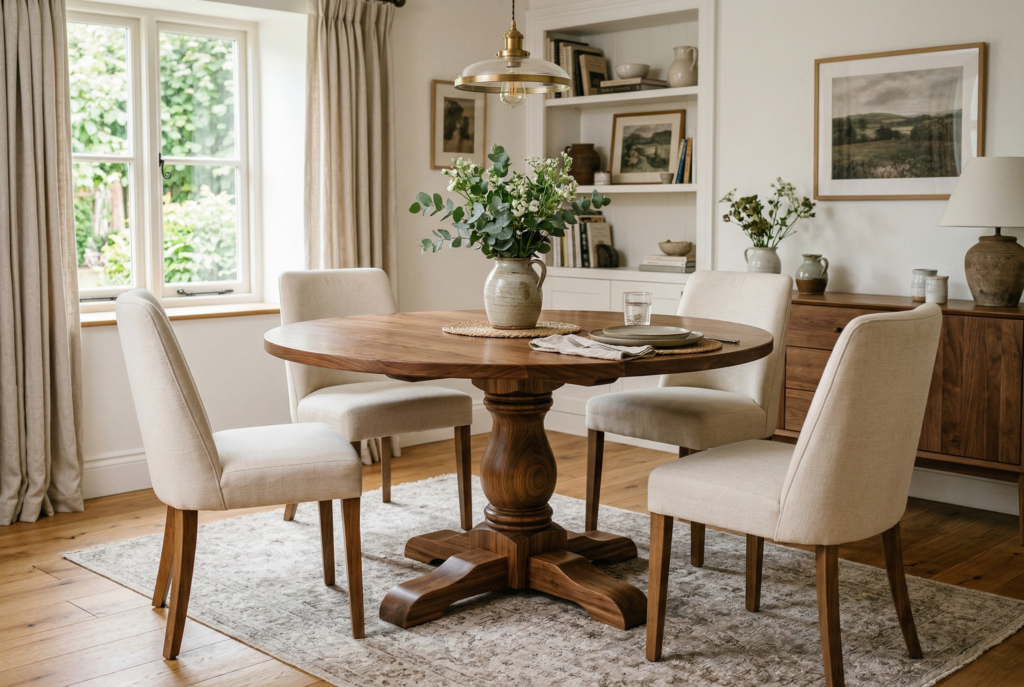
A round dining table is one of the smartest choices for smaller dining areas, breakfast nooks, or open-plan homes where circulation matters. Without sharp corners, it creates a softer visual effect and often makes it easier to move around the room. That alone can make the space feel less cramped.
Round tables also encourage conversation because everyone faces one another more naturally. For households that use the dining table for relaxed meals, coffee breaks, or casual gatherings, that shape tends to feel warm and inviting. In tighter spaces, it can make everyday use feel easier without sacrificing style.
2. Use an Extendable Table for Everyday Flexibility
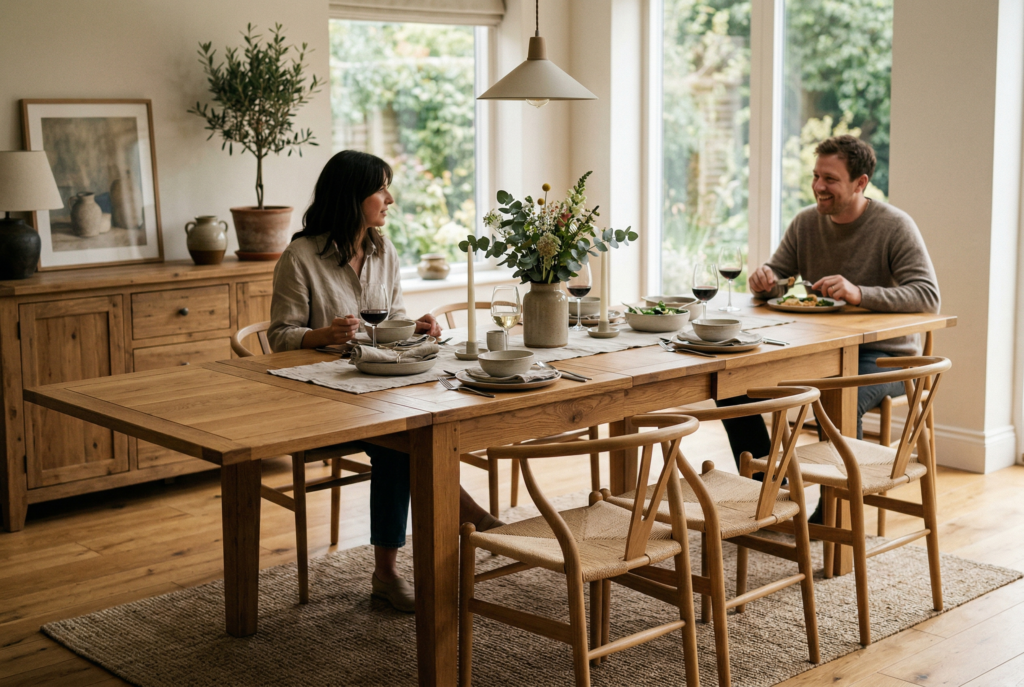
An extendable dining table works especially well for people who don’t want a large table taking over the room all the time but still want the option to host guests comfortably. This kind of design allows the table to stay compact for daily use and expand when needed for holidays, birthdays, or extra company.
That flexibility makes it one of the most practical dining table ideas for modern homes. It supports normal routines without wasting space, then adapts when the household needs more room. For families who entertain occasionally or want a dining room that can shift with different seasons of life, this option offers long-term value.
3. Add a Bench to Make Seating More Flexible
One simple way to elevate a dining area is to rethink the seating. Replacing some chairs with a bench can create a more relaxed, versatile setup while often saving space. Benches tuck neatly under the table, which helps the room feel less crowded when they aren’t in use.
This works especially well for family homes, casual dining spaces, or rooms that need a slightly more flexible feel. A bench can seat multiple people without the visual bulk of extra chairs, and it often makes the room feel more approachable. Paired with comfortable chairs on the opposite side, it creates a balanced look that feels both functional and welcoming.
4. Try a Pedestal Table for Easier Seating and Movement
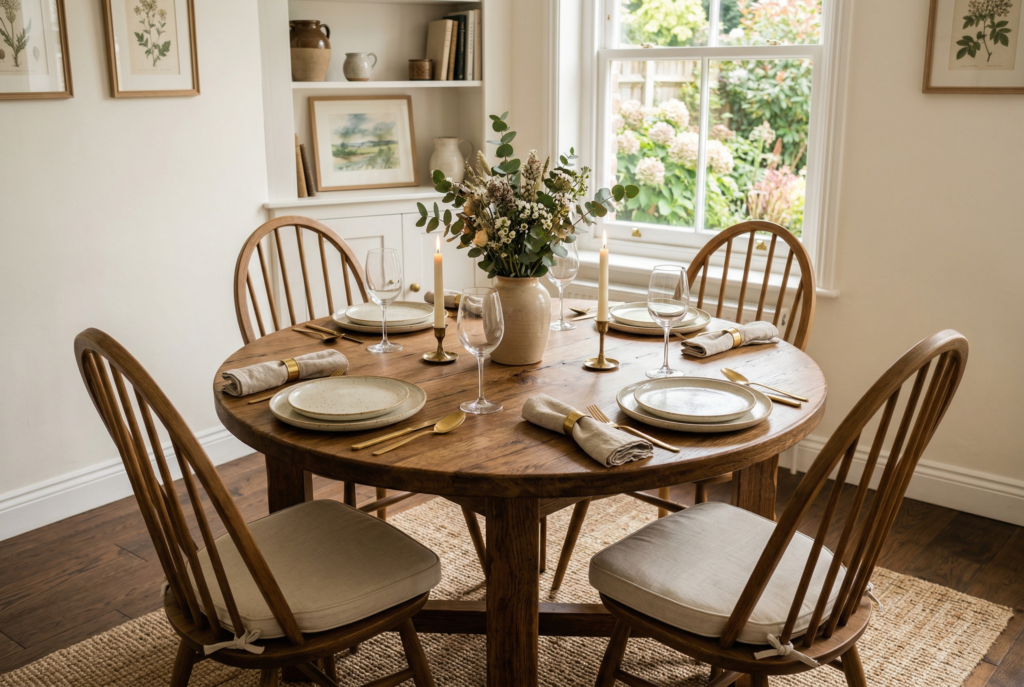
A pedestal dining table replaces standard corner legs with a central base, and that small structural change can improve how the whole table functions. Without legs at each corner, it becomes easier to pull up chairs, fit in extra seating, and move around the table more comfortably.
This is particularly useful in smaller dining rooms or multipurpose spaces where efficiency matters. A pedestal base can also give the table a more open, airy appearance, which helps the room feel lighter. It’s a smart option for anyone who wants a dining area that feels less rigid and more adaptable to real everyday use.
5. Choose Durable Materials That Can Handle Real Life
A beautiful dining table won’t feel like a good investment if it can’t handle the way the household actually lives. For many people, that means choosing a surface that can stand up to spills, homework, hot dishes, frequent wiping, and everyday wear without constant worry.
Wood finishes with character, performance surfaces, or easy-care materials often work best for busy homes. The goal is to choose something that looks good but also feels livable. A dining table should support real meals and real routines, not make people nervous every time someone sets down a glass. When the material matches the lifestyle, the whole room feels more comfortable and usable.
6. Use a Narrow Rectangular Table in Long, Tight Rooms
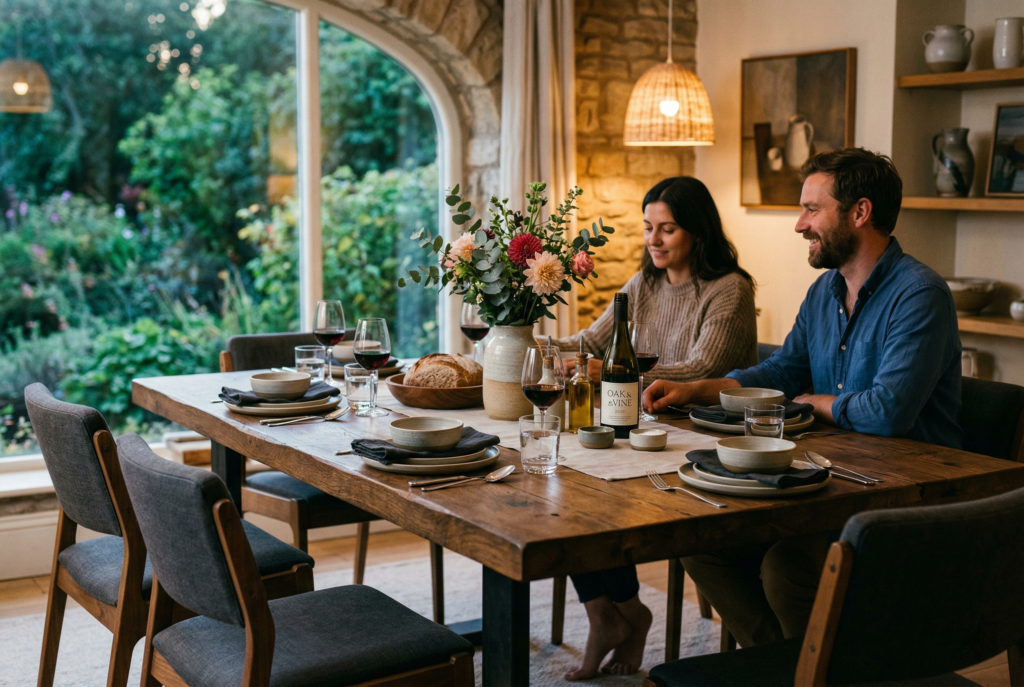
Some dining areas are more narrow than wide, and that shape calls for a table that respects the room’s proportions. A slim rectangular dining table can help maximize seating without blocking movement or overwhelming the layout.
This style works well in apartments, smaller dining rooms, and open-plan homes where the table sits between other functional zones. The key is scale. A narrower table can still feel generous enough for meals and gatherings while allowing enough clearance for chairs and walkways. When the table fits the room properly, everything around it works better too.

7. Make a Statement With a Table That Anchors the Room
In some homes, the dining table can do more than serve a practical purpose. It can also anchor the space visually and set the tone for the whole room. A table with a distinctive base, rich wood tone, interesting silhouette, or textured finish can act as the design centerpiece without needing overly styled decor around it.
This approach works best when the table has enough presence to stand on its own. That doesn’t mean it has to be oversized or dramatic. It simply means it should feel intentional. A strong table design can make the dining area feel more finished, which often elevates both everyday meals and special occasions without much extra effort.
8. Use a Drop-Leaf Table for Small Homes and Flexible Layouts
A drop-leaf dining table is a classic solution for homes where space has to stay flexible. With sides that fold down when not in use, it can function as a smaller table for one or two people, then open up when extra surface area is needed. This makes it especially useful in apartments, breakfast corners, and compact dining zones. What makes this idea so practical is how well it supports changing needs throughout the day. It can stay modest during the week and expand for guests, projects, or weekend meals. For homes that need every square foot to work harder, a drop-leaf table offers versatility without requiring permanent bulk.
9. Layer in Comfortable Lighting to Elevate the Experience
The dining table itself matters, but the atmosphere around it matters too. One of the most effective ways to make a dining area feel more elevated is through lighting. A well-placed pendant or chandelier above the table helps define the zone, add warmth, and make everyday meals feel a little more intentional.
Soft, balanced lighting can make the table feel inviting whether it’s being used for dinner, morning coffee, or evening conversation. It also helps the dining area feel like a destination rather than just another surface in the house. Good lighting changes the mood of the room and often makes the entire setup feel more complete.
10. Style the Table Lightly So It Still Feels Usable
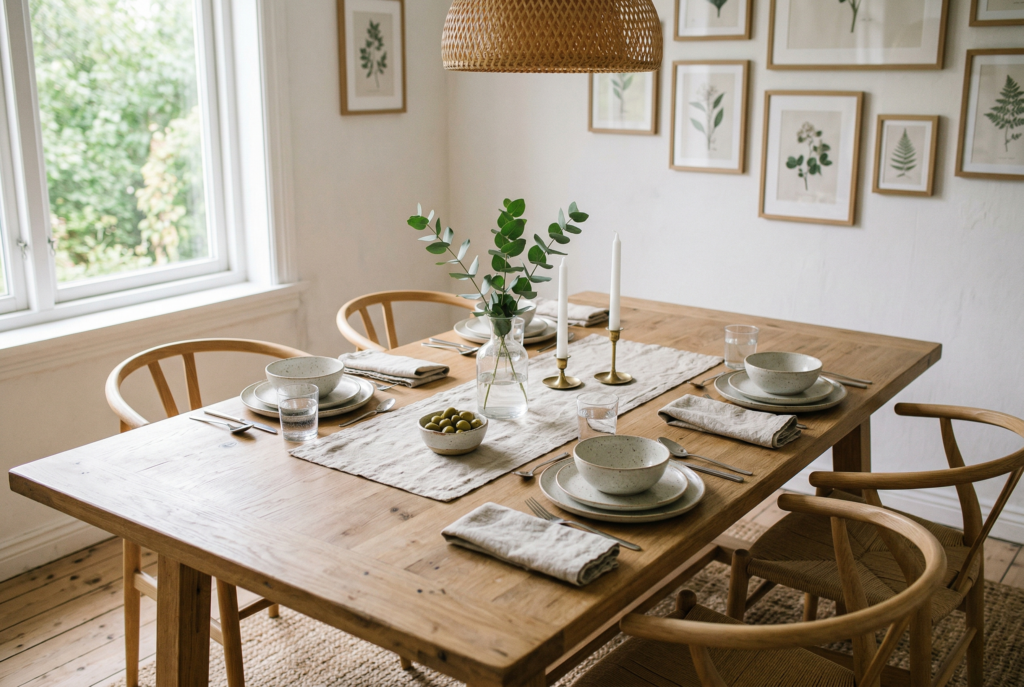
A dining table looks better and functions better when it isn’t overloaded with decor. A simple centerpiece, a bowl, a low arrangement, or a table runner may be enough to make it feel finished without taking over the usable surface.
This matters because many households use the dining table for more than meals. If the styling is too elaborate, it becomes something people have to work around rather than enjoy. A lighter touch keeps the table attractive while still making it easy to clear for dinner, work, or family activities. The best dining spaces usually feel ready to use, not overly staged.
11. Match the Table Height and Seating to the Way You Gather
Comfort matters more than people expect in a dining space. A table may look beautiful, but if the proportions feel off or the seating is uncomfortable, people won’t want to stay there long. Chairs should allow people to sit comfortably through a meal, and the table height should feel natural for eating, talking, and everyday use.
It also helps to think about how the household gathers. Some people prefer a standard-height table with supportive seating for longer dinners. Others may want a more casual breakfast setup. The goal is to choose a table and seating combination that fits the mood and rhythm of the home, not just the look of the room.
12. Let the Dining Table Support More Than Mealtime
One of the best dining table ideas is simply to see the table as a flexible part of daily living. In many homes, the dining area works best when it supports multiple routines. It may host dinner, yes, but it might also be where school projects happen, laptops open, conversations stretch out, and guests naturally gather.
When choosing a dining table, it helps to think beyond formal meals. Consider whether the surface is large enough for everyday tasks, whether the seating encourages people to linger, and whether the layout supports the way the household actually lives. A dining table that works for more than one purpose often becomes one of the most valuable furniture pieces in the home.
How to Choose the Best Dining Table for Your Space
The best table depends on a few practical questions. How many people use it most days? How often do you host? Does the room need better flow or more seating? Will the table be used only for meals, or for work and family activities too? These questions matter because a table should fit both the room and the routine.
It’s also important to think about scale. A table that’s too large can make the room feel crowded and difficult to navigate. One that’s too small may feel frustrating during everyday use. Measuring carefully and leaving enough room for chairs and walkways will make the dining area feel more comfortable and more functional from the start.
Conclusion
The best dining table ideas elevate everyday meals, gatherings, and the way you use your space by combining comfort, smart scale, and real-life function. Whether that means choosing a round table for better flow, an extendable design for flexibility, a bench for casual seating, or a durable surface that supports busy routines, the right table can make a lasting difference.
A dining area doesn’t need to be formal to feel special. It simply needs to work well and invite people to use it. When the table is chosen with both lifestyle and layout in mind, it becomes more than furniture. It becomes a central part of how the home feels and how daily life comes together.