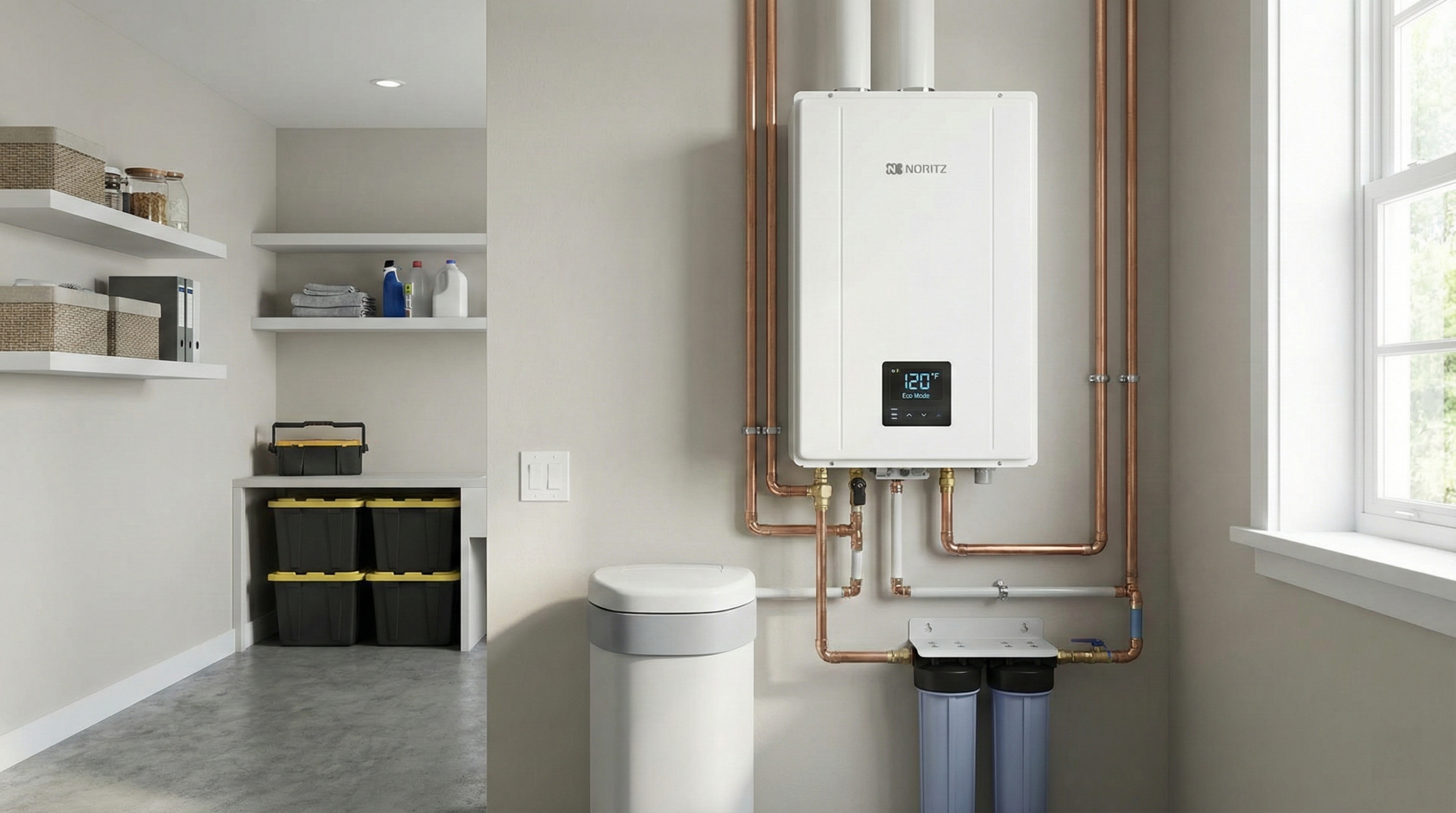
Your water heater is an essential part of your home, providing hot water for daily activities like showers, laundry, and dishwashing. However, without proper maintenance, your water heater can become inefficient, break down prematurely, and even lead to costly repairs. Regular maintenance is key to keeping your water heater running efficiently, saving money on energy bills, and ensuring that it serves you well for many years.
In this article, we’ll share five essential water heater maintenance tips that every homeowner should follow. These tips will help improve performance, extend the lifespan of your water heater, and reduce the likelihood of costly repairs.
Why Is Water Heater Maintenance Important?
Water heater maintenance is more than just a task on your to-do list; it’s an investment in the efficiency and longevity of your system. A well-maintained water heater helps keep energy costs down, prevents unexpected repairs, and ensures that your home’s water heating system works smoothly. If neglected, a poorly maintained water heater can become inefficient, leading to higher energy bills and a shortened lifespan.
Signs Your Water Heater Needs Maintenance

It’s important to recognize the signs that your water heater may need maintenance or repair. Keeping an eye out for early warning signs can prevent bigger issues down the road.
Common Signs
- Inconsistent hot water: If your hot water is fluctuating in temperature, it may be a sign of sediment buildup in the tank or a malfunctioning thermostat.
- Unusual noises: A rumbling or popping sound often indicates sediment buildup in the tank. The sound is caused by water heating up under the sediment, which can decrease your water heater’s efficiency.
- Water discoloration or strange smells: Rusty, discolored water or an unpleasant odor can indicate issues with the anode rod or corrosion inside the tank.
- Leaks or drips: Any visible water around the base of the heater is a red flag. It could indicate a leaking tank or loose connections.
- Increased energy bills: If you notice a spike in your energy bills without a clear reason, your water heater may be working inefficiently due to neglect.
If you experience any of these signs, it’s best to address the issue promptly before it escalates into a more expensive repair.
5 Essential Water Heater Maintenance Tips
1. Check the Temperature Setting
Setting your water heater’s thermostat to the right temperature is a simple but crucial step. If it’s set too high, your system will use more energy than necessary to heat the water, which can lead to higher energy bills. Conversely, if the temperature is set too low, you may not get enough hot water for your daily needs.
How to do it: Adjust the thermostat to 120°F. This temperature is hot enough for comfort, but not so high that it wastes energy or increases the risk of scalding. If you have children or elderly family members, you might want to set it slightly lower for added safety.
2. Flush the Tank to Remove Sediment Buildup

Sediment buildup is one of the leading causes of reduced efficiency in water heaters, particularly in areas with hard water. When sediment accumulates at the bottom of the tank, it acts as an insulating layer that prevents the water heater from heating water effectively. This can cause the system to overheat, work harder, and ultimately wear out faster.
To flush the tank, turn off the power or gas to the water heater. Attach a hose to the drain valve at the bottom of the tank and direct it to a drain. Open the valve to let the water run out, clearing out any sediment that has accumulated. After flushing, close the valve, refill the tank, and turn the power back on.
Tip: Flushing your water heater annually is usually sufficient to prevent sediment buildup. However, if you have hard water, you may need to do it more frequently.
3. Inspect the Anode Rod for Corrosion
The anode rod inside your water heater protects the tank from rust and corrosion. Over time, this rod degrades as it attracts corrosive elements in the water, preventing the tank from rusting. If the anode rod is worn out, your water heater is at risk of corrosion, which can lead to leaks and the need for premature replacement.
To inspect the anode rod, turn off the water supply and power to the heater. Drain some of the water from the tank and remove the anode rod from the top of the tank. If the rod is significantly corroded or covered with mineral deposits, it’s time to replace it. Replace the anode rod every 1–3 years, depending on water quality and usage.
4. Test the Temperature and Pressure Relief (TPR) Valve

The TPR valve is an important safety feature of your water heater, designed to release excess pressure or temperature buildup in the tank. Without a functioning TPR valve, your water heater could be at risk of overheating and, in extreme cases, even exploding. Testing the TPR valve is a quick and easy way to ensure your water heater is safe.
How to Do It
Lift the lever on the TPR valve to release some water from the system. If water doesn’t flow or if the valve doesn’t snap back into place, it’s time to replace the valve. A malfunctioning TPR valve can be dangerous, so be sure to address any issues immediately.
Tip
Test the TPR valve at least once a year to ensure your water heater’s safety. If you’re unsure about how to do it, call a professional plumber.
5. Insulate Your Water Heater and Pipes
Proper insulation helps your water heater operate more efficiently by reducing heat loss. When your water heater is insulated, it doesn’t have to work as hard to maintain the desired temperature, which results in energy savings and a longer-lasting system. Insulating the pipes that carry hot water throughout your home also reduces heat loss.
How to Do It
To insulate your water heater, purchase an insulation blanket specifically designed for water heaters. Wrap the blanket around the tank, leaving the thermostat exposed. For exposed pipes, use foam pipe insulation to cover the first few feet of the hot water line. Insulating your water heater is especially important if the unit is located in an unheated space, like a garage or basement, where temperature fluctuations can impact its efficiency.
When to Call a Professional
While many water heater maintenance tasks can be done by homeowners, some issues require professional attention. Knowing when to call a professional can help prevent further damage and ensure that repairs are done safely.
Common situations where you should call a professional include:
- Gas water heaters: If you notice gas leaks, smell gas, or have issues with the burner, it’s crucial to contact a licensed technician. Gas-related problems can be hazardous and require specialized knowledge.
- Complex repairs: If your system shows signs of internal leaks, cracks, or severe corrosion, or if the TPR valve isn’t functioning correctly, a professional plumber or technician should handle the repair.
- Replacement: If your water heater is more than 10 years old and showing signs of significant wear, it might be time to replace it. A professional can assess whether it’s more cost-effective to repair or replace your unit.
Tip: If you’re unsure about any aspect of water heater maintenance, don’t hesitate to call a professional. The cost of hiring an expert to handle repairs is far less than the potential cost of major system failure.
Advancements in Water Heater Technology

The water heater industry has evolved significantly, with newer, more efficient models available for homeowners. Smart water heaters, for example, allow you to control and monitor your system remotely via a smartphone app, making it easier to manage energy usage and troubleshoot any issues.
Additionally, there are tankless water heaters and solar-powered models, which are becoming increasingly popular due to their energy efficiency and smaller footprint. These systems can help you save on energy costs in the long run and reduce your environmental impact.
Tip: If you’re considering upgrading to a new water heater, look into models that incorporate energy-efficient technologies or smart capabilities. Not only will these systems save you money, but they also come with advanced features that can make maintenance easier.
Conclusion
Water heater maintenance is essential for ensuring that your system runs efficiently, saving you money on energy bills and avoiding expensive repairs. By following these five simple maintenance tips, you can extend the lifespan of your unit and keep your home safe and comfortable.
Remember, regular maintenance is the key to preventing costly breakdowns and maintaining a consistent supply of hot water. If you’re ever unsure about any aspect of water heater maintenance, don’t hesitate to reach out to a professional plumber or HVAC technician to ensure your system stays in top shape for years to come.
Related Articles
- 10 Essential HVAC Maintenance Tips to Improve Indoor Air Quality, Reduce Allergens, and Keep Your Home Healthy
- Monthly Home Maintenance Checklist to Prevent Costly Repairs, Improve Safety, and Keep Your Home Running Smoothly
- 20 Seasonal Home Maintenance Tasks: A Complete Year-Round Checklist to Keep Your Home in Top Shape
- 10 Essential Tips for Preventing Water Damage in Your Home to Protect Your Property and Avoid Costly Repairs
- 12 Water-Saving Home Upgrades to Reduce Consumption, Lower Bills, and Create a More Sustainable Household