
If you’ve ever spent a Saturday afternoon decluttering a closet and felt ridiculously proud of yourself, only to open that same closet a few weeks later and wonder how it got stuffed again, you’re definitely not alone. Clutter has this sneaky, quiet way of slipping back into our lives. A flash sale here, a birthday gift there, a cute impulse buy that felt harmless in the moment and suddenly every drawer and shelf feels crowded again.
Here’s the thing: staying clutter-free takes a different kind of habit. Not a big cleanout, but a small, everyday guardrail. And The One-In, One-Out rule might be the simplest, most effective habit you’ll ever adopt.
Whether you’re in a four-bedroom home, a cozy studio, or something in between, this rule adapts to real life, although it isn’t perfect. Let’s walk through exactly how it works, how to make it stick, and how to handle those emotional or tricky moments that tend to derail even the best decluttering intentions.
What Is the One-In, One-Out Rule?
At its core, the rule is beautifully simple: every time something new enters your home, one similar item leaves. For example, if you buy new sneakers, then one older pair will be donated. Or when your kids bring home new toys, you’ll ask them to choose one to pass along to another child. It isn’t about punishing yourself or becoming a rigid minimalist. It’s about balance, awareness, and long-term order, and it works surprisingly well.
Why Clutter Creeps Back (Even After a Big Declutter)
Sometimes you might be wondering, “If I already decluttered, why does everything feel crowded again?” Let me tell you some reasons:
- We don’t plan for new things, which means stuff comes in and nothing goes out.
- Mindless buying is ridiculously easy. You can buy a lot on Holiday sales, Amazon Prime, and birthday gifts.
- We hold onto things “just in case.” Although the usefulness of the items is gone, fear and guilty feelings keep them around long.
- Life changes faster than our stuff does. Our belongings don’t always keep up with new routines, seasons, or priorities.

The Benefits of the One-In, One-Out Rule
1. You Naturally Shop More Mindfully
When you know something has to leave before something new can stay, you pause long enough to make a smarter choice. This tends to cut down on spur-of-the-moment purchases, duplicates or because of boring. Honestly, it saves money without even trying.
2. You Learn What You Truly Love
Every decision reveals your real preferences, thinking about what makes you feel comfortable or what fits your lifestyle at the present.
3. Your Home Stays in Balance
If you don’t need constant re-organizing or no more leaning towers of T-shirts or mystery cabinets full of gadgets, then your belongings finally match your space.
4. Kids Pick Up Lifelong Skills
This rule teaches children generosity, responsibility, that space is finite, and appreciation for what they already own.
5. Cleaning Takes Way Less Time
When you have fewer unnecessary items, it’s the time you have faster resets, cleaner surfaces, and easier deep cleans.
6. Your Mind Feels Calmer
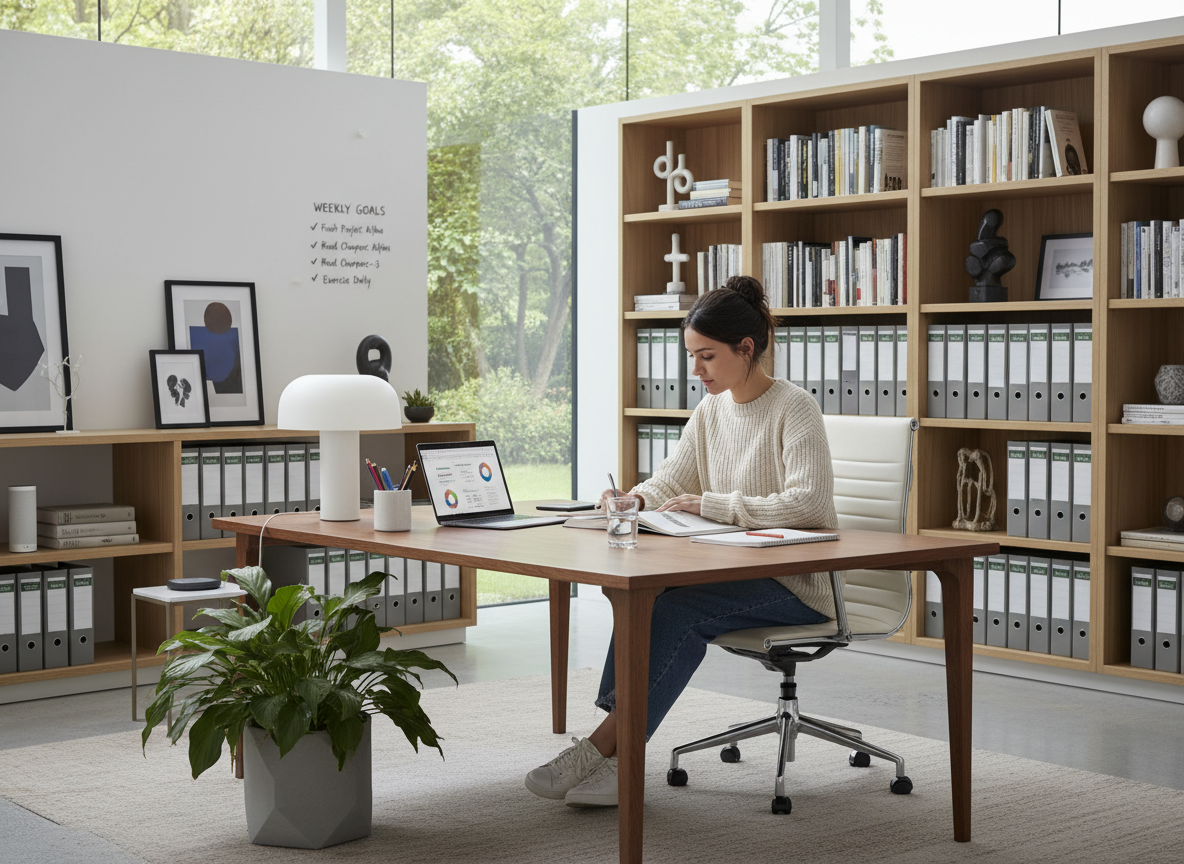
The visual clutter affects our mental health. A clearer home really does support us to focus better, relax easier, and have smoother mornings.
7. The Rule Aligns with Today’s Lifestyle Trends
It fits beautifully with soft minimalism, mindful consumption, sustainable living, capsule wardrobes, and small-space living.
How to Apply the One-In, One-Out Rule in Everyday Life
Step 1: Begin with a Quick Declutter
You don’t need a huge purge, but you do need a baseline. These simple questions will help you:
- Do I use it?
- Do I love it?
- Does it fit who I am and how I live today?
- Is it still in good condition?
Then set up three bins: donate, recycle and sell can help you to make decisions smoother.
Step 2: Create “Space Budgets” for Every Category
Instead of fighting with your stuff, decide how much space each category gets and if this space is full of something then it’s time for you to let something old go, such as one shelf for mugs, one drawer for workout clothes, one basket for toys, or one box for holiday décor. Moreover, you can even apply this to digital life such as limiting who you follow, cap saved files and usually clean up cloud storage.
Step 3: Keep a “Goodbye Box” in a Convenient Spot
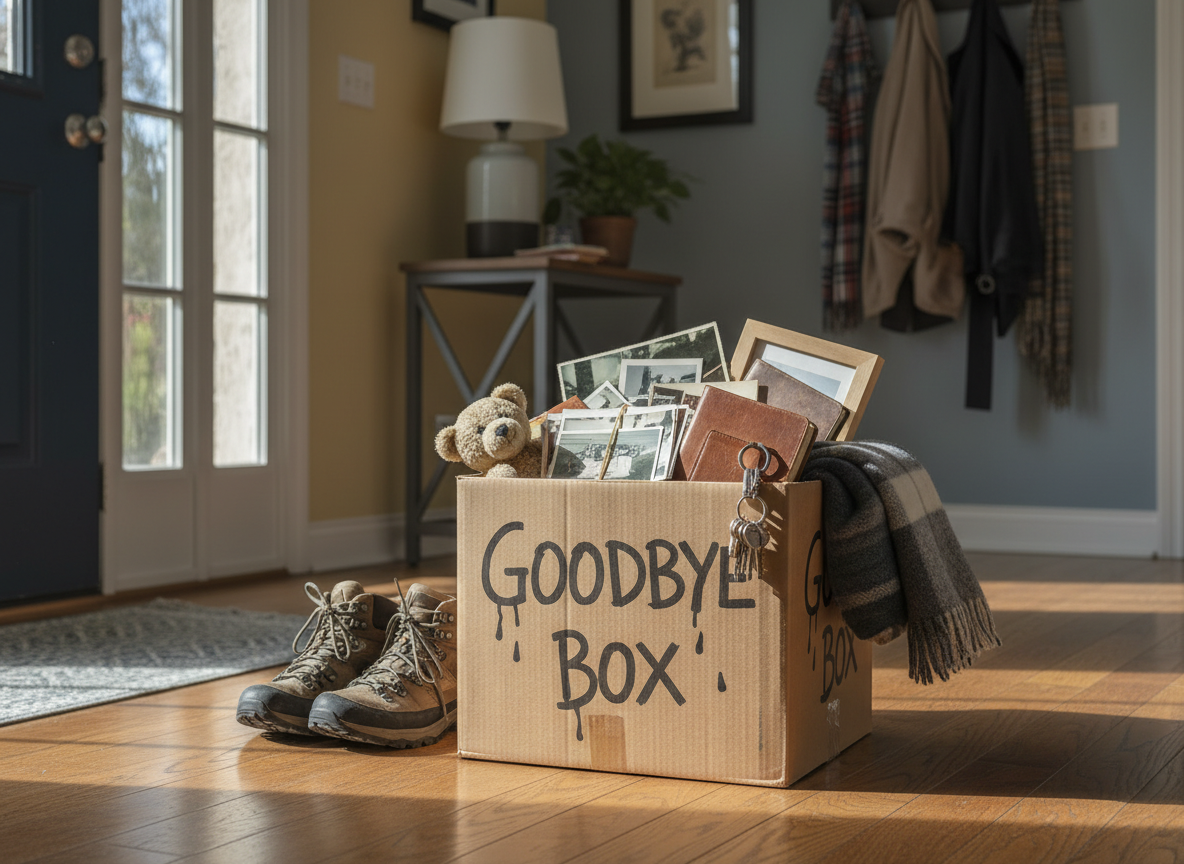
Put it in your closet, laundry room or entryway. Whenever a new item comes home, drop the outgoing item into the box and when it’s full, take it to a donation center as soon as possible.
Step 4: Adjust the Rule When Real Life Doesn’t Fit Neatly
Sometimes a one-to-one swap doesn’t make sense. That’s okay. You can tweak it:
- Buy a new book → then donate a book or a couple of magazines.
- Buy a new coat → then remove one old coat or three bulkier items.
- Buy a new purse → then give up one purse or another accessory you rarely use.
And remember, the goal is balance, not rigid math.
Step 5: Apply the Rule to More Than Just Physical Stuff
Clutter isn’t limited to physical items, it also builds up in your schedule, stress levels, and digital life. Applying the One-In, One-Out rule to things like calendar commitments, streaming subscriptions, hobbies you no longer enjoy, or to-do list tasks helps keep everything manageable. When something new comes in, something else goes out, making this a simple but powerful way to prevent overwhelm and avoid burnout.
When Letting Go Feels Hard

Sometimes the hardest part isn’t the clutter, it’s the emotion behind it: guilt, nostalgia, fear, and money spent.
Here are a few gentle mindset shifts:
- Give items a time limit. If you haven’t used it in 6–12 months, it’s telling you something.
- Take a photo. A picture keeps the memory, then the item doesn’t need to.
- Think about who could use it next. Let generosity drive the decision instead of guilt.
- Release the “I spent money on it” mindset. Keeping unused items doesn’t refund the cost, it just costs you space.
- Remember your “why.” You’re creating a home that supports your life, so no one weighs it down.
How to Use the Rule in Specific Rooms of Your Home
| Closets |
|
|---|---|
| Kitchen | Remove a duplicate or something cracked |
| Kids’ spaces |
|
| Bathroom | Toss the expired or unsuitable bottles |
| Living room | Swap out something older or worn |
| Garage or storage areas | This rule is a lifesaver for seasonal items, tools, and décor |
Small Home or Apartment? This Rule Is a Game-Changer
Whether you live in a studio, an apartment, a dorm, an RV or a small home, you already know that space fills up fast. Therefore, the One-In, One-Out rule keeps the walls from “closing in” on you and ensures everything you own has a place to live comfortably.
Troubleshooting Common Challenges
- “I don’t have anything to remove.” → Try a different category or remove two small items instead of one big one.
- “My partner or kids won’t follow the rule.” → Start with your belongings. Good habits are contagious.
- “I have way too much stuff already.” → Begin with one-in-two-out until you reach your ideal baseline.
- “But what if I need it someday?” → Track your usage for six months.
Why the One-In, One-Out Rule Works (Even If You Aren’t a Minimalist)
You don’t have to live with three outfits and bare shelves to love this rule. It isn’t about owning less, it’s about owning what makes your life better. The rule helps your home feel functional, calm, intentional and easy to maintain. Anything that supports those feelings is worth keeping, so let it go with gratitude.
Final Thoughts
Clutter doesn’t disappear because of one productive afternoon. It disappears when you create small habits that prevent it from sneaking back in. The One-In, One-Out rule is one of those habits. It’s simple, flexible, forgiving, and incredibly effective.
Let your home evolve into a space that reflects who you are today, not the version of you buried under years of “just in case” items. At the end of the day, your home works best when everything inside it has a purpose and a place to stay.