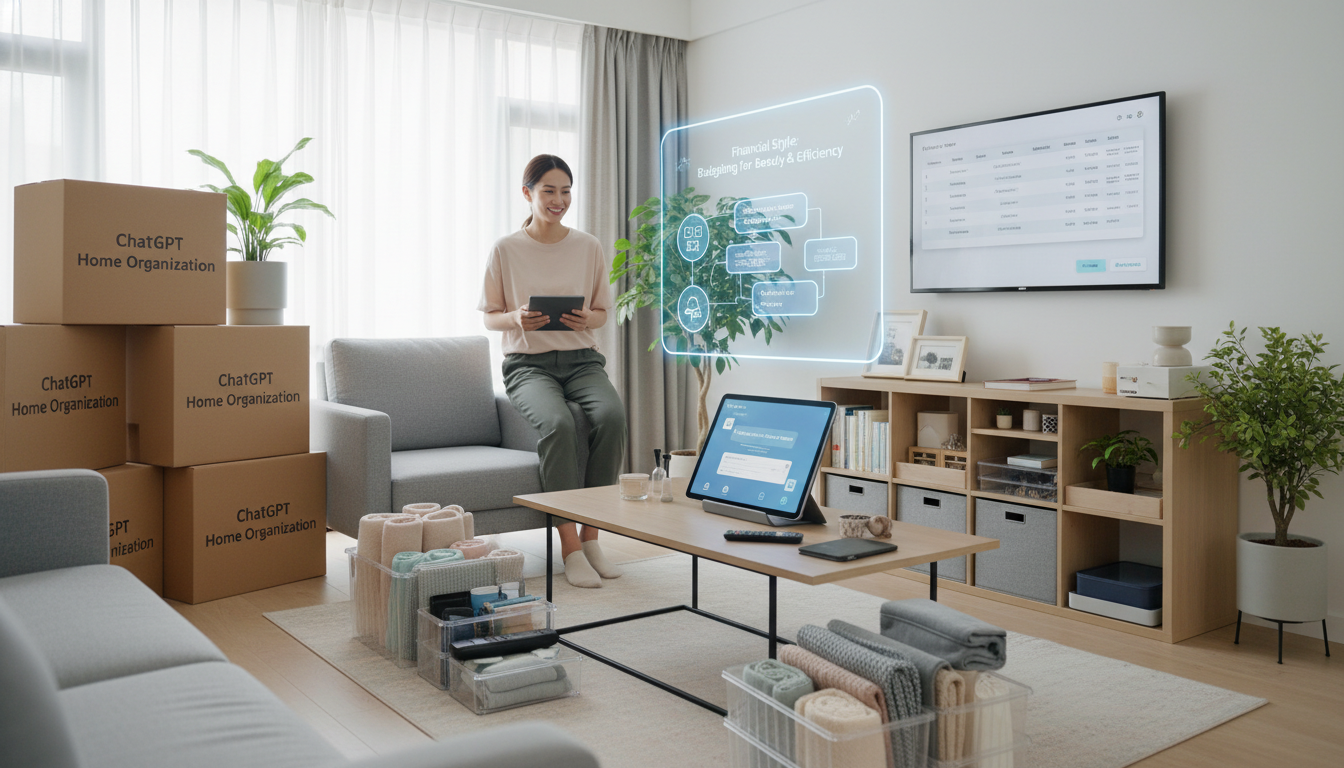
Ever glance around your house and think, “Where do I even begin?” You aren’t the only one. Life gets busy with work, family routines, and juggling everything. Before you know it, clutter piles up, and even small chores feel like huge undertakings.
Fortunately, tools like ChatGPT are stepping in as useful assistants to help organize your home. No, it isn’t going to clean up for you. But it can provide something helpful: clear steps, a structured approach, a little extra push, and a plan tailored to how you live.
Now let’s learn how to use ChatGPT to organize your space, set up easy systems that work for you, and create a home that’s functional, peaceful, and free of stress.
Why Clutter Feels Like Too Much to Handle
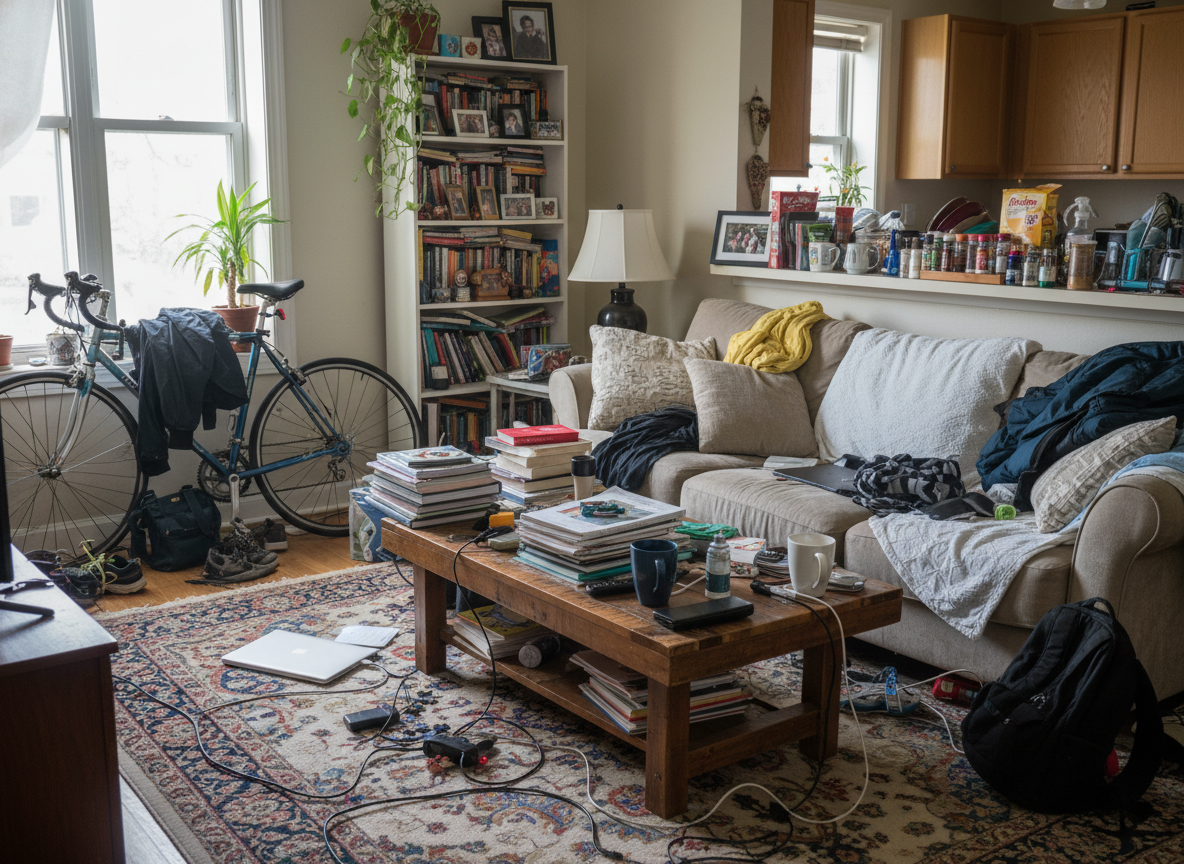
Mess doesn’t just invade your house, it takes over your mind, too. You lose precious time looking for things you’ve misplaced, while small piles of stuff grow and add to your worries. Always deciding what to do with your things can wear you out, and balancing work, family, and home duties often leaves you with no time or energy to clean up. When everything seems important at once even knowing how to start can make you feel stuck.
Think of ChatGPT as hitting the restart button. You don’t have to figure everything out on your own. Let AI lighten the mental load while giving you simple actionable steps.
Using ChatGPT to Tidy Up and Get Your Home in Order
Picture ChatGPT as your trusty organizing buddy. It’s there to help, stays calm no matter what, and knows how to turn big messy jobs into small manageable ones.
1. Build a Decluttering Plan Just for You
Instead of offering one-size-fits-all advice, ChatGPT tailors its help to your home’s layout, available time, daily routines, problem areas, family’s behavior, and even stress levels. You could ask something simple like: “I have 15 minutes. How can I clear off my kitchen counter step by step?” This gives you a clear and practical plan.
2. Turn Big Jobs Into Tiny Steps
Cleaning out your whole closet might feel impossible, but a quick 10-minute task? That’s a totally different story. ChatGPT can help break big projects into manageable steps, like suggesting you remove five things you no longer need, organize just one shelf for now, or focus only on the top drawer. These tiny, doable actions keep you from burning out and help you make steady progress without the stress.
3. Fix Everyday Home Organization Woes
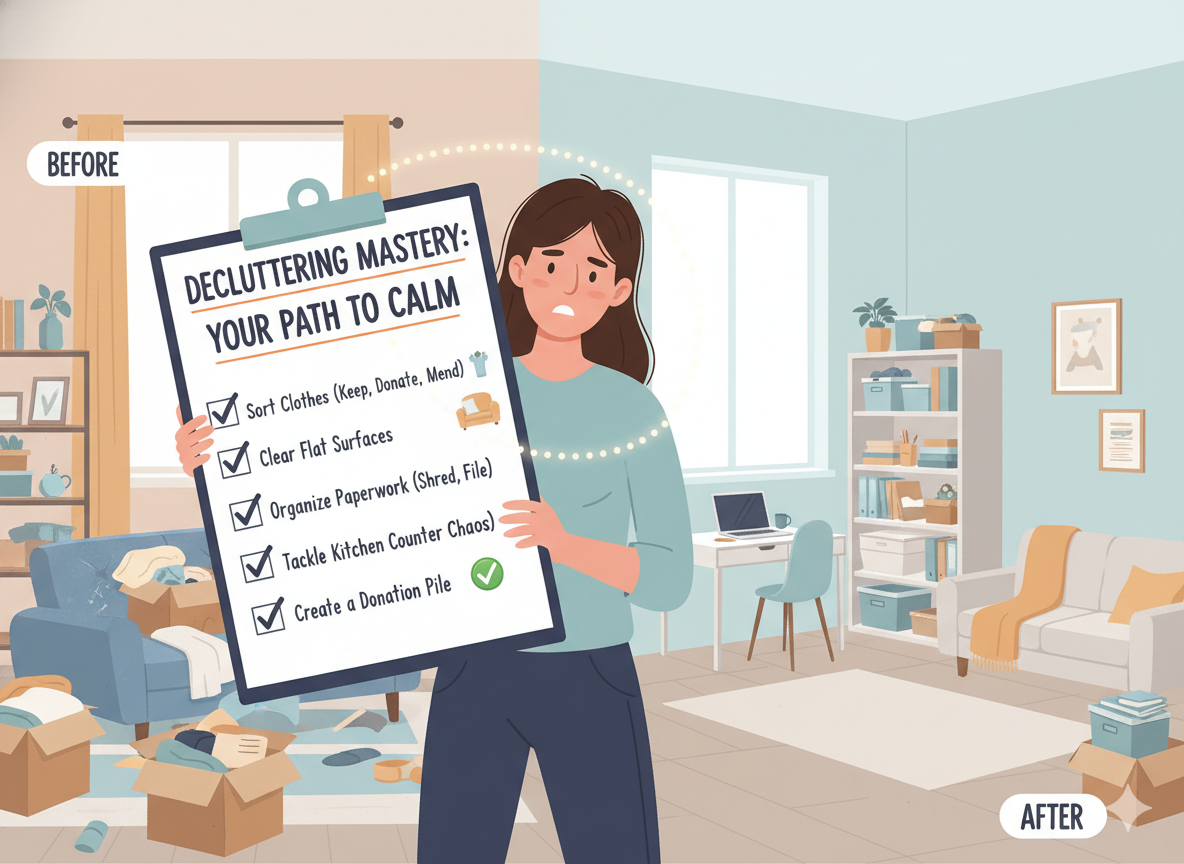
You can get specific tips for organizing things like small spaces, messy areas filled with clutter, basic checklists to get started, tips to stay organized daily, plans to help families with kids, or strategies like the KonMari or 5-Box Method. And since it can come up with countless ideas, it might bring up things you’d never think of on your own.
4. Help with Emotional Choices
It’s tough to let things go, but ChatGPT can ask the kind of questions that help you get clarity: “If I were shopping today, would I buy this?” “Does it fit the life I live now?” “Is it really worth the space it takes up?” “Would someone else get more use out of it than I do?” These small shifts in thinking make it easier to organize your home with purpose instead of guilt or hesitation.
5. Stay Motivated Through Kind Accountability
ChatGPT offers support by jogging your memory about tasks assisting you to make a doable weekly cleaning schedule creating better habits, keeping tabs on your progress as time goes by, putting in place small rewards to keep you going, and helping you get back on track after a tough spell.
If you find yourself giving up halfway through, you can say: “I stopped cleaning my closet halfway. Can you help me start again with a small step-by-step plan?” Instead of feeling bad about it, you receive guidance and a plan to keep moving forward.

How an AI-Driven Decluttering Plan Works (Example)
Imagine you want to tidy up a cluttered entryway. ChatGPT could suggest a plan like this:
Entryway Cleanup Plan
- Empty all the surfaces: Take everything off the bench, table, and hooks.
- Group similar items together: Shoes, jackets, bags, mail, and random stuff.
- Pick what should stay here: Leave the things you use every day in this area.
- Find specific spots for everyday items, such as use hooks to hang coats, put a basket or bowl for keys, keep a tray to hold incoming mail, or use a bin for the shoes you wear most.
- Get rid of or move extra stuff: Donate extras, store items you use in a closet, and take out anything that doesn’t work in the entryway.
This takes 20 to 30 minutes, not your entire weekend. It helps you clear up the mental mess that often slows you down.
Room-by-Room Tips to Try
Kitchen
You can ask ChatGPT to help you declutter your kitchen counters with a simple, 15-minute plan that feels manageable and realistic. For example:”Create a 15-minute plan to declutter my kitchen counters. Keep it easy and manageable.”
Living Room
For the living room, ChatGPT can guide you through tidying up by breaking the space into small, focused steps. For example: “Guide me in tidying up my living room. Divide it into steps I can finish in 10 minutes each.”
Closet
When organizing your wardrobe, ChatGPT can help you decide what to keep, donate, or store, while building a closet that actually fits your lifestyle. For example: “I need help organizing my wardrobe. Give me a system for sorting and questions to help decide what to keep.”
Small Apartment
If you live in a small apartment with limited closet space, ChatGPT can suggest smart storage ideas that maximize every inch. For example: “Share some ways to store things in a small apartment if there isn’t much closet space. Focus on solutions that serve multiple uses.”
Keeping Up at Home
To stay on top of daily life, ChatGPT can help you build a practical weekly cleaning plan, which can balance chores across the week so nothing feels rushed, unrealistic, or exhausting. For example: “Make a practical weekly cleaning plan that works for a busy family with four members.”
How ChatGPT Can Help When Life Feels Too Much
Everyone hits a wall during stressful projects, and it’s completely normal. Instead of giving up, try asking something like, “Help me finish what I’m working on and give me a simple 10-minute plan to get this space done,” or even, “Break this job into the easiest first step for me to tackle.” Approaching it this way helps you restart without embarrassment, keeps the pressure low, and gives you the little boost you need to move forward again.
Trends: Why AI-Based Organizing Is Booming in 2024 and 2025
These days, because more people look for faster, more flexible ways to manage their homes, AI-based organizing is booming. Some popular trends include quick decluttering sessions that take just 5 to 10 minutes, systems designed with ADHD-friendly structure, and AI-created routines, often described as “ChatGPT planned my entire cleaning schedule.” Smart home integrations, such as pairing Alexa with ChatGPT-generated lists, are also gaining traction, along with minimalist home refreshes and tailored organizing solutions for small or tight living spaces.
People need solutions that match their everyday lives. They’re short on time, feel overwhelmed, and just want things to be simple. ChatGPT fits right into this growing demand.
Easy and Stress-Free Systems Made With ChatGPT
When you use ChatGPT, organizing feels much simpler because you aren’t doing it alone. Instead of trying to figure everything out at once, you get clear guidance that adapts to your home, schedule, and habits.
Weekly cleaning schedules can be tailored to the size of your home, your daily routine, and how much time you realistically have. This makes it easier to stay consistent without feeling overwhelmed or burned out.
Step-by-step decluttering guides help you break the process into manageable actions. You can focus on one room at a time or work through categories, which keeps progress steady and less stressful.
Planning to donate or rehome items becomes easier when you know where to take them. ChatGPT can help you identify suitable local donation spots so unused items leave your home instead of sitting in piles.
Kid-friendly organizing ideas make it simpler to keep shared spaces under control. From toy labels and homework stations to designated drop zones, these solutions help children stay involved and independent.
Small-space storage solutions focus on using what you already have more efficiently. Vertical shelving, multi-purpose furniture, and hidden storage ideas help maximize space without adding clutter.
Home care reminders help you stay on top of maintenance tasks like changing air filters, scheduling seasonal deep cleans, and keeping appliances in good working order, so small tasks don’t turn into big problems later.
Tips: How to Talk to ChatGPT for Better Help
Final Thoughts: Your Home Doesn’t Need to Be Perfect, Just a Plan That Fits You
ChatGPT won’t show up at your doorstep with fancy organizing tools. But it can help you feel calmer, less isolated, and more on top of things at home.
By offering easy steps, helpful guidance, and adaptable routines, you can make your space neat and functional. A home that works for you, not against you.