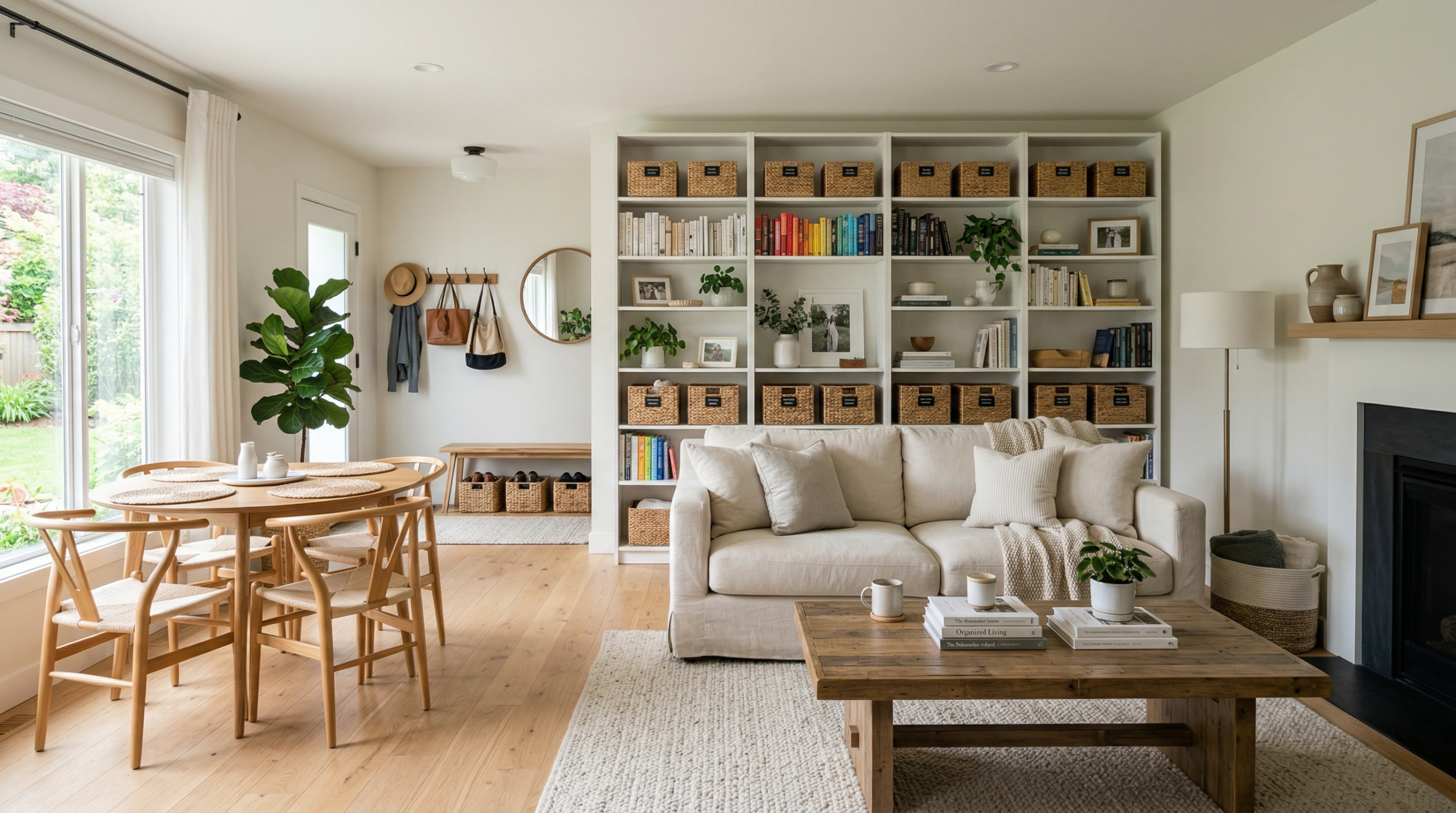
Clutter rarely appears all at once. More often, it builds through small daily decisions: a receipt left on the counter, a shirt draped over a chair, a drawer stuffed with things that never got sorted, or a pile of items set aside to deal with later. That’s why the micro-decluttering method works so well. Instead of waiting for clutter to become overwhelming, it encourages small, repeatable actions that keep mess from growing in the first place. For busy households, this simple daily habit can make home organization feel much more realistic and much less exhausting.
What the Micro-Decluttering Method Means
The micro-decluttering method is exactly what it sounds like. It focuses on decluttering in very small, manageable pieces instead of treating home organization like a major weekend project. Rather than pulling everything out of a closet or spending hours tackling one room, you make quick, low-pressure decisions throughout the day or in short planned sessions.
That might mean removing five items from a junk drawer, clearing one bathroom shelf, tossing expired pantry products, or putting away the handful of things that were collected on the kitchen island. These actions may seem minor on their own, but repeated consistently, they create noticeable change.
This method works especially well for people who feel overwhelmed by traditional decluttering advice. A large-scale home reset can sound motivating in theory, but in real life, it’s often hard to find the time, energy, or focus for that kind of effort. Micro-decluttering offers a more sustainable way to reduce clutter without turning it into a stressful event.
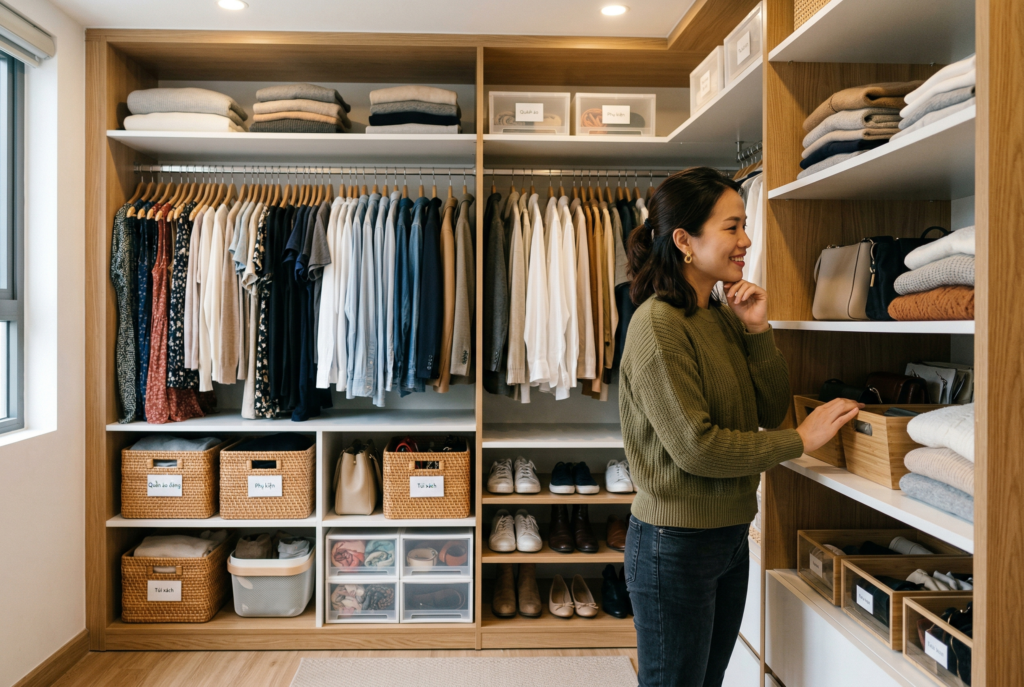
Why Small Daily Decluttering Habits Work
Many people assume clutter can only be fixed through major cleanouts, but daily habits often matter more. In most homes, clutter grows gradually, which means it can also be reduced gradually. A simple daily decluttering habit helps stop buildup before it turns into something that feels difficult to face.
For many households in the United States, daily life moves quickly. Work schedules, family responsibilities, school routines, errands, and constant digital distraction can make it hard to set aside large blocks of time for organization. A smaller method fits more naturally into that reality. It asks for a few minutes, not half a day.
Small wins also build momentum. When people complete a tiny decluttering task and immediately see improvement, the process feels rewarding instead of draining. That reward makes the habit easier to repeat. Over time, consistent micro-decluttering can lead to a home that stays more organized without requiring constant catch-up sessions.
How Clutter Builds When It Isn’t Addressed Early
One of the reasons clutter feels so frustrating is that it tends to spread. A few items on the dining table turn into a paper pile. A corner of the bedroom becomes a drop zone for clothes, bags, and random overflow. A bathroom drawer fills with half-used products, and then another drawer starts absorbing the extras.
When clutter is ignored early, it often becomes both a physical and mental burden. Rooms feel busier, cleaning takes longer, and everyday routines become less efficient. Even finding simple items can start to feel more irritating than it should.
The micro-decluttering method helps because it interrupts that process sooner. Instead of waiting until a space feels chaotic, you make small corrections while the mess is still manageable. That prevents clutter from taking over surfaces, cabinets, and storage zones that need to function well every day.
The Difference Between Cleaning and Micro-Decluttering
It helps to understand that cleaning and decluttering aren’t the same thing. Cleaning deals with dirt, dust, and surface maintenance. Decluttering deals with excess. A room can be freshly vacuumed and still feel stressful if it’s full of things that don’t belong there or no longer need to be there.
Micro-decluttering focuses on reducing that excess in small amounts. It may happen alongside cleaning, but it serves a different purpose. Wiping the bathroom counter is cleaning. Removing old products you never use from the cabinet below it is decluttering. Folding a blanket is tidying. Letting go of the decorative pillows that always end up on the floor is decluttering.
When you understand that difference, it becomes easier to see why homes often stay messy even when people are cleaning regularly. If there’s too much stuff, surfaces refill quickly and storage stops working well. Micro-decluttering helps solve that root issue in a way that feels manageable.
How to Start the Micro-Decluttering Method at Home
The easiest way to begin is to stop thinking in terms of whole rooms and start thinking in terms of tiny zones. Instead of “I need to declutter the kitchen,” think “I’m going to clear one shelf” or “I’m going to remove what doesn’t belong on this counter.” That smaller frame makes the task easier to start and easier to finish.
A good place to begin is anywhere that creates daily frustration. That could be the junk drawer, the bathroom counter, the entryway, the top of the dresser, the kitchen cabinet with too many water bottles, or the pile of unopened mail on the counter. Focus on areas that affect your routine most often, because improvements there will feel more meaningful right away.
It also helps to decide in advance what counts as enough. Five minutes is enough. One drawer is enough. Ten items are enough. The point of micro-decluttering isn’t to do a perfect job. The point is to create steady progress through actions that are small enough to repeat consistently.
What a Micro-Decluttering Habit Can Look Like in Daily Life
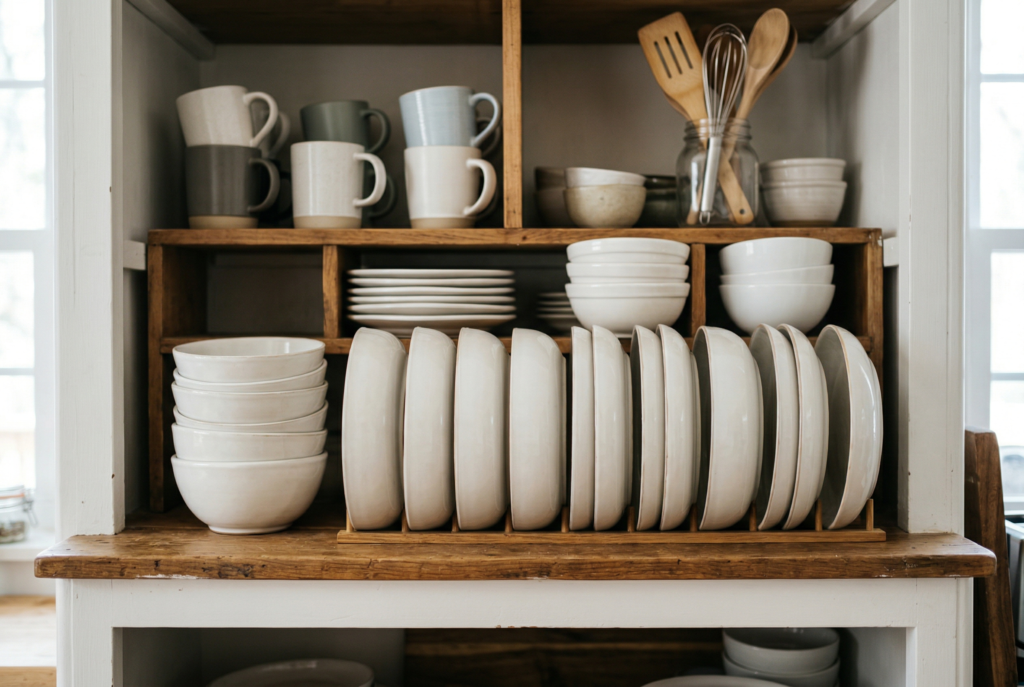
This habit can fit into a home in many different ways. Some people prefer attaching it to an existing routine. For example, while waiting for coffee to brew, you might clear one shelf in the refrigerator. Before brushing your teeth at night, you might throw away expired bathroom products. After dinner, you might quickly sort the day’s paper clutter.
Others prefer a short dedicated session each day, such as ten minutes in the evening or a few minutes before leaving for work. Either approach can work well. What matters most is regularity.
Here are a few examples of micro-decluttering in action. You remove two mugs you never use from the kitchen cabinet. You clear old makeup from one bathroom drawer. You pull three unworn shirts from the closet. You sort a stack of papers instead of moving it to another surface. You remove broken pens, dried-out markers, and random duplicates from a desk drawer. Each task is small, but each one improves how the home functions. That’s what makes the habit powerful.
Why the Method Feels Less Overwhelming Than Traditional Decluttering
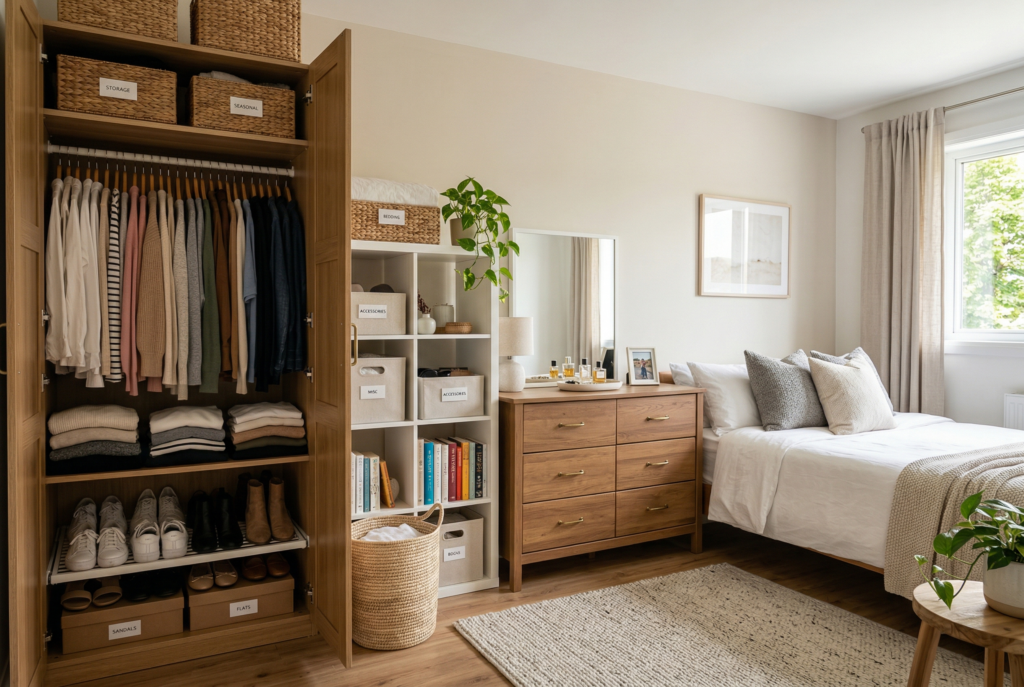
Traditional decluttering advice can sometimes create pressure. It often emphasizes big transformations, dramatic before-and-after results, and all-day organizing sessions. That works for some people, but for many, it creates resistance. If a project feels too large, people postpone it. Then the clutter stays, and the guilt grows.
The micro-decluttering method lowers that pressure. Because the commitment is small, it’s easier to begin. Because the sessions are short, they fit more naturally into real schedules. Because the focus is narrow, decisions feel more manageable.
This method also reduces emotional fatigue. Large decluttering sessions often require making many decisions in a row, which can become mentally exhausting. Micro-decluttering spreads those decisions across time. That makes it easier to stay thoughtful and avoid burnout.
The Best Areas for Daily Micro-Decluttering
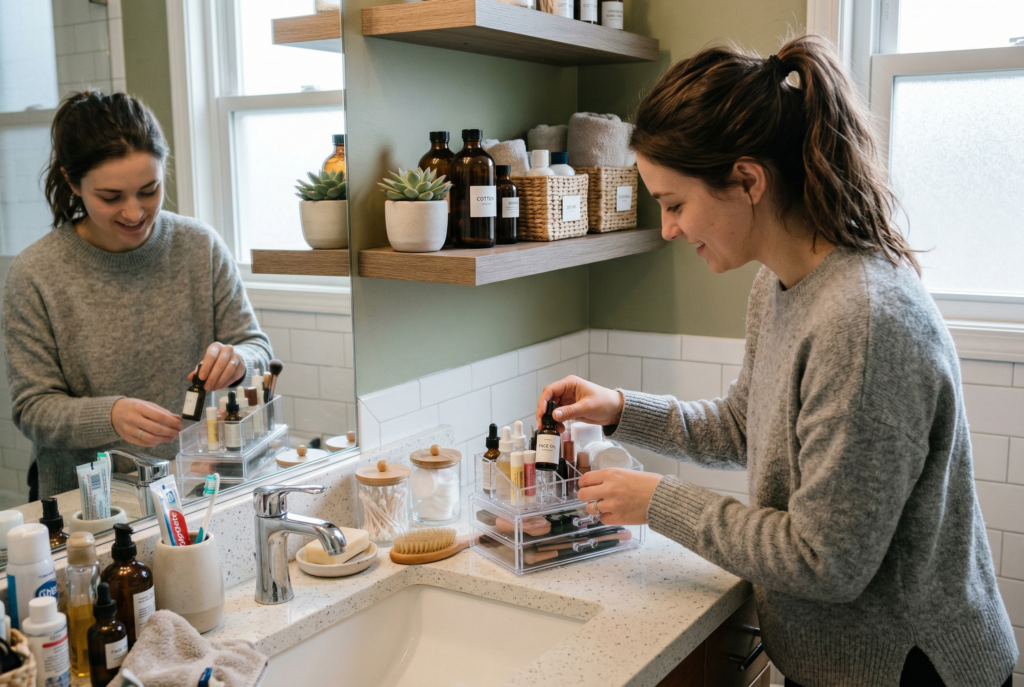
Certain spaces respond especially well to this method because they collect low-level clutter constantly. Kitchens are a strong example. One shelf, one drawer, or one pantry section can often be improved in just a few minutes. Bathrooms are another good area because products multiply quickly and small storage spaces become crowded fast.
Bedrooms also benefit from micro-decluttering, especially closet corners, nightstands, and dresser tops. Entryways are ideal because they tend to gather shoes, bags, mail, and random drop-zone clutter. Living rooms can benefit too, especially when shelves, baskets, or side tables start holding things that belong elsewhere. The best place to micro-declutter is usually the one that creates the most daily friction. When a small change makes the routine easier, the habit feels immediately worthwhile.
How Micro-Decluttering Helps Keep Your Home Effortlessly Organized
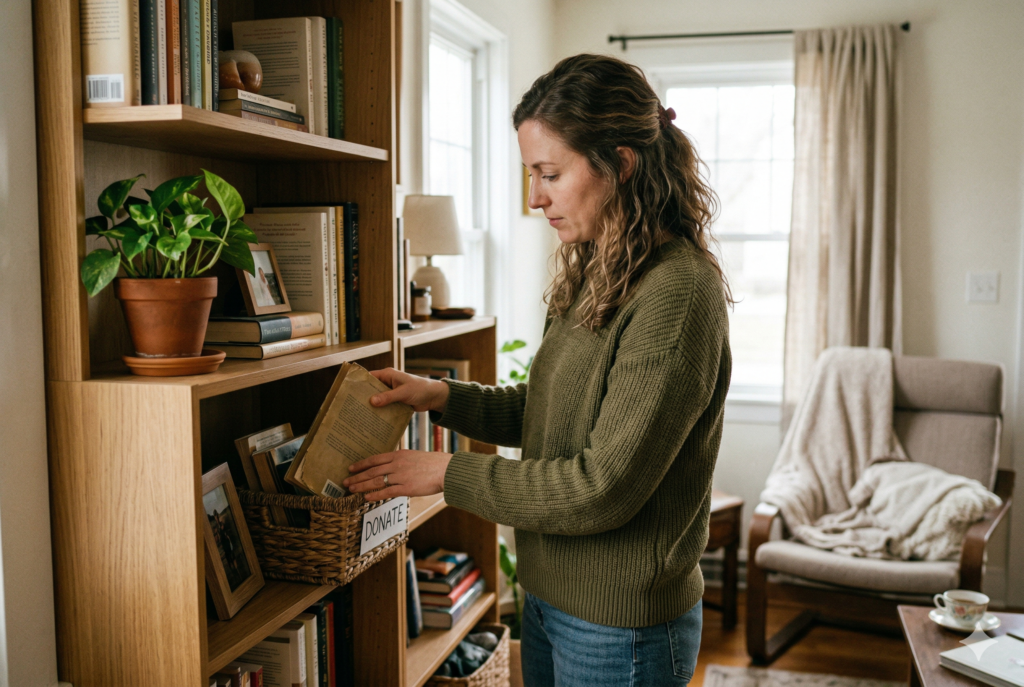
No home stays organized without any effort at all, but micro-decluttering helps create something close to that feeling. Because clutter is handled in small, steady amounts, the home doesn’t swing as dramatically between tidy and overwhelming. Surfaces stay clearer. Storage works better. Rooms require less intense catch-up work.
That’s where the sense of effortless organization comes from. It isn’t magic, and it isn’t perfection. It’s the result of reducing excess before it has a chance to pile up. Instead of needing a major reset every few weeks, you’re making small adjustments all the time. This also helps with cleaning. When there’s less unnecessary stuff in the way, counters are easier to wipe, floors are easier to vacuum, and rooms are easier to reset. The whole home begins to feel lighter and more manageable.
Conclusion
The micro-decluttering method offers a simple daily habit for reducing clutter and keeping your home more organized without the stress of major cleanout sessions. By focusing on small zones, short time frames, and realistic decisions, it helps prevent clutter from building into something overwhelming.
This approach works because it fits real life. It supports busy schedules, lowers mental resistance, and creates steady progress that adds up over time. When you declutter in small, repeatable ways, your home becomes easier to manage, easier to clean, and much more likely to stay calm and organized every day.
Related Articles
- How to Create a Daily Decluttering Routine for a Simpler, Clutter-Free Home
- Practical Ways to Break the Cycle of Procrastination in Home Organization and Build Consistent Decluttering Habits
- 5 Top Tips for Decluttering Your Small Home as a Busy Mom and Creating Calm
- 12 Common Decluttering Mistakes to Avoid: Expert Tips to Keep Your Home Cleaner, More Organized, and Clutter-Free
- 10 Busy Morning Routine Organization Tips to Cut Chaos, Save Time, and Make Your Day Start Smoothly
- 7 Simple Evening Reset Routine Habits to Unwind, Clear Your Mind, and Wake Up Feeling in Control