A calm home rarely happens by accident. It develops from daily decisions about what stays, what leaves, and how each space supports your routines. Clutter builds quietly over time through busy schedules, online shopping habits, sentimental attachments, and the natural flow of life. Before long, surfaces fill up, closets overflow, and rooms feel heavier than they should.
Across many households, people are balancing work responsibilities, family life, social commitments, and digital overload. When physical environments feel chaotic, mental clarity often suffers. Research in environmental psychology consistently shows that visual clutter increases stress levels and reduces focus. A clutter free home supports emotional balance, productivity, and better rest.
Decluttering works best when it focuses on clarity and purpose. Instead of chasing a perfectly bare space, the goal is to create thoughtful systems that support your daily habits and make your home function more smoothly. The following strategies combine practical experience, behavioral insight, and sustainable organization principles to help you create a calm, functional environment that lasts.
Understand Why Clutter Accumulates
Decluttering starts with awareness. Most homes don’t become cluttered because people are careless. Clutter builds due to postponed decisions. Items stay because you might need them later, feel guilty discarding them, or simply don’t know where they belong.
Common causes include:
- Emotional attachment to gifts or past purchases
- Fear of needing something in the future
- Lack of designated storage zones
- Overbuying due to sales and convenience
- Busy schedules that delay organizing
When you identify the root causes in your own home, solutions become clearer. If impulse purchases are the issue, mindful buying habits must change. If storage systems are unclear, structure must improve. Decluttering works best when it addresses behavior, not just objects.

Start Small to Build Momentum
Many people feel overwhelmed at the thought of organizing an entire home. Large scale purges often fail because they’re exhausting and unrealistic.
Instead, begin with a single drawer, one shelf, or a specific category like shoes or kitchen utensils. Completing a small project builds confidence and reinforces progress. Momentum grows naturally when success feels attainable.
Set a timer for twenty minutes. Work within that window and stop when time is up. This prevents burnout and encourages consistency. Short sessions done regularly are more sustainable than marathon organizing days that leave you drained. Long term progress comes from steady, repeatable habits. Small actions done consistently create far more lasting change than occasional bursts of effort.
Focus on Function Before Aesthetics
A calm home isn’t defined by matching storage bins or perfectly styled shelves. It’s defined by ease of use. If daily routines feel smoother, your system is working.
In high traffic areas like kitchens and entryways, prioritize accessibility. Everyday items should be easy to reach. Seasonal or rarely used items can be stored higher or further away.
Ask practical questions:
- Does this item support my daily life
- Do I use it regularly
- Would I replace it if it were gone
If the answer is no, keeping it likely adds unnecessary weight to your space. Design should follow function. Once systems work efficiently, visual harmony follows naturally.
Create Clear Zones for Every Space
Clutter spreads when items don’t have a designated home. Clear zoning prevents confusion and reduces daily decision fatigue.
In the kitchen, create separate areas for cooking tools, baking supplies, and food storage. In living rooms, assign baskets or cabinets for remote controls, chargers, and magazines. In bedrooms, designate specific drawers for accessories and clothing categories.
Entryways benefit greatly from zoning. Install hooks for coats, a tray for keys, and a bin for mail. When each item has a clear destination, it doesn’t migrate across surfaces.
Zoning works because it reduces friction. When you know exactly where something belongs, returning it takes seconds rather than minutes.
Reduce Visual Noise
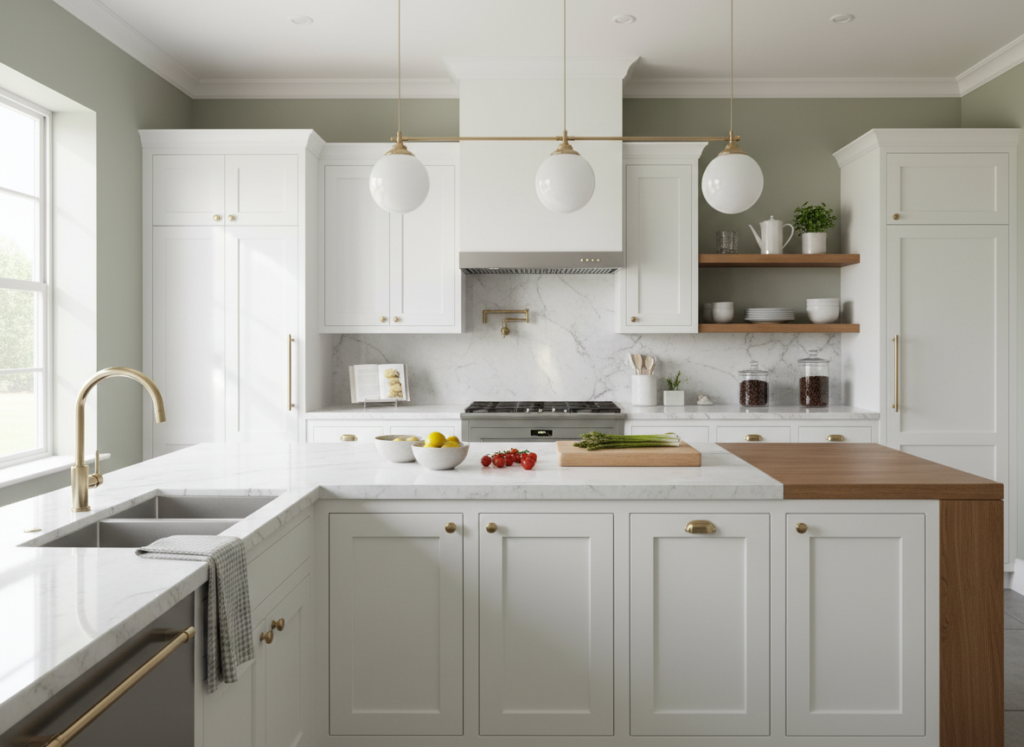
Calm spaces aren’t necessarily empty. They’re visually controlled. Too many items competing for attention create subconscious stress.
Open shelving can feel beautiful, but overcrowding shelves defeats the purpose. Leave breathing room between objects. Combine decorative elements with functional storage in a balanced way.
Closed storage solutions help reduce visual overload. Cabinets, drawers, and baskets conceal everyday essentials while maintaining accessibility. Neutral color palettes and consistent containers also contribute to visual calm. When storage systems match in tone and style, rooms feel cohesive rather than chaotic.
Build Sustainable Daily Habits
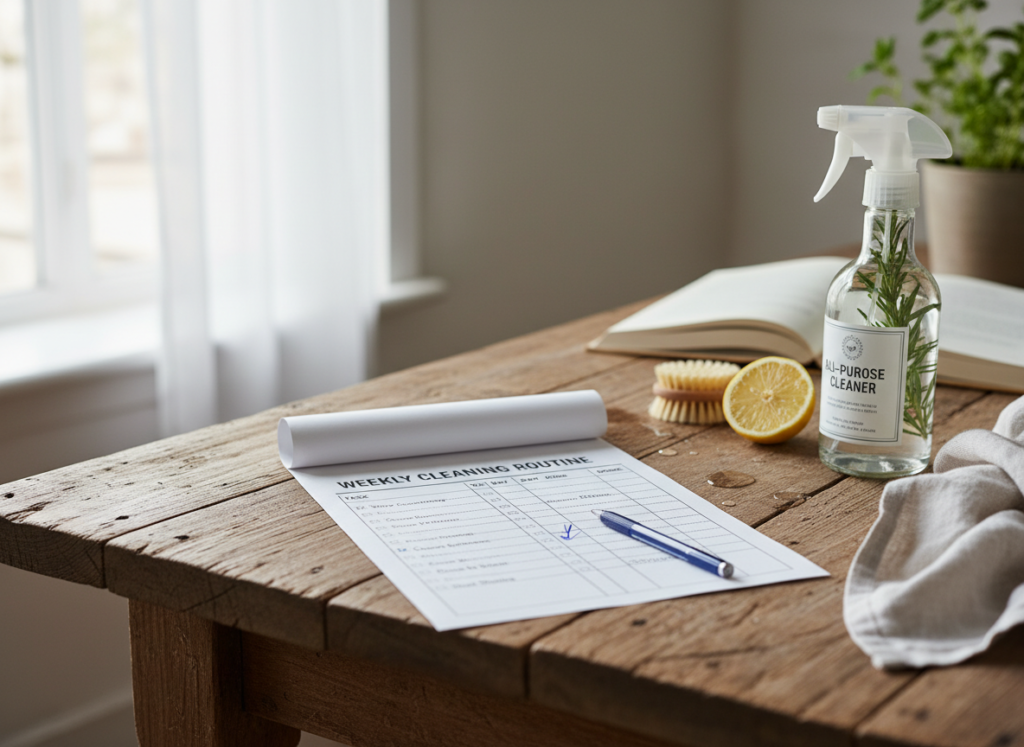
Decluttering isn’t a one time event. Without maintenance, clutter returns. Simple daily resets prevent buildup. Spend five to ten minutes each evening returning items to their zones. Clear kitchen counters before bed. Sort mail immediately rather than stacking it.
Adopt the one in one out guideline. When a new item enters your home, remove a similar one. This keeps volume steady and encourages intentional purchases. Avoid overcomplicating systems. If a storage method feels too rigid, it won’t last. Practical systems align with real life schedules, not idealized routines.
Address Sentimental Items Thoughtfully
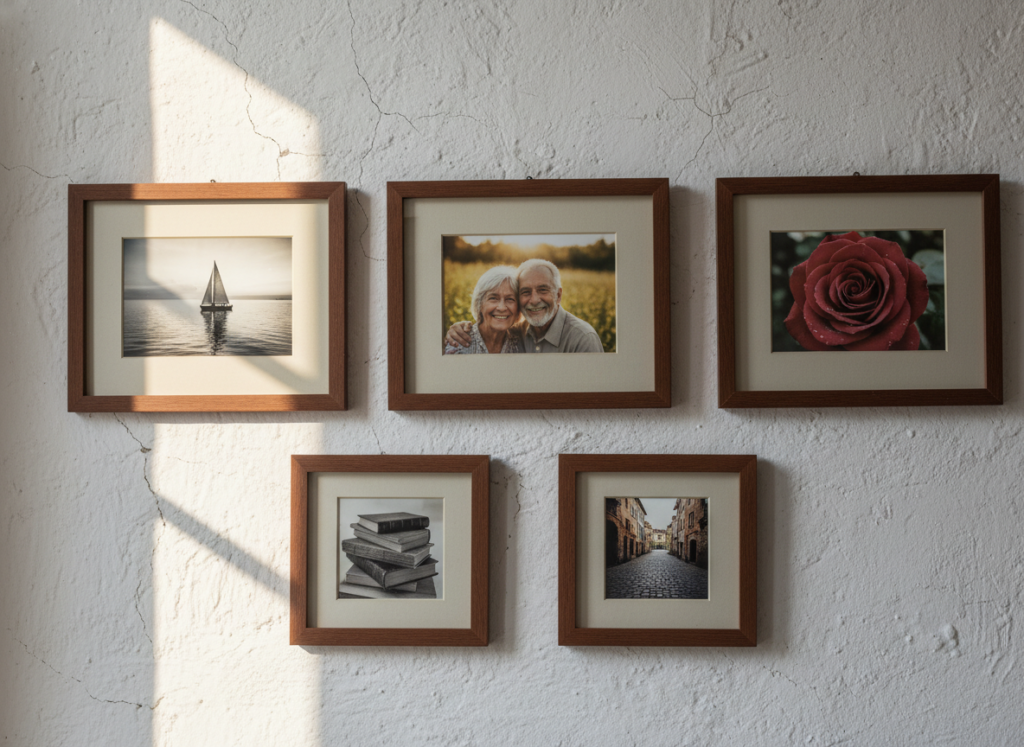
Sentimental clutter is often the hardest to manage. Emotional attachments complicate decisions. Start by separating truly meaningful items from those kept out of obligation. You don’t need to keep every childhood drawing or souvenir. Select representative pieces that carry genuine value.
Consider photographing certain items before letting them go. Digital memories preserve meaning without consuming physical space. Keep sentimental belongings in a defined container or memory box. When space is limited, boundaries become clearer.
Improve Storage Without Over Buying
Decluttering doesn’t require purchasing dozens of containers. In fact, excessive storage solutions can create new clutter. Before buying anything, purge unnecessary items. Often, you already have sufficient space once excess is removed.
If additional storage is necessary, choose versatile, durable options. Adjustable shelving, drawer dividers, and stackable bins adapt as needs evolve. Invest in quality over quantity. Cheap solutions break and require replacement. Durable materials support long term organization.
The Psychological Benefits of a Calm Environment
A clutter free home supports more than organization. It influences mood and mental health. Studies indicate that organized environments correlate with lower stress and improved focus. Visual simplicity allows the brain to relax. When surfaces are clear, tasks feel more manageable.
Sleep quality may also improve in tidy bedrooms. Visual calm signals rest rather than unfinished business. Decluttering fosters a sense of control. In a world filled with unpredictability, managing your physical environment provides stability.
Practical Steps to Begin Today
If you’re unsure where to start, focus on immediate wins:
- Clear one visible surface completely
- Remove trash and obvious duplicates
- Gather items that don’t belong in the room and relocate them
- Identify one drawer to simplify
- Create a donation bag and place it near the exit
These actions produce noticeable change quickly. Small visible improvements build motivation to continue.
Avoid Common Decluttering Mistakes
Trying to organize before reducing possessions often leads to frustration. The organization arranges items. Decluttering reduces them. Without reducing volume first, systems won’t hold.
Another common mistake is comparing your home to curated social media images. Real homes serve real lives. The real goal is to create a space that works well for your daily life and supports a sense of calm. When your home functions smoothly and feels peaceful, that is what truly matters. Finally, don’t attempt to declutter everything in a single weekend. Sustainable change requires pacing and reflection.
Conclusion
Decluttering tips for a calm clutter free home center on intentional decisions, realistic systems, and consistent habits. Calm environments develop from reducing excess, creating clear zones, and aligning storage with daily routines. Small steps build momentum. Practical systems prevent relapse. Visual simplicity supports mental clarity.
You don’t need to adopt extreme minimalism to experience the benefits. You need thoughtful boundaries and manageable habits that fit your lifestyle. When clutter decreases, focus improves, stress lowers, and your home begins to feel supportive rather than overwhelming.
A calm home isn’t measured by the number of things you have, but by how effectively your space supports your routines, reflects your priorities, and makes everyday life feel easier and more at ease. Through steady action and mindful choices, you can create an environment that promotes clarity, balance, and long term ease.
Related Articles
- Essential Steps to Start Decluttering Your Home: Practical Tips for a Cleaner, More Organized Living Space
- 12 Common Decluttering Mistakes to Avoid: Expert Tips to Keep Your Home Cleaner, More Organized, and Clutter-Free
- 12 Daily Habits and Key Characteristics of Highly Organized People for a More Efficient, Clutter-Free Lifestyle
- 12 Habit Tracking Strategies for a Cleaner Home to Build Consistent Routines and Reduce Daily Clutter
- Practical Ways to Break the Cycle of Procrastination in Home Organization and Build Consistent Decluttering Habits
- Top 7 Spaces to Prioritize for Decluttering: Simple Tips to Maximize Home Efficiency and Reduce Clutter