Decluttering feels much easier when you stop trying to make every decision in your head all at once. That’s what makes the 5-box decluttering method so useful. Instead of moving piles around or getting stuck on what to do with each item, you sort everything into five clear categories. It’s simple, fast to learn, and practical for real homes with real mess. Whether you’re clearing a bedroom, kitchen, garage, closet, or entryway, this method can help you reduce clutter without turning the whole house upside down.
What the 5-Box Decluttering Method Is and Why It Works
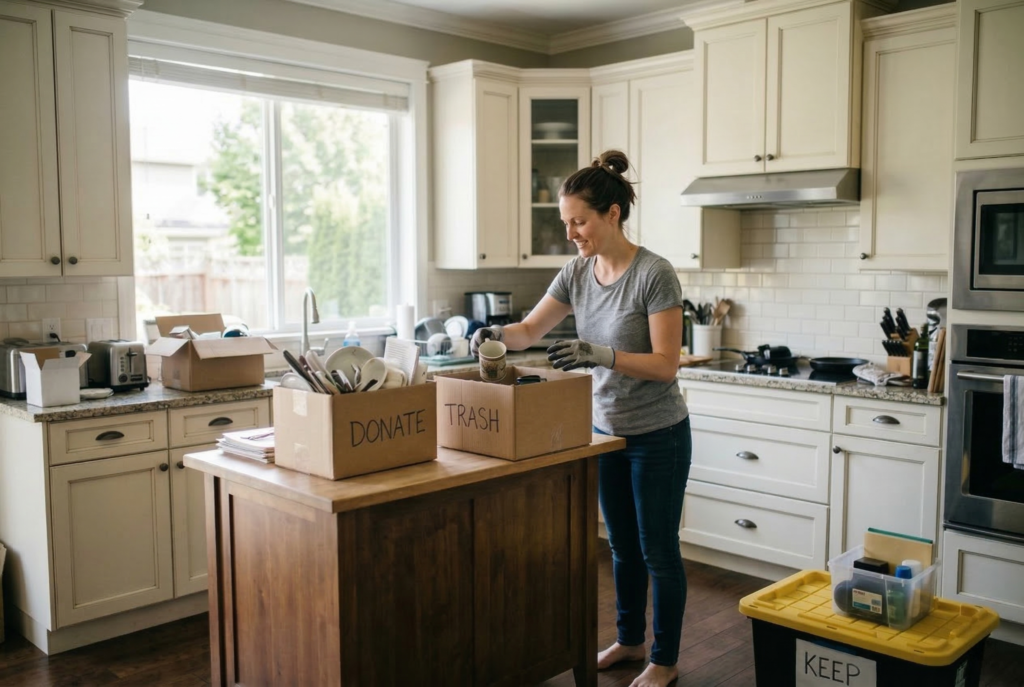
The 5-box decluttering method is a sorting system that gives every item one immediate destination. As you work through a space, each item goes into one of five categories: keep, donate, trash, recycle, or relocate. That structure reduces hesitation because you’re no longer asking endless questions about every object. You’re simply deciding where it belongs.
This method works well because clutter often builds when decisions are delayed. Things sit on counters, floors, shelves, and spare chairs because they haven’t been assigned a clear outcome. The 5-box system speeds that up. It turns decluttering into a more mechanical process, which helps when you feel overwhelmed or short on time.
It’s also effective because it prevents the common mistake of making one big messy pile and promising yourself you’ll sort it later. Later usually becomes another day, then another weekend. The 5-box method gives you a way to finish what you start.
The Five Categories You’ll Use
The method is called the 5-box decluttering method, but the “boxes” don’t have to be literal cardboard boxes. They can be bins, bags, baskets, laundry hampers, or even clearly marked sections of the floor. What matters is that each category is easy to see and easy to use.
Here’s what each one means:
- Keep for items that belong in the space and are worth keeping
- Donate for usable items you no longer need
- Trash for broken, expired, damaged, or unusable items
- Recycle for paper, packaging, and recyclable household materials
- Relocate for items that belong somewhere else in the home
That last category is especially helpful because so much visible clutter comes from things being in the wrong room. Shoes in the bedroom, mail on the kitchen counter, toys in the hallway, and random chargers in the living room all create visual mess even when they’re items you plan to keep.
How to Set Up Before You Start
A good setup makes decluttering faster. Label your five containers or designate each category clearly before touching the clutter. This reduces mental friction once you begin. If you have to stop and figure out where things go every few minutes, the process becomes slower and more frustrating.
Start with one small area instead of an entire room. A single drawer, one shelf, a bathroom cabinet, or the top of a dresser is enough. Smaller zones create momentum and lower the chances of burnout. Once you finish one section completely, you can move on to the next. It also helps to keep a timer nearby. Many people make better decisions when they work in short bursts, such as 15 or 20 minutes. This keeps the task focused and stops it from feeling like an all-day project.
Start With Visible Clutter for a Quick Win
If you’re feeling stuck, begin with what you can see easily. Countertops, floors, tabletops, nightstands, and open shelving often give you the fastest visual improvement. That quick win matters because decluttering is easier to continue when the space starts looking better early on.
Visible clutter also tends to contain obvious decisions. Empty packaging, expired papers, misplaced items, and duplicates are often easier to sort than deeply sentimental belongings. That makes these areas a smart entry point, especially if you’ve been putting off organizing for a while. Once the most visible surfaces are clearer, the room usually feels more manageable. That can give you enough momentum to tackle drawers, cabinets, and hidden storage next.
How to Make Faster Decisions Without Overthinking
One of the biggest reasons decluttering drags on is overthinking. You pick up one item and suddenly you’re debating what you might do with it someday, whether you paid too much for it, or whether you might need it in a completely unlikely situation six months from now.
The 5-box method works best when you keep decisions simple. Ask a few grounded questions:
- Do I use this?
- Do I need this?
- Does it belong here?
- Would I buy it again today?
- Is it in good enough condition for someone else?
If the answer is clear, move the item immediately. Don’t set it aside to “think about later” unless it’s truly a difficult decision. Too many undecided items can slow the whole process and create a sixth category the method was supposed to eliminate.
Use the Relocate Box Carefully So It Doesn’t Become a Delay Pile

The relocate box is one of the most useful parts of this system, but it can also become a trap if you aren’t careful. It’s meant for items that belong elsewhere in your home, not for items you don’t want to deal with right now.
For example, if you’re decluttering the kitchen and find sunglasses, batteries, and a phone charger, those can go in relocate. If you find a stack of paperwork you keep avoiding, that probably needs a more specific decision, not automatic relocation. The key is to empty the relocate box at the end of each session. Don’t let it become another pile that moves from room to room. Put those items back where they actually belong before you stop for the day. That’s what keeps the system effective.
Room-by-Room Tips for Using the 5-Box Method
Different spaces create different types of clutter, but the method still applies well in each one.
In the kitchen, watch for duplicate utensils, expired pantry items, random containers without lids, and gadgets you never use. These often move quickly into trash, recycle, or donate. In the bedroom, the biggest wins often come from clothing, accessories, books, papers, and items that were dropped there temporarily. The relocate category is usually especially helpful here.

In the bathroom, it’s often easiest to start with expired products, samples you’ll never use, old makeup, and half-finished bottles. These areas usually contain more obvious trash than people expect. In living areas, clutter often comes from accumulation rather than one big mess. Magazines, cords, toys, mail, blankets, and decorative items that no longer fit the room can all be sorted more easily with this system.
Closets and storage spaces may take longer, but the same logic applies. The method keeps decisions moving instead of letting every item become a long emotional debate.
What to Do With the Boxes Right Away
The 5-box method only works fully if the contents actually leave the space. Once you’ve finished a round of decluttering, deal with each category promptly.
Trash should go straight to the outside bin. Recycling should be moved to your regular recycling area. Donation items should go into your car, near the door, or directly to the donation center as soon as possible. Keep items should be put away immediately. Relocate items should be returned to their proper rooms the same day. This step matters because sorted clutter is still clutter if it stays in the house too long. The faster each category reaches its final destination, the more complete the decluttering session feels.
Why This Method Is So Helpful for Busy Households
A lot of decluttering advice sounds good in theory but feels unrealistic in a busy home. The 5-box decluttering method works well because it doesn’t require a perfect schedule, a huge block of time, or fancy supplies. It’s flexible enough for quick evening resets, weekend organizing sessions, or seasonal cleanouts.
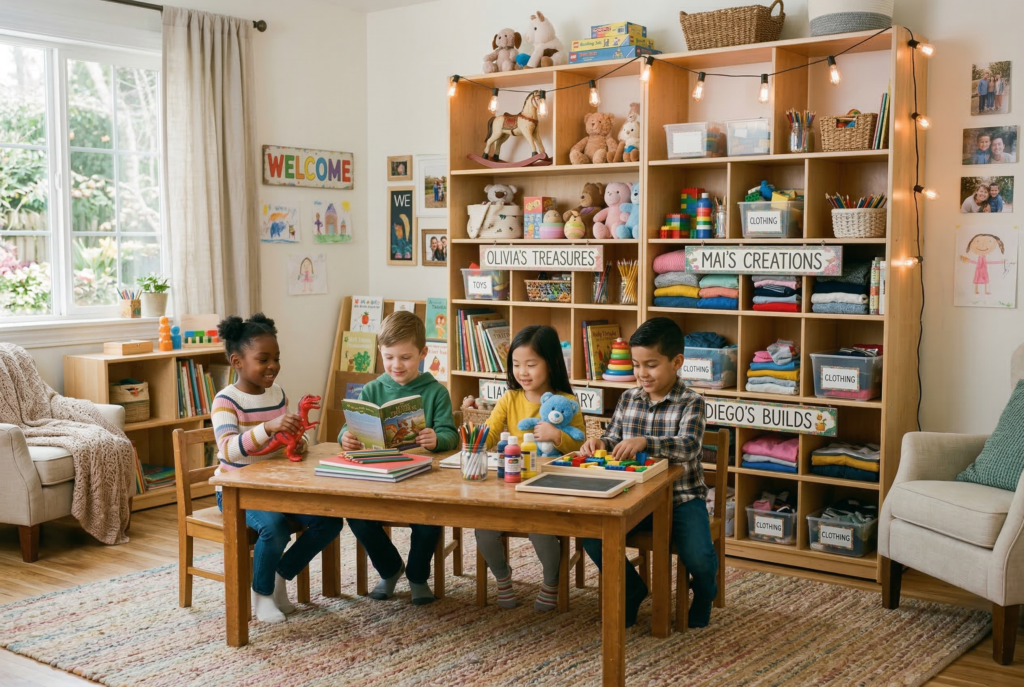
It also works well for families because the categories are easy to understand. Older kids can use the same system for toys, school supplies, or clothing. Shared spaces can be tackled more efficiently because everyone understands the possible outcomes for each item. If your home feels like it gets messy again quickly, this method can also help with maintenance. You don’t have to wait for a major decluttering day. You can use the five categories in small bursts to keep things from building up again.
Common Mistakes to Avoid
One common mistake is starting too big. If you begin with the whole garage, attic, or basement, you’re more likely to get overwhelmed. Smaller zones lead to better follow-through.
Another mistake is keeping donation items in the house for too long. Once they sit around for weeks, they often drift back into use or become part of the clutter again. It also helps to avoid sentimental categories too early. Old photos, keepsakes, childhood items, and inherited belongings can slow momentum. Start with easier categories first so your decision-making muscles get stronger before you reach the harder stuff.
Finally, don’t confuse organizing with decluttering. Containers and labels won’t solve the problem if you’re still keeping too much. The 5-box system works because it reduces volume before you try to organize what remains.
How to Keep Clutter From Coming Back

Decluttering once helps, but maintaining the result matters just as much. After you use the 5-box method, pay attention to what caused the buildup in the first place. Maybe certain items never had a real home. Maybe you’ve been overbuying in certain categories. Maybe a room is trying to do too many jobs at once.
Once the excess is gone, create simple homes for what stays. Use the keep category as a guide for what truly needs accessible storage. Then do small resets regularly instead of waiting for clutter to become overwhelming again. The good news is that once you’ve used this method a few times, it gets faster. You begin to recognize clutter patterns earlier and make decisions with less hesitation.
Conclusion
The 5-box decluttering method is one of the simplest and most practical ways to organize your home and clear clutter fast. By giving every item one of five clear destinations, it reduces decision fatigue and helps you move through messy spaces with more confidence and less stress. Whether you’re tackling a drawer, a closet, or an entire room, this system keeps the process focused and realistic. When you use it consistently and follow through on each box right away, your home becomes easier to manage, easier to organize, and much calmer to live in.