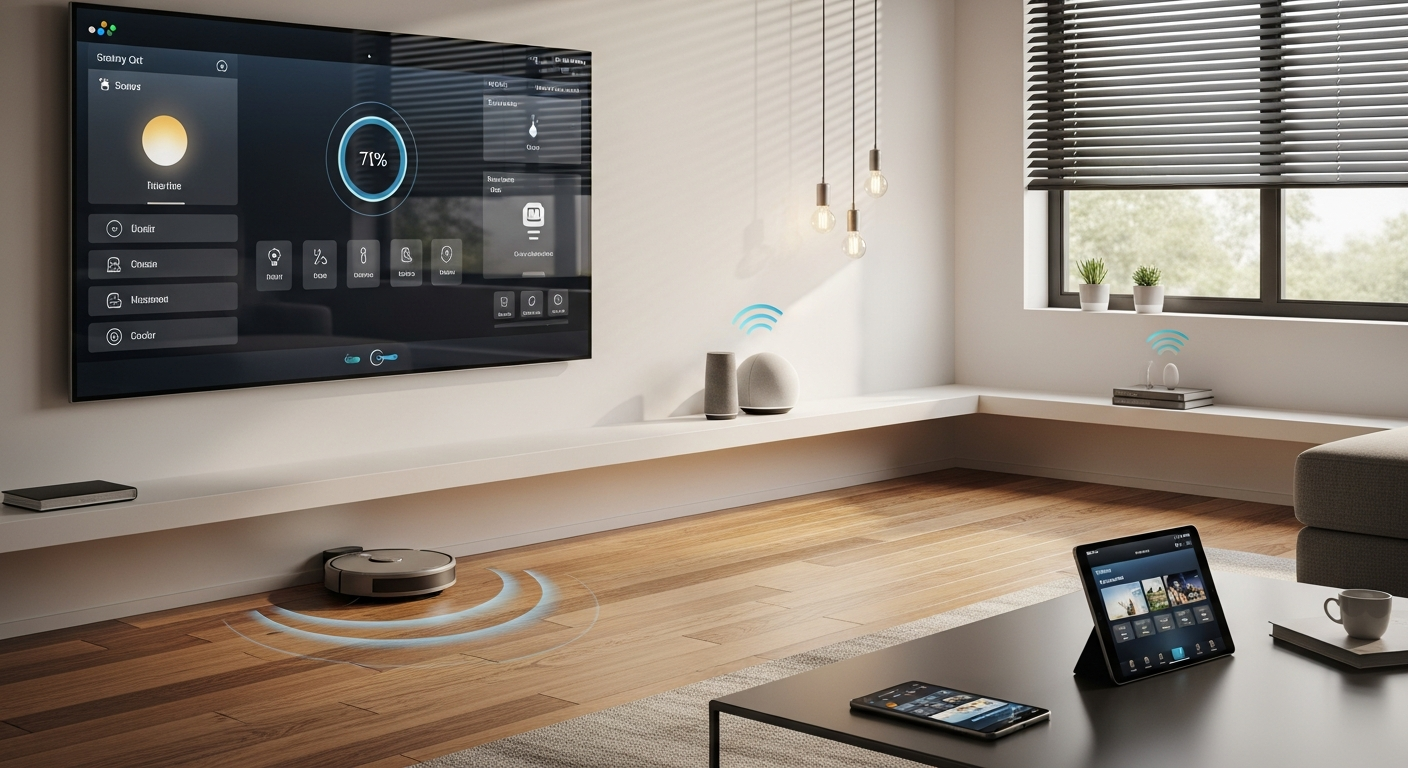
Smart home technology has moved from luxury novelty to practical household standard in a relatively short time. Voice assistants, connected thermostats, security cameras, smart lighting, and app controlled appliances are now common in suburban houses, urban apartments, and newly built communities. As digital ecosystems expand, homes are becoming more responsive, efficient, and personalized than ever before.
For working professionals balancing demanding schedules, parents coordinating family routines, remote employees building functional home offices, and retirees prioritizing comfort and safety, smart home systems influence everyday decision making. The integration of automation and connectivity affects energy use, security habits, entertainment preferences, and even long term property value.
Understanding how smart home technology changes daily life helps households make informed investment choices and create living spaces that align with evolving needs.
The Shift Toward Connected Living
High speed internet access and smartphone adoption have laid the foundation for smart home growth. As device compatibility improves, homeowners can manage multiple systems from a single interface. Lights, locks, thermostats, doorbells, and speakers communicate seamlessly within integrated platforms.
This connectivity streamlines daily routines. Instead of adjusting settings manually, residents schedule or automate tasks. Morning routines may trigger lights, temperature adjustments, and news briefings simultaneously. Evening routines can activate security systems and dim lighting automatically.
Connected living enhances convenience while reducing repetitive manual tasks. Time saved through automation supports productivity and relaxation.
Energy Efficiency and Cost Management
One of the most practical benefits of smart home technology is improved energy management. Smart thermostats learn household patterns and adjust heating or cooling accordingly. They reduce energy use when residents are away and optimize comfort when they’re home.
Smart lighting systems automatically turn off unused lights or adjust brightness based on natural daylight levels. Energy monitoring plugs track appliance consumption, helping households identify inefficiencies.
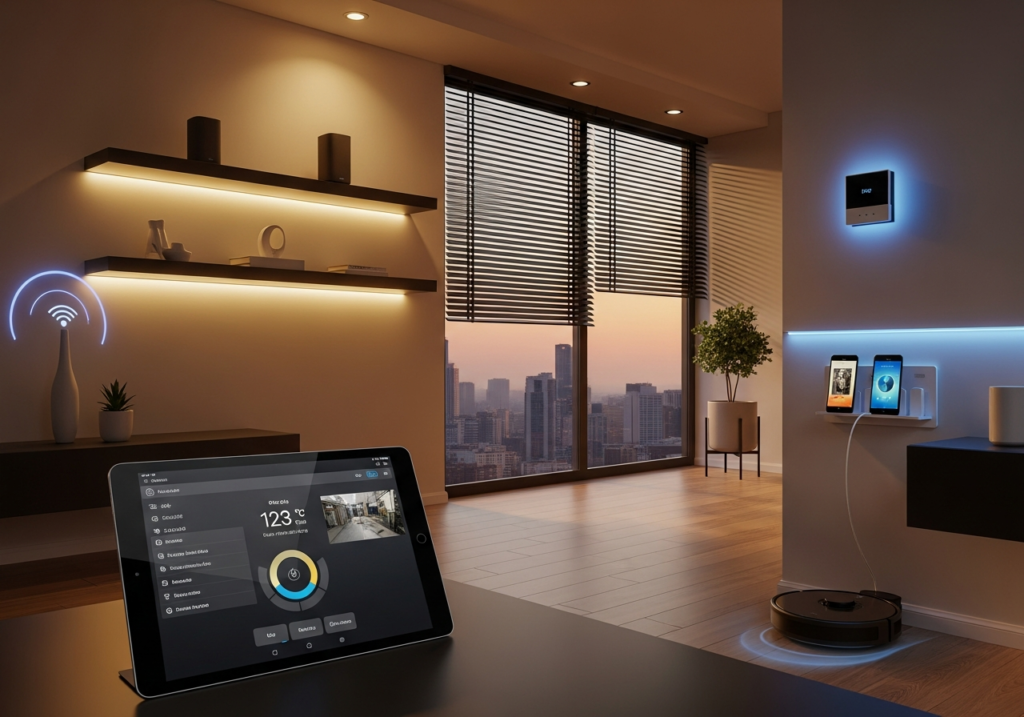
Gradually, these adjustments lower utility bills and reduce environmental impact. For families managing tight budgets, improved energy efficiency strengthens financial stability. For environmentally conscious homeowners, reduced consumption aligns with sustainability goals. Energy data visibility encourages more intentional usage decisions.
Enhanced Security and Peace of Mind
Home security has evolved significantly with smart technology. Video doorbells provide real time alerts and live footage when visitors approach. Smart locks allow remote locking and unlocking, eliminating concerns about lost keys. Motion sensors notify homeowners of unusual activity.
Many systems integrate directly with smartphones, enabling instant monitoring from anywhere. Parents can verify when children arrive home from school. Travelers can monitor deliveries and confirm doors remain secured.
Modern security platforms often include cloud storage and encrypted data transmission, improving reliability. While no system eliminates all risk, smart security tools increase awareness and response speed.
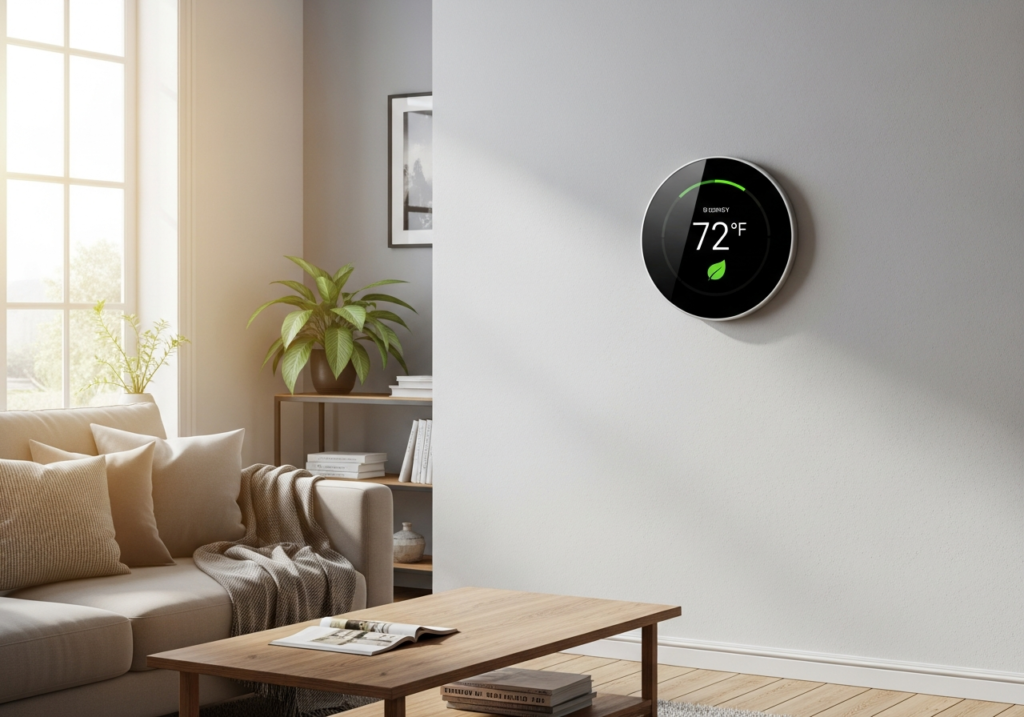
Peace of mind plays a central role in home satisfaction. Responsive security systems contribute to a greater sense of control.
Voice Assistants and Everyday Convenience
Voice controlled assistants have transformed how households interact with technology. Through simple commands, users adjust lighting, set reminders, control music, check weather forecasts, and manage connected appliances.
For busy households, hands free control streamlines multitasking. Cooking while adjusting timers, managing grocery lists while cleaning, or controlling media while relaxing becomes seamless.
Accessibility benefits also deserve attention. Individuals with mobility limitations or age related challenges gain greater independence through voice commands and automated controls. Convenience extends beyond novelty. When implemented thoughtfully, voice integration enhances daily efficiency.
Remote Work and Smart Home Integration
The rise of remote and hybrid work has accelerated smart home adoption. Dedicated home offices now rely on stable connectivity, controlled lighting, and comfortable temperature settings.
Smart lighting reduces eye strain during video calls. Automated window shades adjust brightness throughout the day. Integrated sound systems support focused work sessions or virtual meetings.
Professionals managing remote careers benefit from structured automation. Scheduled routines can signal workday transitions, reinforcing boundaries between professional and personal time. Technology that supports productivity also improves work life balance.
Health, Wellness, and Environmental Control
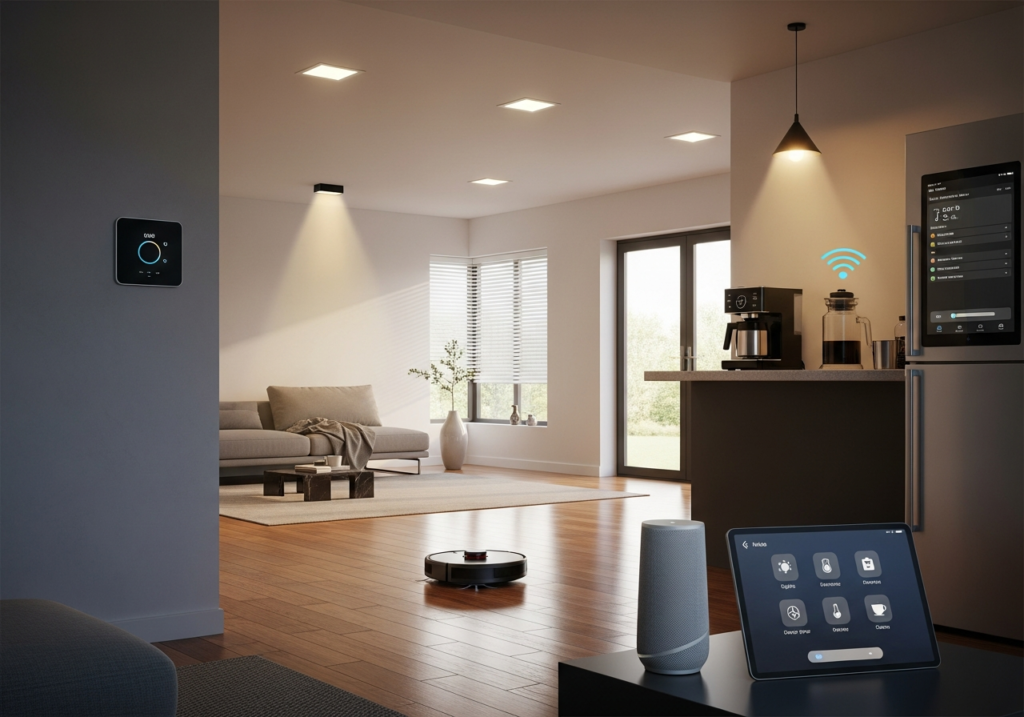
Indoor air quality and environmental comfort influence overall well being. Smart air purifiers monitor air particles and adjust filtration automatically. Humidity sensors maintain balanced moisture levels. Smart mattresses and lighting systems support healthier sleep patterns through circadian rhythm alignment.
Wellness oriented households appreciate real time environmental data. Tracking temperature, humidity, and air quality provides actionable insights.
Personalized climate control ensures each family member experiences optimal comfort. Zoned systems allow different temperature preferences across rooms. Health focused integration transforms homes into supportive living environments rather than passive spaces.
Common Smart Home Devices Enhancing Modern Living
Several core categories of devices contribute significantly to daily home experience:
- Smart thermostats with adaptive scheduling
- Video doorbells and indoor security cameras
- Smart lighting systems with programmable scenes
- Voice assistants integrated with multiple devices
- Smart plugs and energy monitoring outlets
- Automated window shades and garage door controls
Selecting devices based on actual household needs prevents unnecessary complexity. Integration works best when systems complement rather than overwhelm daily routines.
Common Misconceptions About Smart Homes
One widespread misconception is that smart homes are overly complex or only suitable for technology enthusiasts. In reality, many systems are designed with intuitive interfaces and accessibility in mind, making them usable across age groups.
Privacy concerns are another common hesitation. While smart systems collect data, reputable providers emphasize transparency, user control, and secure data handling. Educated homeowners can choose solutions that align with their comfort level regarding information sharing.
There is also a belief that automation reduces personal control. Most smart comfort systems allow manual overrides and customization, ensuring homeowners remain in charge of their living environment.
Trade offs and Alternatives
Smart home comfort solutions require careful planning. Initial costs, device compatibility, and learning curves can pose barriers for some households.
For renters or those seeking flexibility, modular or standalone devices offer effective alternatives. Smart plugs, portable air quality monitors, and adaptive lighting can deliver meaningful comfort improvements without permanent installation.
Evaluating trade offs ensures technology remains a tool for comfort rather than a source of stress. The most effective smart homes are those that match the user’s lifestyle, not the highest level of automation available.
Conclusion
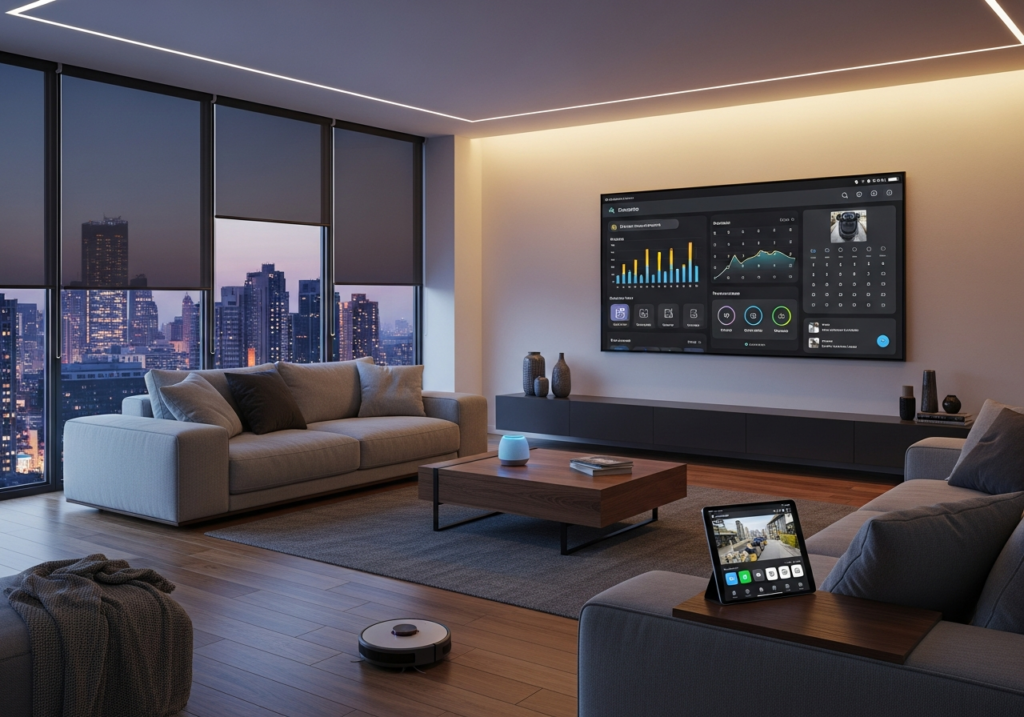
Smart home comfort solutions represent a significant evolution in how homes support daily living. Driven by AI, connectivity, and health focused design, these systems are shaping a future where homes respond intuitively to human needs.
For every household, the opportunity lies in thoughtful adoption. By understanding current trends, emerging innovations, and practical limitations, homeowners can create living environments that feel calmer, healthier, and more manageable.
A relaxed home environment isn’t achieved through technology alone. It’s built through intentional choices that prioritize comfort, efficiency, and wellbeing. When smart home solutions are integrated with care, they become a quiet foundation for a better quality of life.