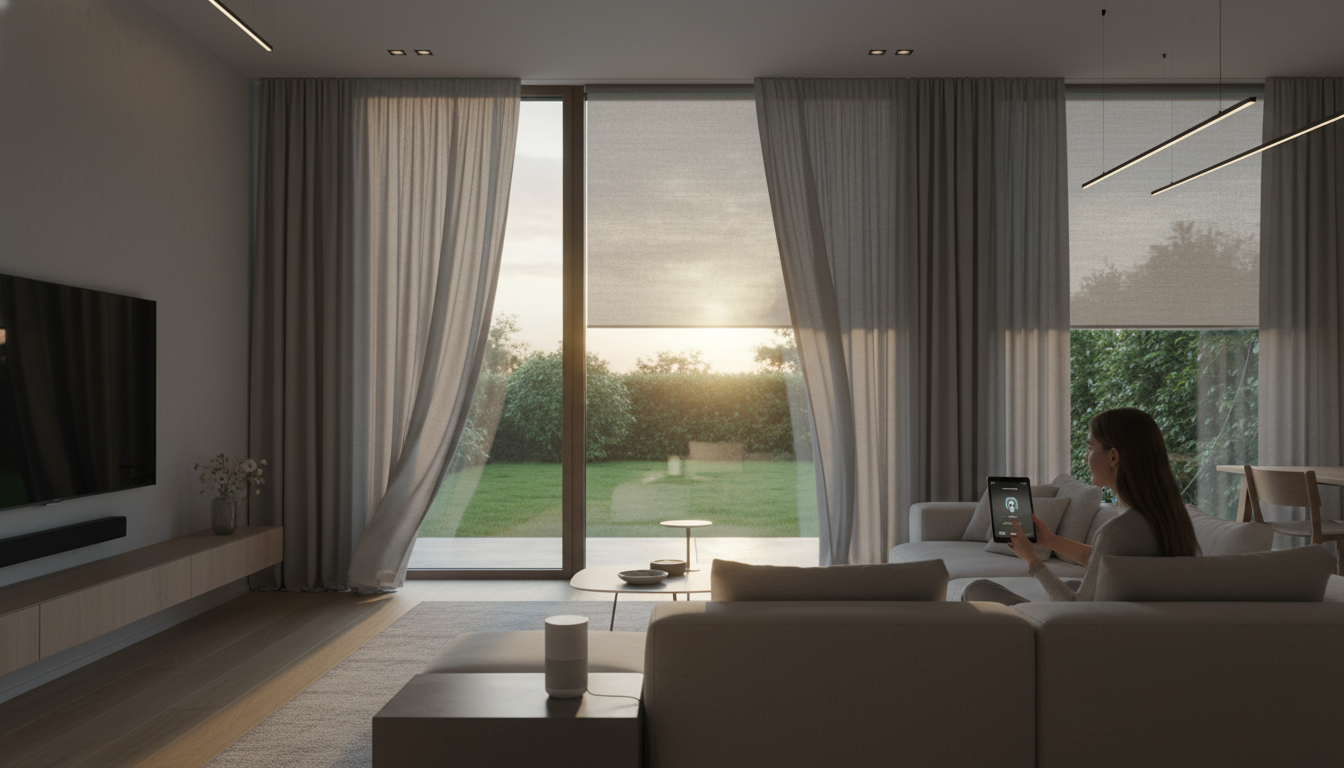
Smart home technology has revolutionized the way we interact with our living spaces, and one of the most innovative ways to bring convenience and efficiency into your home is by automating your window coverings. Smart curtains and motorized blinds allow you to control natural light, enhance privacy, and even save energy: all with a touch of a button or a simple voice command. But with so many options available, how do you choose the best one for your home?
In this article, we’ll explore the pros and cons of smart curtains and window automation systems, guide you through key features to consider, and help you find the perfect smart window treatment to suit your needs.
1. Why Automate Your Curtains or Blinds?
Automating your window coverings offers numerous benefits, making daily life more convenient and your home more energy-efficient. But beyond convenience, smart curtains and blinds can enhance the aesthetic appeal of your home, create a comfortable living environment, and provide better privacy control.
Key Benefits
- Convenience: Set schedules, voice commands, or app-based controls to open or close your curtains automatically, without needing to move an inch.
- Energy efficiency: Smart window coverings help optimize energy use by adjusting based on weather and time of day, keeping your home cooler in summer and warmer in winter. This can significantly reduce your energy bills.
- Privacy and security: Use automation to close curtains at night or when you’re away, ensuring your home is private and secure. Many systems offer random timing to simulate occupancy, enhancing security.
- Aesthetic appeal: Modern smart curtains add a sophisticated touch to your home, blending function with design to complement your interior decor.
By embracing smart curtains, you’re investing in a product that offers both form and function, enhancing your home’s efficiency and overall ambiance.
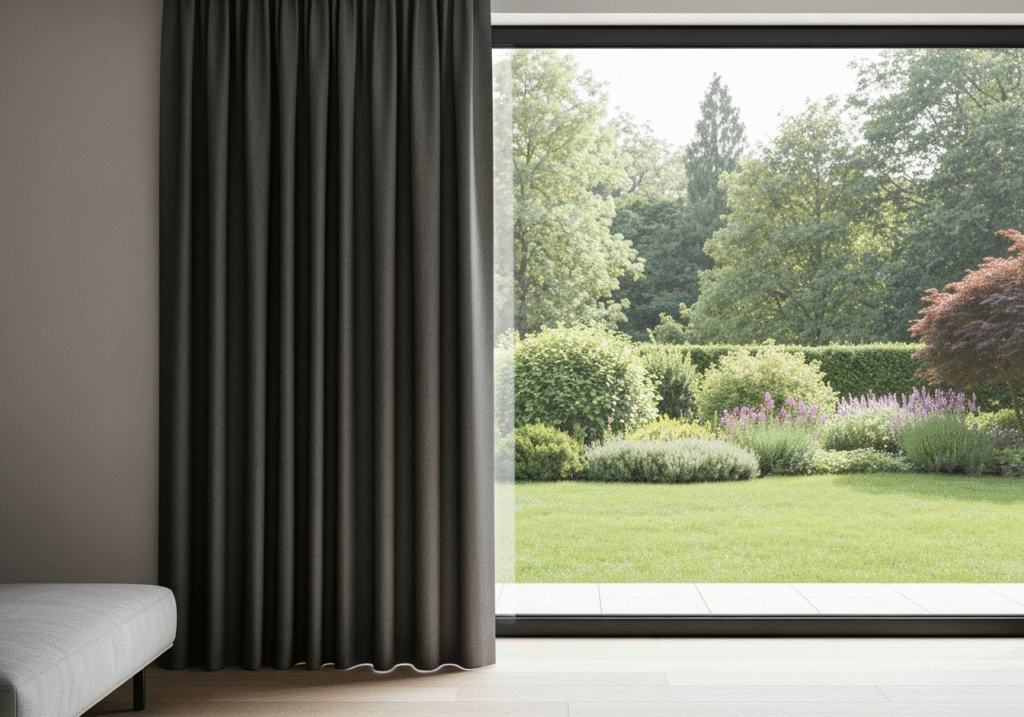
2. Types of Smart Window Treatments
There are several types of motorized window treatments that fall under the umbrella of “smart curtains,” each offering unique features. Understanding the different types will help you decide which one fits best with your lifestyle and home.
Motorized Curtains
These are traditional curtains equipped with motorized systems that can open and close via app control, remote control, or voice commands. Ideal for larger windows, they offer a smooth, luxurious feel.
Motorized Blinds
Blinds can be equipped with motorized systems to raise, lower, or adjust the slats based on your preferences. They’re available in different styles, including roller blinds, zebra blinds, and Roman blinds. Motorized roller shades are particularly popular for a sleek, modern look.
Smart Shades
Smart shades combine the functionality of blinds with the softness of curtains. They often feature energy-efficient fabrics that help block UV rays, providing comfort and light control without the bulk of traditional curtains.
Each type of window treatment offers its own set of benefits, so it’s essential to determine which style aligns with your home’s needs, whether it’s for privacy, light control, or energy savings.
3. Control Options: How to Operate Your Smart Curtains
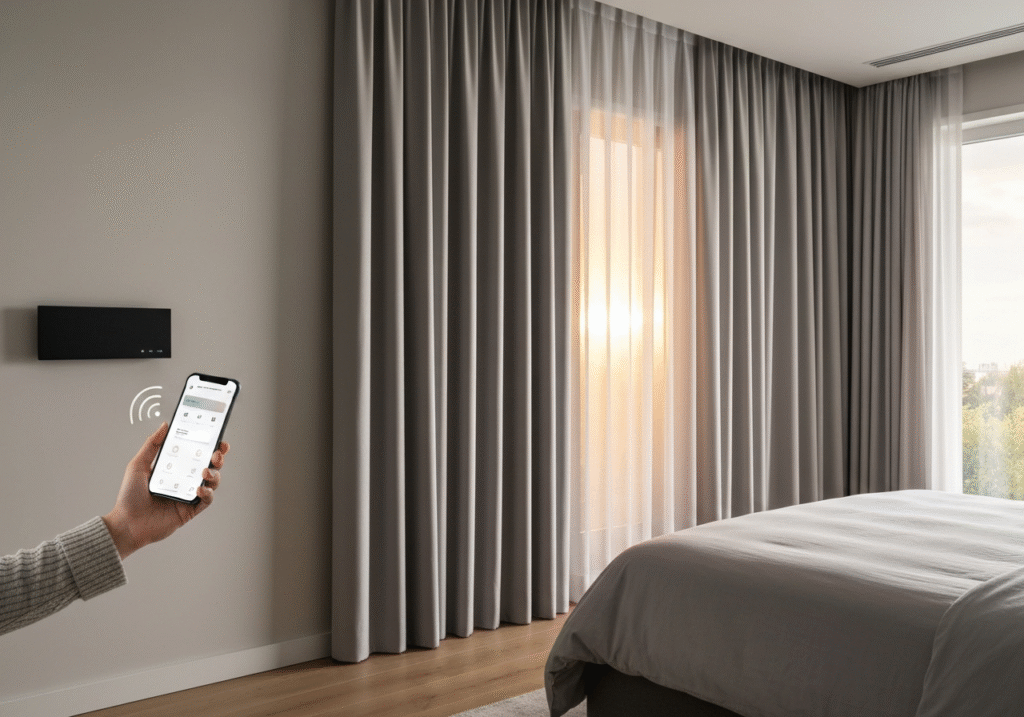
One of the main selling points of smart curtains and blinds is their ease of control. There are several ways to manage your automated window treatments, depending on the level of customization and convenience you desire.
App-Controlled Curtains
Most smart curtain systems come with an app that allows you to control your window coverings remotely. Whether you’re sitting on the couch or at work, you can open, close, or adjust the settings with a few taps on your phone. This is particularly convenient if you’re looking for easy integration into your daily routine.
Voice-Controlled Blinds
For homes equipped with voice assistants like Amazon Alexa, Google Assistant, or Apple HomeKit, voice control makes adjusting your curtains or blinds as simple as saying, “Hey Siri, close the curtains.” This hands-free option is perfect for those who value convenience and want to control multiple smart devices at once.
Scheduled Automation
Many systems allow you to set schedules, so your curtains automatically open or close at specific times of the day. For example, you could set your curtains to open at sunrise and close at sunset, or have them adjust based on the temperature to maximize energy efficiency. These versatile control options make smart curtains not just a luxury but a practical solution for modern living.
4. Smart Curtain Systems: Integration with Your Smart Home
When choosing a smart curtain or blind system, integration with your other smart home devices should be a key consideration. The best systems seamlessly integrate with your smart home ecosystem, allowing you to control everything with ease.
Integration with Smart Home Hubs
Smart curtains work well with major smart home hubs such as Amazon Alexa, Google Home, and Apple HomeKit. This allows you to control your curtains alongside other devices like smart lights, thermostats, and security systems, providing an all-in-one solution for home automation.
Compatibility with Smart Sensors
Some smart curtain systems also integrate with motion sensors or smart thermostats. For example, if your system detects that no one is in a room, it can automatically close the curtains to save energy, or adjust the blinds if the room gets too hot. This integration helps automate your home’s energy usage, comfort, and security, creating a smarter, more efficient living environment.
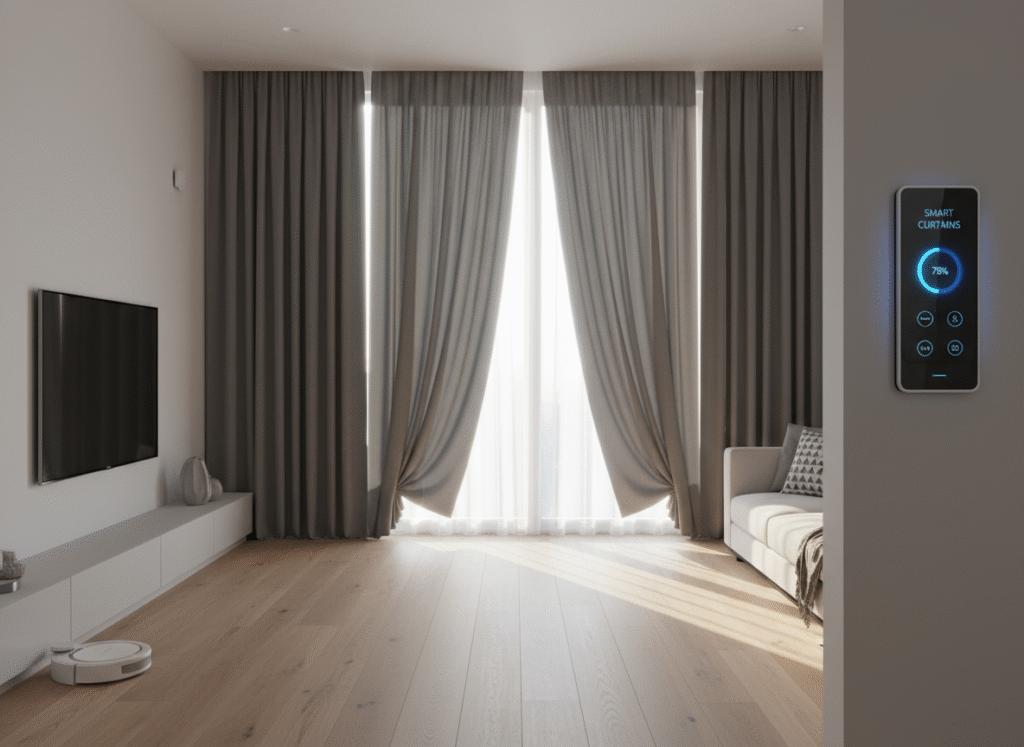
5. Factors to Consider When Choosing Smart Curtains
With so many options available, choosing the right smart curtain system requires careful consideration of several factors. Here’s what you need to keep in mind:
1. Budget: Smart curtains and blinds come in a wide price range, depending on the features and brand. While high-end models offer premium features like silence operation and premium fabric choices, more affordable options still offer great functionality for basic needs.
2. Size and weight of windows: Make sure the motor system you choose is compatible with the size and weight of your curtains or blinds. Some motors are better suited for heavy drapes, while others are designed for lighter shades.
3. Noise level: While most smart curtain motors operate quietly, some can be louder than others. If you’re planning to install them in a bedroom or living room, consider how much noise you’re willing to tolerate during operation.
4. Installation complexity: Some systems are simple to install, while others may require professional assistance. Depending on your experience and home setup, you may want to consider whether the installation process is something you can handle on your own or if you need to hire an expert.
5. Maintenance and durability: Consider how much maintenance the system requires. Look for products that offer long-term durability and minimal upkeep, as well as battery life if applicable.
6. Pros and Cons of Smart Curtains
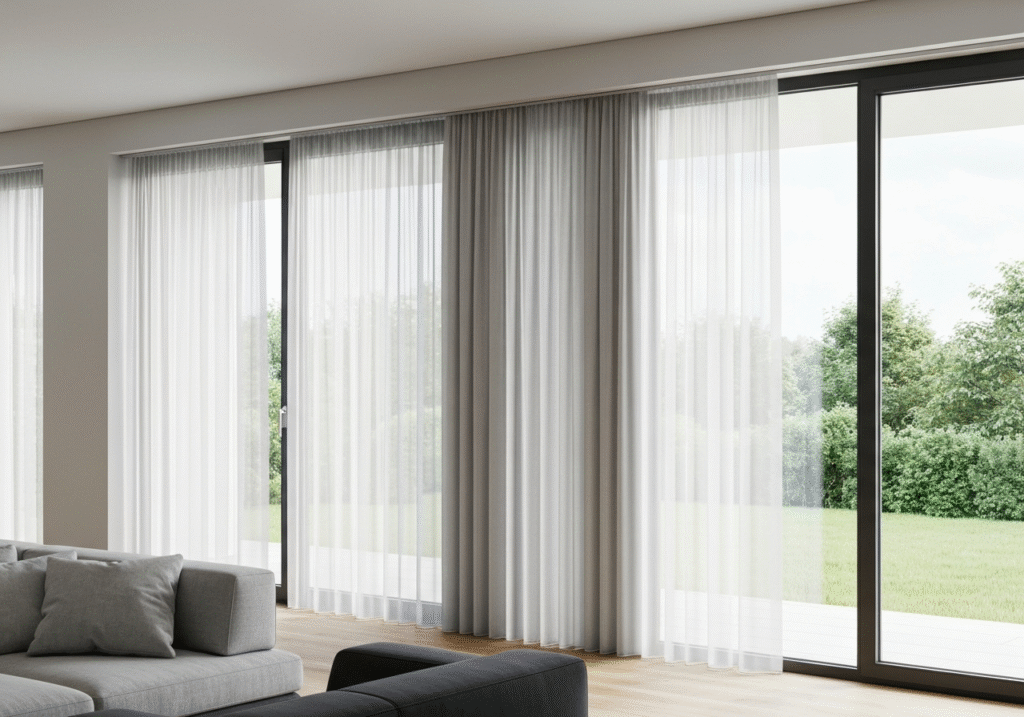
Like any home automation system, smart curtains come with their own set of advantages and drawbacks. Let’s break down the pros and cons:
Pros
- Convenience: Control your curtains remotely or schedule them to open and close automatically, without lifting a finger.
- Energy efficiency: Reduce energy costs by optimizing light and temperature control, keeping your home cooler in summer and warmer in winter.
- Privacy and security: Automatically close curtains when you’re away, adding an extra layer of privacy and security.
- Aesthetic appeal: Enhance the look of your home with sleek, modern, and customizable window treatments.
Cons
- Cost: Smart curtains are generally more expensive than traditional curtains or blinds, especially when factoring in installation and maintenance.
- Compatibility issues: Not all smart curtains are compatible with every smart home hub or device, so it’s important to check compatibility before purchasing.
- Installation challenges: Depending on the system, installation can be tricky and may require professional help, adding extra cost.
Conclusion: How to Choose the Best Smart Curtains for Your Home
Choosing the right smart curtains for your home ultimately depends on your specific needs, whether it’s energy savings, privacy, or simply a more automated living environment. By considering factors like budget, window size, and the level of integration you want, you can find the perfect system for your space.
From energy efficiency to improved convenience, smart curtains offer a wide range of benefits that can make your daily life easier and more comfortable. Whether you’re upgrading your home’s automation or starting from scratch, the right smart curtain system will enhance your living space and provide long-term value.