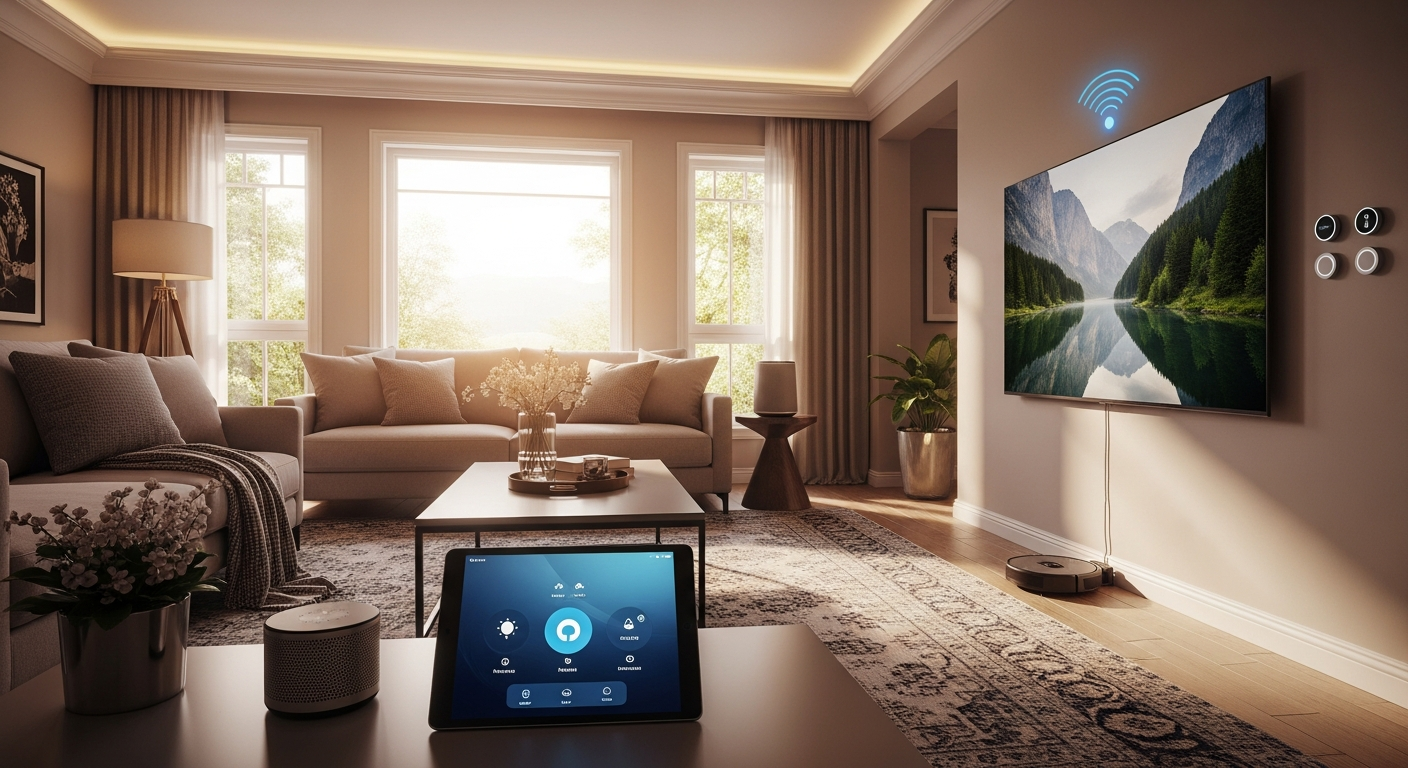
Creating a relaxed home environment is no longer just about decoration or furniture. For many households, smart home comfort solutions are becoming an essential part of daily living. These technologies help to reduce stress, improve indoor health, and make everyday routines more effortless. As people spend more time working and relaxing at home, comfort, efficiency, and well being matter more than ever. This guide explores how smart home comfort solutions work, which technologies matter most, and how to evaluate them based on real lifestyle needs.
Introduction to Smart Home Comfort Solutions
Smart home comfort solutions refer to connected technologies designed to enhance how a home feels, functions, and supports its occupants. Unlike basic smart devices, comfort focused solutions prioritize temperature stability, air quality, lighting balance, and overall ease of use.
For busy professionals, families with children, and older adults, these systems help create predictable and calming home environments. They reduce manual adjustments and allow homeowners to focus on living instead of managing household systems.
Overview of Key Smart Home Comfort Technologies
Modern smart homes rely on a few core technologies that work together to improve comfort. Each one addresses a different aspect of daily living, from physical comfort to mental well being.
Smart Thermostats: Precision in Climate Control
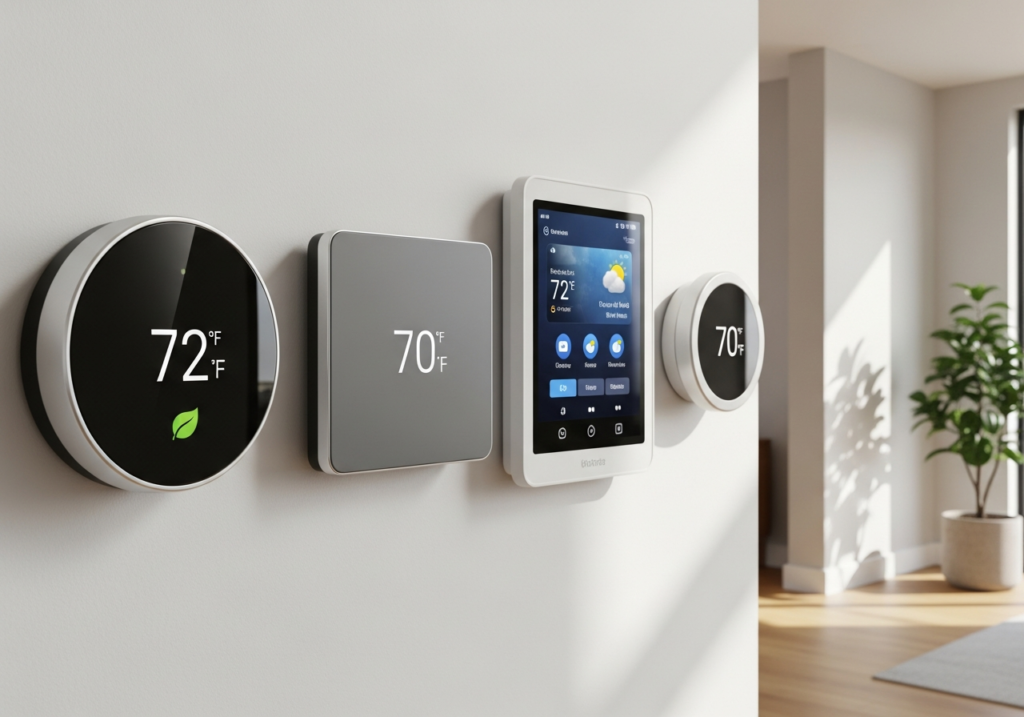
Smart thermostats are often the first upgrade homeowners make. They learn household patterns, adjust temperatures automatically, and respond to changes in weather and occupancy.
For many homes with seasonal temperature swings, smart thermostats help maintain consistent comfort while lowering energy costs. Many models integrate with mobile apps, allowing users to adjust settings remotely. This is especially useful for families and commuters who want their home to feel comfortable the moment they walk in. From an energy efficiency standpoint, smart thermostats also support sustainability goals without sacrificing comfort.
Air Quality Monitors: Ensuring a Healthy Environment
Indoor air quality has become a growing concern in the US, especially in urban and suburban homes. Air quality monitors track pollutants, humidity levels, and allergens that can affect health and sleep quality.
These devices are valuable for households with children, pets, or individuals with allergies or respiratory sensitivities. By providing real time data, they empower homeowners to take proactive steps such as improving ventilation or adjusting air purification systems. Clean air contributes directly to relaxation, better sleep, and overall well being.
Adaptive Lighting: Mood and Energy Optimization
Lighting plays a significant role in how a space feels. Adaptive lighting systems automatically adjust brightness and color temperature based on time of day and activity.
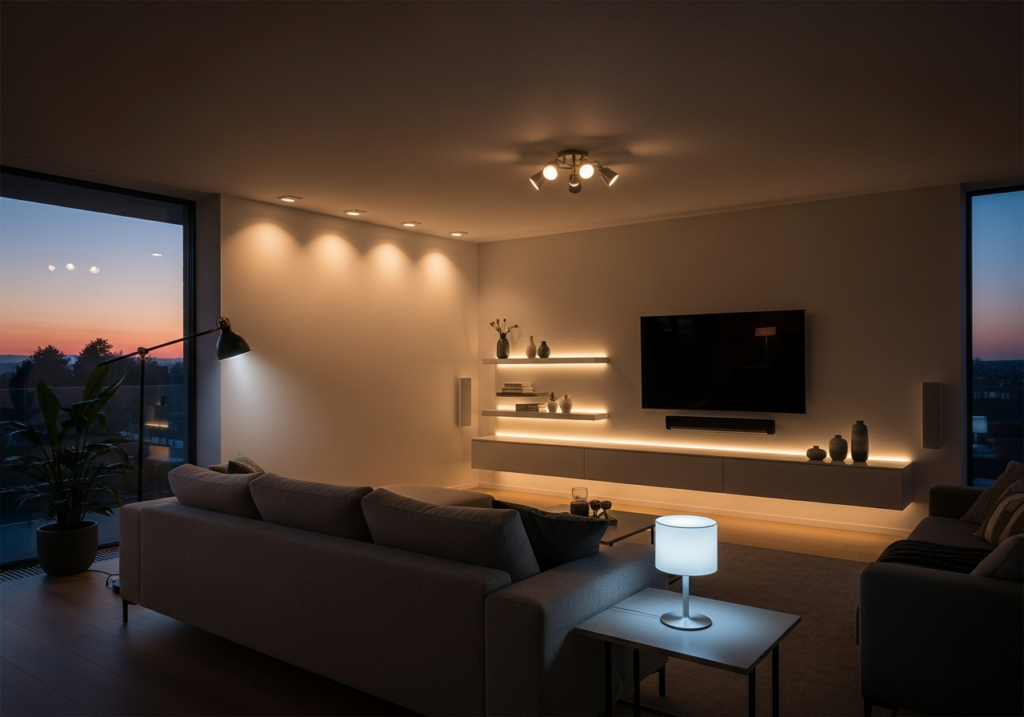
In the morning, cooler light supports focus and energy. In the evening, warmer tones encourage relaxation and rest. For remote workers and families, this helps maintain a healthy daily rhythm without constant manual changes. Adaptive lighting also supports accessibility, making homes more comfortable for older adults and those sensitive to harsh lighting.
Detailed Comparison: Evaluating the Comfort Solutions
Choosing the right smart home comfort solutions requires more than comparing features. The true value lies in how well the technology supports real-life habits, budgets, and long-term goals.
Usability: User Experience and Accessibility
Usability is a major factor for American households with diverse age groups and tech comfort levels. The best smart comfort solutions offer intuitive apps, voice control, and simple setup processes.
They’re designed to reduce friction, not add complexity. Clear interfaces, automation options, and reliable customer support improve daily experiences and make technology feel supportive rather than overwhelming. Accessibility features are especially important for seniors and people with limited mobility, ensuring comfort solutions remain inclusive.
Cost: Upfront Investment vs Long term Savings
Smart home comfort systems often require an upfront investment, but the long term savings can be substantial. Smart thermostats and lighting systems reduce energy waste, lowering monthly utility bills. For homeowners planning to stay long term, these solutions often pay for themselves over time. Renters may benefit from portable or modular systems that don’t require permanent installation. Understanding total cost of ownership helps households make informed decisions aligned with their financial priorities.
Energy Efficiency: Environmental Impact and Savings
Energy efficiency is both an economic and environmental consideration. Smart comfort solutions optimize resource usage without compromising daily comfort.
For environmentally conscious homeowners, these systems support lower carbon footprints while maintaining a high quality of life. Energy efficient homes also tend to have higher resale value, making them a practical long term investment.
Reducing unnecessary energy use contributes to a calmer home environment by eliminating waste and inefficiency.

Compatibility: Integration with Existing Systems
Compatibility determines how smoothly smart comfort solutions fit into an existing home. Many households already use voice assistants or smart hubs, so seamless integration is essential.
The most effective systems work across platforms and devices, reducing the need for multiple apps or controls. Compatibility ensures scalability, allowing homeowners to expand their smart ecosystem over time without replacing everything. A well integrated system feels cohesive and effortless, reinforcing a sense of calm rather than fragmentation.
Conclusion: Building a More Relaxed and Comfortable Smart Home
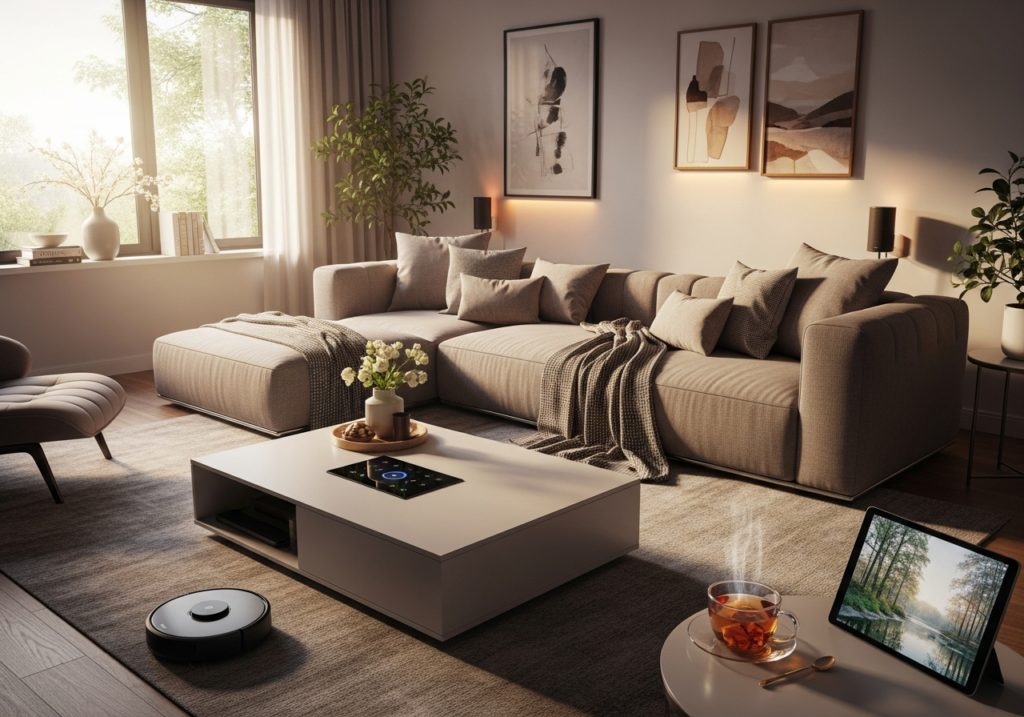
Smart home comfort solutions offer more than just convenience. They support physical comfort, emotional balance, and healthier daily routines. By combining climate control, air quality monitoring, and adaptive lighting, homeowners can create environments that actively reduce stress and enhance well being.
For every homeowner seeking a more relaxed home environment, the key is choosing solutions that align with real lifestyle needs. When usability, efficiency, and compatibility are thoughtfully considered, smart comfort technology becomes a quiet partner in everyday life, working in the background to make home truly feel like a place to unwind.