
As smart home technology continues to grow in popularity, offering conveniences such as automated lighting, voice assistants, and smart appliances, it also raises critical privacy and security concerns. These devices collect a vast amount of personal data, and without proper safeguards, this data could be exposed or misused. This guide will help you understand the importance of protecting your privacy in a smart home, and provide actionable strategies to secure your devices, safeguard your data, and create a privacy-conscious environment.
Why Smart Home Privacy Matters
The integration of smart devices into our daily routines brings many benefits, but it also opens the door for potential risks. Smart devices collect data on everything from your daily routines to personal preferences, and this information can be accessed by third parties if not adequately protected. Smart home privacy is vital because it involves much more than just securing the devices; it’s about ensuring that sensitive information, such as location, voice commands, and habits, remains private and is not misused by hackers or unauthorized third parties.
For example, voice-activated assistants, such as Amazon Alexa and Google Assistant, are continuously listening to conversations. While they help make life easier, they also present significant risks if not properly managed. Similarly, home security systems, which monitor your house and provide peace of mind, could be vulnerable to hacks if not properly secured.
Ensuring the privacy of these devices should be a top priority to avoid breaches that can lead to identity theft, surveillance, or unauthorized access to your home.
New Trends in Smart Home Privacy
Minimalist Smart Homes
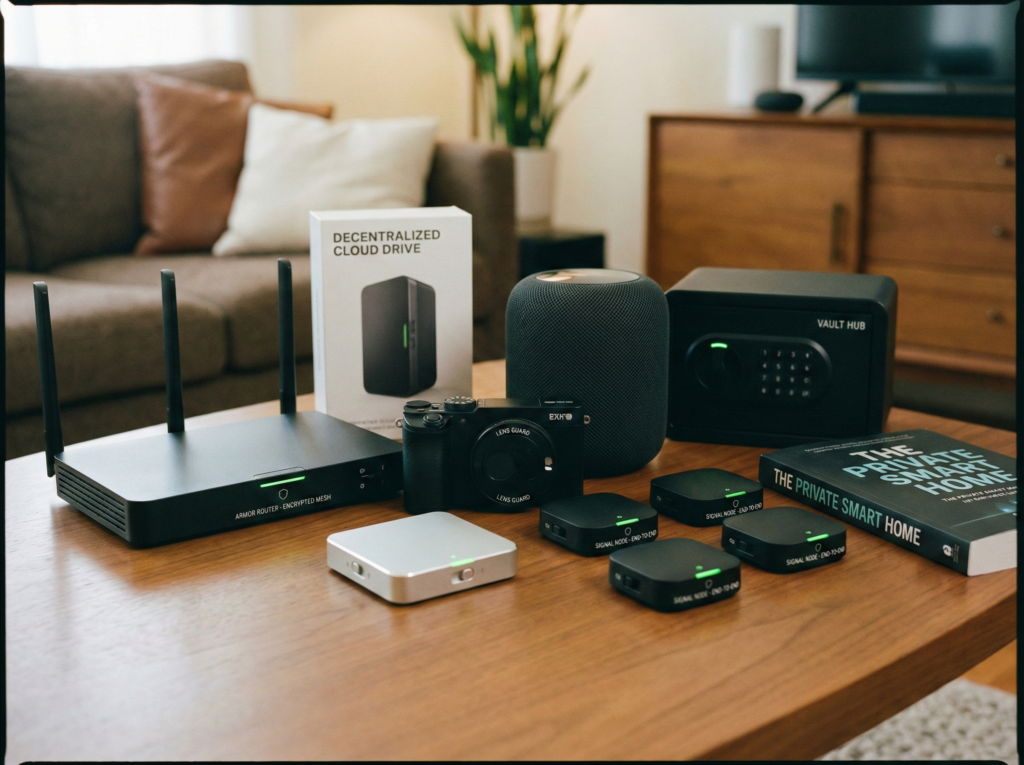
As privacy concerns increase, many homeowners are opting for a minimalist approach to reduce the number of connected devices. This reduces the potential for data collection and improves security.
Smarter Device Encryption
More devices are now featuring advanced encryption protocols that protect the data both in transit and at rest, offering an added layer of security.
Privacy-Centric Smart Devices
Manufacturers are increasingly offering privacy-focused smart devices, allowing consumers to control what data is shared and stored. Devices that enable users to turn off data collection features are gaining popularity.
Common Mistakes to Avoid When Securing Your Smart Home
Reusing Passwords Across Devices
Using the same password for multiple smart devices increases the risk of a breach. To avoid it, use unique, strong passwords for each device and enable multi-factor authentication (MFA) wherever possible.
Neglecting Regular Updates
Many devices require firmware updates to patch security vulnerabilities. Failing to keep devices updated can leave them exposed to security threats.
How to avoid it: Set up automatic updates or remind yourself to check for updates regularly to ensure your devices are secure.
Overlooking Privacy Settings
Many smart devices come with default settings that prioritize convenience over privacy. These settings often allow for data collection and third-party sharing. To avoid it, regularly review and adjust privacy settings on each device to limit the amount of data collected and shared. Turn off voice history on voice assistants, and disable location tracking on cameras.
Expert Advice for Securing Your Smart Home Devices

Experts recommend a few key practices to ensure the privacy and security of your smart home. One of the most effective strategies is to set up a separate network for your smart devices. This network, often called a “guest network,” isolates your smart devices from your personal devices like laptops or smartphones, preventing unauthorized access to sensitive information. It’s especially important for devices that are always connected to the internet, such as security cameras or voice assistants.
Another expert tip is to ensure that your devices are equipped with strong encryption. Look for devices that support end-to-end encryption, which ensures that your data remains private, even if intercepted by a hacker. Enabling two-factor authentication (2FA) is another essential step. 2FA requires that you authenticate your identity using a secondary method (such as a code sent to your phone) when logging into devices or services, making it harder for attackers to gain access.
Experts also recommend that you regularly monitor your device usage. Many smart devices store logs or usage history, and these logs can provide insight into potential security weaknesses. Review the logs regularly to ensure no unauthorized access has occurred and check that data is being used responsibly.
Privacy Risks with Smart Devices: What to Look For
Certain smart home devices carry greater privacy risks than others, so it’s important to understand the potential dangers associated with each type of device.
Smart Speakers
These devices, such as Amazon Alexa or Google Home, are always listening for voice commands. While this convenience can be helpful, it also poses a risk of constant surveillance.
Privacy tip: Disable voice history and location tracking to minimize the data collection.
Security Cameras
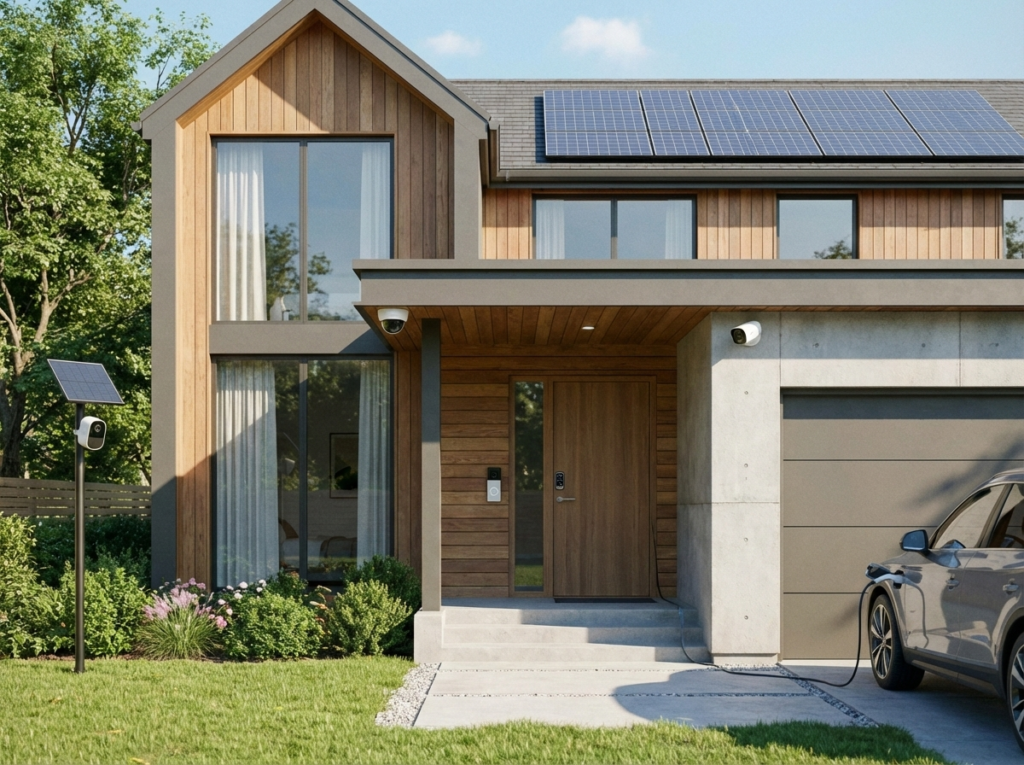
Smart cameras are great for home security, but they can also collect video footage of private moments in your home. If hacked, this data can be misused. To avoid it, ensure that your cameras have end-to-end encryption, and restrict access to video feeds by setting strong passwords and multi-factor authentication.
Smart Thermostats
These devices collect data on your schedule and temperature preferences. While this helps save energy, it also means that your daily routine is being monitored. To prevent it, adjust privacy settings to limit data collection and ensure the thermostat doesn’t share personal data without your consent.
How to Secure Your Home Network for Smart Devices
Your home network is the backbone of your smart home system, and securing it is essential for protecting all of your devices. Here are some tips to secure your network:
- Use WPA3 encryption: Make sure your Wi-Fi network is protected by WPA3 encryption, the most secure option available. This helps protect your devices from unauthorized access.
- Create a guest network: Set up a separate network for guests to use. This prevents them from accessing your main network and the devices connected to it.
- Use a VPN: A Virtual Private Network (VPN) encrypts your internet traffic and provides an additional layer of security when accessing your smart home remotely.
Emerging Smart Home Privacy Risks
As smart home technology evolves, new privacy risks emerge. One concern is the increasing use of AI-powered devices that can predict user behavior. These devices collect vast amounts of personal data to improve their functionality, but this also increases the risk of sensitive data being compromised.
Another risk is the deeper integration of smart devices with security systems, lighting, entertainment, and appliances. This integration increases convenience but also creates a larger potential attack surface for hackers to exploit. Plus, stay vigilant by reviewing privacy policies regularly and updating your security measures accordingly.
Conclusion
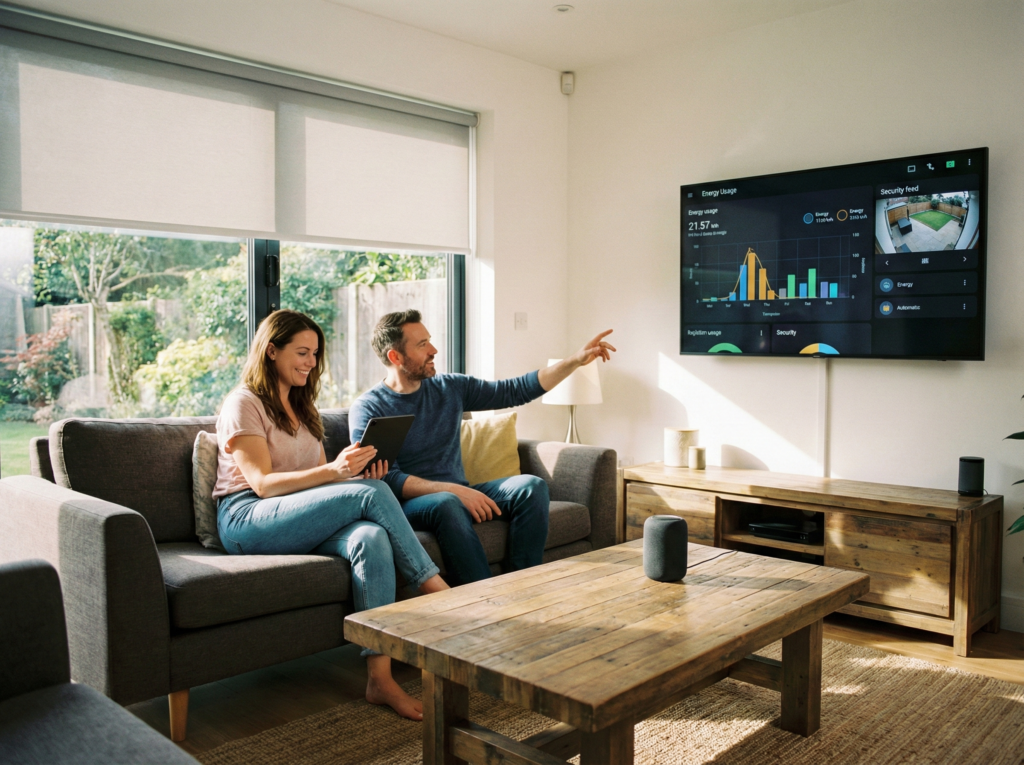
Smart homes offer numerous benefits, but they also come with significant privacy and security risks. By following the tips in this guide, you can secure your smart home and protect your privacy. Whether it’s using encryption, setting up a guest network, or making sure your devices are updated, these practices will help you enjoy the convenience of connected technology without compromising your personal data. Stay proactive, and make smart privacy and security practices a part of your daily routine.