
If your electricity bills seem to climb higher every year, you aren’t imagining it. Rising utility rates, extreme weather, and homes filled with connected devices all add up. The upside is that smart home technology, when used strategically, can help you reduce waste, lower monthly costs, and improve overall efficiency without sacrificing comfort.
Smart energy management isn’t just about adding gadgets. It’s about using data, automation, and thoughtful settings to make your home work smarter for your lifestyle. Here’s how homeowners across the United States can take control of their electricity use in a practical, results-driven way.
1. Understand Where Your Energy Is Going
Before adjusting anything, take time to understand your current usage. Most utilities provide detailed online dashboards that show daily or even hourly consumption. If you have a smart meter, you likely have access to even more granular data.
Look for patterns. Does your usage spike in late afternoons during summer? Is overnight consumption higher than expected? These trends often point directly to heating and cooling, water heating, or devices running continuously in the background.
Review at least three months of data so you’re not reacting to a single unusual bill. Weather, guests, and seasonal habits can temporarily distort usage. A broader view gives you a more reliable baseline to measure improvements against.
2. Optimize Heating and Cooling with Smart Thermostats
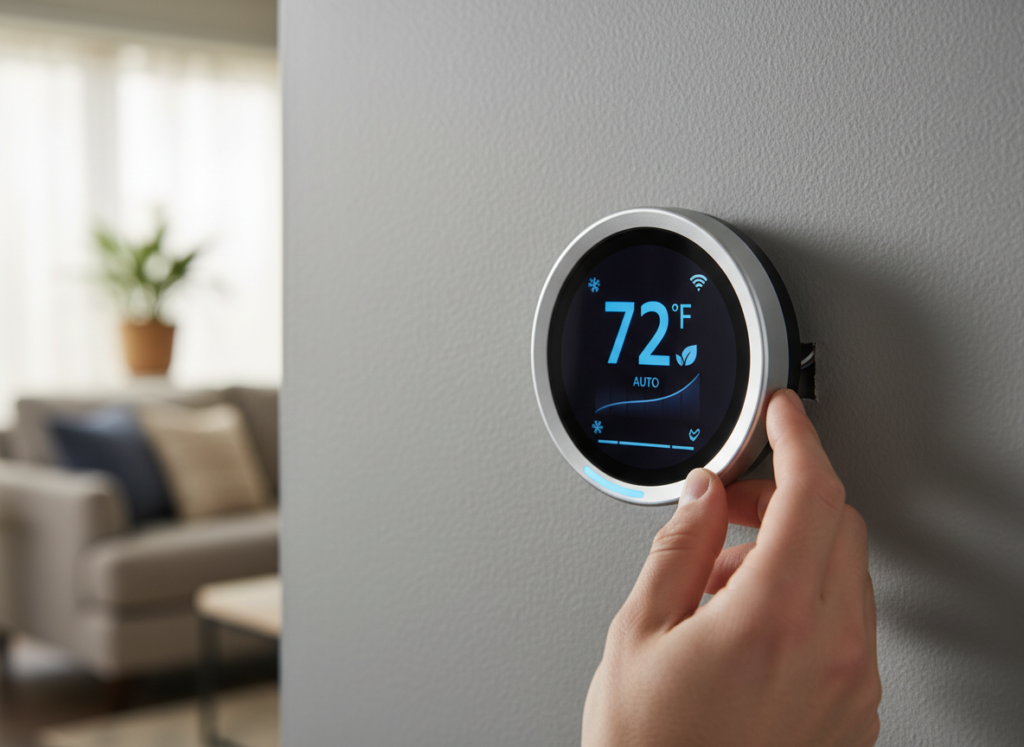
For most households, HVAC systems account for the largest share of electricity use. A smart thermostat can reduce costs significantly, but only if it’s configured correctly.
Start with scheduling. Adjust temperatures a few degrees when you’re asleep or away from home. Even a modest change can generate noticeable savings over time. In warmer climates, increasing the cooling setpoint slightly during peak afternoon hours can reduce strain on both your system and your budget.
If your household schedule changes often, use occupancy sensors or geofencing features so the system responds automatically. This prevents unnecessary heating or cooling when no one is home.
Regular maintenance is equally important. Replace air filters on schedule, check for blocked vents, and have your system inspected as recommended. Smart controls can’t compensate for mechanical inefficiencies.
3. Take Advantage of Time-of-Use Pricing
Many utilities now offer time-of-use rate plans, where electricity costs more during peak demand hours and less during off-peak periods. If you’re on this type of plan, shifting usage can significantly lower your bill.
Consider running high-energy appliances like dishwashers, washing machines, and dryers later in the evening or early in the morning. Many modern appliances offer delay-start features that make this easy.
If you own an electric vehicle, schedule charging during off-peak hours. Charging overnight often aligns with the lowest rates. Similarly, pre-cooling your home slightly before peak pricing begins can allow your HVAC system to run less during the most expensive window. Even if your plan doesn’t include time-of-use pricing, spreading out heavy loads can reduce strain on your electrical system and support overall efficiency.
4. Eliminate Phantom Loads
Many homes waste electricity through standby power, often called phantom loads. Devices like televisions, gaming consoles, cable boxes, and desktop computers draw small amounts of power even when not actively in use.
Smart plugs provide an effective solution. You can schedule them to cut power during sleeping hours or when you’re at work. For home offices, set equipment to turn off automatically after business hours.
This approach is especially useful for secondary refrigerators in garages, entertainment systems in rarely used rooms, and guest bedroom electronics. Monitoring features in smart plugs can also help you identify unexpected energy drains, such as a freezer compressor that runs excessively. While each device may use a small amount individually, the cumulative effect across a home can be meaningful over a full year.

5. Improve Water Heating Efficiency
Water heating is often the second-largest energy expense in a home. Smart management here can produce steady savings. If you have a heat pump water heater, adjust its schedule to operate primarily during off-peak hours. For traditional tank heaters, lowering the temperature slightly, while keeping it within safe guidelines, can reduce standby losses.
Recirculation pumps, if installed, should run only when needed. Adding a timer or smart control prevents continuous operation. Insulating exposed hot water pipes and ensuring the tank is properly insulated can also minimize heat loss, particularly in colder regions. Leak detection sensors add another layer of protection. A slow leak doesn’t just cause water damage, it forces your system to continually reheat incoming cold water, increasing energy use.
6. Use Lighting and Fans Strategically
Lighting has become more efficient with widespread LED adoption, but automation can further reduce waste. Motion sensors in bathrooms, closets, and laundry rooms prevent lights from staying on unnecessarily.

Outdoor lighting can follow sunset schedules rather than fixed timers, adjusting automatically as daylight hours change throughout the year.
Ceiling fans can improve comfort during both summer and winter. In warmer months, they allow you to raise the thermostat slightly without feeling warmer. In cooler months, reversing the fan direction helps distribute warm air more evenly. Just make sure fans are turned off when rooms are empty since they cool people, not spaces.
7. Build Simple, Effective Automations
The key to smart home energy management is simplicity. Overly complex routines often get disabled because they become inconvenient.
Focus on practical automations that align with daily life:
- Adjust the thermostat automatically when everyone leaves home
- Schedule major appliances outside peak pricing hours
- Turn off all non-essential lights and devices at bedtime
- Receive alerts if doors or windows remain open while the HVAC is running
These straightforward routines can reduce waste without requiring constant manual intervention.
8. Consider Solar and Battery Integration
If you’re planning a larger investment, solar panels and home battery systems can dramatically change how you manage electricity. Smart energy management becomes even more valuable when you’re generating your own power.
Scheduling energy-intensive tasks during peak solar production hours increases self-consumption and reduces grid reliance. Batteries can be programmed to discharge during high-rate periods, lowering the cost of electricity drawn from the grid. Before investing, improve overall efficiency first. A well-sealed, properly insulated home with optimized HVAC settings requires a smaller solar array to meet its needs.
9. Measure Results and Adjust

Smart energy management works best when you monitor performance consistently. After making a change, compare your usage over similar weather conditions. Many energy dashboards allow you to view historical comparisons, making it easier to track progress.
If you implement several upgrades at once, it may be harder to identify which change produced the biggest impact. Gradual adjustments allow you to evaluate results more accurately. Electricity savings often compound over time. A few percentage points saved in multiple areas can translate into meaningful annual reductions.
Conclusion
Reducing electricity bills doesn’t require drastic lifestyle changes or complicated technology. With thoughtful smart home strategies, you can lower costs, improve comfort, and reduce unnecessary energy waste.
Start by understanding your usage patterns, then focus on high-impact areas like HVAC scheduling, appliance timing, and standby power reduction. Build simple automations that support your daily routine instead of disrupting it. If you decide to expand into solar or battery storage, you’ll already have an efficient foundation in place.
When your home works intelligently in the background, efficiency becomes effortless. Over time, that translates into lower bills, a more resilient household, and greater control over how you use energy every day.
Related Articles
- 12 Water-Saving Home Upgrades to Reduce Consumption, Lower Bills, and Create a More Sustainable Household
- Top Energy-Saving Smart Devices: How to Save Money and Cut Utility Bills with Smart Technology
- Step-by-Step Guide to Setting Up Your Smart Home: Simple Tips for Beginners to Maximize Convenience
- Smart Home Essentials: Real Pros & Cons to Boost Security, Save Money, and Simplify Living
- How to Automate Household Chores with Smart Devices: Save Time and Simplify Daily Tasks
- 10 Eco-Friendly Smart Home Ideas That Support a More Sustainable Lifestyle