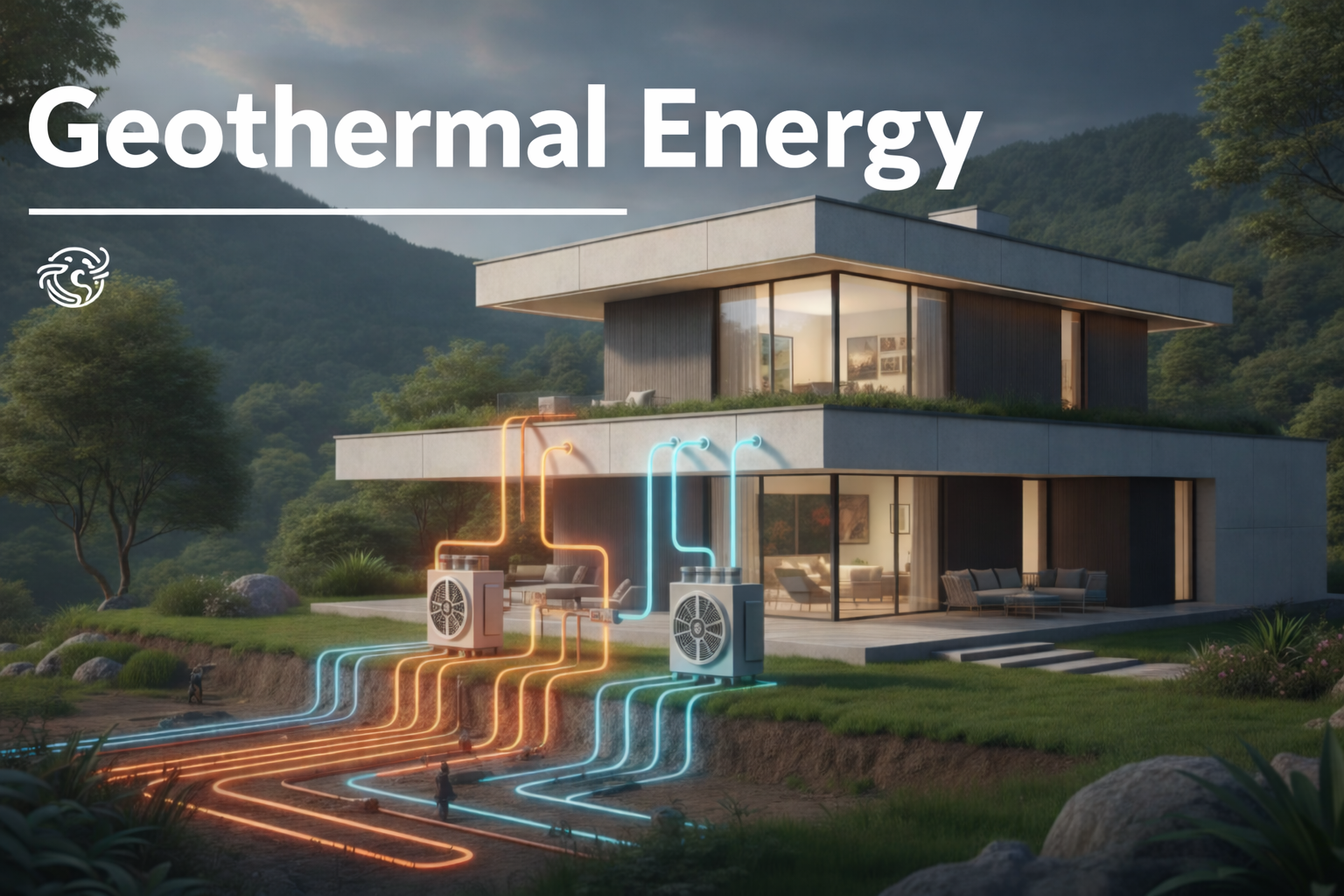
As homeowners, we’re all looking for ways to reduce energy consumption, cut down on utility bills, and make eco-friendly choices. Among the numerous options available, geothermal energy has quickly gained popularity as an efficient, cost-effective, and sustainable way to heat and cool your home. Geothermal heating systems tap into the natural heat stored beneath the earth’s surface, offering an eco-friendly alternative to traditional heating systems.
In this article, we’ll explore why geothermal energy is the ideal choice for homeowners seeking an efficient, low-cost, and sustainable heating solution. From its energy-saving benefits to its minimal environmental impact, geothermal offers a long-term investment that can transform the way you approach home comfort.
1. What is Geothermal Energy and How Does It Work?
Geothermal energy harnesses the natural heat from beneath the Earth’s surface, which is then used to regulate the temperature in your home. The system works by circulating a fluid through pipes buried underground (called ground loops) to absorb or release heat depending on the season. In the winter, the system pulls heat from the earth into your home, while in the summer, it expels the indoor heat back into the ground.
Unlike traditional heating methods that burn fossil fuels or consume electricity, geothermal systems rely on the earth’s constant temperature, which remains stable year-round. This makes geothermal energy a renewable resource and a sustainable solution for homeowners looking to reduce their carbon footprint and reliance on non-renewable energy sources.
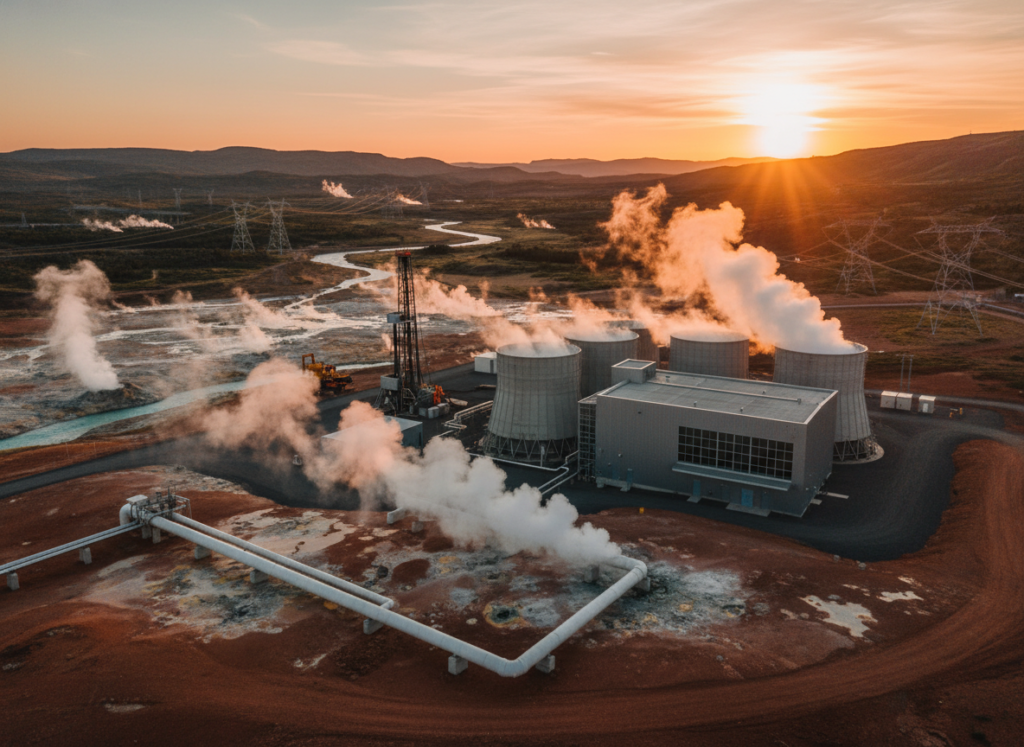
2. Energy Efficiency and Cost Savings
One of the biggest reasons homeowners opt for geothermal systems is their energy efficiency. Although the initial installation can be more expensive than traditional heating systems, the long-term savings make it a smart investment. Geothermal systems can reduce heating costs by 30-60% and cooling costs by 30-50%, compared to conventional HVAC systems.
Why Geothermal Saves Money
- Stable energy source: The earth’s temperature is stable, which means geothermal systems don’t have to work as hard to maintain the desired indoor temperature. As a result, they consume less energy.
- Government incentives: Many homeowners can take advantage of federal tax credits and local rebates for installing geothermal systems, which can significantly reduce the initial investment.
Over time, these savings can add up, often paying back the installation costs within 5 to 10 years.
3. Environmental Benefits: Reducing Your Carbon Footprint
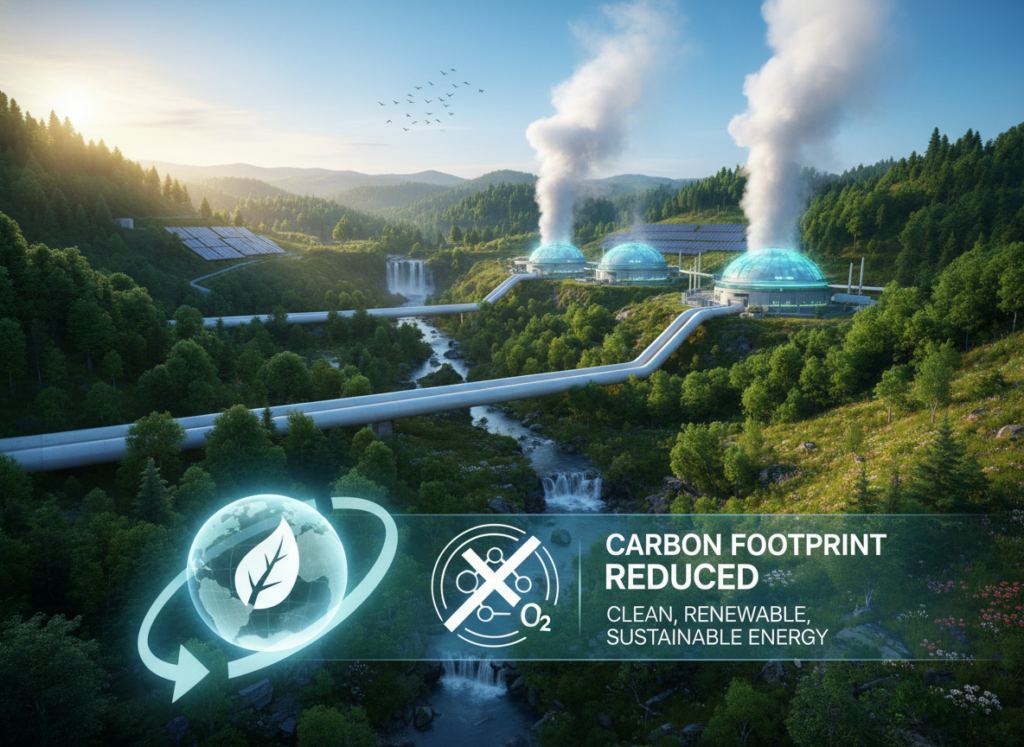
As the world becomes more focused on sustainability, reducing your carbon footprint has become a priority for many homeowners. Geothermal energy offers a clean alternative to traditional heating systems that rely on fossil fuels. Unlike natural gas or oil-based systems, geothermal systems produce minimal emissions, making them one of the most environmentally-friendly heating options available.
Geothermal energy helps reduce the number of greenhouse gases released into the atmosphere, contributing to a greener planet. By choosing a geothermal system, you’re making an active choice to lower your home’s carbon footprint and reduce reliance on non-renewable resources.
4. Geothermal: The Perfect Solution for New Homes and Retrofits
Geothermal energy is suitable for both new construction homes and retrofit projects. In new builds, installing a geothermal system is relatively straightforward and can be incorporated into the initial design. If you’re building a net-zero home, geothermal energy is one of the best ways to ensure maximum energy efficiency from the start.
For existing homes, while the installation may be more complex, geothermal systems can still be retrofitted into most homes with professional assistance. The system can be integrated into existing plumbing and heating structures, making it a viable option for homeowners who want to make the transition to a more sustainable system without starting from scratch.
5. Low Maintenance and Durability
One of the major appeals of geothermal energy is its low maintenance. Geothermal systems typically require minimal upkeep over their lifespan, which can extend to decades. The heat pump usually lasts around 25 years, and the ground loops can last over 50 years with very little wear and tear.
One of the main reasons for this is the fact that geothermal systems have fewer moving parts compared to traditional heating systems. As a result, it reduces the likelihood of breakdowns and costly repairs.
6. Geothermal Systems vs. Traditional HVAC Systems
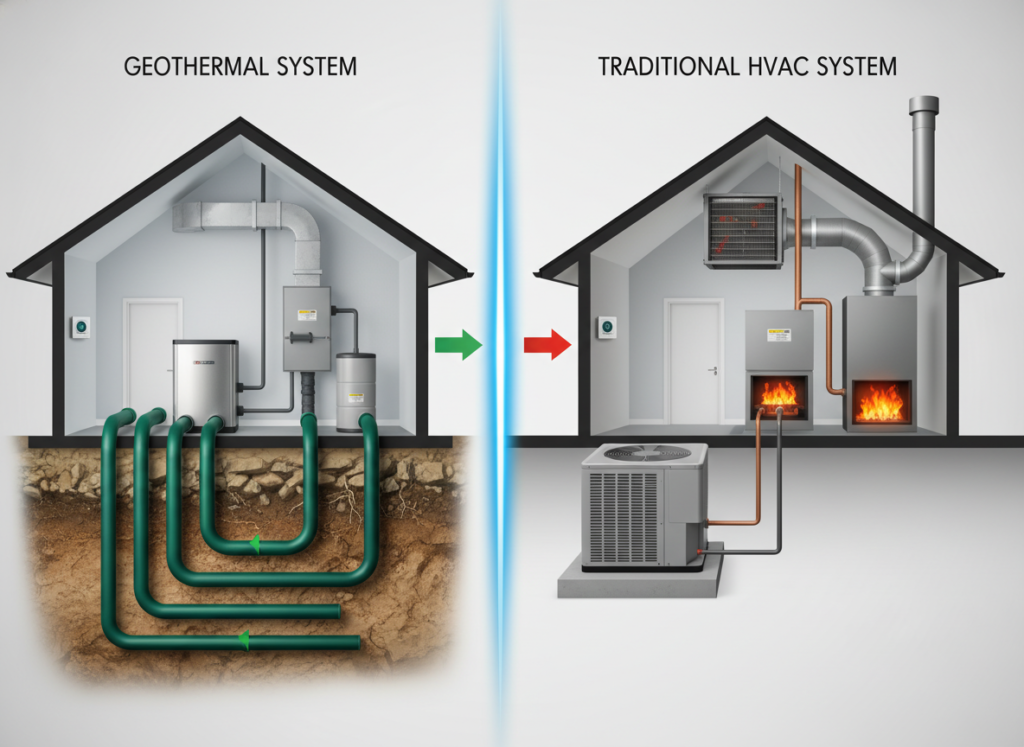
When comparing geothermal systems to traditional HVAC systems, there are several key advantages that make geothermal stand out as the more efficient option. Traditional systems rely on fossil fuels or electricity, which can lead to high energy bills and increased environmental impact.
Geothermal systems, however, use the earth’s natural heat, which means they consume far less energy, resulting in lower utility bills and reduced carbon emissions.
Geothermal vs. HVAC
- Energy efficiency: Geothermal systems provide up to 60% energy savings compared to traditional HVAC systems.
- Environmentally friendly: Geothermal energy produces fewer greenhouse gas emissions compared to fossil fuel-based systems.
- Cost savings: While the upfront cost of geothermal may be higher, the long-term savings on heating and cooling bills make it a cost-effective investment in the long run.
7. Geothermal Energy for Small and Large Homes
Geothermal systems can be tailored to fit homes of any size, whether you’re living in a small apartment or a sprawling family home. For smaller homes, compact geothermal systems can be installed without taking up too much space. For larger homes, geothermal systems can be scaled to provide consistent heating and cooling for every room.
The flexibility of geothermal makes it an ideal choice for any homeowner looking to maximize their energy efficiency and comfort, no matter the size of the property.
8. Financial Incentives for Installing Geothermal Systems

One of the biggest advantages of geothermal energy is the availability of financial incentives provided by both federal and state governments. Homeowners who choose to install geothermal systems can benefit from federal tax credits that cover a significant portion of the installation costs. Additionally, many states and local utilities offer rebates to encourage homeowners to switch to this energy-efficient and eco-friendly solution.
These financial incentives make geothermal energy even more affordable, helping to offset the initial investment required for installation. By taking advantage of these offers, homeowners can significantly reduce the cost of transitioning to a sustainable heating system.
9. Geothermal for the Future: Why It’s Worth the Investment
While the initial installation cost of geothermal energy can be higher than traditional systems, the long-term savings and environmental benefits make it a worthwhile investment. Geothermal energy provides consistent, efficient heating and cooling for your home, with significantly lower utility bills over time. By opting for geothermal energy, you’re not only improving your home’s energy efficiency, but you’re also helping to create a sustainable future for the next generation.
10. Getting Started with Geothermal Energy
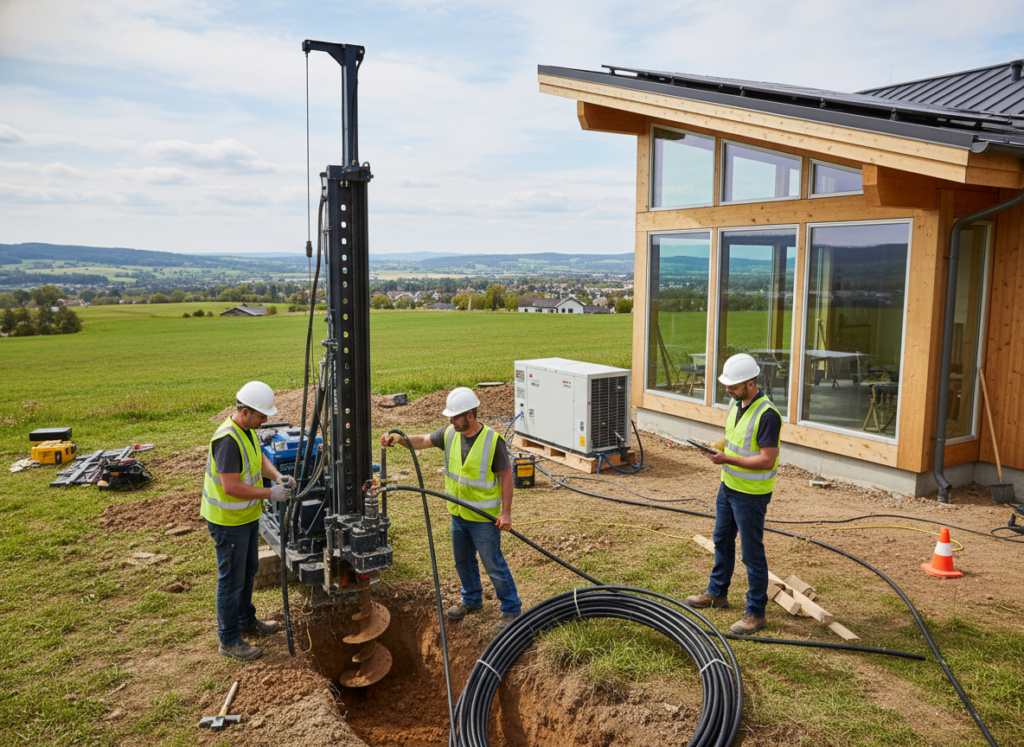
If you’re considering geothermal energy for your home, the first step is to consult with a geothermal installation professional. They’ll assess your home’s energy needs, available space, and budget to design a custom geothermal system that fits your requirements.
Steps to Get Started
- Consult an expert: Schedule a consultation with a professional installer who specializes in geothermal systems.
- Evaluate your home: Your installer will evaluate your home’s layout, insulation, and existing heating/cooling systems to determine the best approach.
- Install the system: Once the plan is in place, the installation process begins, typically requiring some excavation for the ground loops.
Once installed, your geothermal system will require little to no maintenance, providing you with years of efficient, cost-effective heating and cooling.
Conclusion: Geothermal Energy as the Future of Home Heating
Switching to geothermal energy is one of the most forward-thinking decisions a homeowner can make. Not only does it provide consistent comfort and energy savings, but it also significantly reduces your carbon footprint. Whether you’re building a new home or retrofitting an existing property, geothermal is a sustainable, long-term investment that will pay off over time.
With financial incentives, minimal maintenance, and environmental benefits, geothermal energy is truly a no-brainer for anyone looking to make their home more efficient and eco-friendly.
Related Articles
20 Seasonal Home Maintenance Tasks: A Complete Year-Round Checklist to Keep Your Home in Top Shape