If you’ve ever walked out the door wondering whether you left the lights on, or wished the house could feel warm the second you stepped inside, you’re definitely not alone. A lot of us have had that moment, standing in the driveway, juggling grocery bags, thinking, “Why can’t my house just handle this for me?”
That’s the real appeal of smart home technology. It’s making daily life feel smoother, safer, and surprisingly more affordable. But before you grab the latest smart thermostat or doorbell camera, it helps to understand what you’re getting into, the good, the not-so-good, and the features that might actually make a difference in your home.
Below, you’ll find a friendly walkthrough of today’s smart home essentials, built from real user experiences, current trends, and insights from smart-home experts.
What Exactly Is a Smart Home?
At its heart, a smart home is simply a house that uses connected devices to manage everyday systems: heating, lights, security, entertainment, and more. These devices “talk” to each other through the internet, which means you can talk to them too.
Most people control their smart homes through a smartphone app, a voice assistant, or a central hub. And here’s the part that surprises many first-time users: smart homes don’t just respond, they learn. They start to notice patterns. If you always dim the lights around 8 p.m. or prefer the bedroom cooler at night, the system begins adjusting on its own.
Why Smart Homes Are Taking Off Right Now
Smart homes have existed for years, but several shifts have pushed them into the mainstream.
1. Rising Energy Costs
Americans are feeling the pressure of climbing utility bills, and some energy-saving smart devices like smart thermostats or energy-tracking plugs give homeowners a sense of control again. Even small adjustments can noticeably shrink monthly costs.
2. A Bigger Emphasis on Safety
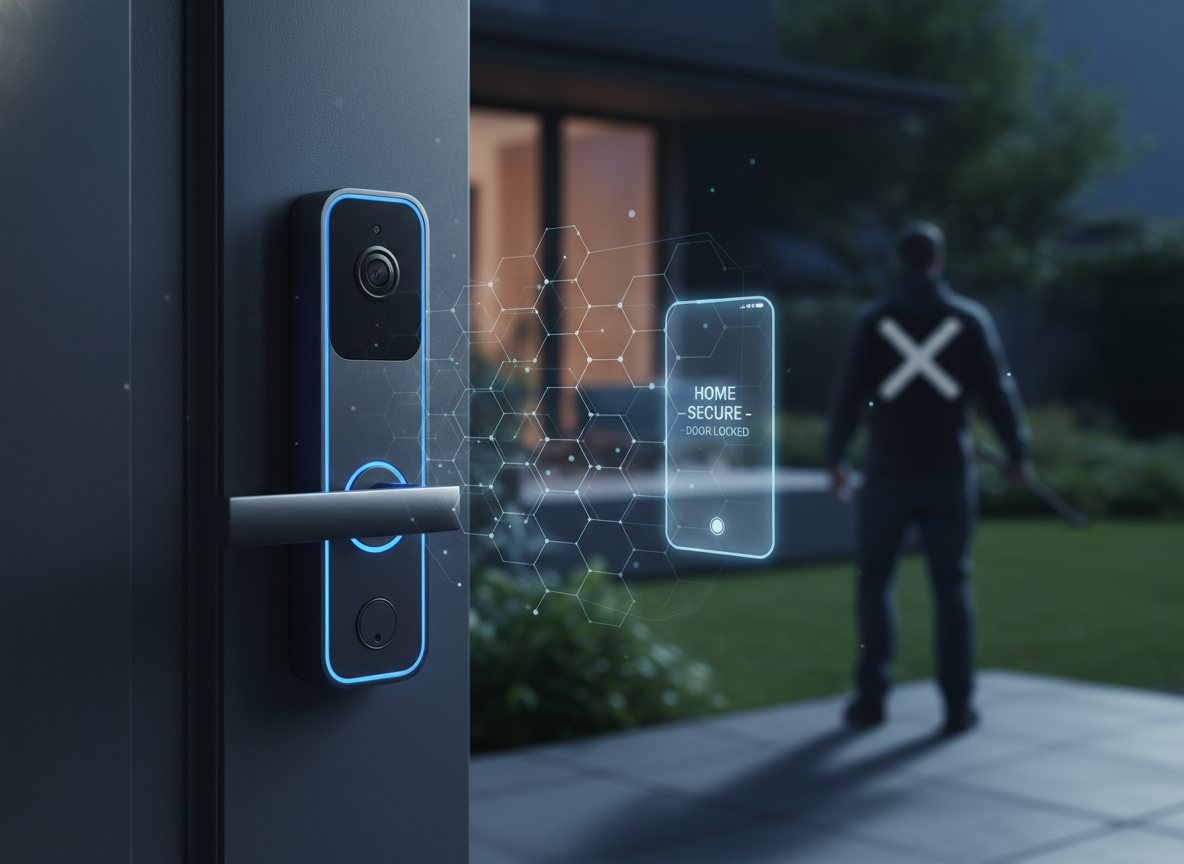
Doorbell cameras, motion sensors, and smart locks make it easier for families to keep an eye on things, especially when they aren’t home.
3. Convenience and Accessibility
For busy households, aging adults, and anyone with mobility challenges, things like voice commands or automated lighting can make daily living significantly easier. Still, as helpful as smart homes can be, they aren’t perfect. Let’s break everything down so you can decide what actually matters for your home.
The Real Pros of Smart Home Technology
1. Convenience That Makes Everyday Life Easier
If you’ve ever wished the house could take a few tasks off your plate, this is where smart tech shines. Picture adjusting the thermostat from bed or checking your front door from your car. Smart devices can handle those tiny responsibilities we never have time for, and honestly, it feels good not to think about them.
Some of the most-loved conveniences include:
- smart thermostats that adjust automatically
- voice-controlled lights or appliances
- smart locks that secure the house even when you forget
For busy families, this kind of convenience alone can feel life-changing.

2. Energy Efficiency That Saves Money
Many households use more heating, cooling, and lighting than they realize. Smart devices help keep energy use in check by automatically turning off lights in empty rooms, scheduling appliances to run during lower-cost off-peak hours, and learning your habits so heating and cooling are used only when truly needed. Depending on your habits, smart thermostats like Ecobee or Nest can trim energy usage by up to 30%, which adds up fast.
3. Stronger Home Security and Peace of Mind
Smart-home security gives you eyes and ears on your property, no matter where you are; it provides a sense of reassurance that traditional systems rarely match. Many homeowners rely on tools like doorbell cameras, window and door sensors, smart locks, motion-activated outdoor lighting, and smoke or carbon monoxide detectors that send real-time alerts for added peace of mind.
4. Accessibility for People of All Ages
This is one of the most overlooked benefits. If you’ve ever watched an older parent struggle with small tasks such as turning off lights, adjusting the thermostat, or unlocking doors, you’ll understand why smart tech can be incredibly empowering. Voice controls and app-based commands help people stay independent longer.
5. Home Insurance Discounts

More insurance companies are rewarding homeowners who install smart smoke detectors, leak sensors, or security systems. These systems catch issues early and reduce expensive claims, so many insurers offer lower premiums as an incentive.
6. Increased Home Value
Buyers today expect homes to feel modern, and smart features often make a property more appealing. Things like smart thermostats, security systems, and automated lighting can nudge your home’s value upward.
The Cons You Should Know About Before Upgrading
Smart homes are great, but they aren’t magic. A few real-world downsides deserve your attention.
1. Upfront Costs Can Add Up
Sure, some devices cost less than $100. But a larger setup, especially with professionally installed systems can run anywhere from a few hundred dollars to $15,000 or more. Most homeowners build their smart home gradually to spread out the expense.
Your final cost depends on:
- How many rooms you outfit
- The brands you choose
- Whether you hire a professional installer
2. Compatibility Issues Between Brands
Here’s a problem many people don’t expect: not all smart devices work well together. Google, Amazon, and Apple each run their own ecosystem, and mixing brands can lead to limited features or devices that don’t sync properly. Most experts recommend choosing one ecosystem and sticking to it.
3. Reliance on Internet and Network Stability
If your Wi-Fi drops, some smart features may stop working. Most devices have basic offline functionality, but automated routines or video feeds usually require a solid connection. It’s one reason mesh Wi-Fi systems have become popular in smart homes.
4. Privacy and Data Security Concerns
Because smart devices collect data about your daily habits, security becomes especially important. Risks increase when passwords are weak, firmware isn’t kept up to date, or devices come from lower-quality brands. With good digital hygiene, such as strong passwords and regular updates, these risks are manageable, but they should never be overlooked.
5. A Learning Curve for Less Tech-Savvy Users
Smart tech isn’t always intuitive, especially for older adults. Jumping between multiple apps, automation routines, or system settings can feel overwhelming. This is where choosing a user-friendly ecosystem (or hiring a professional installer) can make a huge difference.
Smart Home Essentials: Where Most Families Start
If you’re wondering how to begin to set up a smart home, most homeowners start with the core devices that offer the biggest benefits:
- Smart thermostat: Helps reduce wasted heating and cooling while giving you full remote control.
- Video doorbell: Lets you see, hear, and talk to visitors from anywhere.
- Smart lighting: Makes it easy to set schedules, create ambience, and control lights hands-free.
- Smart locks: Boosts security and ends the “Where are my keys?” problem for good.
- Leak & smoke detectors: Provide immediate alerts for fire or water damage, even while you’re away.
Is a Smart Home Worth It?
Smart homes aren’t for everyone, but here’s a simple way to gauge whether one fits your lifestyle.
A smart home is worth considering if you want:
- lower energy bills
- stronger security
- a more convenient daily routine
- help supporting aging family members
- the ability to control your home from anywhere
- added resale value
But think carefully if you’re concerned about:
- upfront setup costs
- privacy risks
- tech overwhelm
- internet reliability
Tips for Setting Up Your Smart Home the Right Way
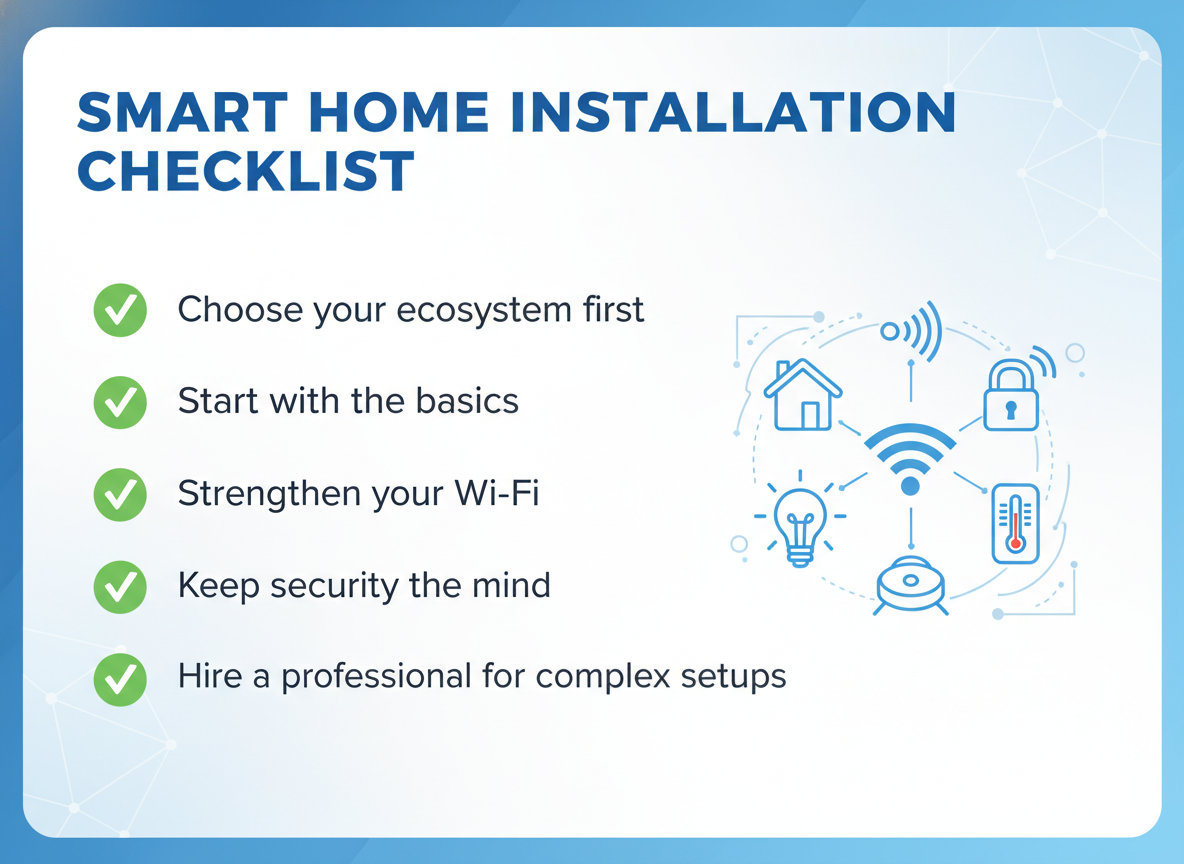
To avoid frustration, here’s what smart-home pros recommend:
- Choose your ecosystem first: Pick Amazon Alexa, Google Home, or Apple HomeKit as your home’s “language.”
- Start with the basics: Thermostats, cameras, lighting, and locks offer the biggest impact for the lowest investment.
- Strengthen your Wi-Fi: A mesh network ensures all devices stay connected.
- Keep security in mind: Strong passwords, encrypted networks, and regular updates are essential.
- Hire a professional for complex setups: Home theaters, advanced security systems, and whole-home integrations often run smoother with expert installation.
Final Thoughts
Smart home technology isn’t just a futuristic trend; it’s becoming a natural extension of daily life in American households. When chosen thoughtfully, smart devices can save money, reduce stress, support aging loved ones, and make your home feel more secure and responsive.
But here’s the thing: the best smart home is the one that fits your habits, your comfort level, and your budget. Start with what solves a real problem for you. Build gradually. And let your home grow smarter in a way that feels intuitive and sustainable.