


Modern life offers more options, tools, and information than ever before, yet many people feel overwhelmed rather than supported. Constant stimulation, packed schedules, and endless choices often lead to mental fatigue and persistent stress. In response, simple living has gained attention as a practical way to regain clarity and emotional balance.
Simple living doesn’t mean giving up comfort or ambition. It focuses on removing unnecessary complexity so attention and energy can be directed toward what truly matters. When daily life feels lighter and more intentional, stress decreases and mental clarity becomes easier to sustain.
1. Understanding Simple Living as a Practical Lifestyle Choice
Simple living is often misunderstood as an extreme or restrictive lifestyle. In reality, it reflects a thoughtful approach to daily decisions, time use, and personal priorities. From a psychological perspective, reducing excess choices lowers cognitive load. Fewer distractions allow the brain to process information more efficiently and recover more fully. This supports clearer thinking and improved emotional regulation.
Simple living adapts to individual circumstances. What feels simple for one person may look different for another, depending on responsibilities, values, and life stage.
2. Reducing Daily Overwhelm by Simplifying Commitments
Over-commitment is a major source of stress. When schedules are filled with obligations that leave little room for rest or reflection, mental clarity suffers. Simplifying commitments begins with evaluating how time is spent. Identifying activities that drain energy without meaningful benefit creates space for rest and focus. Learning to say no thoughtfully protects both time and emotional wellbeing. A lighter schedule allows attention to be directed toward fewer priorities, resulting in deeper engagement and reduced mental strain.
3. Creating a Calm and Functional Living Environment
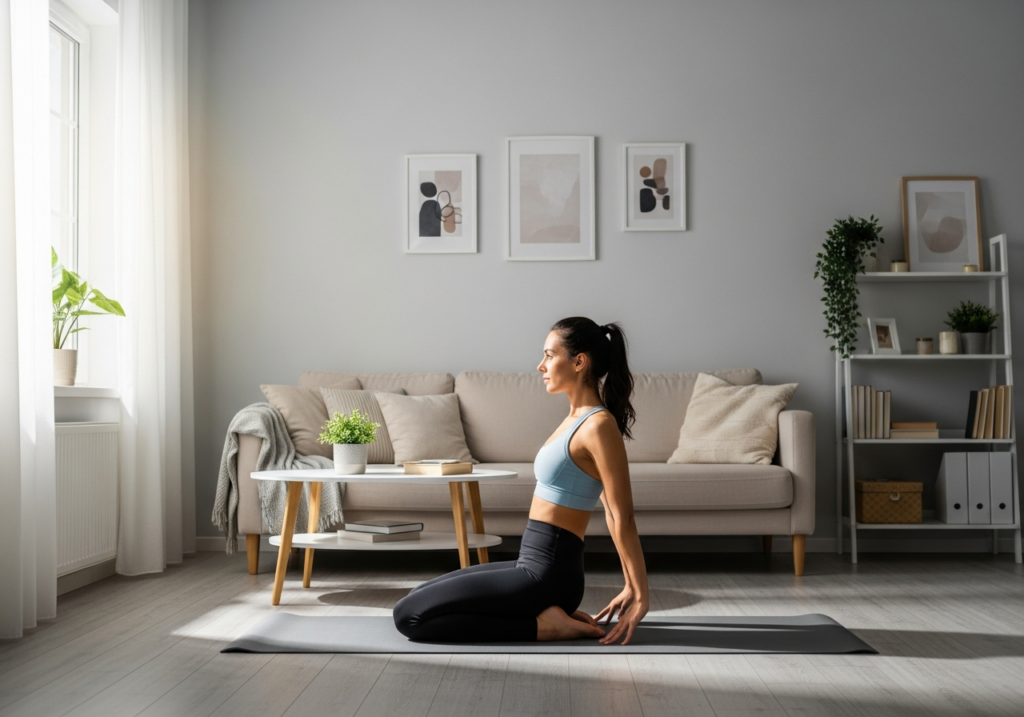
Physical surroundings strongly influence mental state. Cluttered spaces often contribute to scattered thinking and low level stress. Simple living encourages intentional environments where each item serves a purpose or brings genuine value. Organizing living spaces reduces visual noise and supports calm focus.

A functional environment doesn’t need to be minimal or aesthetic. It needs to support daily routines smoothly and reduce friction in everyday tasks.
4. Simplifying Digital Habits for Mental Clarity
Digital overload is one of the most common barriers to clarity. Constant notifications and information streams keep the mind in a reactive state. Simple living includes intentional digital habits. This may involve limiting social media use, turning off non essential notifications, or creating phone free periods during the day. Reducing digital input allows the mind to settle and improves the ability to focus deeply. Gradually, attention becomes more stable and stress responses decrease.
5. Establishing Simple Daily Routines That Support Balance
Routines bring structure and predictability, which reduce decision fatigue. Simple routines provide guidance without rigidity.
Morning routines that include basic actions such as hydration, light movement, or quiet reflection set a grounded tone for the day. Evening routines signal closure and support rest. Effective routines remain flexible. They adjust to changing energy levels while maintaining a sense of continuity.
6. Practicing Mindful Consumption in Everyday Life
Consumption choices influence both stress levels and mental clarity. Excess possessions and constant purchasing create ongoing mental maintenance. Simple living promotes mindful consumption by focusing on quality, usefulness, and long term value. Buying fewer items reduces decision pressure and physical clutter. Mindful consumption also encourages appreciation for what is already available, which supports contentment and reduces restlessness.
7. Reframing Productivity Through Simplicity
Productivity is often associated with doing more in less time. Simple living reframes productivity as doing fewer things with greater intention. Clear priorities allow effort to be focused where it matters most. This approach reduces multitasking, which is known to impair concentration and increase stress. When productivity aligns with simplicity, work feels more manageable and mentally sustainable.
8. Supporting Emotional Wellbeing Through Slower Living
A slower pace allows emotions to be processed rather than suppressed. Simple living creates space for emotional awareness without constant distraction.

Activities such as journaling, walking, or quiet hobbies encourage reflection and emotional clarity. These moments help regulate stress responses and support mental resilience. Slower living doesn’t eliminate responsibility. It introduces rhythm and recovery into daily life.
9. Strengthening Relationships Through Presence

Relationships benefit from simplicity when time and attention aren’t divided excessively. Being fully present supports deeper connection and mutual understanding. Simple living reduces background noise that interferes with meaningful interaction. Fewer distractions allow conversations to feel more authentic and supportive. Strong relationships contribute significantly to long term emotional wellbeing and stress reduction.
10. Adapting Simple Living Principles Over Time
Simple living isn’t static. Life circumstances evolve, and simplicity must adapt accordingly. During demanding periods, simplicity may focus on reducing non essential tasks. In calmer phases, it may involve intentional growth or creative exploration. Flexibility ensures that simple living remains supportive rather than restrictive.
Conclusion
Simple living lifestyle ideas offer a practical path toward less stress and greater mental clarity. By reducing unnecessary complexity, simplifying commitments, and creating supportive environments, daily life becomes more manageable and intentional.
Clarity grows when attention is protected and energy is used purposefully. Simple living supports this process by aligning habits, surroundings, and priorities with real human limits. Over time, these choices create a calmer, more focused way of living that sustains both mental wellbeing and emotional balance.