

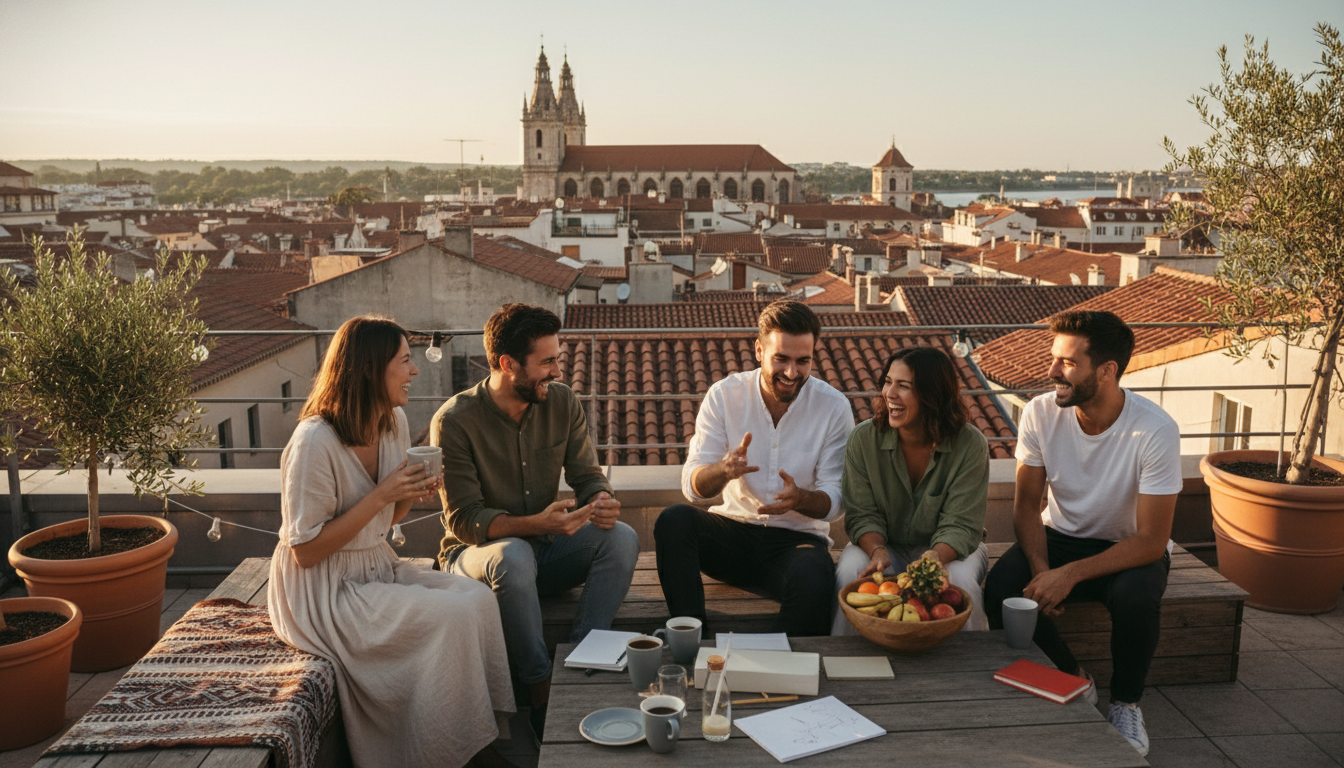
Life looks different than it did just a few years ago. Work routines have shifted, technology has accelerated, and many households are rethinking health, community, and what “success” should feel like day to day. Modern lifestyle trends aren’t only changing what people buy. They’re reshaping how homes function, how careers are structured, and how time is protected. Below are the most influential trends driving how people live and work right now, along with practical takeaways you can apply without overhauling your entire life.
Hybrid Work and the Rise of Flexible Routines
Hybrid work has become a defining lifestyle shift, affecting schedules, commuting patterns, and how people organize their homes. When work isn’t tied to a single location five days a week, daily routines become more customizable. For many professionals, that flexibility is a major quality-of-life upgrade, but it also introduces new challenges around boundaries.
A key trend is the move toward “routine design” rather than rigid schedules. People are building anchor habits that provide structure, such as consistent wake times, planned work blocks, or afternoon walks that separate work mode from home mode. Homes are adapting too. Spare bedrooms, dining areas, and even hallway nooks are being turned into functional work zones with better lighting, ergonomic seating, and cable control.
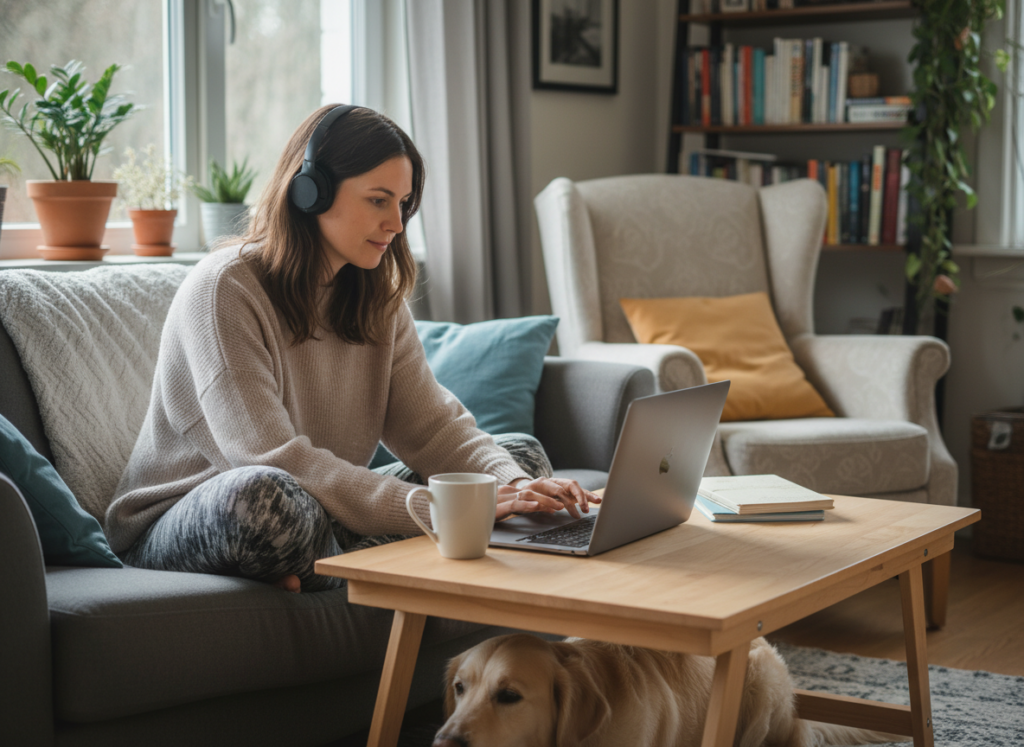
In practice, the most sustainable setups are the ones that make it easy to start work with focus and stop work without guilt. That often means a designated workspace, clear end-of-day rituals, and technology that supports productivity without keeping you constantly on call.
Wellness Becomes More Practical and Less Performative
Wellness has shifted away from strict, all-or-nothing ideals and toward habits that fit real life. Many people are prioritizing consistent sleep, strength training, daily movement, and simpler nutrition strategies instead of chasing extreme routines that don’t last.
This trend is influencing how people plan their weeks and design their living spaces. Kitchens are being organized for meal prep and healthier snacking. Living rooms are doubling as workout spaces with compact storage for weights or yoga mats. Even lighting choices are being shaped by wellness, with more attention to evening-friendly lighting and screen habits that support sleep.
The biggest shift is mindset. Wellness is increasingly viewed as a long-term support system, not a short-term transformation. That makes it more accessible, especially for people balancing demanding jobs, caregiving, or unpredictable schedules.
Digital Minimalism and Attention Protection
As screens become more integrated into everything, there’s a growing push toward digital boundaries. People are noticing how constant notifications, endless scrolling, and multitasking affect mood, focus, and relationships. Digital minimalism is the lifestyle trend that responds to that pressure by treating attention like a limited resource.
Common changes include turning off nonessential notifications, setting app limits, and creating phone-free zones at home. Some households are reclaiming evenings by replacing passive screen time with shared meals, reading, hobbies, or outdoor activities. Others are streamlining the number of platforms they use so digital life feels less scattered.
This trend is also shaping work culture. Professionals are increasingly pushing back on always-on expectations by using clear communication windows, asynchronous updates, and fewer meetings. The goal isn’t to avoid technology. It’s to use it with more intention.
AI and Automation Enter Everyday Life
Artificial intelligence and automation are no longer niche. They’re showing up in work tools, customer service, personal finance, writing support, scheduling, and smart home systems. This is influencing how people learn, how teams operate, and what skills are valued.
In many industries, workers are adapting by focusing on higher-level thinking, strategy, and interpersonal skills while using AI tools to speed up routine tasks. That changes workflows and even career planning. Learning and upskilling are becoming ongoing habits rather than occasional efforts.
At home, automation is often used to reduce friction. Smart thermostats, voice-controlled lighting, and scheduling tools help simplify routines. When used well, these upgrades support comfort and efficiency. When used poorly, they can add complexity. The trend is moving toward simple automations that solve specific problems rather than loading the home with gadgets.
Home as a Multi-Use Space, Not Just a Place to Sleep
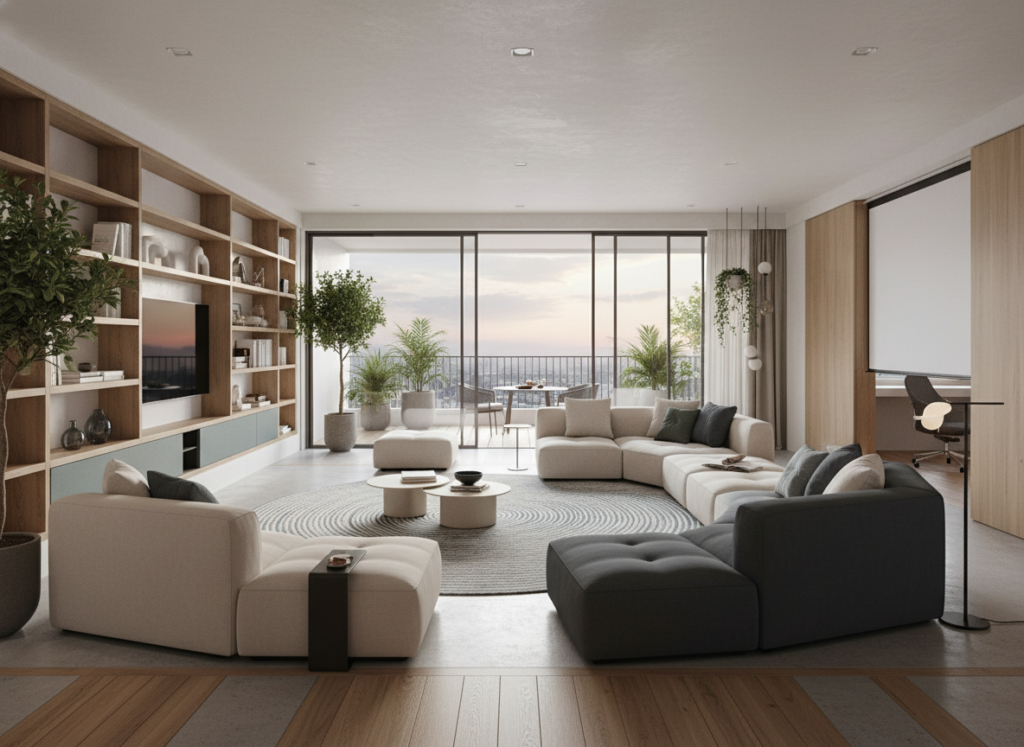
Homes have become more multifunctional. They’re offices, gyms, classrooms, entertainment spaces, and places for recovery. This trend influences interior design decisions, storage choices, and how people think about square footage.
Instead of dedicating a room to a single purpose, many households are building flexible zones. A guest room might include a desk and storage that hides work gear when visitors arrive. A living room might include furniture that shifts for workouts or game nights. This flexibility supports daily life without requiring a larger home.
It’s also driving demand for functional design. People are paying more attention to storage, lighting, acoustic comfort, and durable materials. When you spend more time at home, small annoyances become more noticeable, and smart upgrades feel more valuable.
Financial Mindfulness and Value-Based Spending
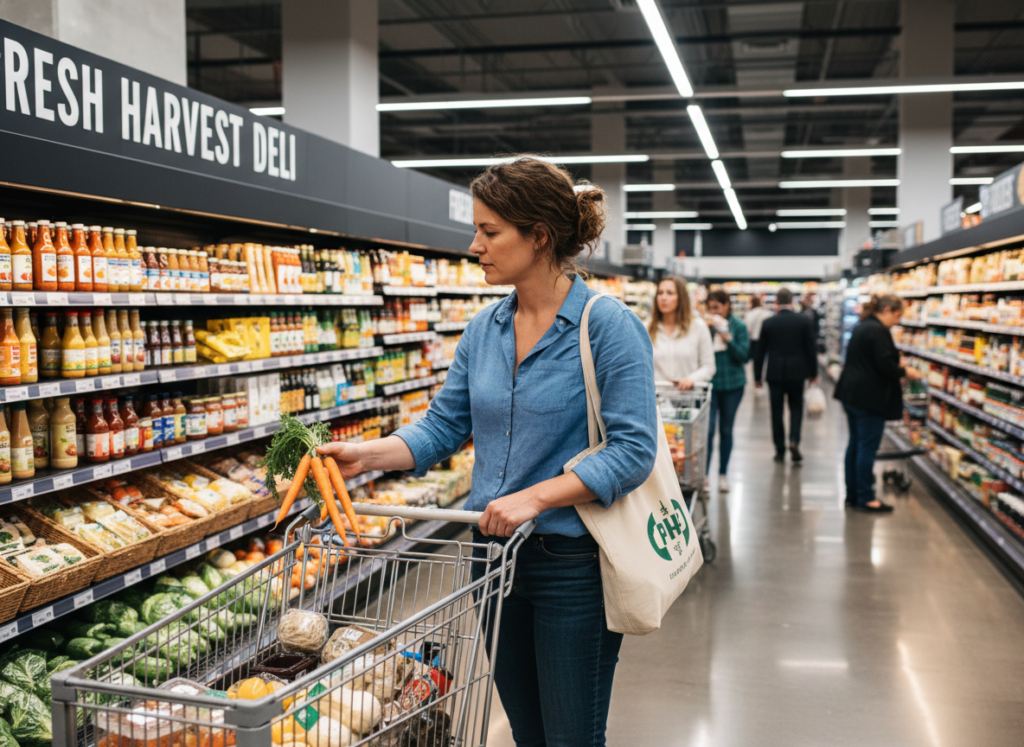
Rising costs have pushed many households to rethink spending. A major lifestyle trend is value-based budgeting, where people spend more intentionally in the categories that matter most while cutting expenses that don’t improve quality of life.
Rather than chasing constant consumption, many people are choosing fewer but better purchases. That shows up in home décor decisions, clothing choices, subscriptions, and travel planning. There’s also more interest in secondhand shopping, repair culture, and maintaining what you already own.
This trend influences work decisions too. Professionals are weighing compensation alongside flexibility, benefits, and mental health. The definition of a “good job” is expanding beyond salary alone.
Sustainable Living Moves Into the Mainstream
Sustainability is becoming less of a niche identity and more of a practical lifestyle approach. People are making changes that reduce waste and energy use without trying to live perfectly.
At home, this includes choosing energy efficient appliances, using LED lighting, reducing single-use products, and buying durable furniture instead of disposable items. Many households are also adopting lower-waste habits like refillable cleaning products, composting where possible, and shopping with fewer impulse purchases.
Sustainability also influences work culture, especially in companies focused on ESG goals, ethical supply chains, and remote work policies that reduce commuting. For individuals, the biggest changes often come from consistency rather than dramatic gestures.
Community, Local Connection, and the Return of “Third Places”
Another notable trend is renewed interest in community. Many people are looking for connections beyond work and home, whether through local classes, sports leagues, volunteer work, faith communities, or neighborhood events.
This has brought attention back to “third places,” the social environments that aren’t home or work, such as cafes, libraries, parks, and community centers. These spaces support mental health and social stability, especially for remote workers who might otherwise feel isolated.
From a lifestyle standpoint, prioritizing community often requires planning. Putting recurring social time on the calendar, joining one consistent group, or choosing a hobby with built-in connection can make a meaningful difference.

Personalization and Identity-Driven Living
People are moving away from one-size-fits-all lifestyle advice and building lives that reflect personal values, family structure, and life stage. This is showing up in everything from career choices to home design to wellness routines.
Personalization also means letting go of unrealistic standards. Instead of following generic productivity formulas, people are designing routines that match their energy levels and responsibilities. Homes are being decorated to feel authentic, not just trendy. Work choices are being guided by purpose and sustainability, not only prestige.
This trend is especially relevant for households managing mixed schedules, multigenerational living, or caregiving. Practical personalization helps life feel more manageable and less performative.
How to Respond to These Trends Without Overhauling Your Life
You don’t need to adopt every trend to benefit from the bigger shifts. A practical approach is to choose one area where friction is high and improve it with a small change. That might mean creating a better work setup, setting digital boundaries in the evening, or simplifying your weekly routine.
If you want a simple starting point, focus on these three questions:
- What drains your energy most often during the week?
- What’s one routine that would make your days easier if it were consistent?
- What environment change would reduce daily clutter or stress?
Small, repeatable changes tend to stick, and they often deliver more lasting results than dramatic resets.
Conclusion
Modern lifestyle trends are reshaping how people live and work through flexibility, technology, wellness, sustainability, and renewed attention to community. Hybrid work and AI tools are changing routines and career paths, while digital minimalism and value-based spending reflect a growing desire for focus and stability. At home, multifunctional design and practical wellness habits are helping households support everyday life more effectively. By choosing a few intentional changes that match your needs, you can adapt to these shifts in a way that feels grounded, realistic, and genuinely helpful.