

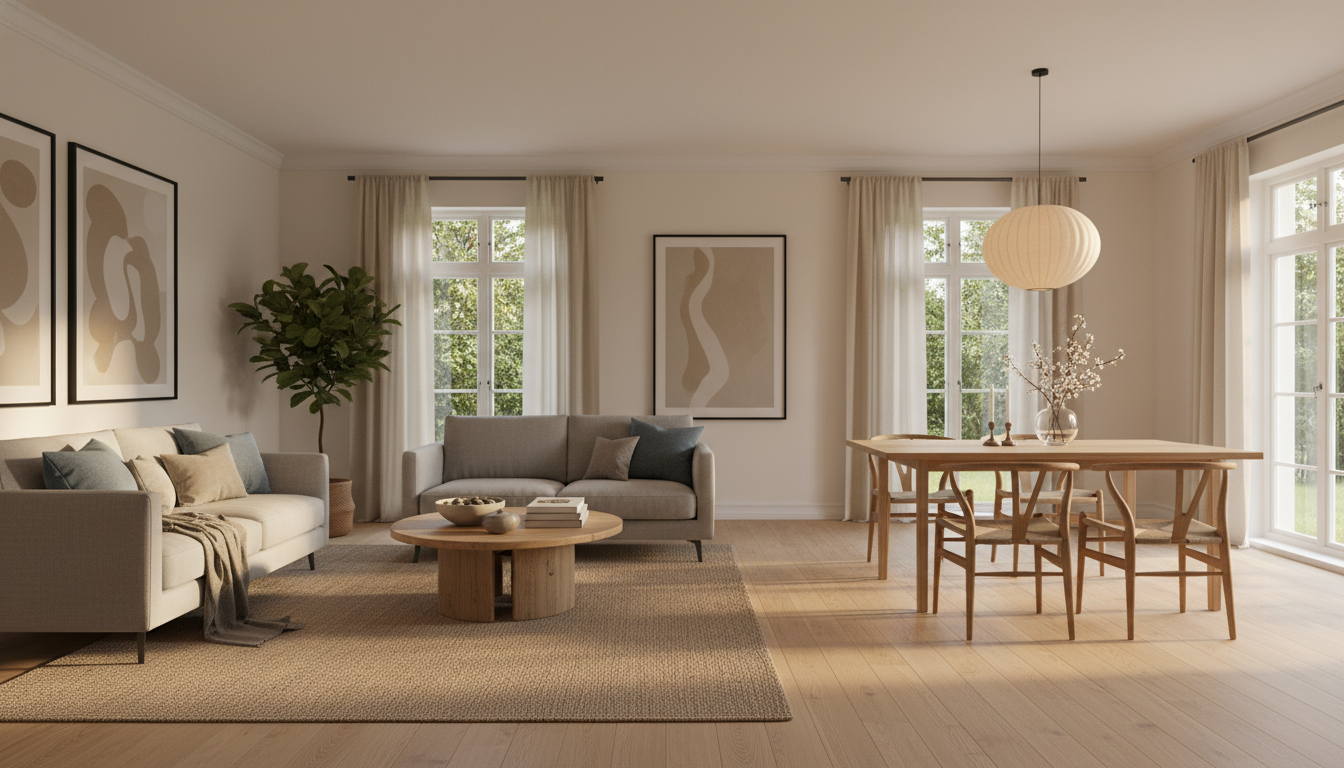
Decorating your home on a budget doesn’t mean settling for a space that feels unfinished or generic. With a smart plan, you can refresh rooms, add personality, and make your home feel more pulled together without draining your savings. The key is focusing on high-impact changes, shopping strategically, and making your existing pieces work harder before you replace them.
Set a Clear Budget and Decide What “Done” Looks Like
Before you buy anything, get specific about what you’re trying to achieve. Are you aiming for a cozier living room, a calmer bedroom, or a more welcoming entry? When you define the goal, you won’t waste money on items that don’t move the room forward.
Set a number you’re comfortable spending and break it into categories such as paint, textiles, lighting, and décor. Leave a small buffer for unexpected needs like picture hooks, outlet covers, or an extra throw pillow insert. These small items add up quickly, and planning for them helps you stick to the budget.
A helpful mindset is to aim for “cohesive,” not “perfect.” Many beautiful homes are built gradually over time. You don’t have to buy everything at once.
Start With a Deep Clean and a Declutter Reset
This sounds basic, but it’s one of the most budget friendly upgrades you can make. A room feels more expensive when surfaces are clear, floors are clean, and textiles look fresh.
Declutter first, then rearrange what you already own. Move a lamp from the bedroom to the living room. Swap art between rooms. Pull décor pieces from storage and restyle them in new groupings. Even changing the placement of furniture can make a space feel new without spending a dollar.
If you’re overwhelmed, start with one category at a time, such as paper clutter, old cables, or decorative items that no longer fit your style. You’ll immediately see more of what the room actually needs.
Use Paint for the Biggest Visual Impact at the Lowest Cost
Paint is one of the cheapest ways to transform a space, especially compared to furniture or flooring. A fresh coat can make walls look cleaner, brighten dark corners, and help mismatched décor feel more intentional.
If you want a timeless look, choose a warm neutral that works with your floors and existing furniture. If your room feels flat, consider painting trim a crisp contrasting shade or adding an accent wall in a deeper tone. For renters, removable wallpaper can also add impact, but it’s usually more expensive than paint, so use it selectively.
Don’t forget small paint projects. Painting an old dresser, updating a front door, or refreshing kitchen cabinets can create a dramatic change for much less than replacing items.
Upgrade Lighting Without Buying Expensive Fixtures
Lighting changes how a room feels, and you don’t have to spend a lot to improve it. Many homes rely on a single overhead light, which can make spaces look harsh or dim depending on the bulb and shade.
Add layered lighting using a mix of table lamps and floor lamps. Swap bulbs to warm-toned LEDs to create a softer, more inviting feel. If you have mismatched lampshades, changing shades can make older lamps look updated. If you want a more dramatic improvement, replace a dated ceiling fixture in a main room. Many modern options are affordable, and it’s one of the first things people notice when they walk in.
Refresh Soft Furnishings for a Quick Style Upgrade
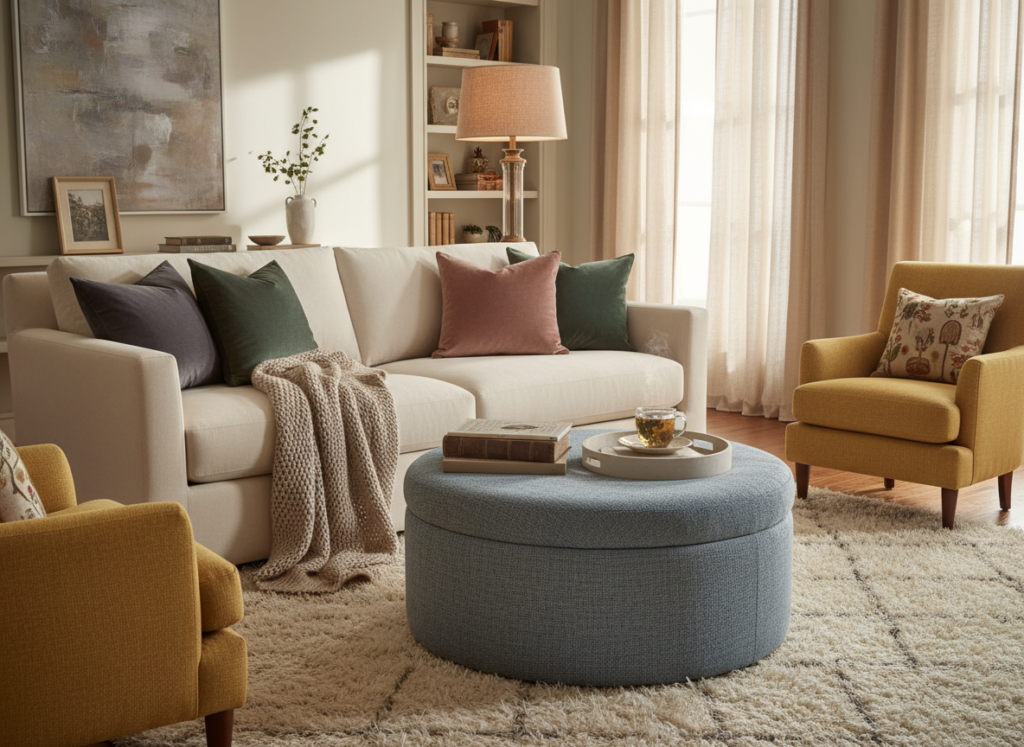
Textiles are a budget decorator’s best tool because they change the mood of a room instantly. Focus on pieces that have both visual and practical value.
A new area rug can define a seating space and make it feel more intentional. If a full-size rug isn’t in the budget, choose a smaller one that fits under the coffee table and front legs of the sofa, or layer a smaller patterned rug over a larger neutral base.
Curtains also make a room feel more complete. Hanging curtain rods higher and wider than the window frame creates the illusion of taller ceilings and bigger windows. If you don’t want to buy new panels, you can often upgrade the look by steaming wrinkled fabric and swapping basic hardware for sturdier brackets.
Pillows and throws add color and texture, but you don’t need a dozen. Two to four pillows on a sofa, plus one throw, often looks more elevated than an overstuffed arrangement.
Shop Secondhand and Know What’s Worth Buying Used
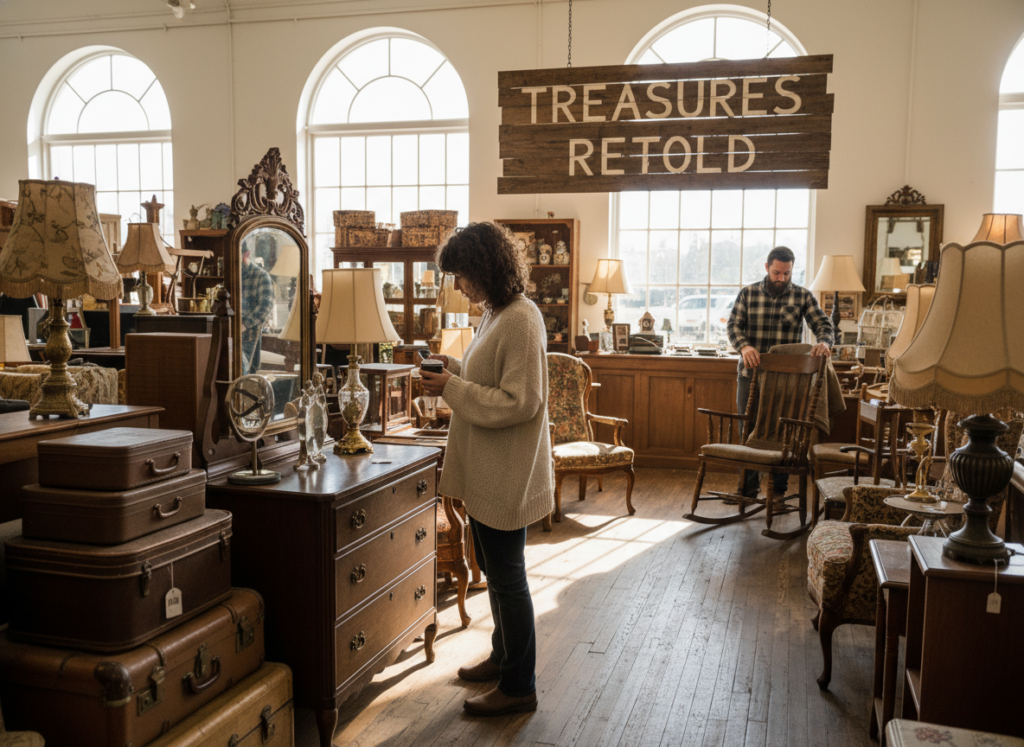
Secondhand shopping can stretch your decorating budget dramatically, especially for solid furniture and décor. Thrift stores, estate sales, consignment shops, and online marketplaces often have high-quality pieces for a fraction of retail prices.
Some items are especially smart to buy used, including solid wood dressers, side tables, dining chairs, mirrors, and framed art. Many pieces only need cleaning or minor updates, like new knobs or a fresh coat of paint.
Be more cautious with soft items like mattresses or heavily used upholstered seating. If you do buy upholstery secondhand, inspect it carefully and consider reupholstering only if the frame is truly high quality.
Update Hardware and Small Details That Add Up
It’s easy to underestimate how much small details affect the overall look of a room. Upgrading hardware can make older furniture and cabinetry feel more current without major renovation costs.
Consider replacing cabinet pulls in kitchens and bathrooms, updating doorknobs if they’re worn, and swapping switch plates or outlet covers if they’ve yellowed. These changes are relatively inexpensive, and they make your home feel cleaner and more intentional. In bathrooms, a new shower curtain, fresh towels, and a simple matching set of containers for essentials can make the space feel put together quickly.
Create High-End Looking Wall Decor on a Budget
Walls can make a room feel empty or finished. You don’t need expensive art to create a polished look. A few smart strategies can help.
Choose one larger focal piece for a main wall rather than scattering small items everywhere. Large-scale art often looks more elevated. If you’re working with smaller frames, create a cohesive gallery wall with consistent spacing and a limited color palette.
You can also frame affordable prints, photography, or even fabric. Thrifted frames can be repainted to match your room. The goal is cohesion, not perfection. Mirrors are another budget-friendly tool. They reflect light, visually expand rooms, and serve a functional purpose in entryways, bedrooms, and bathrooms.
Style With What You Already Have, Just More Intentionally
A room looks more expensive when décor is curated rather than random. Instead of placing single small items across every surface, group items in clusters of three to five with varied heights and textures.
Use books as risers, add a small tray to corral everyday items, and incorporate something organic like a plant or a vase with branches. These simple styling techniques make surfaces look intentional, even if the items themselves were inexpensive. If your shelves look messy, try leaving some empty space. Negative space creates visual calm and helps featured items stand out.
Avoid Common Budget Decorating Mistakes
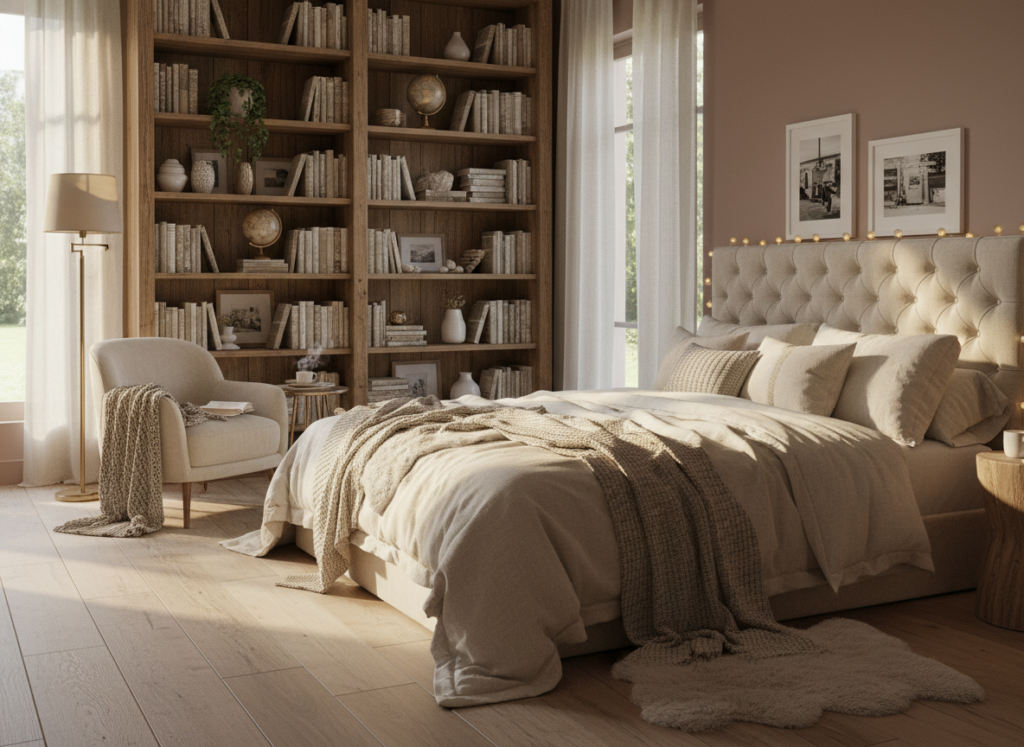
Overspending often happens when purchases aren’t planned. Some common pitfalls are buying décor before addressing the basics, choosing trendy items that don’t work with your home long term, and purchasing furniture that’s the wrong size.
Also watch out for “cheap now, expensive later” purchases. Low-quality rugs, flimsy furniture, and poor lighting often need replacing quickly. When possible, spend a little more on items that get heavy use and save on accents that are easy to change.
Conclusion
Budget friendly home decorating is completely achievable when you focus on high-impact changes and shop with a plan. Start by decluttering and refreshing what you already own, then use paint, lighting, and textiles to transform the feel of your space without overspending. Mix in secondhand finds, upgrade small details like hardware, and style your rooms with intention to create a cohesive look. With steady, thoughtful choices, you can build a home that feels comfortable, personal, and beautifully finished without straining your finances.
Related Articles
- 10 Budget-Friendly Ways to Refresh Your Home: Easy Tips to Update Your Space Without Renovating
- Budget-Friendly Home Renovations to Boost Value and Maximize Your Home’s Resale Potential
- 15 Upcycling Ideas for Home Organization to Reduce Clutter, Save Money, and Create Functional Storage Solutions
- 15 Creative Ways to Repurpose Jars and Containers for Eco-Friendly, Budget-Friendly Home Organization
- Sustainable Interior Design Ideas for an Eco Friendly and Energy Efficient Home
- 7 Simple Design Tips to Create a Calm, Organized Home Aesthetic and Reduce Stress in Your Living Space