

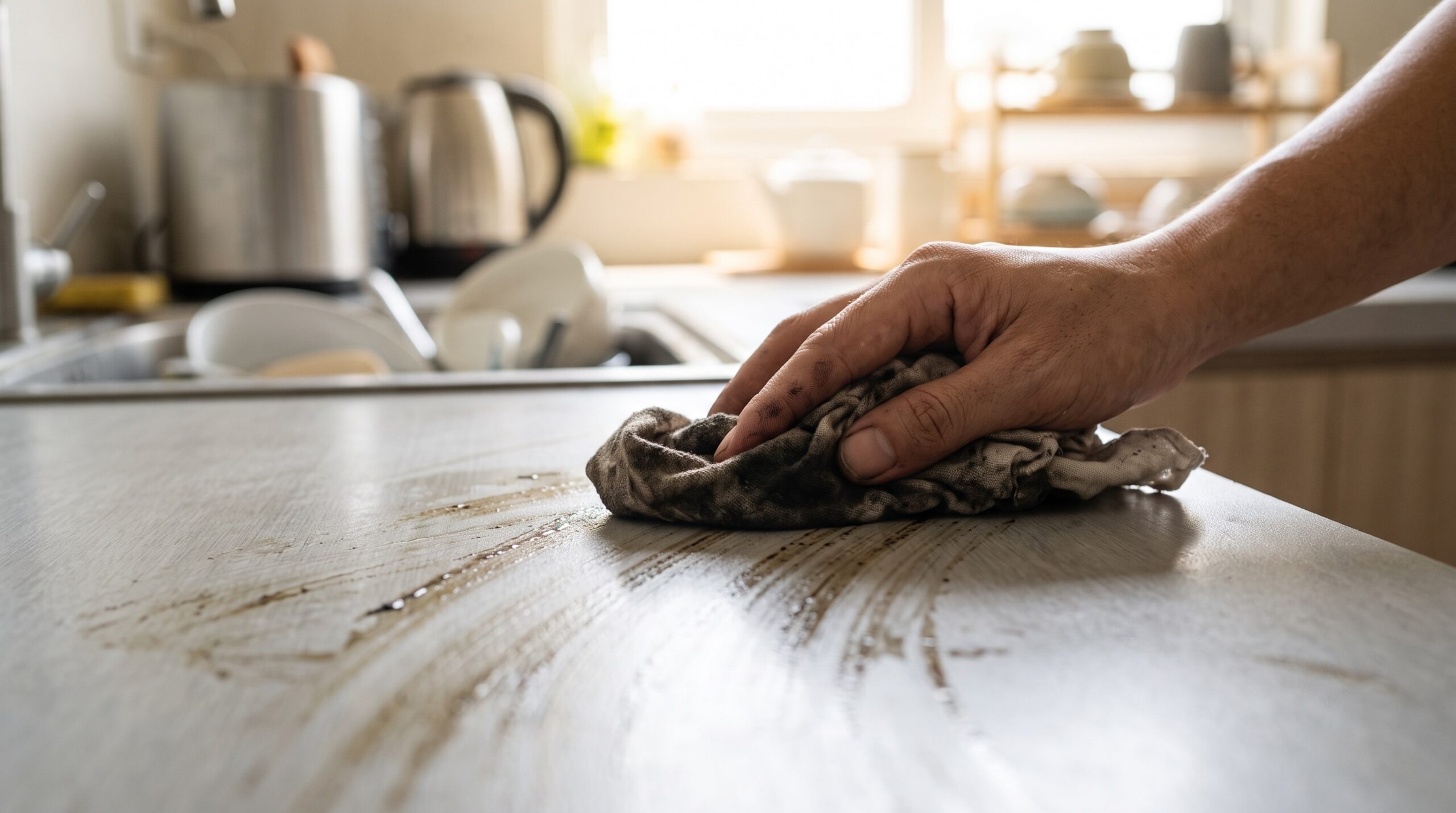
Cleaning your home might seem like a simple task, but many people unknowingly make mistakes that can make the job harder or even leave their spaces dirtier. Whether you’re using too much product, using the wrong tools, or neglecting certain areas, these small mistakes can lead to inefficiency and frustration. Fortunately, most of these mistakes are easy to fix. Let’s go over eight common cleaning errors and practical, expert-backed solutions to fix them for a cleaner, healthier home.
1. Using Too Much Cleaning Product
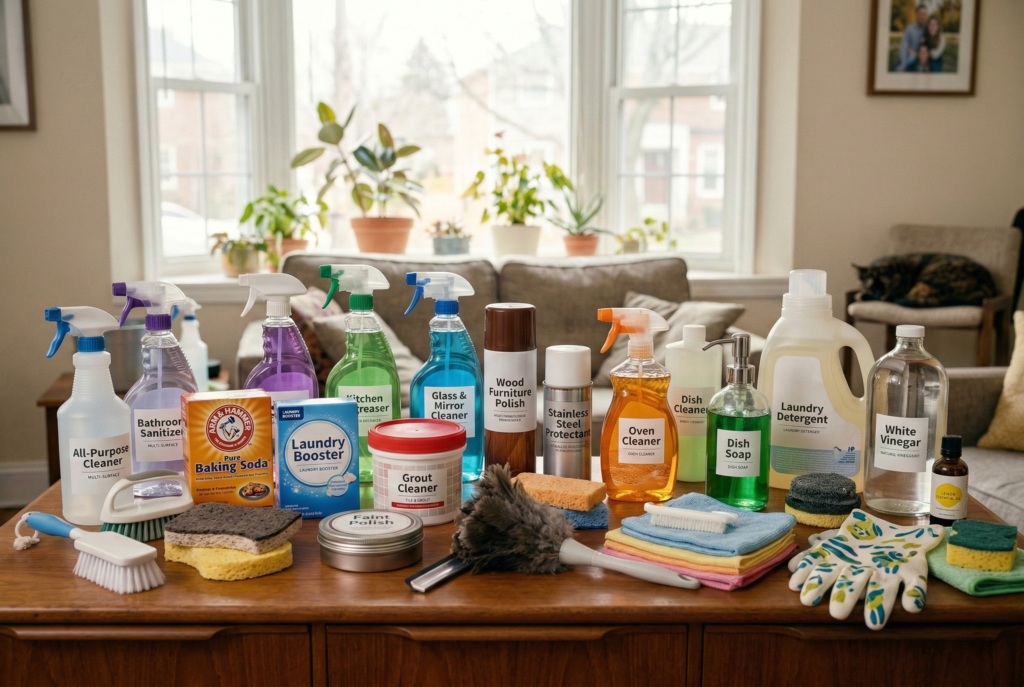
One of the most common cleaning mistakes is using too much cleaning product, thinking that more is better. Overusing cleaning products often leads to sticky residues, which attract more dirt and grime over time, especially on high-gloss surfaces like countertops and hardwood floors. These residues also leave streaks, especially on shiny surfaces. The result? You end up cleaning more than necessary.
How to Fix It
Start by following the instructions on the product label. Most cleaning products require just a small amount for effective cleaning. For everyday cleaning, you don’t need a lot of product, just a few spritzes or a small amount on your cleaning cloth will do the trick. Too much product doesn’t just waste it, but it can also damage surfaces, so use sparingly.
Pro Tip
Dilute your cleaning products in a spray bottle with water for routine cleaning. This will extend the life of the product and help prevent buildup. For most surfaces, a diluted solution is all you need.
2. Using the Wrong Cleaning Tools
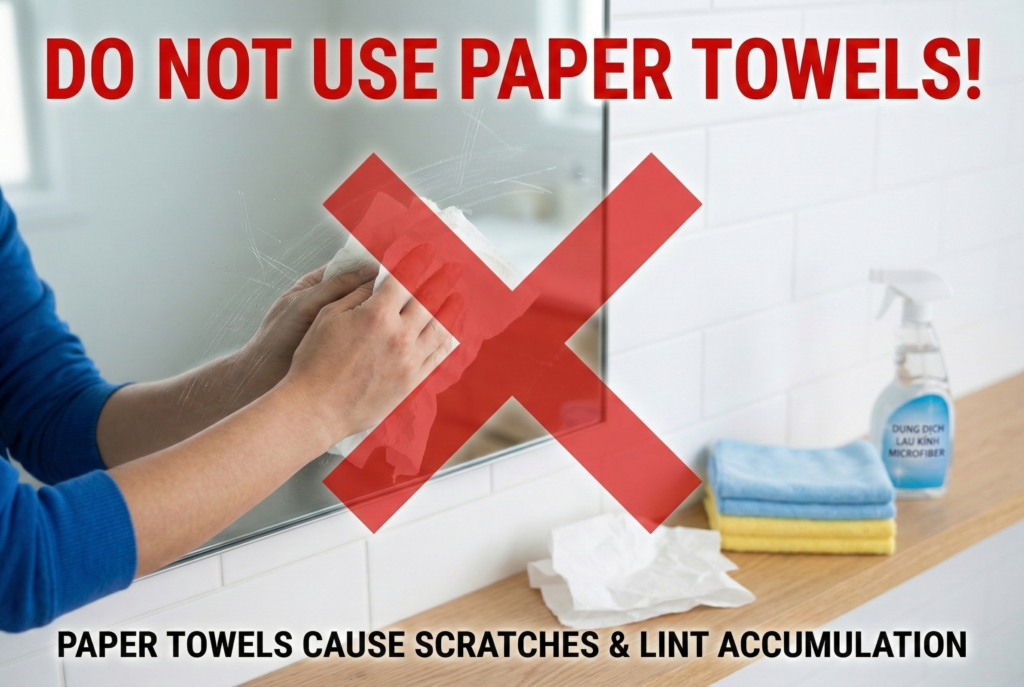
Using the wrong cleaning tools is a surefire way to waste time and possibly damage your surfaces. For example, using paper towels to clean mirrors or windows leaves lint behind, making them appear streaky. Similarly, using abrasive scrubbers or sponges on delicate surfaces like stainless steel or marble can cause scratches and discoloration.
How to Fix It
Always use the appropriate tools for the job. For windows and mirrors, use microfiber cloths, as they’re designed to clean without leaving streaks or lint. When cleaning stainless steel or glass, choose soft, non-abrasive sponges or cloths. A dedicated microfiber cloth works well for stainless steel appliances, while a soft, gentle sponge should be used for non-stick cookware.
3. Not Cleaning From Top to Bottom
Cleaning from the ground up is a major mistake that many people make. When you start cleaning the floors first, dust and dirt from higher surfaces like shelves, light fixtures, or furniture fall to the ground, requiring you to clean the floors again.
How to Fix It
Always start your cleaning from the highest surfaces and work your way down. Begin by dusting ceiling fans, light fixtures, and shelves. Let the dust fall to lower surfaces, and then wipe down tables, counters, and finally, the floors. This ensures that dirt won’t settle on freshly cleaned areas.
If you’re cleaning windows or mirrors, do these after dusting and wiping down other surfaces to prevent streaks from dust falling onto clean windows.
4. Using Dirty Cleaning Tools
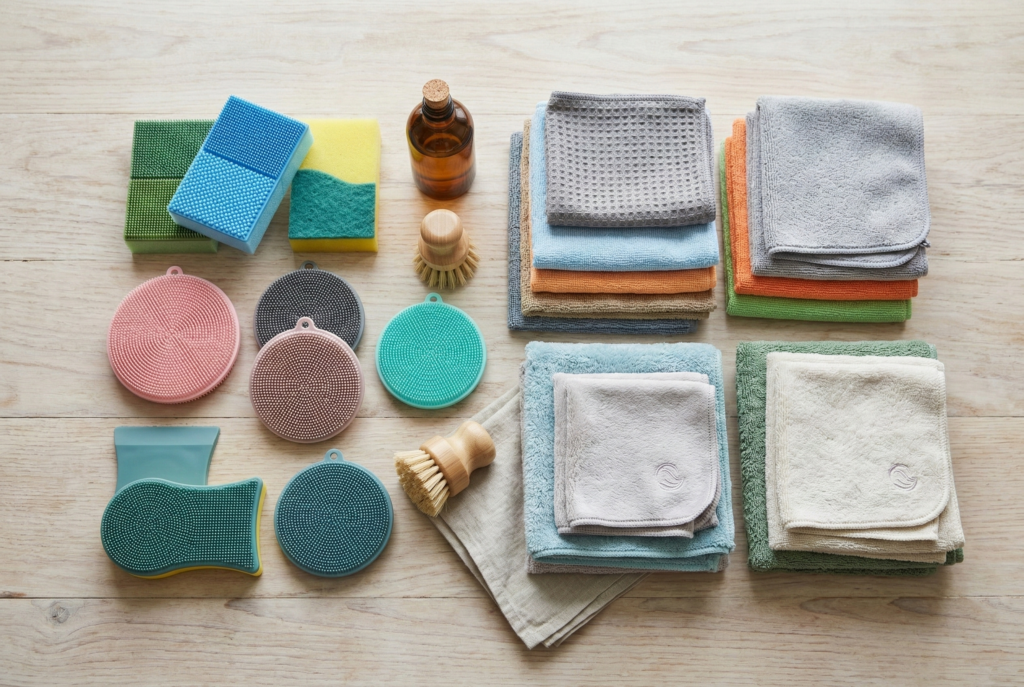
When you use dirty cleaning tools like sponges, mops, or cloths, you’re just spreading germs, bacteria, and dirt around, making your efforts counterproductive. Dirty tools also reduce cleaning efficiency, leaving streaks or grime behind on your surfaces.
Make sure to wash and sanitize your cleaning tools regularly. After every use, clean your sponges by rinsing them thoroughly with warm water, and disinfect them with a vinegar or bleach solution. Mop heads should be cleaned after each session and replaced every few months to ensure optimal performance. For vacuums, regularly empty the dust canister and clean the filters to maintain suction power.
Useful tip: Switch to silicone sponges or washable microfiber cloths as these are easier to disinfect and last longer than traditional sponges, reducing bacterial buildup.
5. Using Harsh Chemicals on Delicate Surfaces
Many people make the mistake of using harsh chemicals like bleach or abrasive cleaners on delicate surfaces such as granite, marble, and laminate. These products can strip the surface, cause discoloration, or even damage the protective finish.
Always use a cleaner specifically formulated for the surface you’re cleaning. For natural stone countertops like granite or marble, opt for pH-neutral cleaners. When cleaning laminate floors, use a mild, non-abrasive cleaner to prevent damage. Read the labels carefully, as some cleaners are formulated specifically for different materials.
For regular cleaning, use eco-friendly, non-toxic cleaners that are safe for most surfaces and avoid harsh chemicals. They clean effectively while being gentler on your surfaces and the environment.
6. Skipping Routine Cleaning
While it’s important to perform deep cleaning sessions, skipping routine cleaning tasks can cause dirt and grime to build up over time, making it harder to clean later. Regular cleaning is essential for maintaining cleanliness and preventing stains, dirt, and dust from accumulating.
How to Fix It
Establish a routine cleaning schedule. Dedicate a few minutes every day or week to cleaning high-touch areas like doorknobs, countertops, and tables. Vacuum or sweep regularly to remove dirt from floors. If you have pets, regular cleaning becomes even more important to prevent hair buildup and allergens. For example, set aside 10-15 minutes every evening for quick cleaning tasks, like wiping down surfaces, putting away shoes, and tidying up. This simple habit will prevent messes from piling up.
7. Mixing Cleaning Products Recklessly
Mixing cleaning products, especially those with harsh chemicals, can be dangerous. For example, combining bleach and ammonia creates toxic fumes that can harm your respiratory system. Some cleaners can even neutralize each other’s effectiveness, making the job harder than it needs to be.
How to Fix It
Avoid mixing cleaning products unless the label specifically says it’s safe to do so. Stick to one product at a time, and ensure you read the instructions carefully. For tougher jobs, use products that are designed for specific surfaces or combined use, like all-purpose disinfectant cleaners.
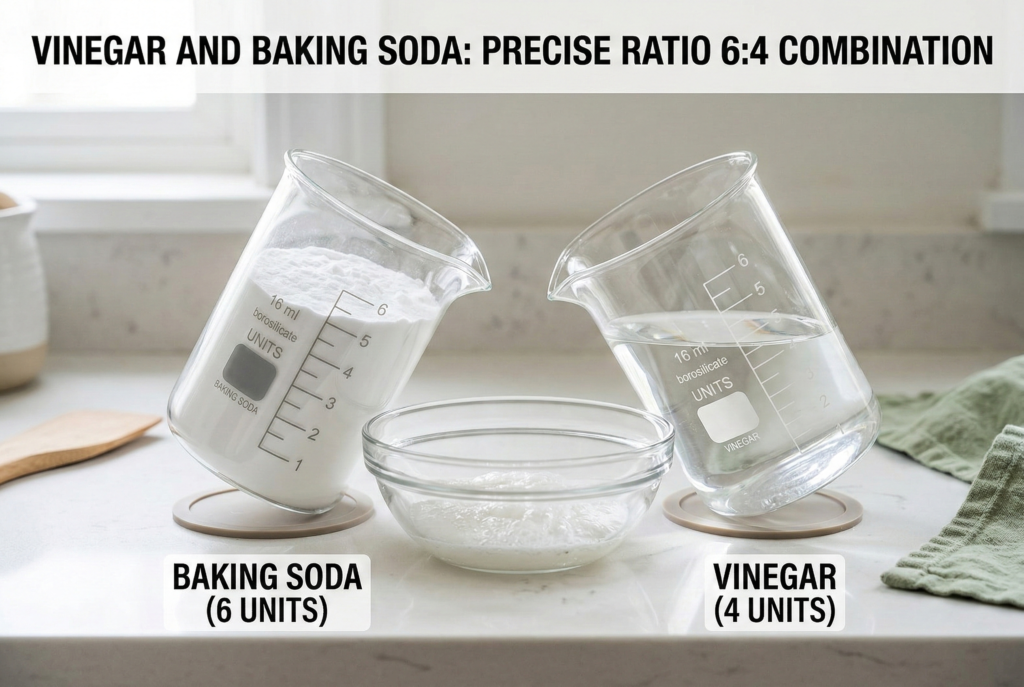
If you’re unsure, use natural solutions like vinegar and baking soda, which work well together for many cleaning tasks and are completely safe to mix.
8. Letting Clutter Pile Up
Not only for wiping down surfaces, cleaning is also about maintaining an organized and clutter-free environment. Allowing clutter to build up, especially in high-traffic areas like entryways or kitchens, makes your home look messier and complicates cleaning efforts.
How to Fix It
Make decluttering a part of your daily cleaning routine. Put items back in their designated places, and take a few minutes every day to tidy up. Regularly sort through mail, papers, and other items to prevent unnecessary clutter from building up.
Conclusion: Make Cleaning More Efficient and Effective
By avoiding these common cleaning mistakes, you’ll save time and energy while ensuring that your home stays clean and organized. Whether it’s using the right tools, following a proper cleaning sequence, or sticking to an effective cleaning routine, small changes can make a big difference in your cleaning efficiency.
Take the time to adjust your habits and avoid these common mistakes. Not only will your cleaning efforts be more effective, but your home will stay fresher for longer. So, next time you pick up a mop or spray bottle, remember these tips to make cleaning less of a chore and more of a rewarding task.
Related Articles
- 12 Habit Tracking Strategies for a Cleaner Home to Build Consistent Routines and Reduce Daily Clutter
- How to Clean Each Room Efficiently: The Ultimate Room-by-Room Cleaning Guide
- 12 Common Decluttering Mistakes to Avoid: Expert Tips to Keep Your Home Cleaner, More Organized, and Clutter-Free