

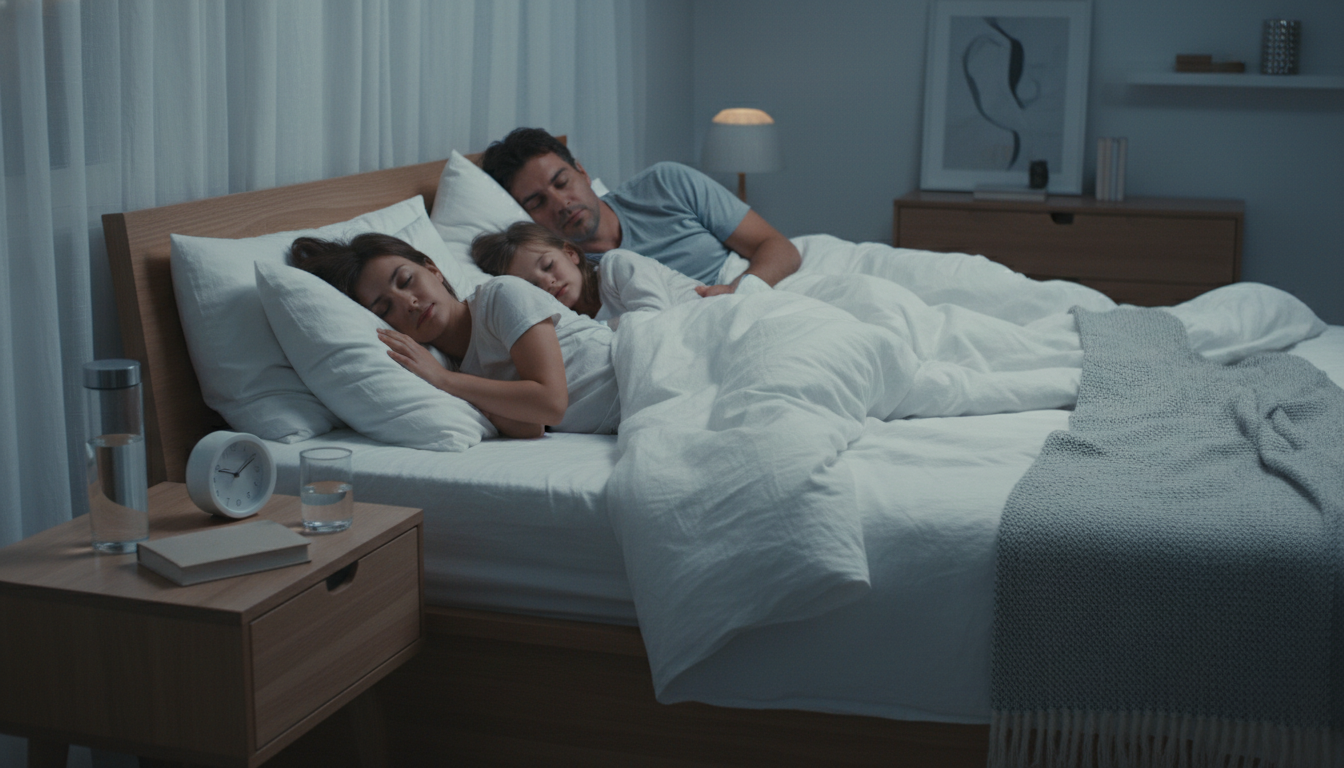
If you’ve ever glanced over at your nightstand at the end of a long day and felt an immediate sense of ugh, “how did all of that end up here again?” You’re definitely not the only one. It’s almost funny how quickly that small surface fills up. A charger you drop “just for tonight,” a hand cream you barely used, the book you keep meaning to finish slowly, quietly, everything piles on until the space that should help you unwind ends up doing the opposite.
But here’s the encouraging part: with just a few thoughtful tweaks, that cluttered drop zone can become one of the calmest places in your bedroom. You don’t need a full makeover, just intention, a little structure, and maybe a moment of honesty about what actually belongs there. Below are 12 practical, real-life tips inspired by organizers, designers, and people who’ve wrestled with their own nightstand chaos and won.
1. Clear the Whole Thing Off
One of the most satisfying first steps and the most eye-opening is to take everything off your nightstand, pull things out of drawers as well. Once the nightstand is completely empty, you get a chance to see what you’ve been keeping out of habit rather than usefulness. Organizers love this step because it gives you a true reset, not just a reshuffling of clutter.
2. Decide What You Actually Want This Space to Do
Nightstands serve different purposes for different people, and there’s no universal version of “right.” Ask yourself what you want yours to support:
- A simple place for a lamp and water?
- A cozy reading spot?
- A mini wellness zone?
- A little extension of your dresser?
Whatever makes your evenings easier is the version you should design for.
3. Keep Only the Essentials You Really Use at Night
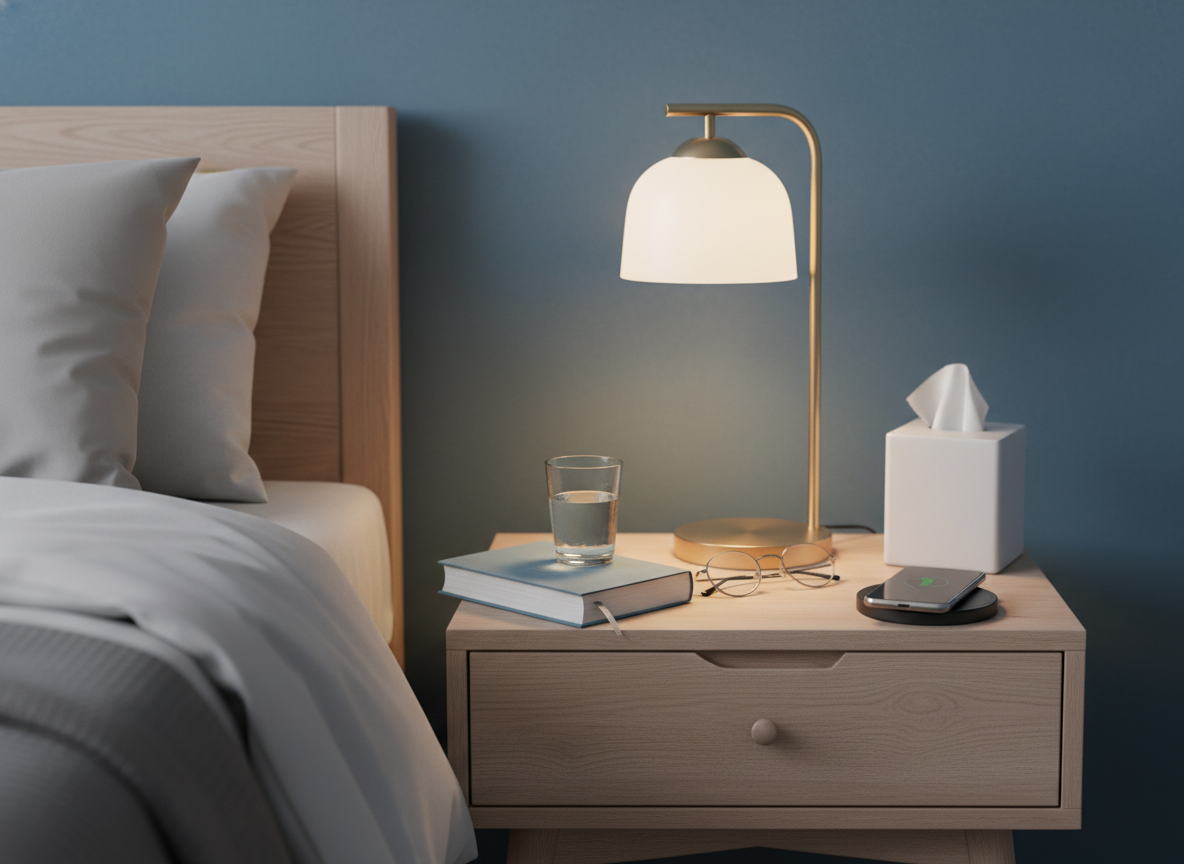
Once you’ve defined your nightstand’s purpose, choosing what actually belongs there becomes much easier. Most people only reach for a handful of items at night, such as: a soft bedside lamp, a glass of water, a lip balm, and an alarm clock. The key here is honesty. If you don’t use it every night, it doesn’t need to live on your nightstand.
4. Keep the Top Clear, Aim for Three to Five Items
A clear nightstand doesn’t just look nice, it helps your brain slow down. Designers love to call the top of your nightstand “visual real estate,” and honestly, once you clear it, you’ll feel the difference immediately. Try to limit the surface to three to five items. It sounds strict, but it creates instant peace.
5. Pick a Nightstand That Fits Your Lifestyle
Honestly, you should choose furniture that makes organizing easier, not harder, but it also depends on your habits:
- An open nightstand works well for minimalists.
- A nightstand with drawers is better for people who prefer items hidden.
- A tall, narrow table or floating shelf is perfect if space is tight.
6. Organize the Inside With Small Containers
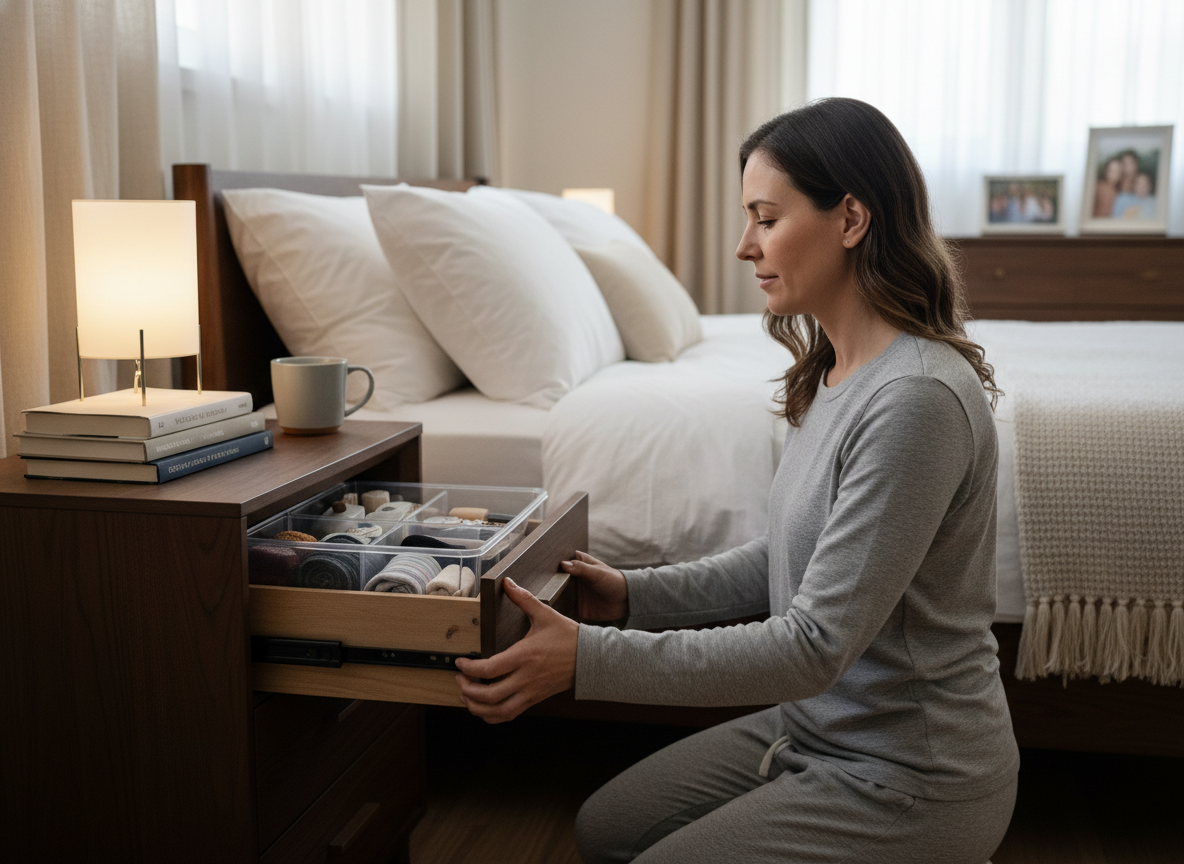
Nightstand drawers have a sneaky way of becoming mini junk drawers. Breaking the space into smaller sections helps keep things under control. You can use hollow trays, drawer dividers, small baskets, or sectioned organizers. When items have designated spots, the drawer stays tidy without much effort.
7. Use the Zone Method to Organize What Goes Where
A simple way to stay organized is to group items by how often you use them. Think of it in three zones and this routine-based layout keeps your essentials accessible and everything else out of the way.
Zone 1: The Surface (Nightly Essentials)
Items include your lamp, water, glasses, or current reading.
Zone 2: The Top Drawer (Weekly Use Items)
Items include a journal, nighttime skincare, earplugs, tech accessories.
Zone 3: Lower Drawer or Shelf (Occasional Items)
Items include extra chargers, heating pads, seasonal skincare, or backup products.
8. Remove the Things That Quietly Add Stress
Some items create visual clutter, but others create mental clutter. Avoid keeping things like bills or paperwork, dirty mugs, too many skincare bottles, stacks of unread books, or loose medications. These things tend to whisper, “You should deal with me,” right when you’re trying to relax.
9. Add Decor, But Keep It Thoughtful
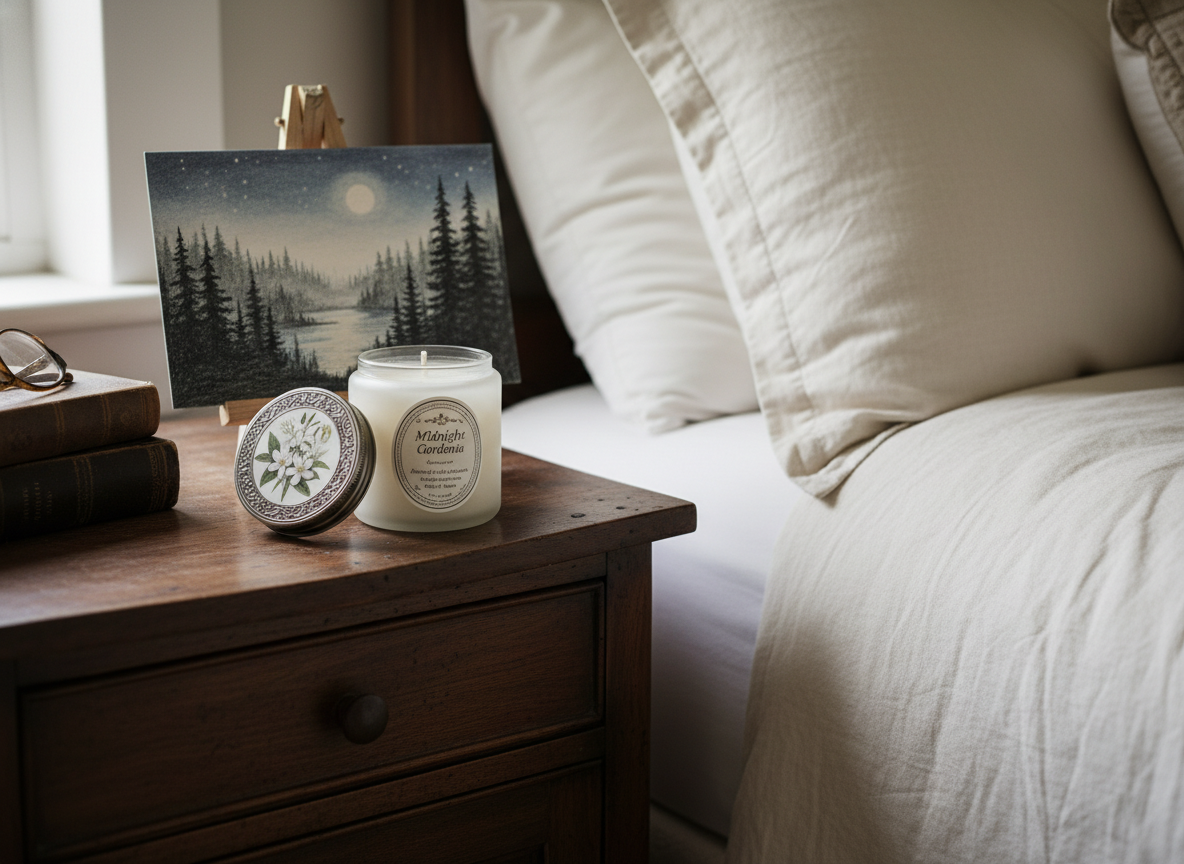
A nightstand doesn’t have to look sterile. A touch of decor can make the whole space feel more personal. Pick one or two items from these things: a small plant, a candle you love (unlit at night), a ceramic or wooden tray, a framed photo, or a small decorative object.
10. Tame Cord Clutter
Let’s be honest, cords are one of the biggest nightstand eyesores. Fortunately, a few simple solutions can clean things up quickly, such as using cord clips to keep wires in place, switching to wireless charging pads, hiding cables inside sleeves, tucking power strips out of sight, or choosing a nightstand with built-in charging ports for a cleaner, more streamlined look.
11. Use a Decluttering Method That Keeps You Going
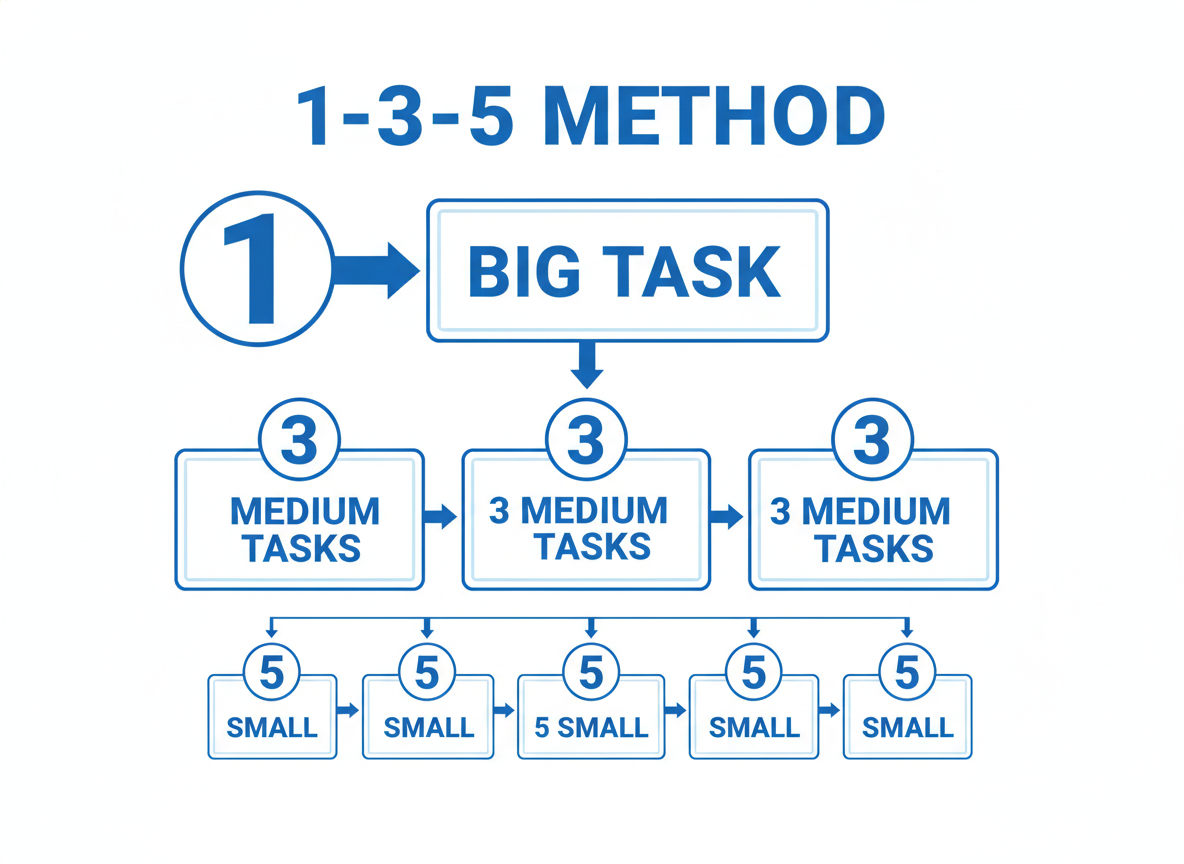
If you work well with structure, the 1–3–5 method might become your go-to because it’s simple, flexible, and ideal for busy days. It breaks decluttering into manageable pieces:
- 1 big task: Empty the entire nightstand.
- 3 medium tasks: Organize the surface, top drawer, and bottom drawer/shelf.
- 5 small tasks: Toss trash, wipe surfaces, donate extras, return misplaced items, and finish with a quick style refresh.
12. Create a Brief Nightstand Reset Routine
Even the best organization fades without maintenance. A 30-second nightly reset simply puts things back in their zones and keeps the nightstand looking intentional. Once a week, spend two minutes removing stray items like cups or receipts. Here’s the thing: it’s a tiny habit with a big payoff. Your nightstand sets the tone for how you fall asleep and how you wake up.
Nightstand Essentials: A Quick Guide
Nightly Must-Haves
Things most people like keeping within arm’s reach:
- soft, warm lighting
- water
- a book or e-reader
- glasses or contacts case
- lip balm or lotion
- tissues
- phone or alarm clock (optional)
Top Drawer Basics
Items you use regularly but don’t need on the surface:
- earplugs or a sleep mask
- pen and notebook
- hair ties or scrunchies
- small nighttime wellness items
- chargers or remote controls
- medications stored safely
Optional Add-Ons
For extra comfort or wellness:
- a diffuser
- pillow spray
- a heating pad
- a mini air purifier or humidifier
Final Thoughts
At the end of the day, a decluttered nightstand is really about more than organization, it’s about creating a bedroom that supports rest, clarity, and comfort. This little corner of your room plays a bigger emotional role than we often realize. With a few intentional choices and a simple routine, your nightstand can become a quiet, grounding space that signals your mind to slow down and breathe.