

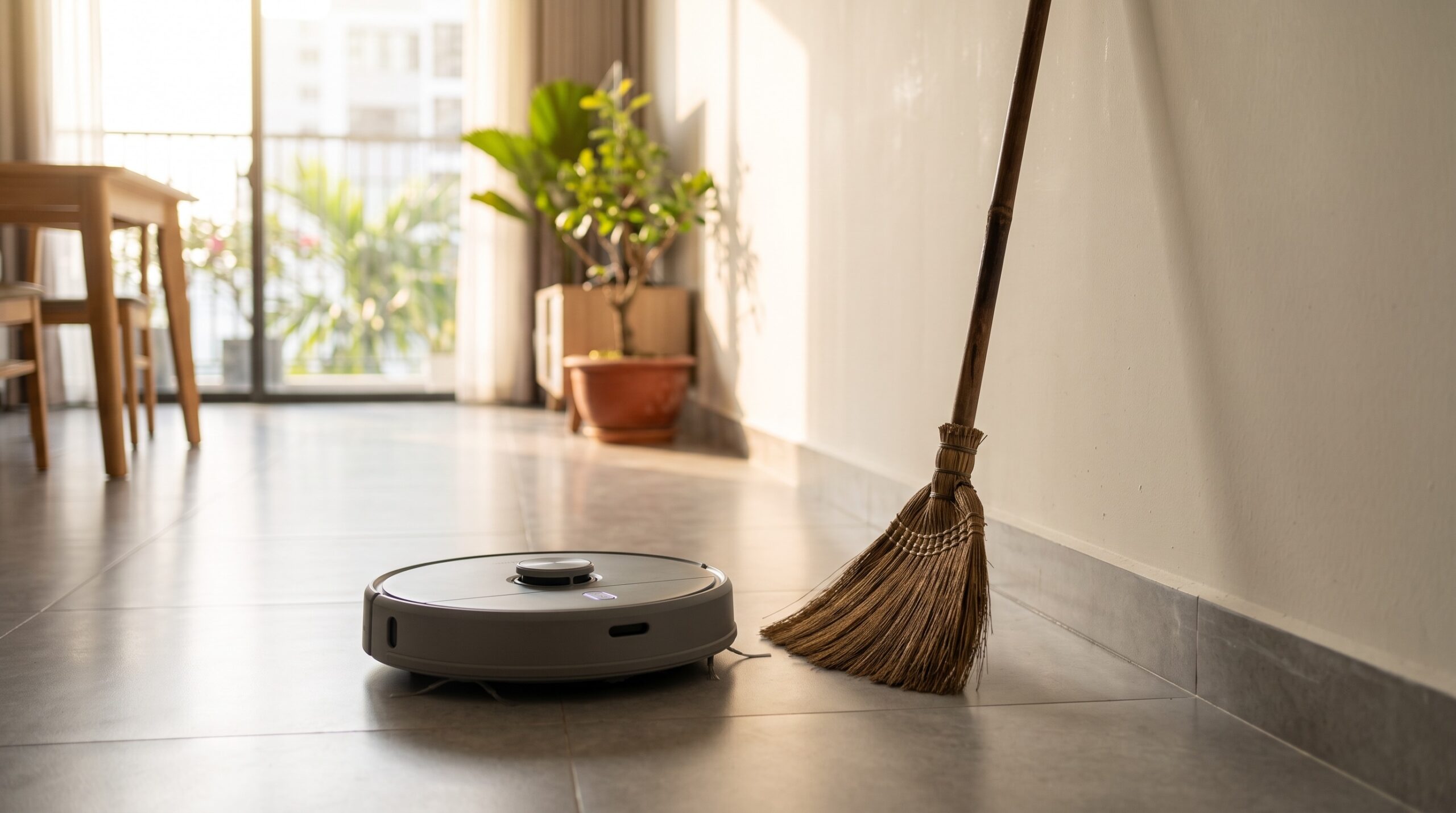
Cleaning habits have changed a lot over the years. Many households still rely on traditional methods like buckets, scrub brushes, and all-purpose sprays, while others have added robot vacuums, steam cleaners, microfiber systems, and app-connected tools. Both approaches can work well, but they don’t always solve the same problems. A faster, smarter cleaning routine usually comes from knowing when modern tools help most, where traditional methods still work best, and how to combine the two effectively.
What Counts as Traditional Cleaning Methods
Traditional cleaning methods are the familiar tools and routines many people grew up with. These include sweeping with a broom, mopping with a bucket, scrubbing with sponges or brushes, dusting with cloths, and using standard household cleaning solutions for kitchens, bathrooms, floors, and windows.
These methods have lasted for a reason. They’re usually affordable, widely available, and simple to understand. You don’t need a charging dock, an app, or a user manual to use a broom and dustpan well. For many households, traditional cleaning also feels more controlled. You can see the mess, target it directly, and adjust your effort based on the surface or problem. That hands-on quality is part of why traditional methods still matter. They may not always be the fastest, but they’re often dependable and adaptable.
What Counts as Modern Cleaning Methods
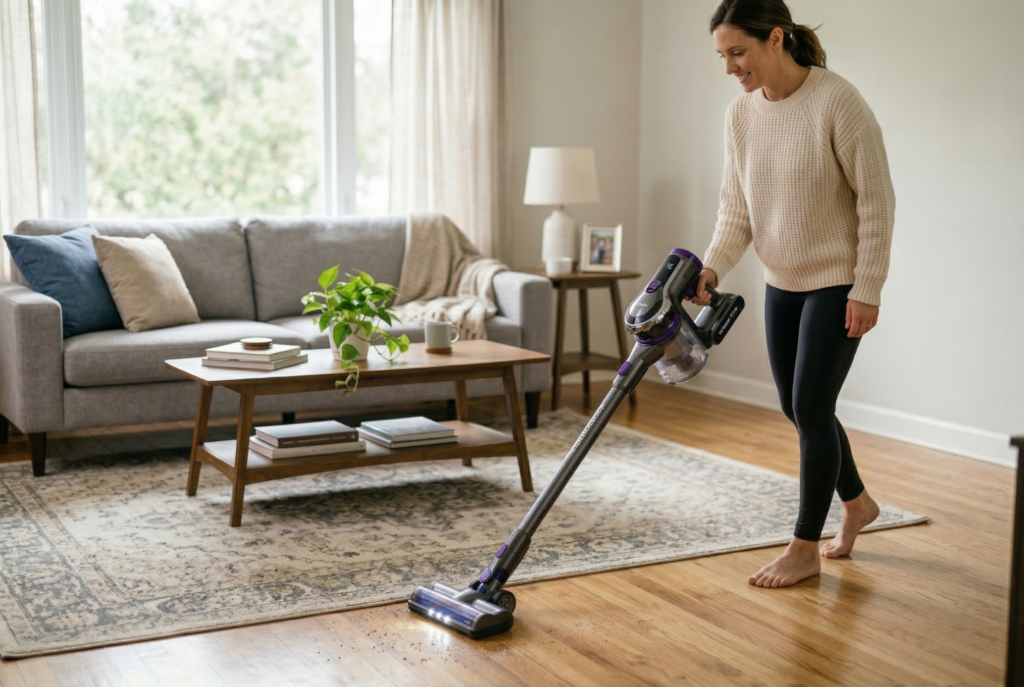
Modern cleaning methods usually involve updated tools, improved materials, or some level of automation. This category includes robot vacuums, cordless stick vacuums, steam mops, spin mops, microfiber systems, electric scrubbers, and smart devices that can be scheduled or controlled remotely.
In many homes, modern cleaning is less about replacing all manual work and more about reducing the amount of effort required for routine tasks. A robot vacuum can handle daily dust and crumbs. A steam cleaner can simplify sanitizing certain surfaces without relying heavily on chemicals. Microfiber mops and cloths can trap dust more efficiently than older cotton options. Modern tools are often designed around convenience, speed, and repeatability. When they work well, they help households clean more consistently because the process feels less tiring and less time-consuming.
Where Traditional Cleaning Methods Still Work Best
Traditional methods still outperform modern tools in several situations, especially when the cleaning job is detailed, stubborn, or highly specific. A handheld scrub brush, for example, is often better for grout lines, baseboards, and sticky corners than a larger cleaning device. A bucket and mop may still work better in homes with heavily soiled floors or textured surfaces that need extra rinsing.
Traditional cleaning also tends to be more reliable when you’re dealing with unexpected messes. A spilled drink, muddy paw prints, or grease splatter on the stove can usually be handled immediately with a cloth, spray, and a few minutes of direct attention. You don’t have to wait for a battery to charge or figure out whether a certain tool is safe for that surface. There’s also a cost advantage. Many traditional tools are inexpensive to replace and don’t become outdated. A good brush, mop, or spray bottle can stay useful for years with almost no learning curve.
Where Modern Cleaning Methods Save the Most Time
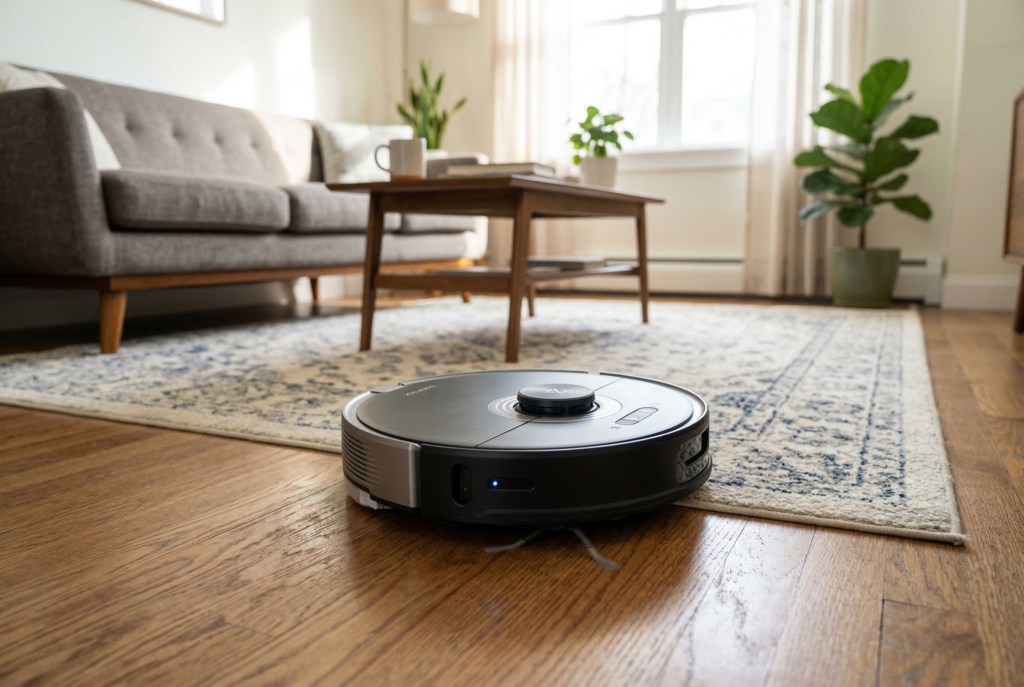
Modern tools tend to shine when the goal is maintenance rather than deep cleaning. This is where they save the most time. Robot vacuums, for example, are especially useful for keeping floors under control between larger cleaning sessions. They won’t replace a full vacuum in every home, but they can reduce the buildup of dust, crumbs, and pet hair that makes floors look dirty so quickly.
Cordless stick vacuums are another strong example. They’re faster to grab than a heavier upright vacuum, which makes people more likely to use them for quick cleanups. That convenience matters. A tool that’s easy to use usually gets used more often, and that consistency can keep the home feeling cleaner overall. Microfiber systems also save time because they often clean effectively with less effort. They trap dust and dirt well, and they can make routine wiping and floor care faster than older methods that push debris around rather than lifting it.
Which Approach Works Better for Deep Cleaning
When it comes to deep cleaning, the answer depends on the surface and the type of mess. Traditional methods often have the edge in bathrooms, kitchens, and any area where grime has built up over time. Manual scrubbing is still one of the best ways to remove soap scum, stuck-on food, greasy residue, and buildup in corners or around fixtures.
That said, some modern tools can make deep cleaning easier. Steam cleaners can help loosen grime on certain sealed surfaces. Electric scrubbers can reduce hand strain when cleaning tubs, tile, or shower walls. High-performance vacuums with strong attachments can remove more dust and debris from upholstery, rugs, and corners than older models.
In most homes, deep cleaning works best when modern tools support traditional effort. The machine may speed up the process, but the actual cleaning still depends on targeted attention and the right method for the mess.

Cost, Maintenance, and Long-Term Value
Traditional cleaning tools usually win on simplicity and upfront cost. Brooms, spray bottles, cloths, and mops are relatively inexpensive, easy to replace, and don’t require software updates, batteries, or replacement parts beyond the basics. That makes them practical for households that want a straightforward system without extra maintenance.
Modern cleaning tools often cost more at the start, but they may save time and physical effort over the long run. The tradeoff is that they usually require more upkeep. Filters need to be cleaned, batteries need charging, water tanks need emptying, and certain devices need replacement pads, rollers, or parts.
The smartest way to think about value is to ask whether the tool improves your routine enough to justify the cost and maintenance. A robot vacuum that runs daily in a pet-friendly home may absolutely earn its place. A specialty device that sits in a closet most of the year usually won’t.
Which Method Is Better for Busy Households
For busy households, modern cleaning methods often make everyday life easier because they reduce the amount of manual effort needed to stay on top of the mess. This is especially true for homes with children, pets, frequent cooking, or high foot traffic. Quick-access vacuums, microfiber systems, and automated floor cleaning can keep the house from sliding into disorder between more detailed cleanings.
Traditional methods continue to be a key part of effective cleaning. Busy homes usually generate all kinds of real-life messes that require immediate, hands-on response. No automated device is going to scrub sticky cabinet fronts, wipe down a toothpaste-covered sink, or clean a spill on the stairs as effectively as a person with the right cloth and cleaner. The best routine for a busy home usually mixes both approaches. Modern tools handle the repetitive maintenance, while traditional tools cover the detailed work that still needs a human touch.
Cleaning Speed Versus Cleaning Quality
One reason people lean toward modern tools is speed. And in many cases, that makes sense. A cordless vacuum is faster than pulling out a bulky machine. A robot vacuum can run while you’re doing something else. A spray mop can be quicker than filling a bucket.
Using a spray mop can save time compared with filling a bucket. However, faster methods sometimes leave residue, skip corners, or remove only surface-level dirt. Traditional cleaning can be slower, but it often gives better results when the goal is thoroughness.
This is why it helps to separate cleaning into two categories: maintenance cleaning and corrective cleaning. Maintenance cleaning keeps the home under control day to day. Corrective cleaning tackles buildup, stains, and the kind of mess that has gone beyond a quick pass. Modern methods are often better for the first category. Traditional methods still dominate the second.

How to Build a Smarter Cleaning Routine Using Both
The most effective home cleaning routine usually combines the strengths of both traditional and modern methods. Start by using modern tools for the tasks that repeat constantly. That might mean running a robot vacuum several times a week, using a cordless stick vacuum for quick floor cleanups, or relying on microfiber cloths for faster dusting and surface wiping.
Then keep traditional tools ready for the jobs that require precision and direct effort. A scrub brush, sponge, mop, and targeted cleaners still matter for bathrooms, greasy kitchens, spills, stains, and periodic deep cleaning. This balance keeps the home manageable without creating a routine that depends entirely on manual labor. A smart routine also considers your actual habits. If a tool is easy to use, store, and clean, it’s more likely to become part of your regular system.
Conclusion
Modern and traditional cleaning methods both have real value, but they work best in different ways. Traditional cleaning still delivers strong results for deep cleaning, detailed scrubbing, and unexpected messes, while modern tools can save time and make routine upkeep much easier. For most households, the smartest approach is a mix of both. Use modern cleaning methods to reduce daily buildup and make maintenance faster, then rely on traditional tools for the hands-on work that still needs precision and control. When you combine convenience with thoroughness, your home cleaning routine becomes more practical, more effective, and much easier to maintain.
Related Articles
- How to Clean Each Room Efficiently: The Ultimate Room-by-Room Cleaning Guide
- How to Deep Clean Your Kitchen in 1 Hour: A Complete Step-by-Step Guide
- How to Deep Clean Your Bathroom: Essential Step-by-Step Tips for a Fresh, Spotless Space
- How to Effortlessly Clean Your Living Room: Simple Tips for a Fresh, Spotless Space
- How to Clean Your Bedroom Quickly: Simple Tips for a Fresh, Spotless Space in Minutes
- Minimalist Cleaning Routine: A Practical Way to Save Time and Energy Every Day