

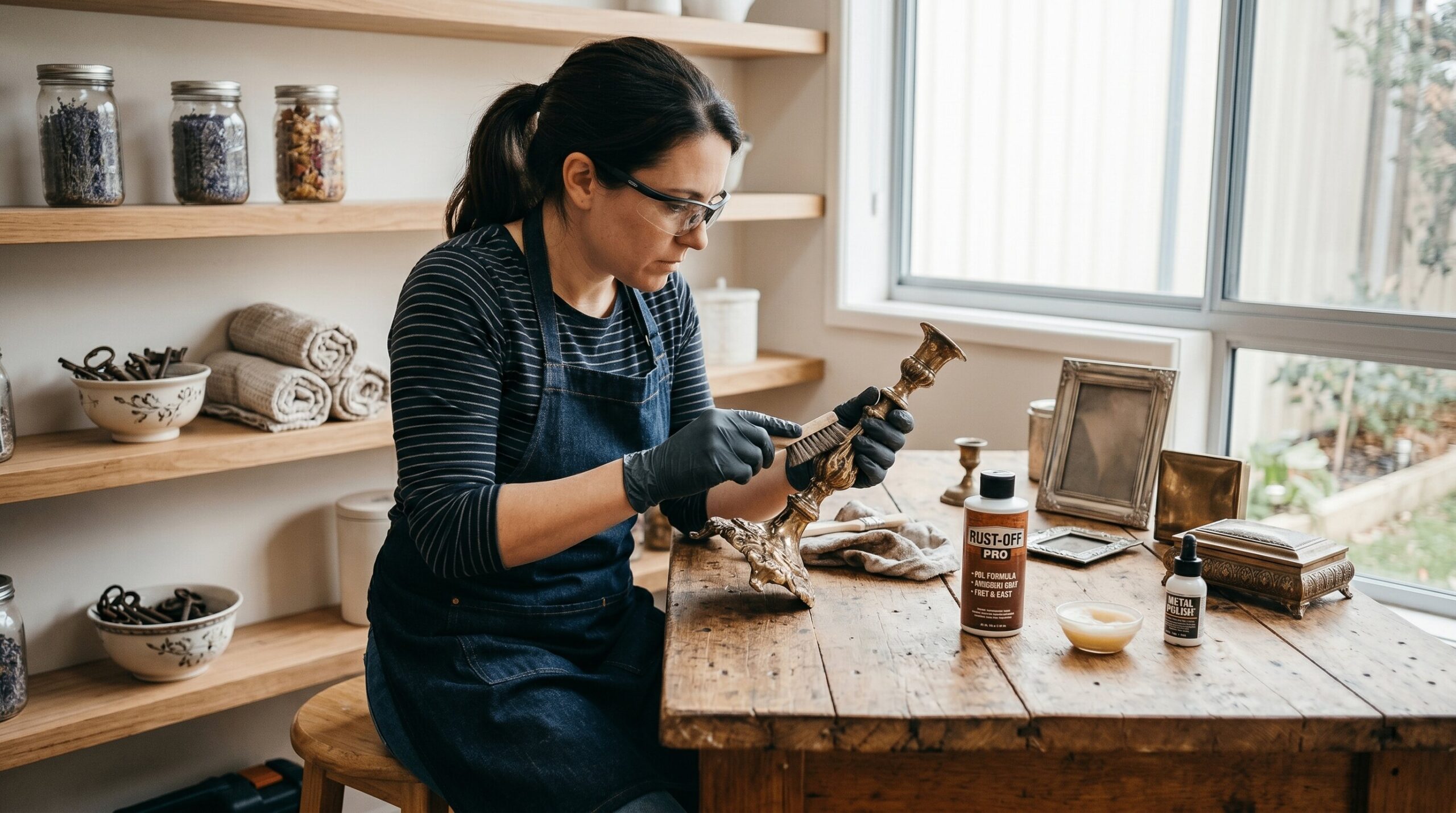
If you’ve just noticed orange spots on your fridge, sink, or dishwasher, don’t panic. A lot of people immediately assume they ruined an expensive appliance, but that usually isn’t true. When people search how to remove rust from metal or how to remove rust from stainless steel, they often think the damage must be deep and permanent. In most home situations, though, rust on stainless steel is usually just surface contamination or light staining, and it can often be removed safely without harsh methods.
That’s the important thing to understand first. Stainless steel isn’t stain proof. It’s corrosion resistant, not invincible. Once you know why the rust appeared and which tools to avoid, the fix becomes much simpler.
Is My Appliance Ruined? Understanding Surface Rust
Most of the time, no, your appliance isn’t ruined. Stainless steel protects itself with a thin chromium oxide layer. You don’t see it, but it acts like a shield. When that shield stays intact, the surface resists corrosion very well. But when it gets damaged by scratches, harsh cleaners, steel fragments, bleach, or certain environmental conditions, surface rust can form.
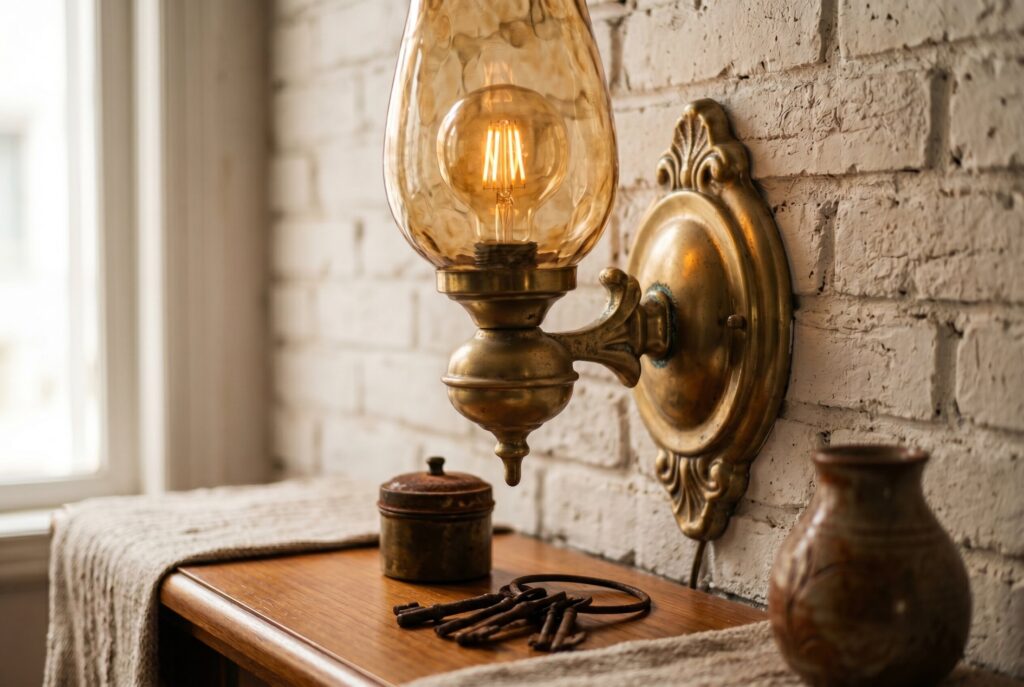
That’s why stainless steel can still develop orange or brown marks even though people assume it should never rust. In kitchens, this can happen when wet cast iron sits in a sink too long or when metal cans leave a ring behind. In bathrooms, mineral-heavy water can create staining that looks worse than it really is. In laundry rooms, strong detergents, constant moisture, and neglected splashes around a utility sink can all contribute.
The good news is that true structural rust is relatively rare in normal home use. What most people see is usually on the surface, not deep inside the metal. That means the problem often looks more serious than it actually is.
What Not to Do: Mistakes That Destroy Stainless Steel
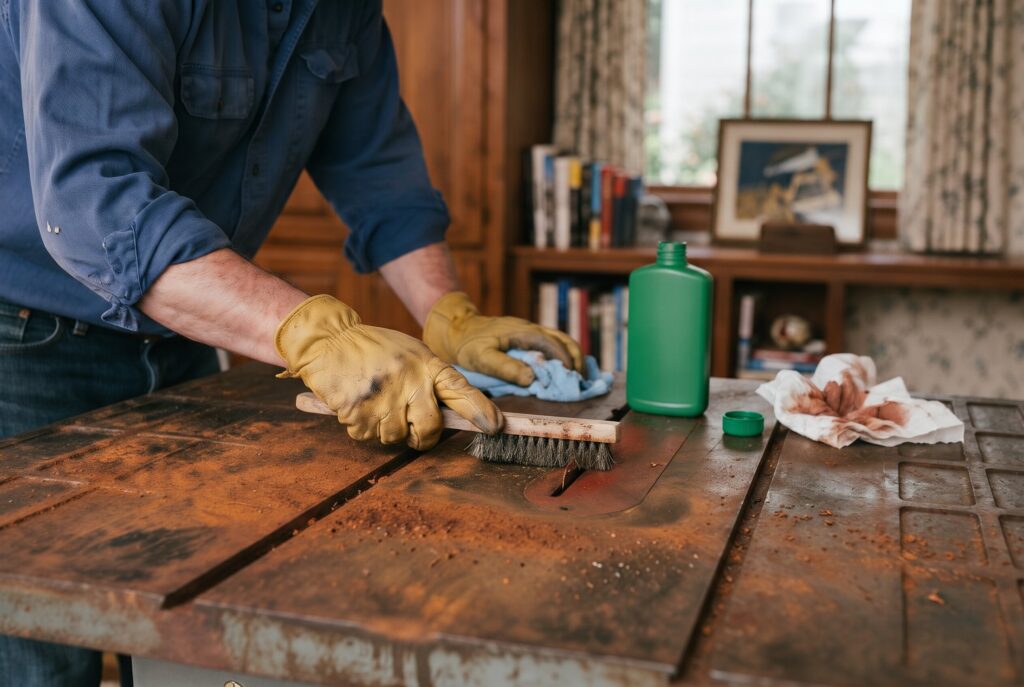
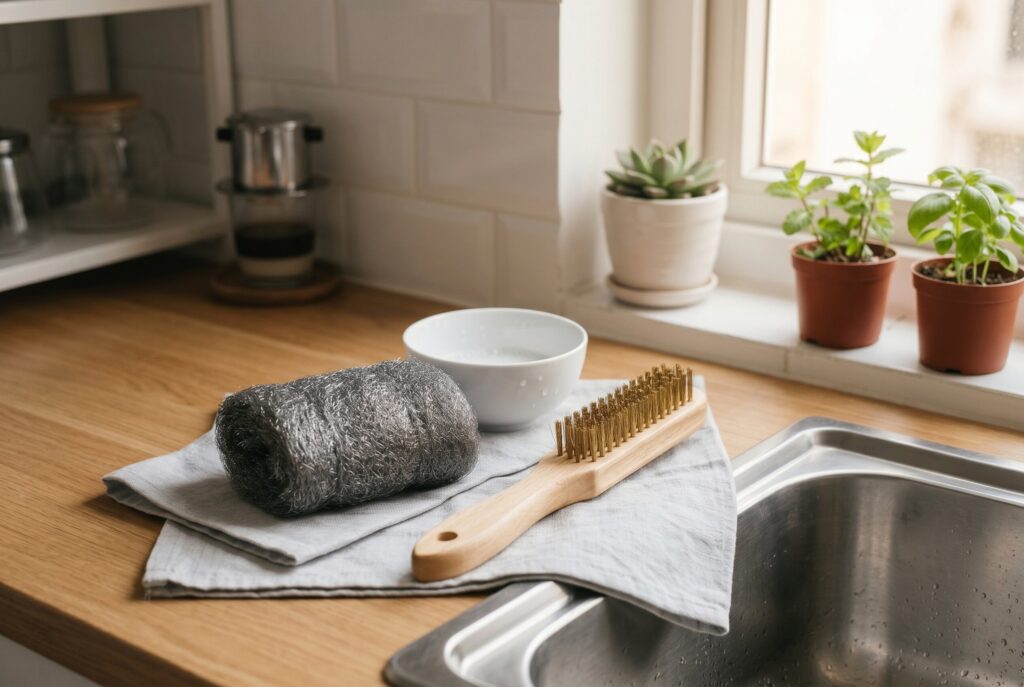
Before you start scrubbing, it helps to know what can make the situation worse. The biggest mistake is reaching for steel wool or a wire brush. These feel aggressive and effective, but they can scratch the surface and damage that protective chromium layer. Worse, they can leave behind tiny iron particles that create even more rust later.
Bleach is another problem. Chloride-rich cleaners are especially risky on stainless steel because they can strip the surface protection and encourage more corrosion over time. That includes harsh bathroom cleaners, some disinfecting sprays, and certain concentrated chemical products people assume are stronger and therefore better.
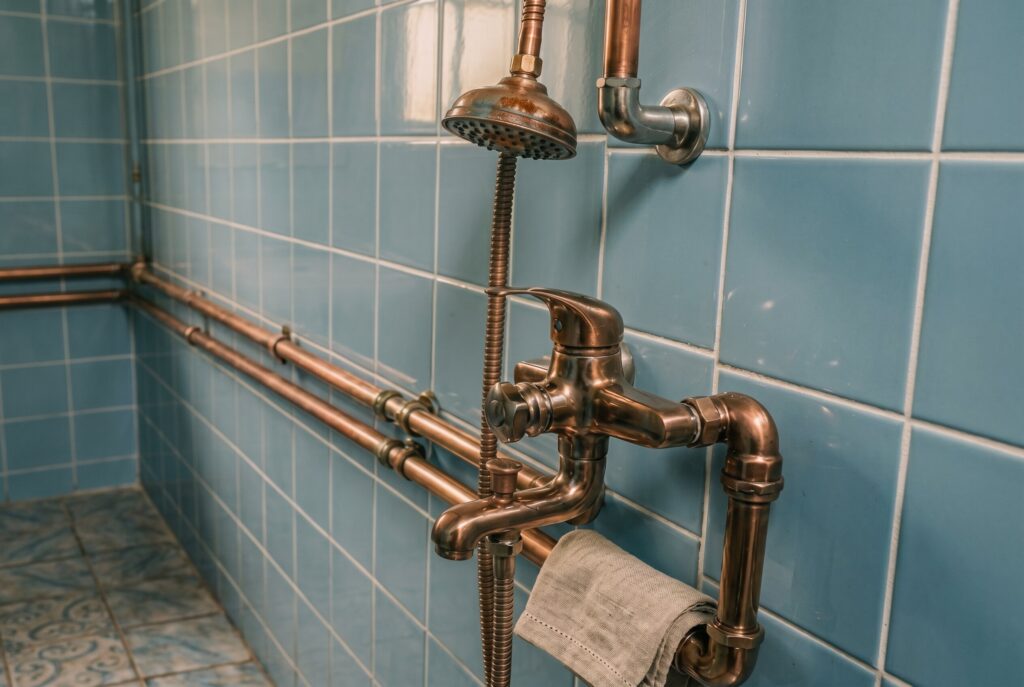
You also don’t want to scrub randomly in circles if the stainless steel has a visible grain. Going against the grain can create fine scratches that dull the finish and make future staining more likely. Stainless steel usually responds best to gentle pressure, soft materials, and patient cleaning rather than brute force. If you remember only one thing from this section, let it be this: never trade a small rust spot for a permanently damaged finish.
The Gentle DIY Method: How to Clean Rust Off Metal with Baking Soda
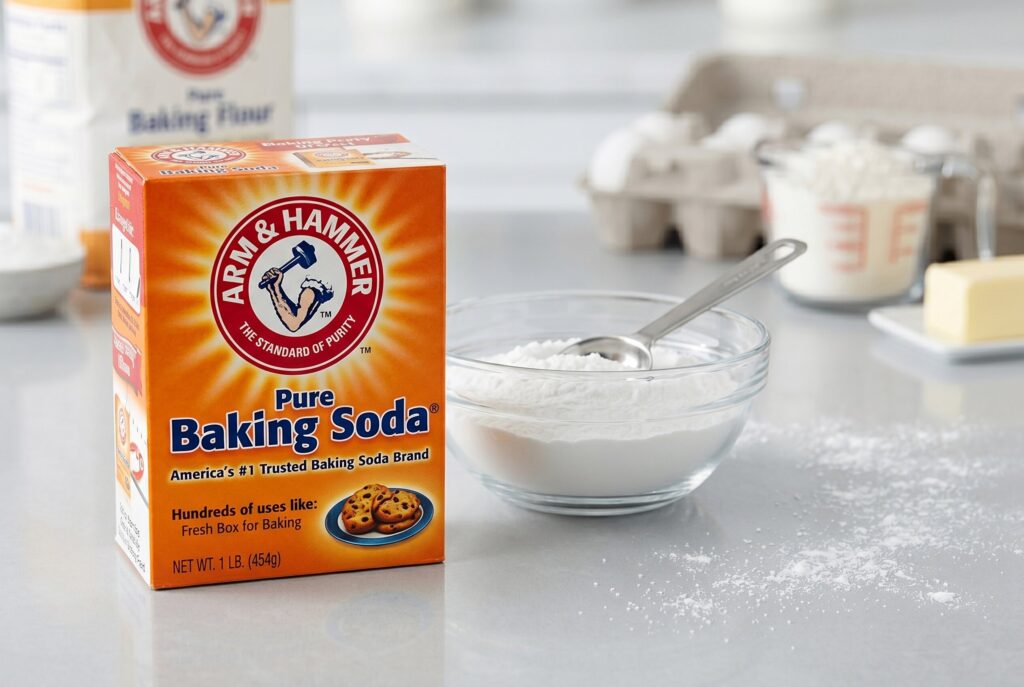
If the rust looks light and you want the safest home method first, baking soda is usually the best place to start. This is one of the easiest ways to learn how to clean rust off metal without using anything too aggressive.
Start by making a thick paste with baking soda and a small amount of water. You want something spreadable, not runny. Apply the paste directly over the rusted spot and let it sit for about 30 minutes. This gives it time to loosen the surface staining without attacking the finish.
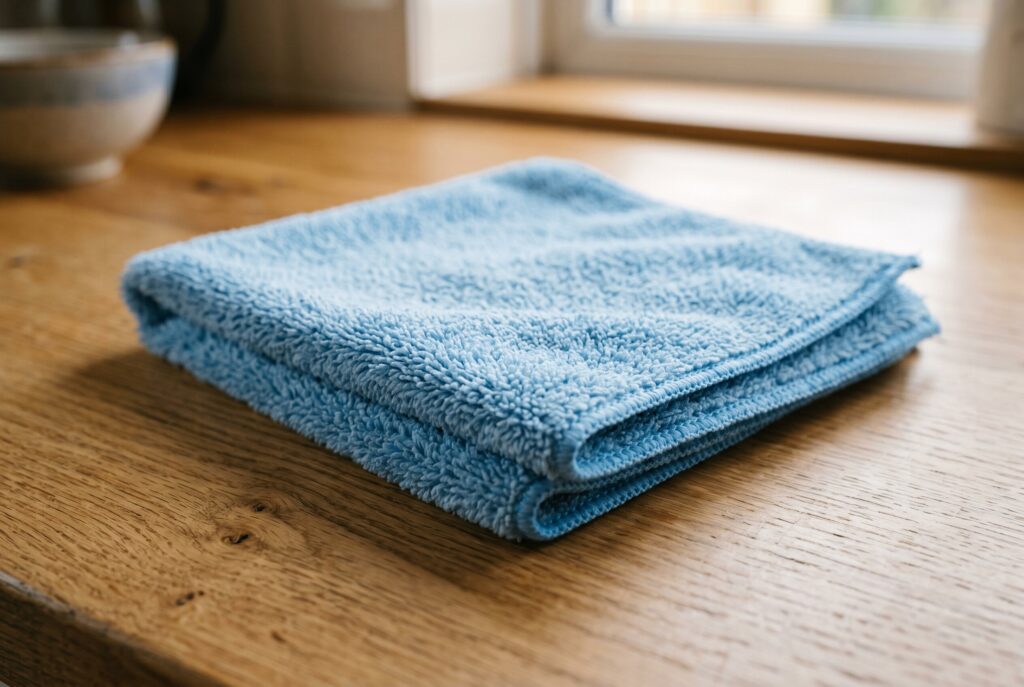
After that, use a soft microfiber cloth or a non abrasive sponge and rub gently in the direction of the grain. That detail matters. Cleaning with the grain helps lift the rust while protecting the look of the stainless steel.
Once the stain lifts, rinse the area thoroughly and dry it completely with a clean towel. Don’t leave water sitting behind, because moisture left on the surface can encourage new spotting. This method works best for small, light rust marks and for people who want the lowest-risk starting point.
The Best Commercial Rust Removers for Tough Stains
Sometimes the stain is older, darker, or simply more stubborn than baking soda can handle. That’s when a commercial rust remover may make more sense.
For calcium or hard water related rust staining around drains or sink edges, CLR rust remover can be a practical option. It’s often used when the problem isn’t just rust alone, but a mix of mineral buildup and discoloration. If the rust appears where water regularly sits, this is often the category worth considering.
For removable parts like metal grates, hardware, or sink accessories that can be soaked separately, Evapo rust remover or Evaporust is a strong option people often look for. Its appeal is that it’s widely known as an acid free solution, which makes it easier to use for certain removable metal items without the harshness people worry about from stronger acid products.
For large vertical areas such as refrigerator doors or stubborn sink staining, a rust remover spray or an oxalic acid based cleaner can work well. This is where products like Bar Keepers Friend often come up. They can be very effective, but they need careful use. Don’t let them sit too long, don’t scrub too aggressively, and always rinse and dry well afterward.
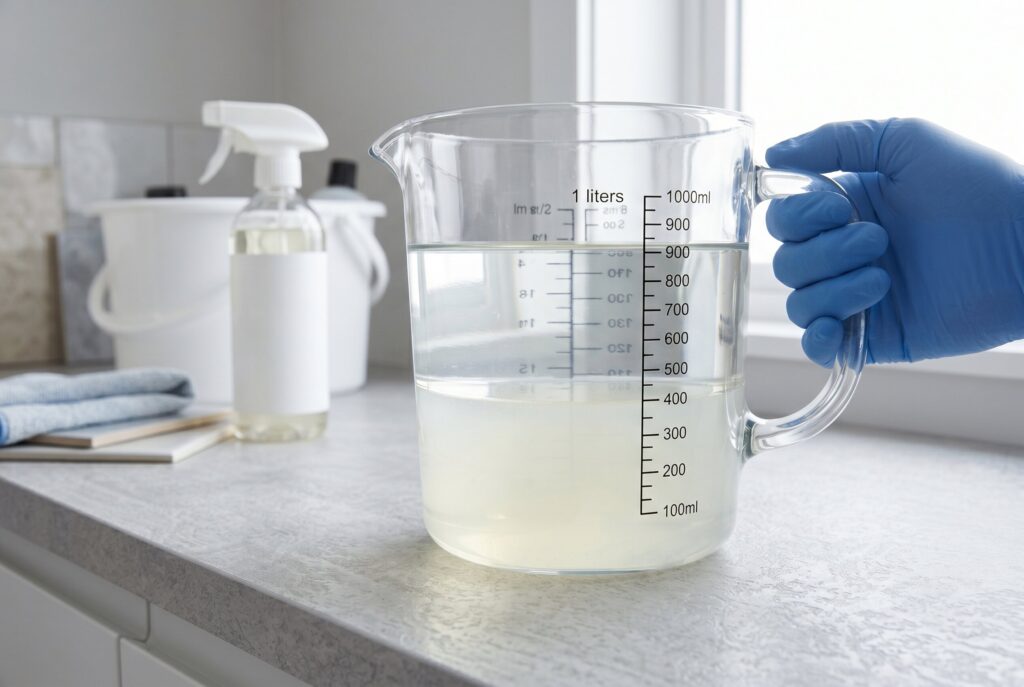
The best approach is to match the product to the stain. Light rust needs a gentle fix. Tougher buildup may need a more targeted rust remover, but the safest method is still the one that removes the rust without damaging the finish.
Room by Room Solutions: Kitchens, Bathrooms, and Laundry Rooms
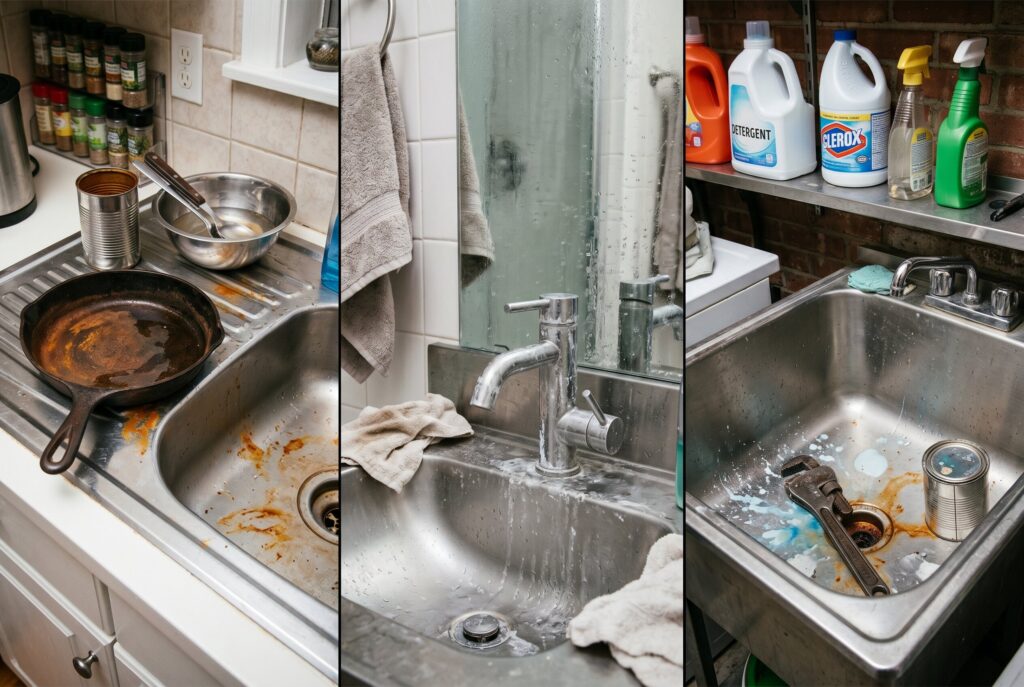
Stainless steel doesn’t rust for the same reason in every room, so it helps to think about context. In kitchens, one of the biggest causes is contact transfer. Wet cast iron pans, utensils left in the sink, and metal cans can all leave rust marks behind. In this case, the steel itself may not be failing at all. It’s often picking up contamination from something sitting on it too long.
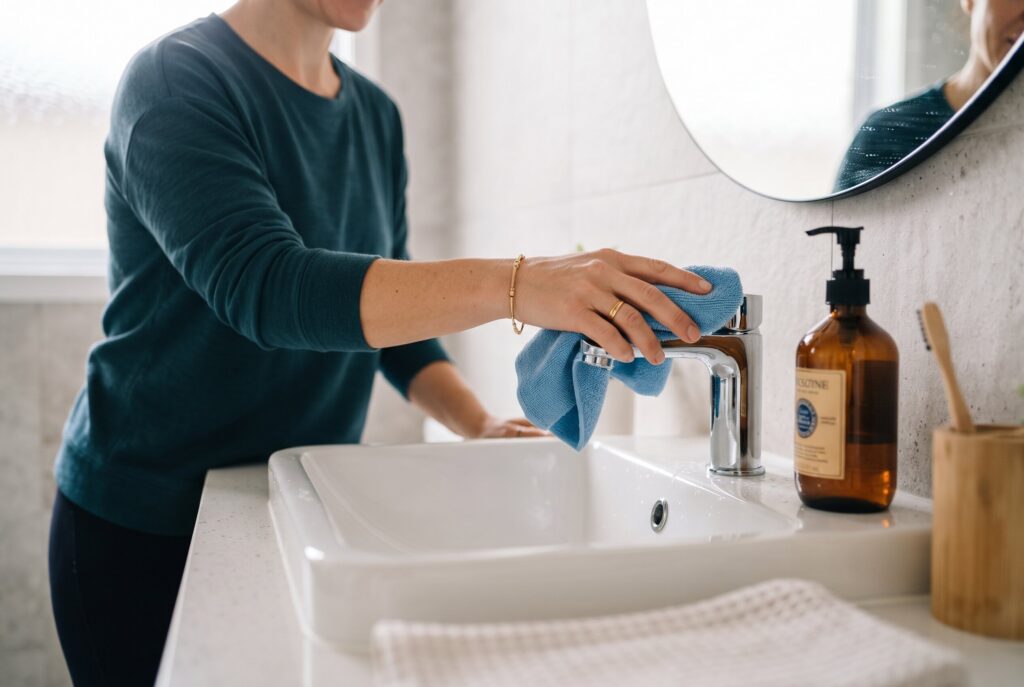
In bathrooms, the issue is often water related. Hard water deposits, damp conditions, and mineral residue can create stains that look alarming. Here, prevention matters just as much as cleaning. Wiping down the sink or fixtures after use can make a huge difference.
In laundry rooms, the threats are a little different. Stainless steel utility sinks often deal with moisture, detergent splashes, bleach exposure, and metal objects left sitting in the basin. If you’re cleaning rust in a laundry room, pay extra attention to what products are being stored nearby. Harsh chemicals and damp metal tools can quietly create repeat problems. Thinking room by room makes stainless steel maintenance feel less random. It also helps you stop the cause instead of just cleaning the symptom.
Conclusion
Once you know how to get rust off stainless steel safely, the long term goal is keeping it from coming back. That usually means three simple habits: avoid harsh tools and bleach, dry the surface after use, and clean gently with the grain when stains appear.
For light rust, baking soda is often enough. For tougher stains, a targeted rust remover like CLR rust remover, Evapo rust remover, or a good rust remover spray may be more effective when used carefully. The key is choosing the mildest option that still works. Stainless steel usually looks worse before it looks ruined. In most homes, the rust you see is fixable, especially if you catch it early and treat it the right way.
Related Articles
DIY vs. Store-Bought: The Best Rust Remover for Metal