

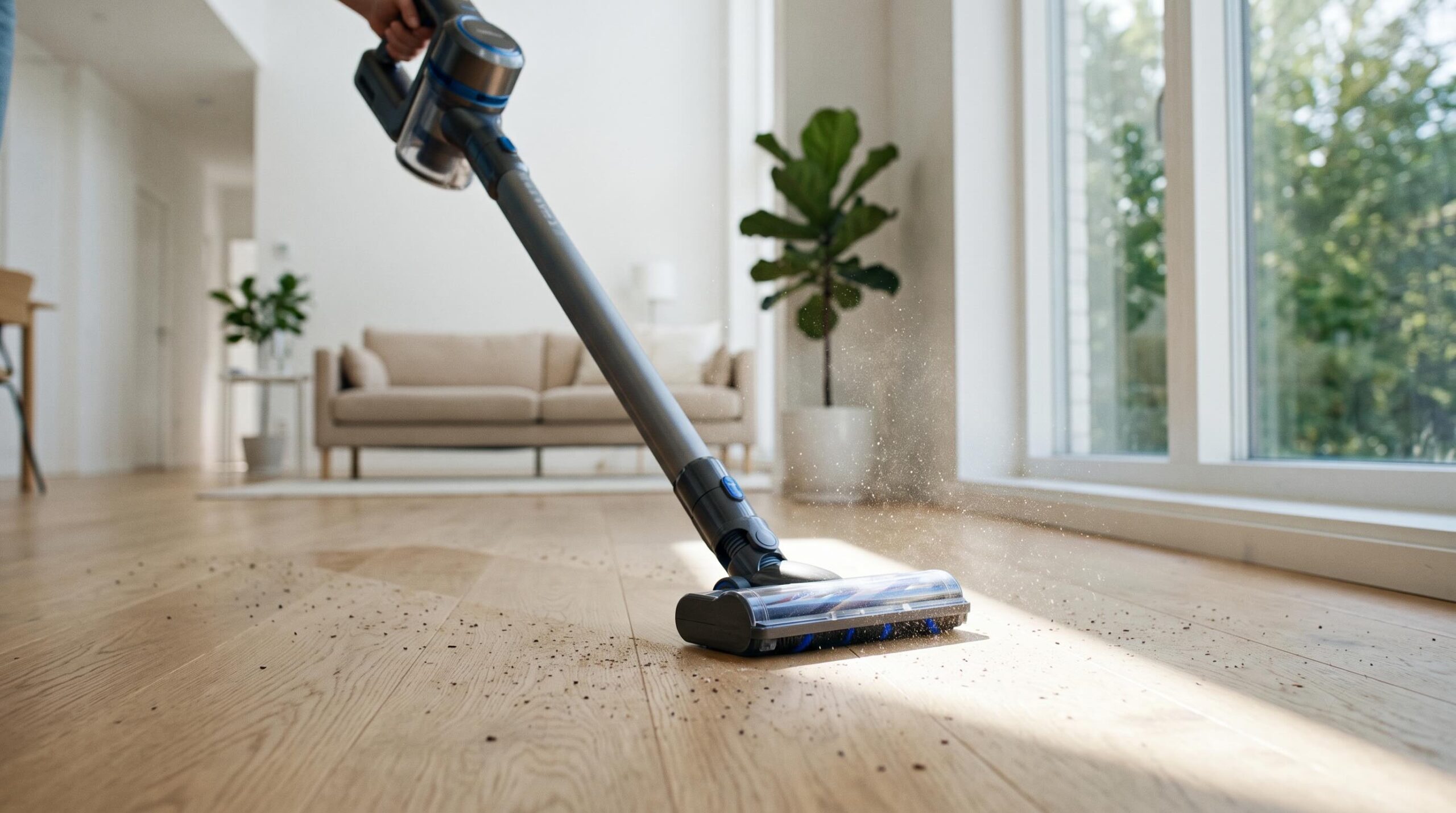
A vacuum can do more than pick up visible dirt from floors. The right model can also help reduce the fine dust, pet dander, and allergens that tend to settle into carpets, rugs, upholstery, and corners throughout the home. That’s why vacuum cleaners with HEPA filters have become such a practical choice for households that want better dust control and a fresher indoor environment. When paired with regular cleaning habits, a well-designed HEPA vacuum can support a cleaner home and make everyday upkeep feel more effective.
Understand What a HEPA Filter Actually Does
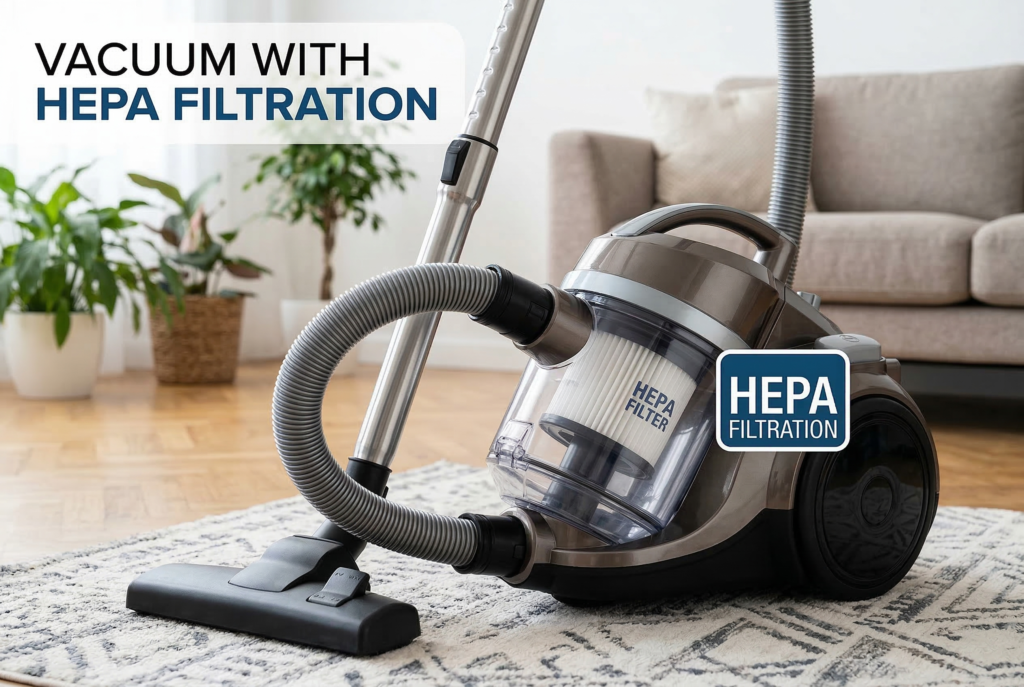
A HEPA filter is designed to trap very small particles that standard vacuum filters may miss or release back into the air. That matters because vacuuming isn’t only about what disappears from the floor. It’s also about what stays contained inside the machine instead of circulating back into the room.
In homes with pets, kids, frequent foot traffic, or allergy concerns, this difference can be especially noticeable. Dust, pollen, lint, and fine debris often settle deep into fabrics and flooring, then get disturbed again by daily activity. A vacuum with strong suction but poor filtration may pick up visible debris while still allowing finer particles to escape through the exhaust. That’s why filtration and suction should be thought about together. A vacuum works best when it lifts dirt effectively and keeps it trapped.
Why HEPA Vacuums Matter for Everyday Dust Control
Dust has a way of returning quickly, especially in busy homes. It settles on floors, baseboards, shelves, under furniture, and inside soft surfaces like rugs and upholstery. If your vacuum doesn’t handle fine particles well, some of that dust may get stirred up during cleaning rather than fully removed.
A HEPA-filter vacuum can improve that process by capturing more of the smaller debris that contributes to that dusty feeling. This can make a room feel cleaner for longer, especially when vacuuming is done consistently rather than only when the floors look visibly dirty. For many households, better dust control also means less wiping and less irritation from airborne particles. While vacuuming alone won’t solve every indoor air issue, it can reduce one major source of buildup when the machine is designed well.
Look Beyond the Filter and Consider the Sealed System
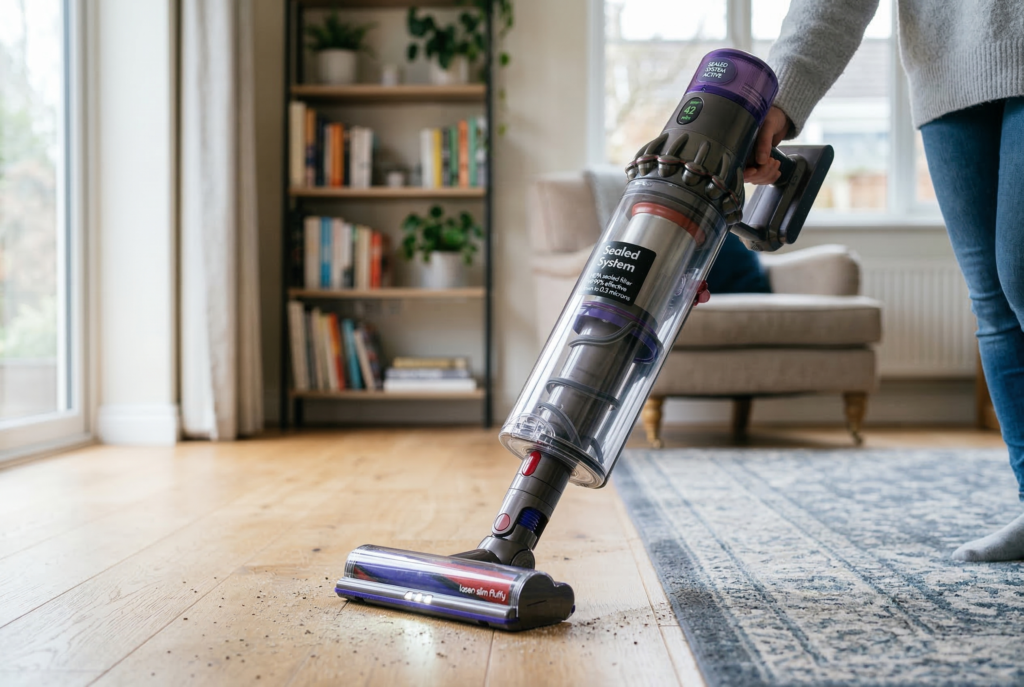
One common mistake is assuming any vacuum labeled with a HEPA filter will automatically perform the same way. The filter matters, but so does the construction of the vacuum itself. If the body of the machine leaks air around the filter or through poorly sealed joints, some particles may still escape before reaching the final filtration stage.
A better option is a vacuum with a sealed system, which helps direct air and debris through the machine in a more controlled way. This keeps more dust contained and makes the HEPA filter more effective overall. That’s why shopping by filter name alone doesn’t always tell the whole story. A strong vacuum for healthier indoor air should combine suction, brush design, airflow, and sealed filtration in a way that supports the whole cleaning process.
Choose the Right Vacuum Type for Your Home Layout
The best HEPA vacuum for one home may not be the best choice for another. Layout, flooring, storage space, and lifestyle all affect what type of vacuum will actually get used regularly. Upright vacuums often work well in larger homes with plenty of carpet because they usually offer strong cleaning power and wider floor heads. Canister vacuums can be especially useful for mixed flooring, stairs, and furniture because they tend to be more flexible and easier to maneuver around obstacles.
Cordless stick vacuums are convenient for faster cleanups and smaller homes, though their bin size and battery life may be more limited. Robot vacuums can help maintain floors between deeper cleaning sessions, but they usually work best as a supplement rather than a full replacement. A vacuum should fit your real cleaning routine. Even a highly rated model won’t help much if it feels too bulky, too annoying to empty, or too inconvenient to pull out often.
Pay Attention to Flooring and Surface Needs
Different homes create different cleaning challenges. A vacuum that works beautifully on low-pile carpet may not be ideal for hardwood floors, and a model designed for hard surfaces may struggle with thick rugs or pet hair embedded in upholstery.
If your home has mostly carpet, look for a vacuum with strong agitation and an effective brush roll. If you have hardwood, tile, or laminate, you’ll want a model that can clean thoroughly without scattering debris or scratching the floor. In homes with mixed surfaces, adjustable settings or multiple floor modes are especially helpful. Attachments matter too. A HEPA vacuum becomes much more useful when it includes tools for upholstery, corners, baseboards, stairs, and mattresses. Dust doesn’t stay only on the floor, so the vacuum should help you reach the places where particles really collect.
HEPA Vacuums Can Be Especially Helpful for Pet Homes
Homes with pets usually deal with more than visible fur. Pet dander, tracked-in dirt, litter dust, and fine debris from bedding or scratching posts can all add to the cleaning load. This is where a vacuum with HEPA filtration can be especially worthwhile.
A good pet-friendly HEPA vacuum should combine strong pickup with tools that handle hair on different surfaces. Upholstery attachments, tangle-resistant brush rolls, and easy-to-empty bins can make a big difference in everyday use. Without those practical features, even a vacuum with good filtration may feel frustrating. If pets sleep on furniture or move frequently from room to room, vacuuming soft surfaces becomes just as important as vacuuming floors. A machine that supports both helps the whole home feel cleaner.

Maintenance Matters More Than Many People Expect
A vacuum with HEPA filtration only performs well when it’s maintained properly. Overfilled bins, clogged brush rolls, dirty pre-filters, and neglected hoses can all reduce effectiveness. In some cases, people assume their vacuum is underperforming when the real issue is buildup inside the machine.
Empty the dust bin or replace the bag as recommended. Clean the brush roll regularly, especially if long hair or pet fur wraps around it. Check washable filters if your model has them, and replace HEPA filters according to the manufacturer’s guidelines. Keeping the machine in good shape protects suction and helps maintain better air containment. Maintenance also affects odor. A vacuum that smells stale often needs more than a quick emptying. Dust, hair, and trapped debris can build up in filters, hoses, and bins over time, which makes routine upkeep an important part of keeping the home fresh.
A Better Vacuum Can Support Healthier Indoor Air Habits
A HEPA vacuum is useful, but it works best as part of a broader cleaning approach. Dust control improves when vacuuming happens regularly, soft surfaces are cleaned consistently, and clutter is kept manageable enough that surfaces can actually be reached.
This is one reason HEPA vacuums are often a smart long-term investment. They support habits that improve the overall feel of the home. Carpets stay under better control, upholstery holds less dust, and rooms often feel fresher after cleaning rather than just looking tidier. In homes where allergy symptoms tend to flare up indoors, consistent vacuuming may also help reduce some everyday triggers. It won’t replace other important measures like ventilation, laundering bedding, or controlling moisture, but it can contribute to a healthier routine.
Avoid Buying Based on Hype Alone
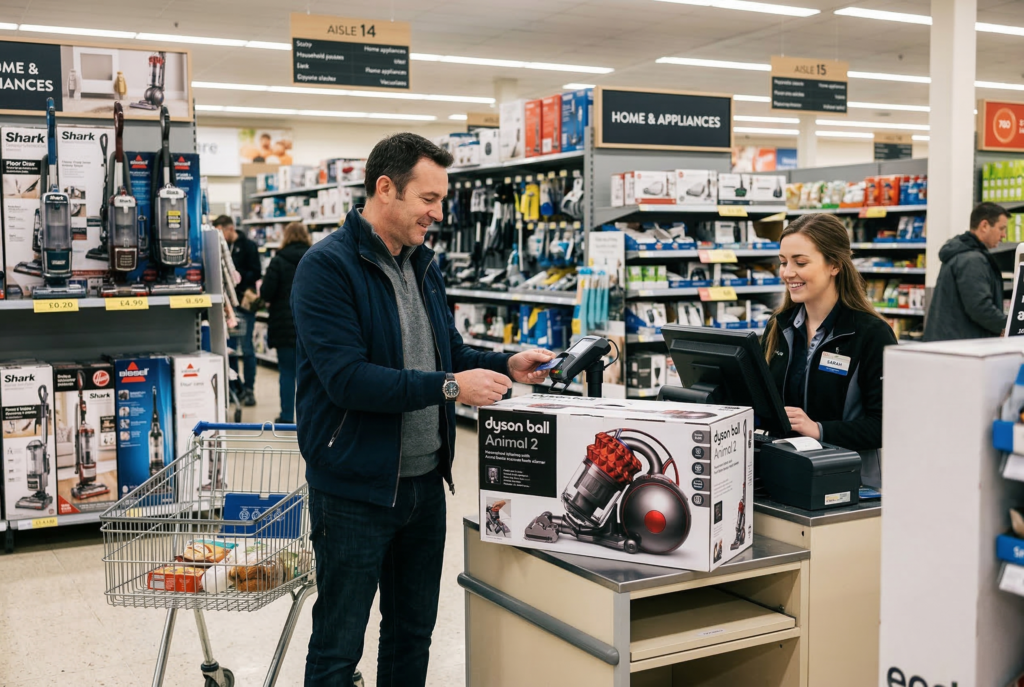
Vacuum marketing can be overwhelming. Many models promise powerful suction, advanced filtration, or smart features, but the most useful choice usually comes down to simpler questions. Does it clean your floors well? Is it easy enough to use often? Can it handle the kind of dust, hair, and debris your household produces? Does it keep fine particles contained effectively?
It’s also worth being realistic about special features. App connectivity, self-emptying docks, or elaborate digital displays may be helpful for some households, but they don’t matter as much as core performance. A well-built vacuum with reliable filtration, useful attachments, and manageable maintenance often provides more real value than a flashy model that complicates the routine.
Build a Cleaning Routine That Makes the Most of Your Vacuum
Even the best HEPA vacuum works better when it’s part of a consistent system. High-traffic floors may need quick passes several times a week. Rugs, upholstered furniture, and under-bed areas benefit from regular deeper attention. Bedrooms, living rooms, and entryways often collect more fine dust than people expect.
A simple routine can help:
- Vacuum high-traffic areas more often than rarely used rooms
- Use attachments on upholstery and corners instead of only the main floor head
- Clean under furniture when possible, since dust collects there quickly
- Keep the vacuum maintained so suction and filtration stay strong
This kind of consistency usually does more for indoor cleanliness than occasional marathon cleaning sessions.
Conclusion
Vacuum cleaners with HEPA filters can be a smart solution for better dust control and a cleaner, more comfortable home environment. By trapping finer particles more effectively and keeping more debris contained inside the machine, they help make regular cleaning more meaningful, especially in homes with pets, carpets, or allergy concerns. The best results come from choosing a vacuum that fits your flooring, layout, and everyday routine, then maintaining it properly over time. When strong filtration is matched with consistent use, a HEPA vacuum can support healthier indoor air habits and make the entire home feel fresher day after day.