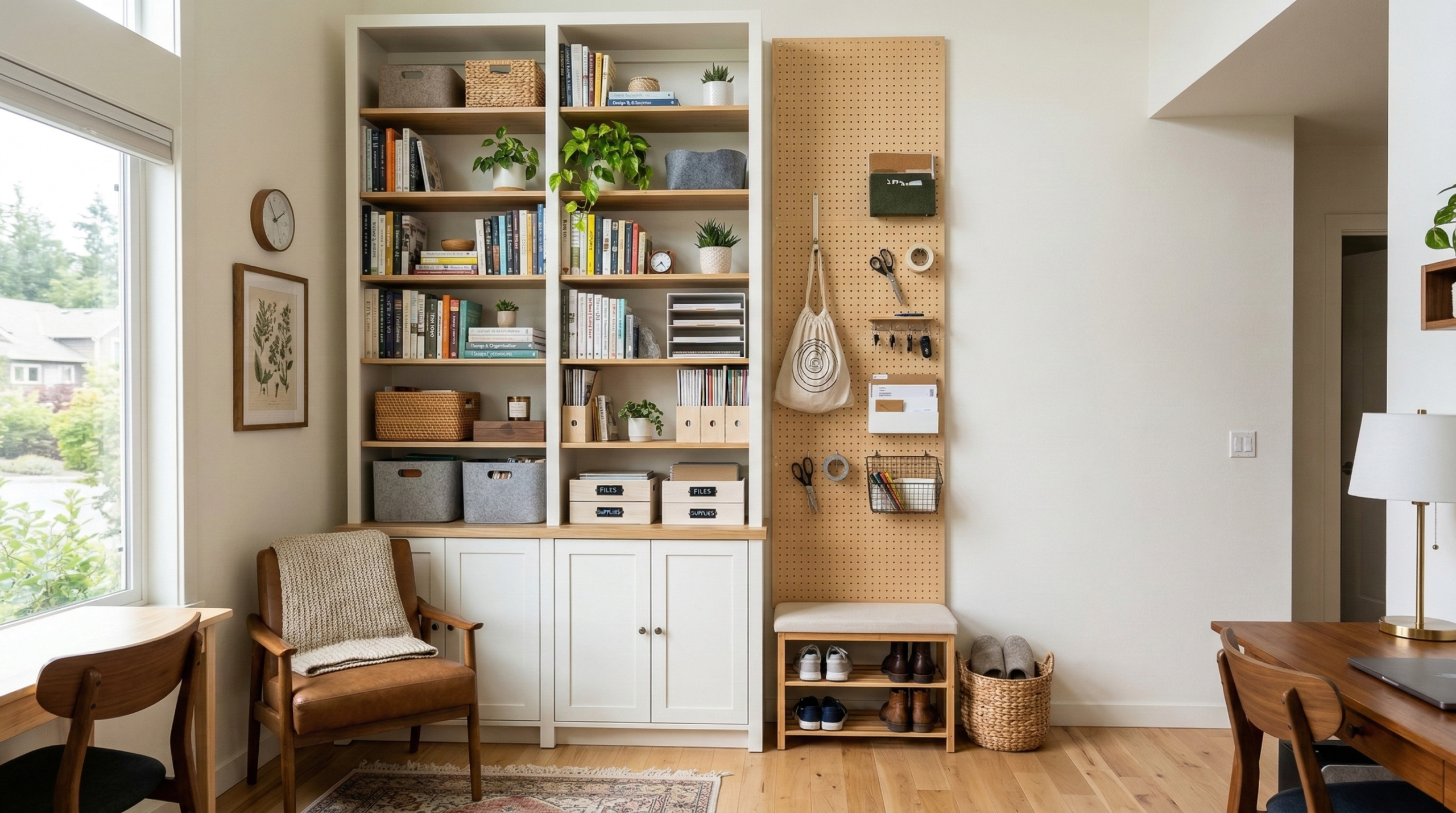
There’s a certain kind of frustration that comes with a small space. Not a dramatic, movie-worthy frustration. Just the everyday kind. The kind where the kitchen counter keeps shrinking under coffee mugs, snack containers, and unopened mail. The kind where the entryway turns into a drop zone by 6 p.m. and somehow one chair in the bedroom becomes the official home of everything you meant to put away. That’s where vertical storage changes the game.
When you start using the wall space, door space, and overlooked height in a room, your home begins to breathe differently. Floors open up. Surfaces feel calmer. You stop feeling like every room is working against you. And no, this isn’t only for tiny apartments or perfectly styled homes online. Vertical storage works for renters, homeowners, families, couples, and anyone who wants a more organized home without adding bulky furniture everywhere.
These vertical storage ideas are practical, flexible, and realistic for everyday life. Some are quick weekend fixes. Others take a little more planning. All of them can help you maximize small spaces and create a home that feels smarter, lighter, and easier to manage.
Why Vertical Storage Works So Well in Small Homes
The biggest mistake people make with storage is thinking only at floor level. They add another basket, another cabinet, another side table, and before long the room feels tighter instead of better.
Vertical storage solves a different problem. It uses the space you already have but probably aren’t fully using. Walls, doors, corners, the area above furniture, and even the space near the ceiling can all become functional storage zones when they’re handled thoughtfully.
That matters in small homes because clutter depends less on how much you own and more on whether your home has a place for it. When everyday items have a clear spot to land, rooms look cleaner and routines feel easier.
How to Choose the Right Vertical Storage for Your Space
Before you start adding shelves everywhere, take a beat. The best vertical storage ideas don’t just add more places to stash things. They match the room, the people using it, and the rhythm of daily life.
Start With the Clutter You See Most Often
Look at the areas that annoy you on a regular basis. Maybe it’s bathroom products crowding the vanity. Maybe it’s kids’ backpacks dumped by the door. Maybe it’s a pantry that somehow spills onto the counter every week. That visible friction tells you where vertical storage will help the most.
Think About Access, Not Just Appearance
A storage solution can look beautiful and still be wrong for your life. If you have to drag over a chair every time you need paper towels, it isn’t practical. If the hooks are too high for your kids, those backpacks will still hit the floor. Smart home organization works best when the storage is easy enough to use without thinking twice.
Match the Solution to Your Home Type
Renters may need removable or no-drill options. Homeowners may have more freedom to install custom shelving or built-ins. Families often need lower, more durable storage, while couples or solo adults may prefer more decorative, streamlined options. That sounds obvious, maybe, but it’s where a lot of organization plans go sideways.
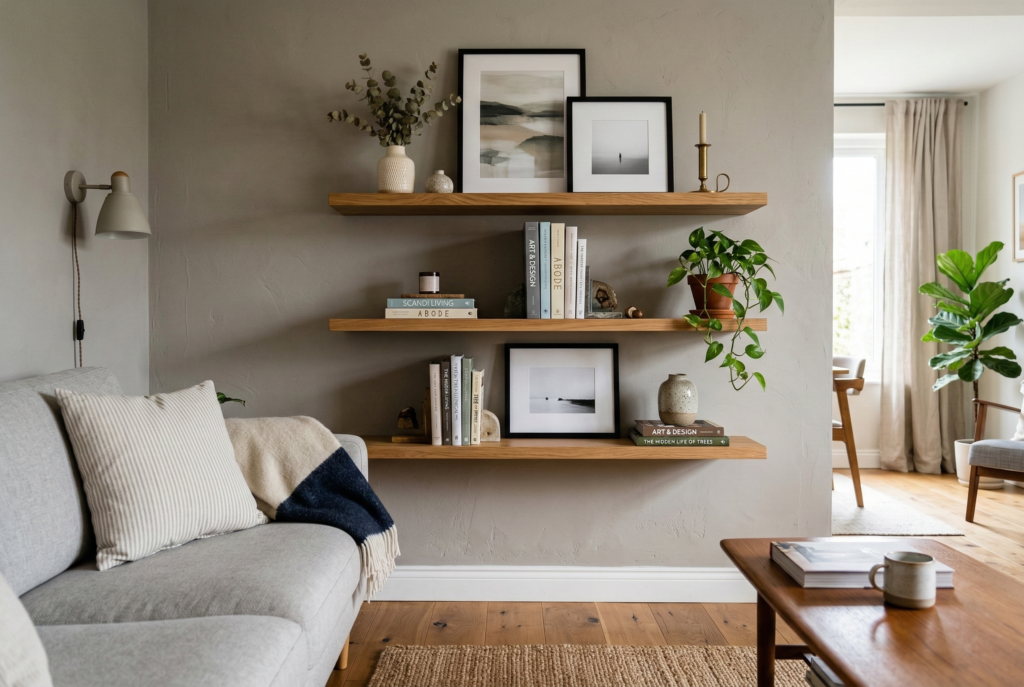
1. Install Wall-Mounted Shelves Where You Actually Need Them

Wall-mounted shelves are one of the simplest vertical storage ideas, but they work best when they’re placed with intention. Not just because there’s an empty wall, but because there’s a real need nearby.
In kitchens, shelves can hold everyday dishes, spices, mugs, or dry goods in attractive jars. In bathrooms, they can store rolled towels, skincare, or extra toiletries. In bedrooms, they can replace bulky nightstands or create storage above a dresser. Even a hallway wall can become useful with a slim shelf for keys, mail, or sunglasses.
How to Make Wall Shelves Look Organized, Not Crowded
This is where a lot of people get nervous, and fair enough. Open shelving can go from charming to chaotic pretty quickly.
The trick is to avoid stuffing every inch. Mix practical items with a little visual breathing room. Use matching containers when possible. Keep the things you reach for often at eye level, and reserve higher shelves for less-used items. A shelf should make a room feel easier to live in, not like one more thing begging for attention.
2. Use Over-the-Door Storage for Hidden Space You’re Probably Ignoring
Doors are such an easy storage opportunity, and yet they get overlooked all the time. Over-the-door storage is especially useful in rentals or smaller homes because it adds function without taking up floor space or requiring major installation.
You can use the back of a pantry door for snacks, spices, foil, or cleaning supplies. Closet doors can hold shoes, scarves, bags, or accessories. In bathrooms, over-the-door organizers can corral hair tools, extra toilet paper, or beauty products that never seem to stay put. This kind of storage isn’t glamorous, but honestly, it doesn’t need to be. It’s incredibly effective.
Best Rooms for Over-the-Door Organizers
Some spaces benefit more than others. A few of the most useful spots include:
- pantry doors for food overflow and kitchen basics
- bedroom or closet doors for accessories and shoes
- bathroom doors for personal care items
- laundry room doors for cleaning tools or drying racks
When you’re short on square footage, hidden storage like this can quietly do a lot of heavy lifting.
3. Add Hooks and Peg Rails in High-Traffic Areas
Hooks are one of those small upgrades that can make a room work better almost immediately. Entryways, mudrooms, bathrooms, bedrooms, and kitchens all benefit from having a place to hang what would otherwise get tossed over a chair or left on the counter.
A row of hooks by the front door can handle coats, hats, tote bags, and dog leashes. In a bathroom, hooks can hold towels or robes without eating up cabinet space. In a bedroom, they can keep tomorrow’s outfit or favorite bag off the floor.
Peg rails are especially nice because they feel a little softer and more decorative than standard utility hooks. They can blend into a room without looking too functional, which, let’s be honest, is sometimes part of the appeal.
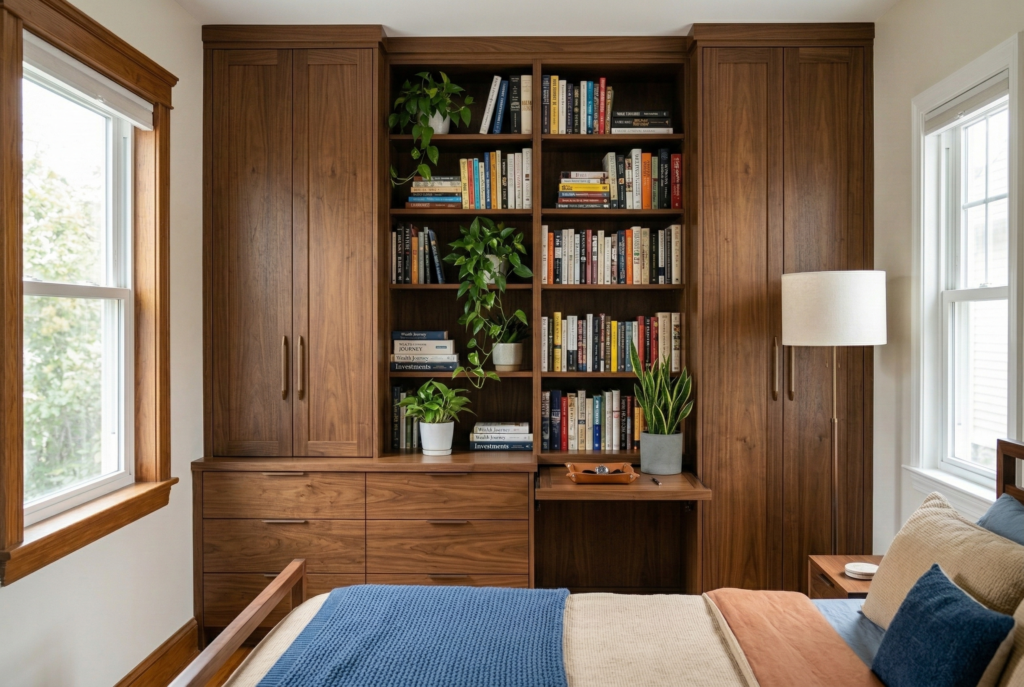
4. Choose Tall Cabinets and Bookcases Instead of Wide, Heavy Pieces

When floor space is limited, going taller instead of wider usually makes more sense. Tall cabinetry and vertical bookcases make use of the room’s height while keeping the footprint relatively small.
This works particularly well in living rooms, bedrooms, home offices, and awkward corners that aren’t wide enough for large storage furniture. A tall cabinet can hold everything from games and paperwork to extra linens and seasonal items. A narrow bookcase can display books, baskets, decor, and practical overflow without taking over the room.
Why Tall Storage Helps a Room Feel Bigger
There’s a visual benefit here too. Tall storage draws the eye upward, which can make a room feel more expansive. Not huge, exactly, but less boxed in.
And when you combine that height with closed storage at the bottom and open shelving at the top, you get a nice balance between function and style.
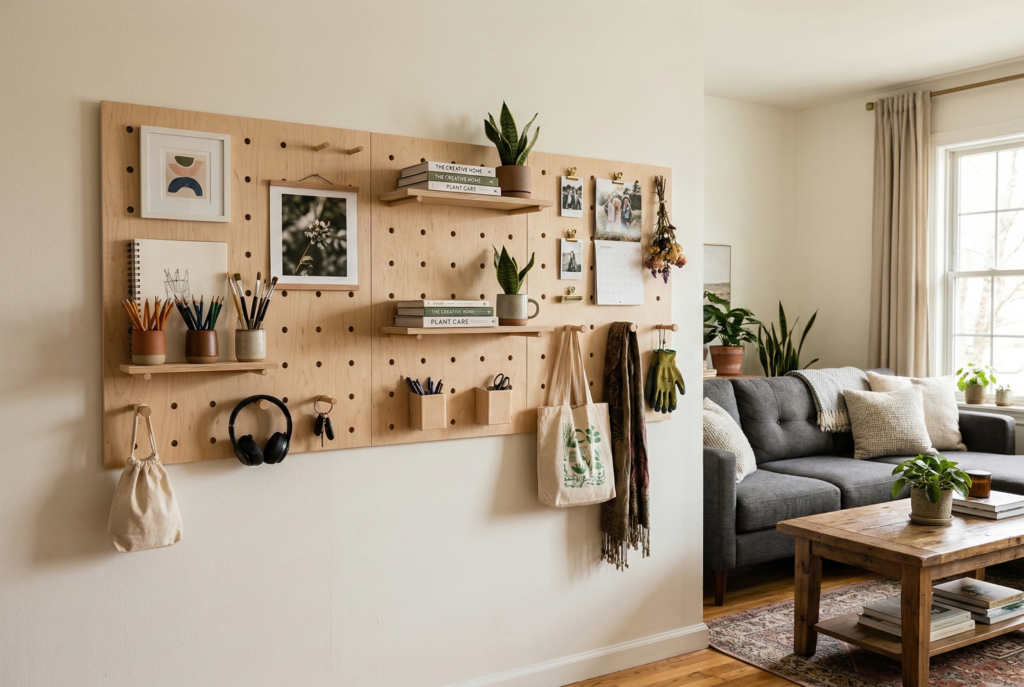
5. Turn Empty Wall Space Into a Flexible Pegboard Zone
Pegboards have come a long way from the garage. They’re now one of the smartest small space storage ideas for people who want flexibility without committing to a fixed setup.
In a kitchen, a pegboard can hold utensils, pans, measuring cups, and small baskets. In a craft area or home office, it can organize supplies that would otherwise clutter drawers. In an entryway, it can support keys, sunglasses, mail, and little grab-and-go essentials.
What makes pegboards so useful is that they can change as your needs change. You can move hooks, shelves, and bins around without replacing the whole system. That kind of adaptability matters in real homes, especially when one space often has to do more than one job.
6. Make Use of the Space Above Desks, Dressers, and Toilets
There’s often a surprising amount of unused vertical space sitting right above the furniture you already own. That area can become valuable storage without making the room feel more crowded.
A desk can benefit from shelves or a wall organizer overhead, especially in a small home office or homework station. A dresser wall can hold floating shelves for folded accessories, baskets, or decor that doubles as storage. And above the toilet, where many bathrooms waste precious space, shelving can hold towels, extra supplies, and toiletries in a much more efficient way.
A Good Rule for Above-Furniture Storage
Keep daily essentials within comfortable reach and place backup items higher up. That way the setup stays practical, not annoying. It’s a simple adjustment, but it makes a difference in how a room functions day after day.
7. Use Wall-Mounted Furniture in Rooms That Need to Flex
Wall-mounted furniture is one of the smartest storage solutions for small spaces because it helps a room do more without permanently giving up square footage.
A fold-down desk can turn a bedroom corner into a workstation during the day and disappear when you’re done. A wall-mounted drying rack in the laundry area can fold away when not in use. A drop-leaf wall table can create a dining spot in a small kitchen or apartment and then tuck back neatly against the wall.
For people working from home or living in smaller apartments, this kind of flexibility is huge. Rooms don’t stay frozen in one use. They can shift with the day.
And really, that’s the whole point of smarter home organization. It should support your actual life, not force you into some idealized version of it.
8. Build Storage Into Under-Stair and Awkward Vertical Spaces
Not every home has stairs, of course. But when it does, the space underneath can become one of the most effective vertical storage zones in the house.
Built-in drawers, open shelving, or tall cabinets under the stairs can store shoes, books, cleaning supplies, baskets, kids’ gear, or even pantry overflow depending on the location. It’s one of those areas that tends to collect random clutter if left unfinished, so giving it a real purpose can shift the entire feel of a room.
The same logic applies to awkward alcoves, narrow wall recesses, or corners that seem too small for standard furniture. Custom or semi-custom vertical storage often works beautifully in these spots because it turns wasted space into something useful.
9. Hang Storage From the Ceiling When Wall and Floor Space Are Tight
This one works best in the right room, but when it fits, it’s brilliant. Ceiling-mounted storage can free up both walls and floors, which is especially helpful in kitchens, laundry rooms, garages, and even some plant-filled living spaces.
A hanging pot rack above a kitchen island can clear out crowded cabinets. A ceiling-mounted drying rack in the laundry room can handle clothes without requiring a bulky floor unit. Hanging planters can add greenery without taking over shelves or side tables.
The key is restraint. Ceiling storage should feel intentional, not like the room is closing in on you. A few well-placed hanging elements can make a space feel efficient and stylish. Too many, and it starts to feel busy.
Common Vertical Storage Mistakes to Avoid
Even the best storage ideas can backfire if they aren’t planned well. Before you start mounting, hanging, or stacking, it helps to know what tends to go wrong.
A few common mistakes show up again and again:
- installing storage too high to use comfortably
- overcrowding walls until the room feels visually noisy
- choosing open storage for items that look messy
- ignoring safety in busy pathways or around children
- buying organizers before measuring the space properly
The best organized home doesn’t necessarily have the most storage. It has the right storage in the right places.
How to Make Vertical Storage Feel Natural in Your Home
The goal is to create a home where everyday items are easy to find, easy to return, and simple to live with.
That usually means mixing visible and hidden storage. Let hooks hold the things you use every day. Let cabinets or baskets hide the things you need but don’t necessarily want to see. Use a few decorative elements so the room still feels like home.
And give yourself permission to adjust as you go. Sometimes a shelf looks right in theory and annoys you in real life. Sometimes a hook by the door ends up being the most useful thing you add all year. That’s normal. Real homes evolve a little unevenly.
Conclusion
Vertical storage is one of the smartest ways to maximize small spaces without making your home feel crowded or overdesigned. When you use walls, doors, height, and overlooked corners well, you create more ease.
That might mean a calmer kitchen, a cleaner entryway, a bathroom that finally holds what it needs to hold, or a home office that doesn’t spill into the rest of your life. Small shifts can do that. They really can.
The most effective vertical storage ideas are the ones that quietly solve the small daily annoyances that build up over time. Start with one trouble spot, fix what frustrates you most, and build from there. Bit by bit, your home starts feeling more organized, more spacious, and a lot more supportive of the life happening inside it.
Related Articles
Modern Storage Ideas to Transform Every Room in Your Home in 2026