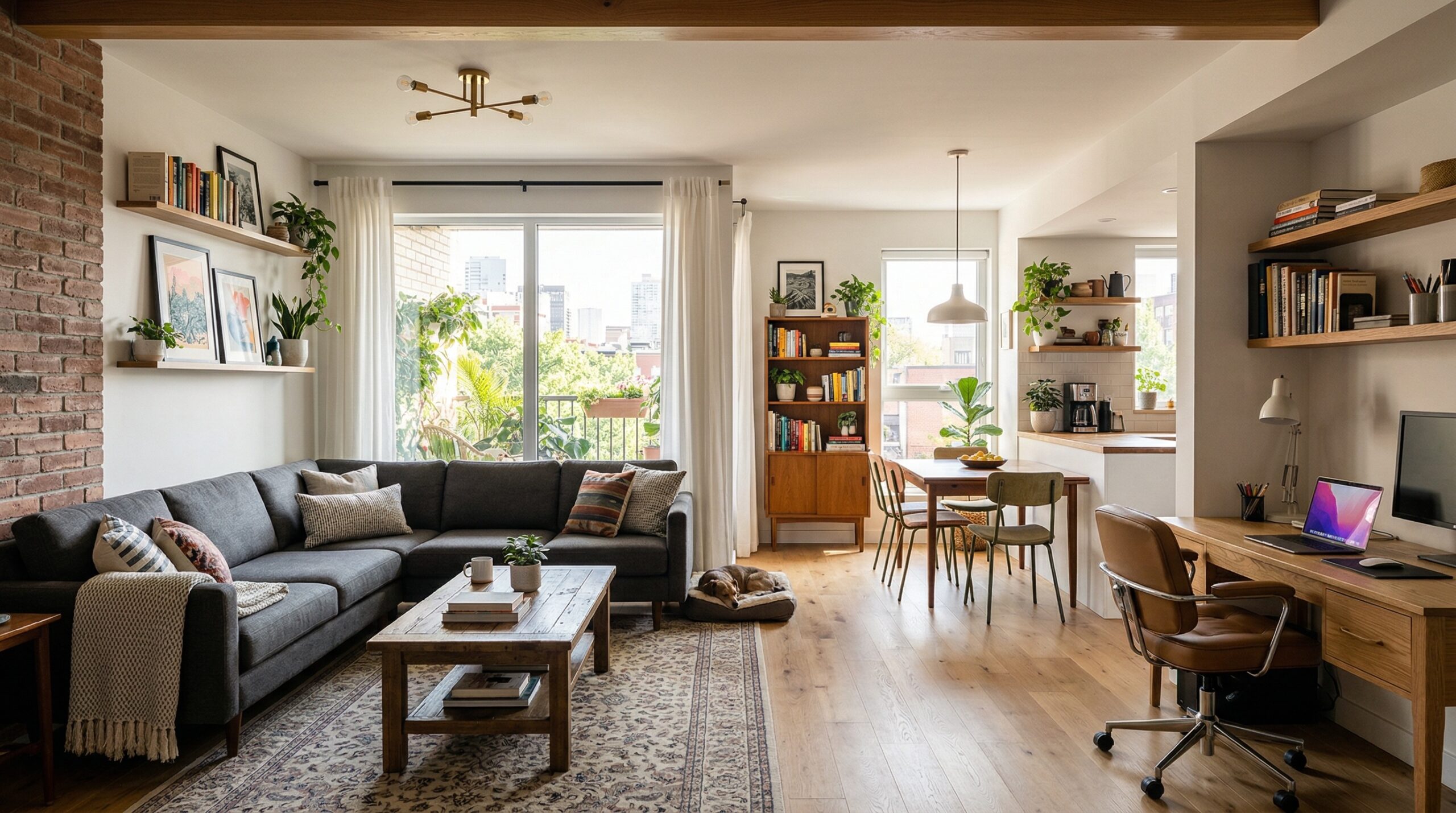
A living room often has to do far more than provide a place to sit. In many homes, it’s where people answer emails in the morning, unwind after work, help with homework, watch movies, host friends, and handle the small routines that fill everyday life. That’s why the best multi-use living room ideas focus on comfort, flexibility, and smart layout choices that support more than one purpose. When the room is designed well, it can feel calm and inviting without wasting valuable space.
Choose Furniture That Can Handle More Than One Job
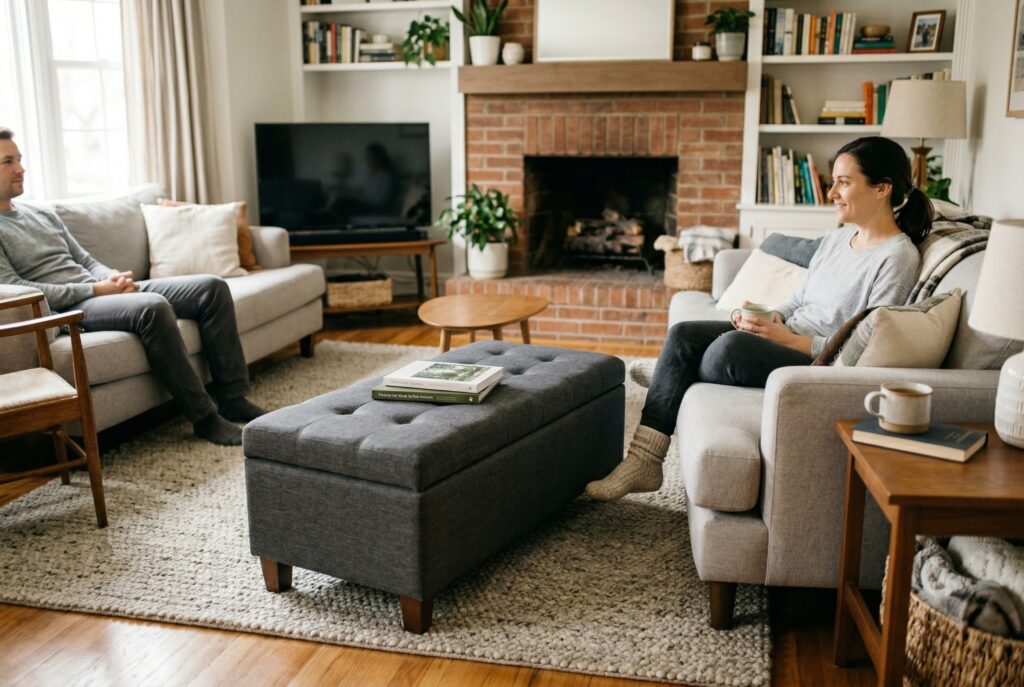
One of the easiest ways to create a more functional living room is to start with furniture that serves multiple purposes. A storage ottoman can work as a footrest, extra seating, and a place to tuck away blankets or games. A console table behind the sofa can double as a light work surface. Nesting tables can expand when needed and disappear when they aren’t.
This kind of flexibility matters in homes where the living room has to support both daily routines and downtime. Instead of filling the room with too many single-purpose pieces, choose furniture that adapts. That helps the room feel less crowded and more efficient without sacrificing comfort.
It also supports long-term practicality. A flexible room can adjust more easily as routines shift, whether that means more work-from-home time, growing kids, or changing entertainment habits.
Create a Layout That Separates Work from Relaxation
A multi-use living room works best when the room has some sense of structure. Even if the space is open or compact, it helps to mentally divide it into zones. One part of the room may be used mainly for lounging and conversation, while another corner supports reading, laptop work, or paperwork.
This doesn’t require walls or dramatic dividers. Often, the arrangement of the furniture does the work. A sofa and rug can anchor the relaxation zone, while a small desk, compact table, or accent chair near a window can define a more productive area. The goal is to make each activity feel intentional rather than having everything happen in one visually messy zone.
This approach is especially useful in apartments, smaller houses, and open-concept homes where one room has to stretch across several functions. A little structure makes the whole space easier to use.
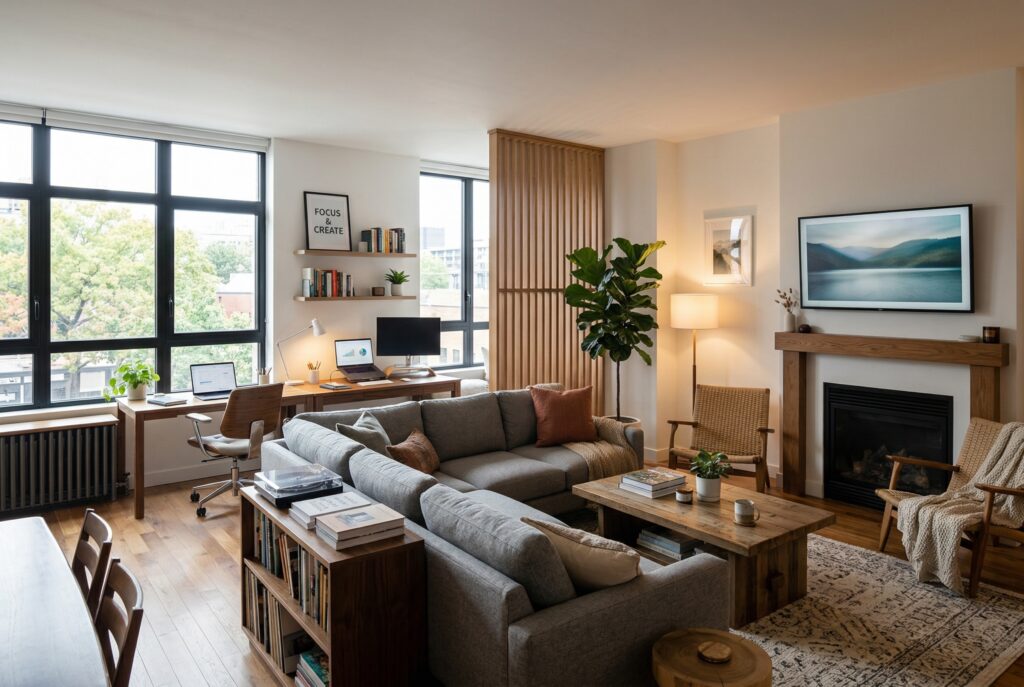
Add a Compact Work Area That Blends into the Room
Not every home has a separate office, which is why many living rooms now need some kind of work-friendly setup. The key is to make it feel integrated rather than temporary. A slim writing desk, wall-mounted shelf desk, or narrow console can create a practical workstation without taking over the room.
To keep the living room feeling like a living room, choose a desk or table that complements the rest of the furniture. Materials, finish, and scale matter. A piece that looks intentional will blend in much better than something bulky or overly utilitarian. You’ll also want to think about comfort and storage. A supportive chair, nearby outlet access, and a basket or drawer for work supplies can make a major difference. When the work area functions well and looks cohesive, the room can shift between productivity and relaxation much more smoothly.
Use Storage to Keep Everyday Clutter Under Control
A multi-use room can become cluttered quickly because it collects so many types of activity. Remote controls, chargers, notebooks, kids’ items, blankets, mail, and random daily essentials tend to land there. Without enough storage, even a well-designed room starts to feel harder to manage.
Smart storage helps protect both function and comfort. Built-in shelving, media cabinets, baskets, storage benches, and coffee tables with concealed compartments can all keep frequently used items nearby without leaving them in plain sight. This is one of the most important design moves for a room that has to work hard every day.
Closed storage is especially helpful when the living room is visible from the kitchen, entry, or dining area. It makes the space feel calmer and more intentional. When the room is easier to reset at the end of the day, it’s also easier to enjoy.
Make Seating Flexible for Different Parts of the Day
The way people use a living room often changes from morning to evening. That’s why flexible seating matters. A sofa may be the main anchor, but the room usually works better when there are a few movable pieces that can support different needs.
Accent chairs, poufs, stools, or lightweight side chairs can help the room shift between solo relaxation, work time, and social gatherings. One chair might move closer to a lamp for reading, then slide into the conversation area when guests come over. A pouf can act as a footrest, extra seating, or a place to set a tray.
This flexibility makes the room feel more responsive to real life. Instead of locking the space into one rigid arrangement, it allows the room to support changing routines without constant frustration.
Layer Lighting for Both Function and Comfort
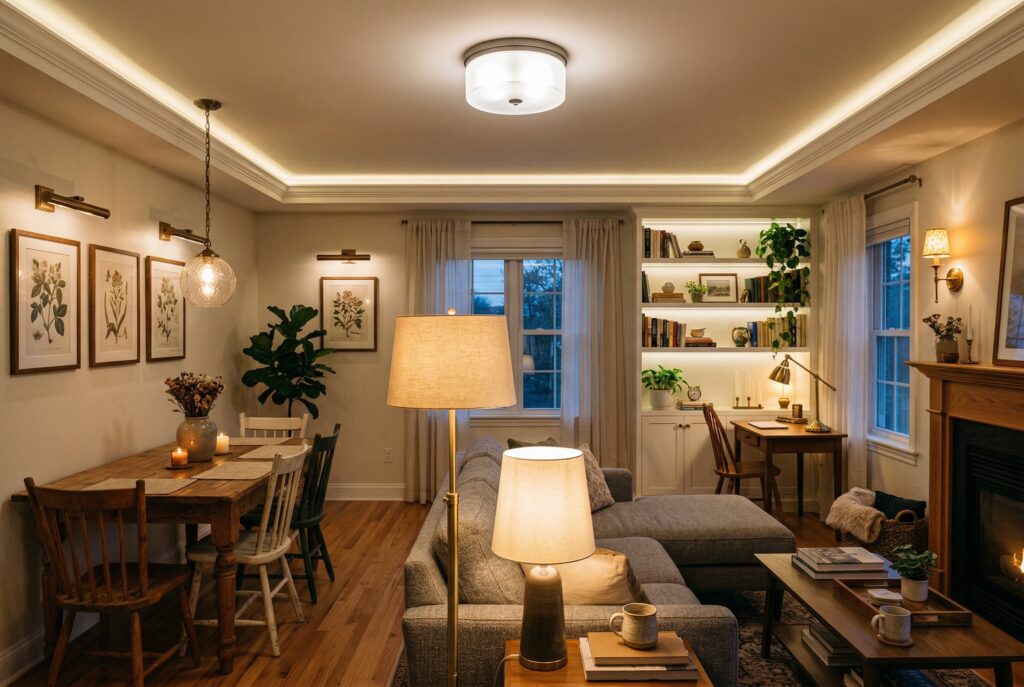
Lighting has a huge effect on whether a living room feels useful and inviting. In a multi-use space, one ceiling light usually isn’t enough. The room needs lighting that supports work tasks, reading, screen time, and winding down in the evening.
A mix of lighting sources usually works best. Overhead lighting provides general illumination, while table lamps, floor lamps, and wall sconces add softer layers that make the room feel more comfortable. A lamp near a chair or work area is particularly important if the room doubles as a place for reading or laptop use.
Dimmers can help even more. Bright light may be useful during the day or when cleaning up, while softer light creates a calmer mood at night. Layered lighting helps the room feel more adaptable, which is exactly what a multi-use living room needs.
Choose a Rug That Helps Define the Main Zone
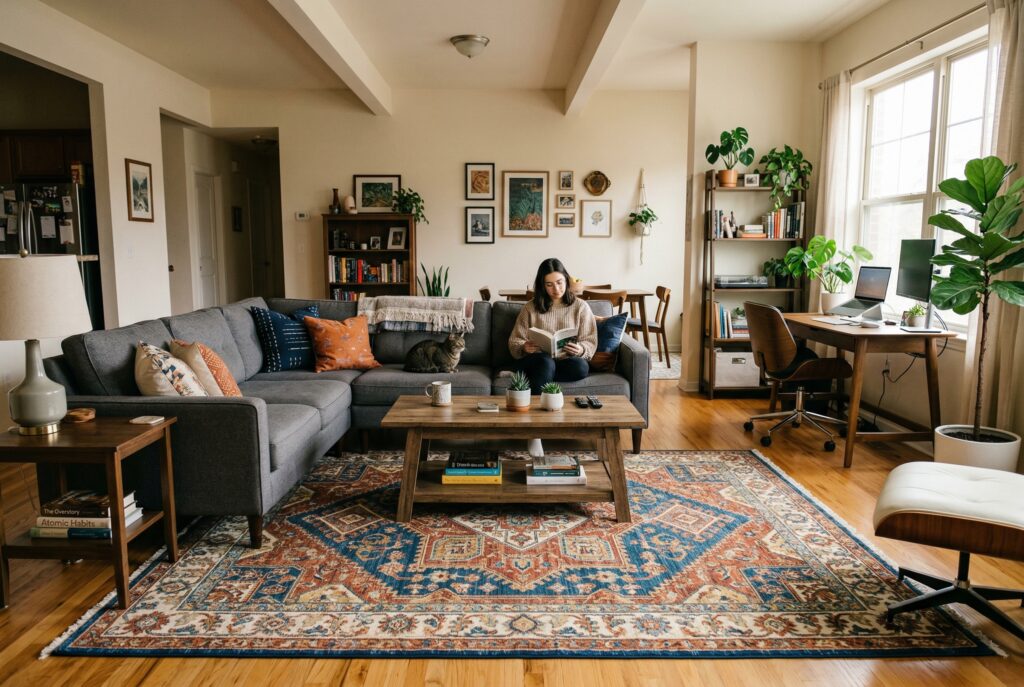
A rug does more than add softness or color. In a multi-use living room, it helps define the central part of the space and gives the room a stronger sense of purpose. This is especially helpful in open-plan homes where the living room needs to feel distinct from nearby dining or kitchen areas.
A properly sized rug can anchor the seating arrangement and visually separate the relaxation zone from other uses in the room. That alone can make the space feel more organized. It also adds texture and warmth, which matters when a room includes more practical elements like desks, electronics, or storage furniture. For everyday use, durable and easy-care materials usually make the most sense. A living room that handles work, relaxation, and social time should feel comfortable, but it also needs finishes that hold up well.
Keep Technology Useful Without Letting It Take Over
Technology is part of everyday living room use, but it shouldn’t dominate the room visually. In many households, the living room includes a TV, speakers, chargers, gaming devices, and work-related tech. Without some planning, these elements can quickly make the space feel cluttered.
The best approach is to make technology accessible while reducing visual noise. A media console with cable management, a basket for chargers, or a side table drawer for smaller devices can help a lot. Mounted TVs or streamlined stands can also make the room feel cleaner and more balanced.
This is particularly important if the room needs to feel restful after the workday ends. When tech is organized well, the room can still support entertainment and productivity without feeling chaotic or overly screen-driven.
Add Personal Comfort So the Room Still Feels Relaxing
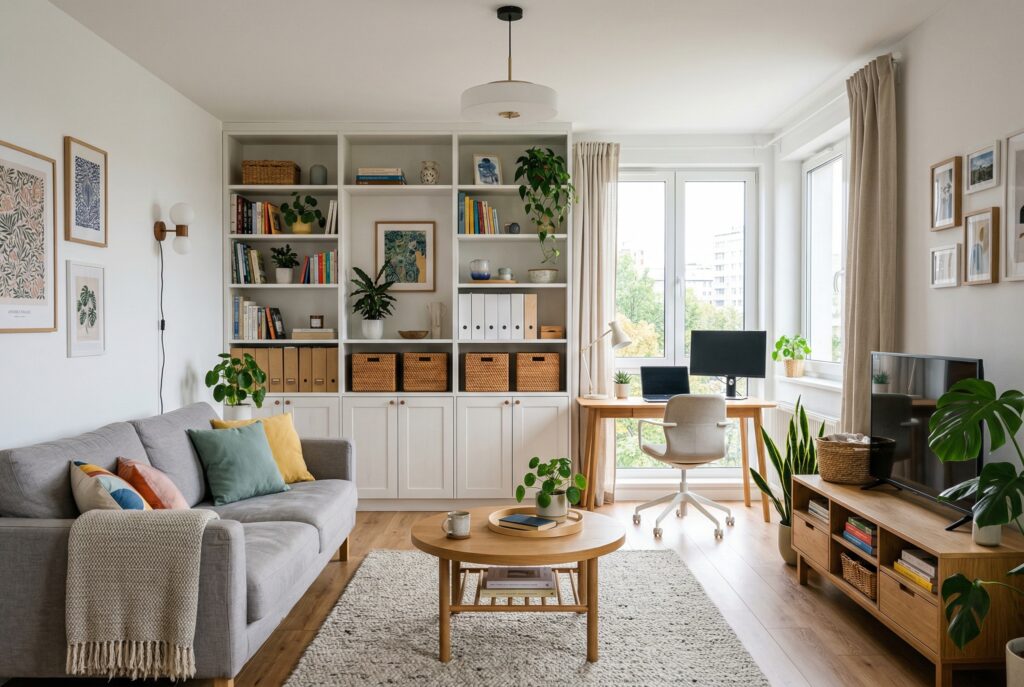
A room that’s designed for multiple functions still needs to feel like a place where people want to spend time. That’s where comfort layers come in. Soft throw blankets, textured pillows, warm wood tones, art, books, and a few meaningful decorative pieces can keep the room from feeling too task-oriented.
These details don’t have to be excessive. A few thoughtful layers often do more than a lot of extra décor. A textured rug, a comfortable sofa, soft window treatments, and a lamp with warm light can make the room feel much more settled. Personal touches matter because they help the space reflect everyday life instead of feeling generic.
In homes where the living room carries a lot of responsibility, warmth makes a difference. A room can be efficient and still feel welcoming. In fact, that balance is usually what makes it work best.
Conclusion
The most effective multi-use living room ideas help one space support several parts of daily life without feeling crowded or confused. Flexible furniture, defined zones, smart storage, layered lighting, and comfortable finishes all help the room work harder in a way that still feels calm and attractive.
A good living room doesn’t need to serve only one purpose to feel well designed. In many homes, the most successful spaces are the ones that can shift easily from work to rest to connection without losing comfort. When the room supports how people actually live every day, it becomes more useful, more enjoyable, and much easier to maintain over time.
Related Articles
- 15 Multipurpose Room Ideas to Create Efficient, Space-Saving, and Highly Functional Living Areas in Your Home
- 10 Small Living Room Layout Ideas to Maximize Space and Enhance Your Home’s Functionality
- 9 Smart Living Room Organization Ideas to Declutter Your Space and Create a Stylish, Functional Home