

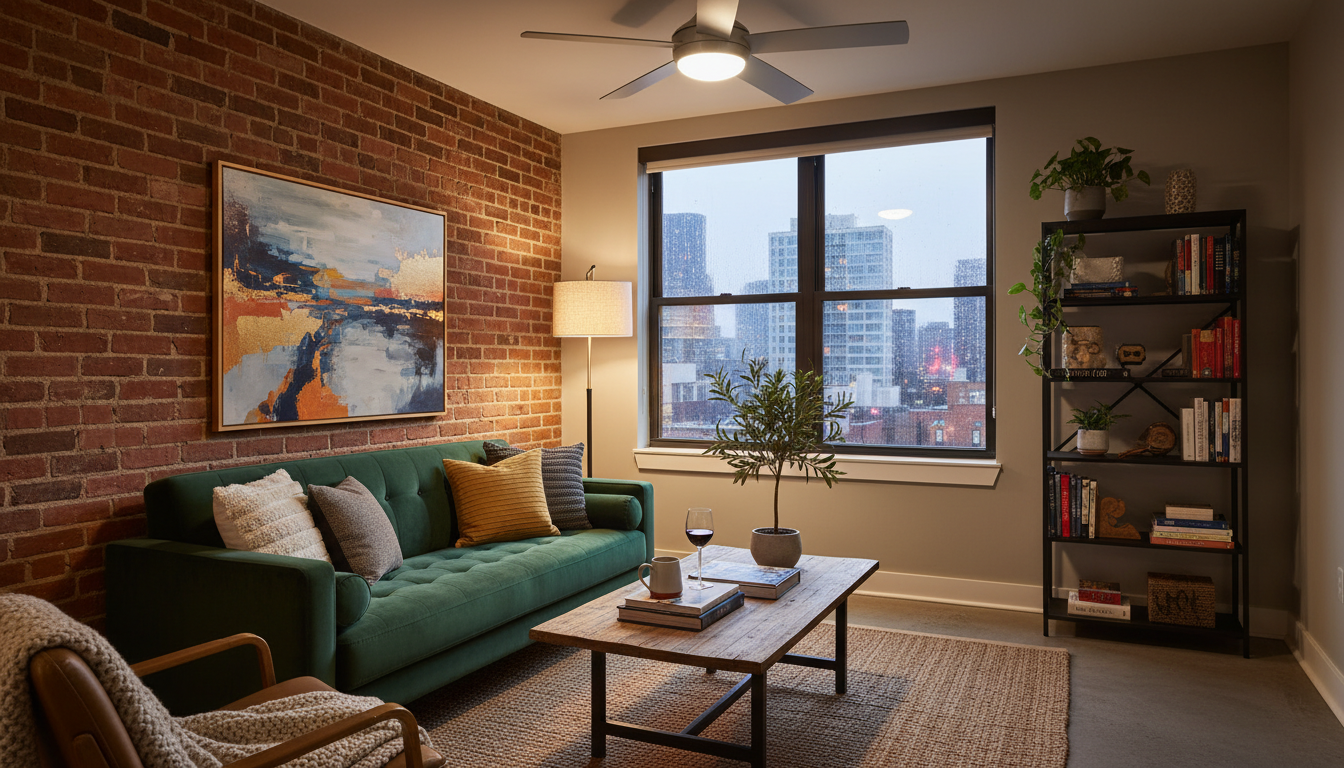
A small apartment can feel thoughtfully designed and welcoming, or it can feel tight and overwhelming. The difference usually comes down to how well the space is planned. When square footage is limited, every decision carries more weight. The right layout, furniture scale, lighting, and storage solutions can make a studio or one-bedroom feel comfortable, organized, and surprisingly spacious.
For many renters and urban dwellers across the United States, apartment living means working with compact kitchens, limited closets, and open layouts that serve multiple purposes. With smart interior design strategies, you can maximize comfort and functionality without knocking down walls or starting a full renovation.
Design Around How You Actually Live
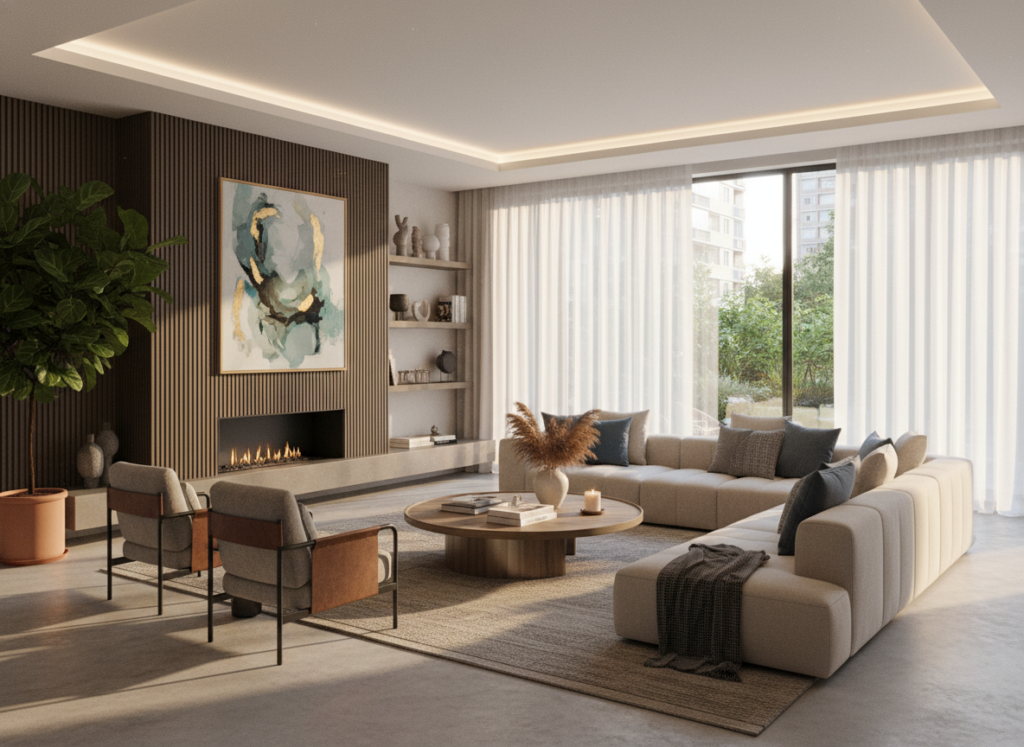
Before choosing furniture or décor, think honestly about your daily routine. Do you work from home? Host friends occasionally? Cook frequently? Watch TV every night? A small apartment can’t efficiently support unused furniture or decorative pieces that don’t serve a purpose.
Start by mapping your primary activities. If your dining table doubles as a workspace, it needs proper lighting and a comfortable chair. If your living room is also your office, zoning becomes essential. Designing around real habits ensures the space works for you instead of against you. Measure carefully and plan layouts before buying large pieces. Even a few extra inches in the wrong place can block pathways and make a room feel cramped.
Create Visual Zones Without Adding Walls
Open-concept apartments and studios benefit from subtle separation. Clear zones help your brain distinguish between work, relaxation, and sleep, even when everything shares one room.
You can define areas using rugs, lighting changes, or furniture placement. For example, positioning a sofa with its back toward the bed can visually separate the sleeping area from the living space. A slim bookshelf can act as a divider while still allowing light to pass through.
Keeping zones visually consistent with coordinated colors or materials helps the apartment feel cohesive rather than fragmented.
Choose the Right Furniture Scale
Oversized furniture is one of the most common mistakes in small apartments. A large sectional might look appealing in a showroom, but in a compact living room, it can overwhelm the space. Instead, look for pieces with slimmer profiles, exposed legs, and lighter visual weight. Sofas raised off the floor create a sense of openness because you can see more of the flooring underneath. Armless chairs and round tables often fit more naturally in tight areas than bulky square pieces.
Function matters as much as scale. A coffee table with hidden storage or a bed with drawers underneath reduces the need for additional furniture, which keeps the room from feeling crowded.
Prioritize Smart Storage Solutions
Storage is often limited in apartments, especially in older buildings. The goal isn’t to cram every inch with shelving but to integrate storage thoughtfully so it blends into the design.
Closed storage is particularly valuable because it reduces visual clutter. Media consoles with doors, storage ottomans, and dressers with deep drawers keep everyday items accessible but out of sight.
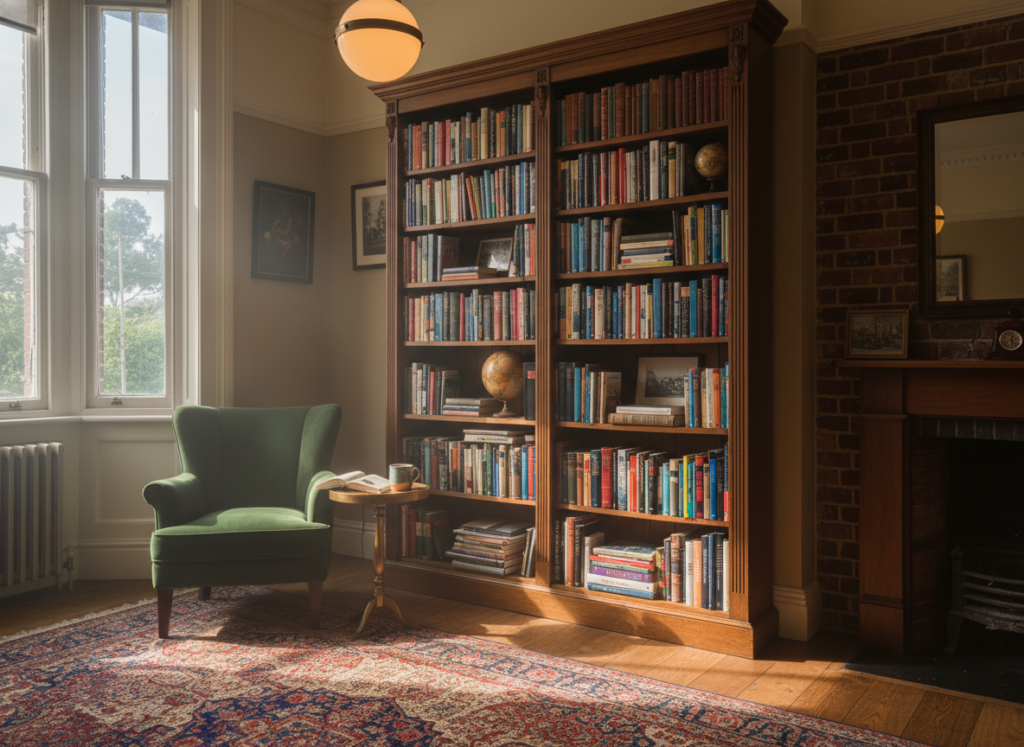
Vertical storage can also help. Tall bookcases, wall-mounted shelves, and hooks make use of wall space without shrinking your floor area. Just be mindful not to overload walls with too many small items. A few organized sections look intentional. Too many scattered objects can make the room feel busy.
Use Color Strategically to Expand the Space
Color has a powerful impact on how large or small a room feels. Light, neutral tones often make apartments feel brighter and more open, especially in units with limited natural light. That doesn’t mean everything has to be white.
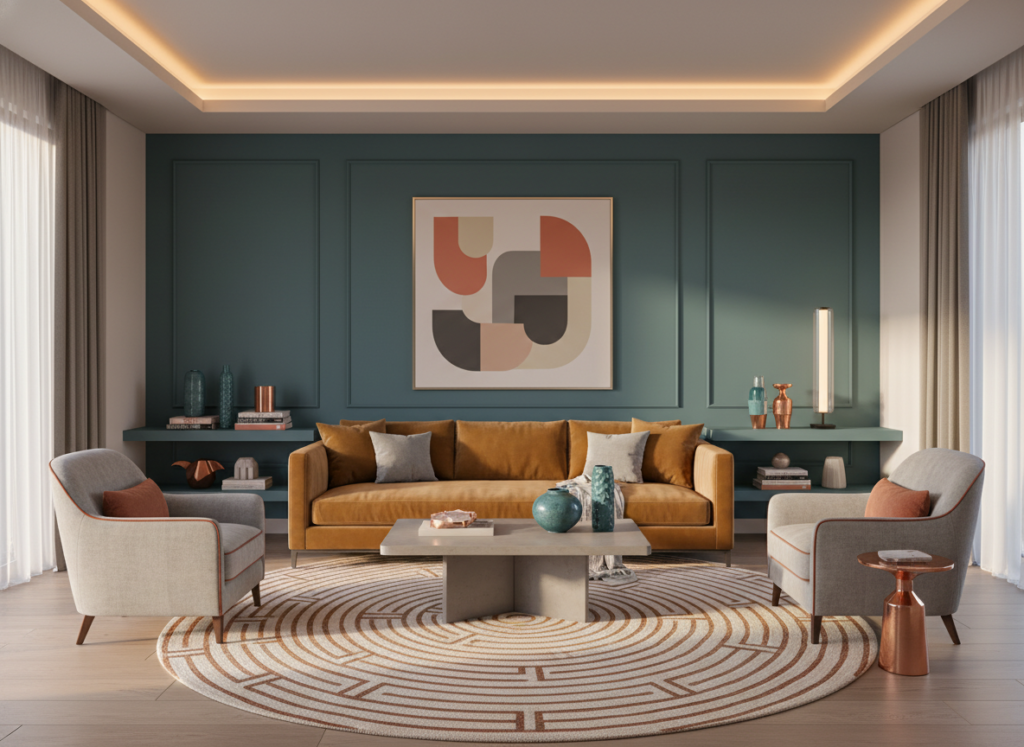
A cohesive color palette works best. Choose one primary wall color and layer in complementary tones through textiles and décor. Soft grays, warm beiges, muted greens, and light blues can create depth while maintaining an airy feel.
If you enjoy bold colors, incorporate them in controlled ways, such as artwork, throw pillows, or an accent chair. Keeping large surfaces consistent allows the eye to move smoothly through the space, which visually enlarges it.
Layer Lighting for Comfort and Functionality
Many apartments rely on a single overhead light fixture, which can feel harsh and uninviting. Layered lighting transforms the atmosphere and improves usability.
Combine ambient lighting, such as ceiling fixtures or floor lamps, with task lighting for work areas and softer accent lighting for evenings. A small table lamp on a console or nightstand adds warmth without taking up much room. In compact spaces, lighting also helps define zones. A pendant light over a dining table or a desk lamp in a work corner signals that each area has its own purpose.
Make the Most of Natural Light
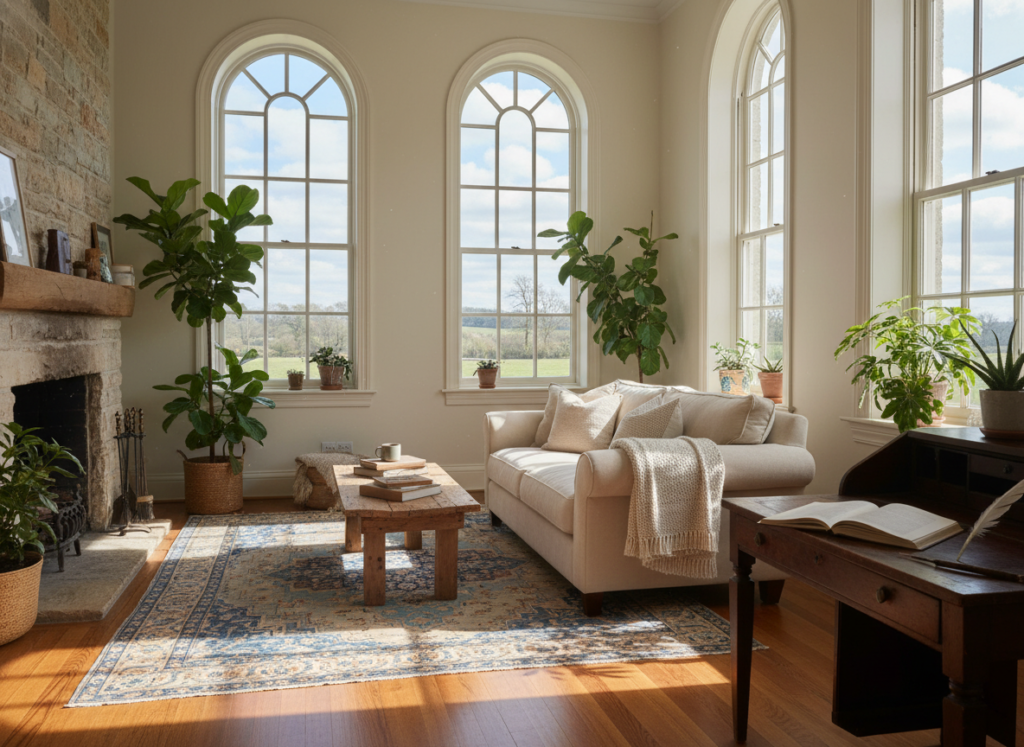
Natural light is one of the most valuable features in any apartment. Keep window treatments simple and avoid heavy drapes that block sunlight during the day.
Hanging curtains higher than the window frame and extending them slightly wider can make windows appear larger. Mirrors placed opposite or adjacent to windows can reflect light and brighten the room, creating the illusion of more space.
Keep furniture from blocking windows whenever possible. Even a low-profile piece placed strategically can preserve light flow while maintaining functionality.
Keep Surfaces Clear and Intentional
In small apartments, clutter accumulates quickly. Countertops, coffee tables, and desks can become crowded with daily items. Regular editing helps maintain a calm environment. Instead of filling surfaces with many small decorative objects, choose a few meaningful pieces that add personality without overwhelming the room.
A single large piece of art often works better than multiple small frames scattered across walls. Maintaining clear surfaces doesn’t mean the space should feel sterile. It simply means being selective so that each item contributes to the overall design.
Optimize Entryways and Transitional Spaces
Even the smallest entryway can become more functional with thoughtful design. Adding wall hooks for coats and bags, a slim console for keys, or a small bench for putting on shoes creates a defined transition between outside and inside.
Keeping this area organized sets the tone for the rest of the apartment. When clutter is controlled at the door, it’s less likely to spread throughout the home. Hallways can also serve a purpose. Narrow shelving or artwork can add personality without narrowing the walking path.
Incorporate Flexible Pieces for Changing Needs
Apartment living often requires adaptability. You might need extra seating when friends visit or additional workspace during busy seasons.
Lightweight chairs that move easily, nesting tables that tuck away, or a foldable desk can provide flexibility without permanently occupying space. The ability to reconfigure a room occasionally keeps it feeling dynamic and responsive to your needs. Flexibility ensures your apartment evolves with you instead of feeling restrictive.
Conclusion
Designing a small apartment for maximum comfort and functionality requires thoughtful choices rather than dramatic changes. By planning a layout that reflects your real lifestyle, selecting appropriately scaled furniture, prioritizing smart storage, and using color and lighting strategically, you can transform even a compact space into a comfortable retreat.
You don’t need more square footage to create a home that feels open and inviting. With careful editing and intentional design, your apartment can support daily life beautifully while maintaining a sense of calm and spaciousness.
Related Articles
- 7 Simple Design Tips to Create a Calm, Organized Home Aesthetic and Reduce Stress in Your Living Space
- 15 Simple Minimalist Home Design Ideas to Create Clean, Organized, and Modern Living Spaces with Less Clutter