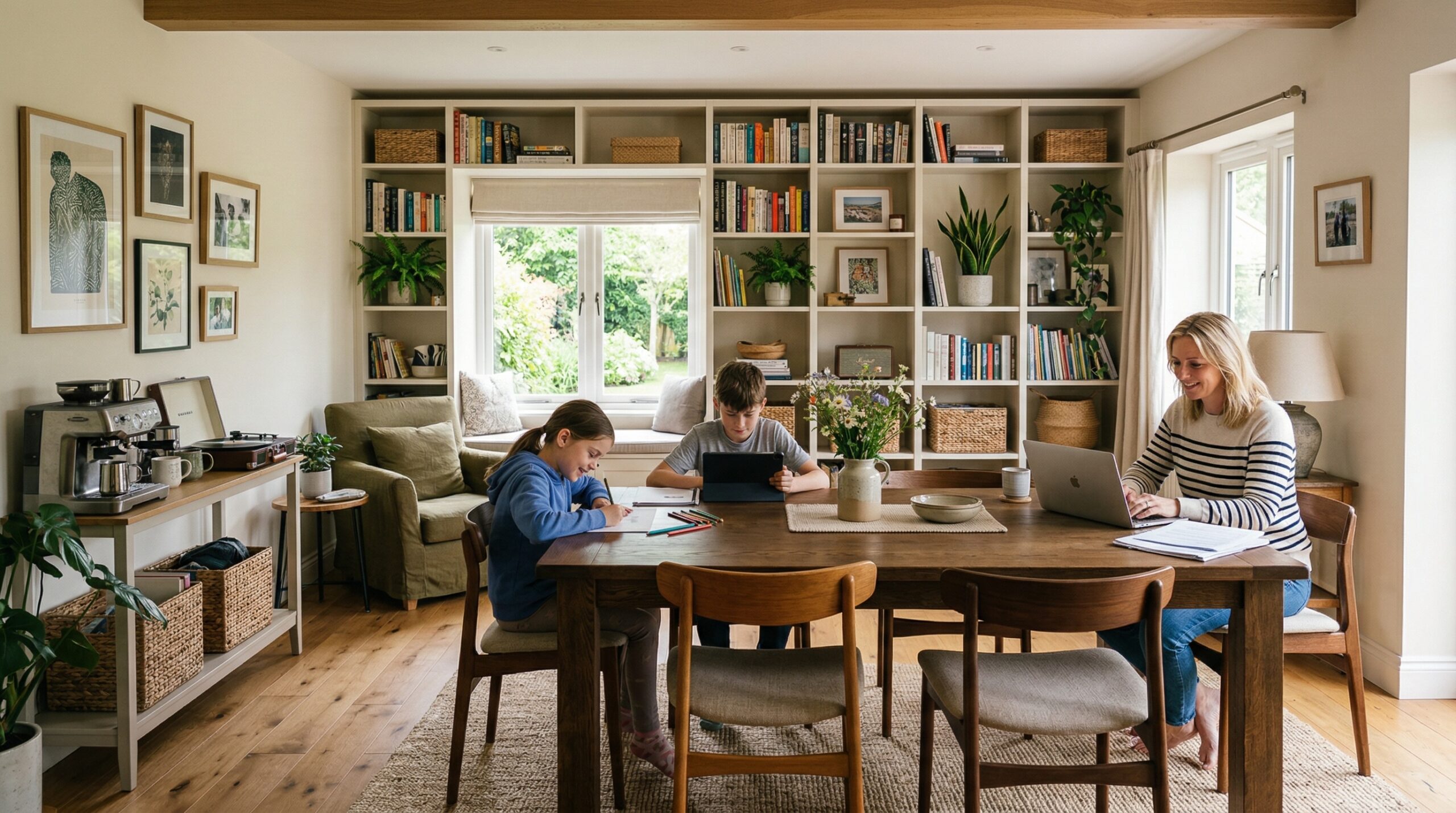
A dining room no longer serves just one purpose in many homes. It may function as a place for family meals, a work-from-home zone during the day, a homework station in the evening, and a gathering space on weekends. That shift makes thoughtful design more important. The best multipurpose dining room ideas help the room feel comfortable, organized, and flexible without losing warmth or style. When the space is designed to support real daily routines, it becomes easier to use and much easier to maintain.
Choose a Dining Table That Can Handle More Than Meals
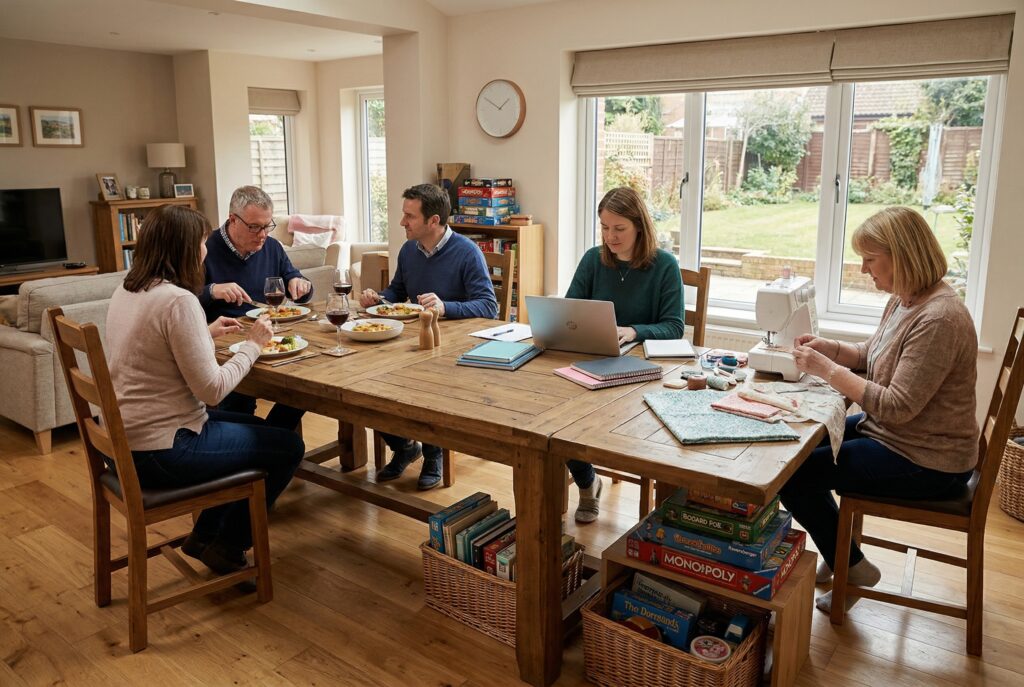
The table is the center of any multipurpose dining room, so it needs to do more than look good. It should support regular meals, laptop use, paperwork, crafts, or other daily tasks without feeling fragile or inconvenient. A durable surface is often the smartest choice, especially in busy households where the room stays active throughout the day.
A rectangular table usually works well because it provides enough surface area for several uses at once. Someone can work at one end while another person sets out lunch or sorts mail at the other. In smaller homes, a round or extendable table may make more sense because it improves movement while still offering flexibility when needed.
It also helps to think about how the table feels during long use. A table that’s the right height, easy to wipe down, and sturdy enough for everyday activity will serve the room much better than one chosen only for appearance.
Use Comfortable Seating That Works for Dining and Desk Time
When a dining room doubles as a workspace, seating matters even more. Chairs that are acceptable for a quick dinner may not feel comfortable during an hour of computer work, paperwork, or school assignments. The goal is to choose dining chairs that still look appropriate in the room while offering enough support for extended sitting.
Upholstered or slightly cushioned chairs often help strike that balance. Supportive backs, practical materials, and easy-to-clean finishes are especially useful in homes where the dining room sees constant use. If the room functions as a regular work area, adding one or two more ergonomic chairs that still blend with the overall design can be a smart move.
This kind of choice supports real life. In many U.S. households, dining rooms aren’t formal spaces that stay untouched. They’re active zones that need to work comfortably across multiple parts of the day.
Add a Sideboard or Cabinet to Keep Work Clutter Contained
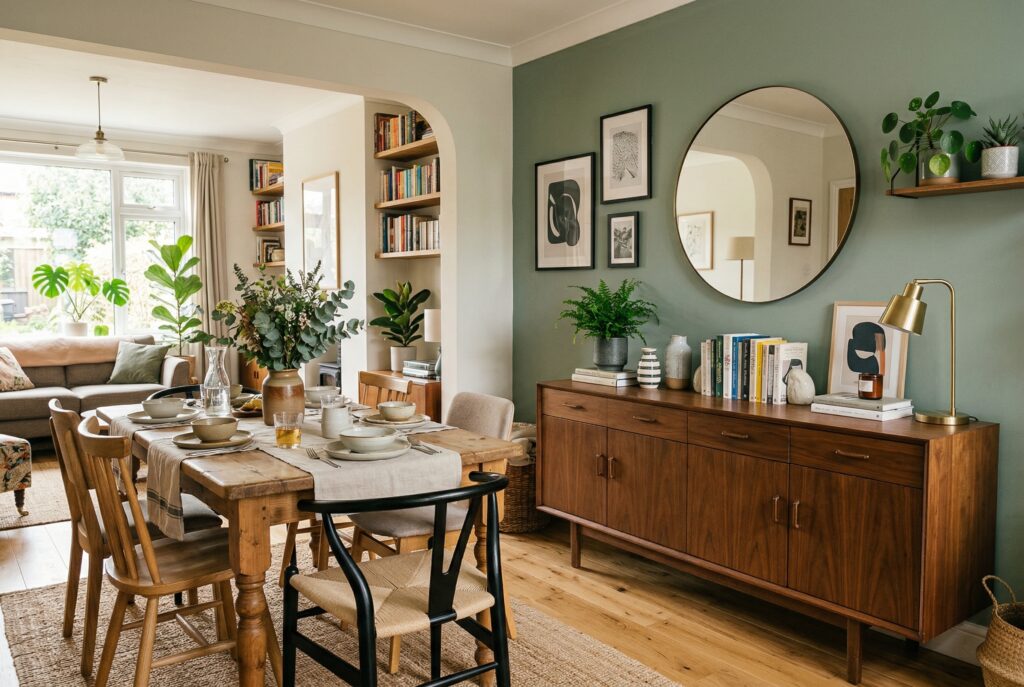
One of the biggest challenges in a multipurpose dining room is preventing the room from feeling messy once work or daily tasks spill into it. Storage helps solve that problem. A sideboard, buffet, or cabinet can hold office supplies, chargers, notebooks, placemats, serving pieces, and other essentials that would otherwise collect on the table.
This allows the room to shift more easily between functions. During the day, a few work items can come out as needed. By dinner, everything can be put away quickly so the room feels ready for a meal instead of still looking like a temporary office. Closed storage tends to work best because it reduces visual clutter. In open-concept homes especially, this helps the dining area feel calmer and more intentional. The room can stay practical without constantly looking busy.
Create Better Lighting for Both Productivity and Atmosphere
Lighting has to work harder in a multipurpose room. A fixture that looks beautiful over the table may not provide enough light for daytime work, while harsh overhead lighting can make meals feel less relaxed. The best solution is usually layered lighting that supports different activities without making the room feel overdesigned.
A central pendant or chandelier helps anchor the dining area, but additional lighting can make the room more flexible. A nearby floor lamp, wall sconces, or a table lamp on a sideboard can add softness and improve visibility when the room is used for reading, computer work, or evening tasks.
Dimmers make an even bigger difference. Bright light may be helpful when the table is being used for projects or paperwork, while softer lighting creates a more comfortable mood for dinner or conversation. This adaptability helps the room transition more naturally throughout the day.
Define Zones So the Room Feels Organized, Not Confused
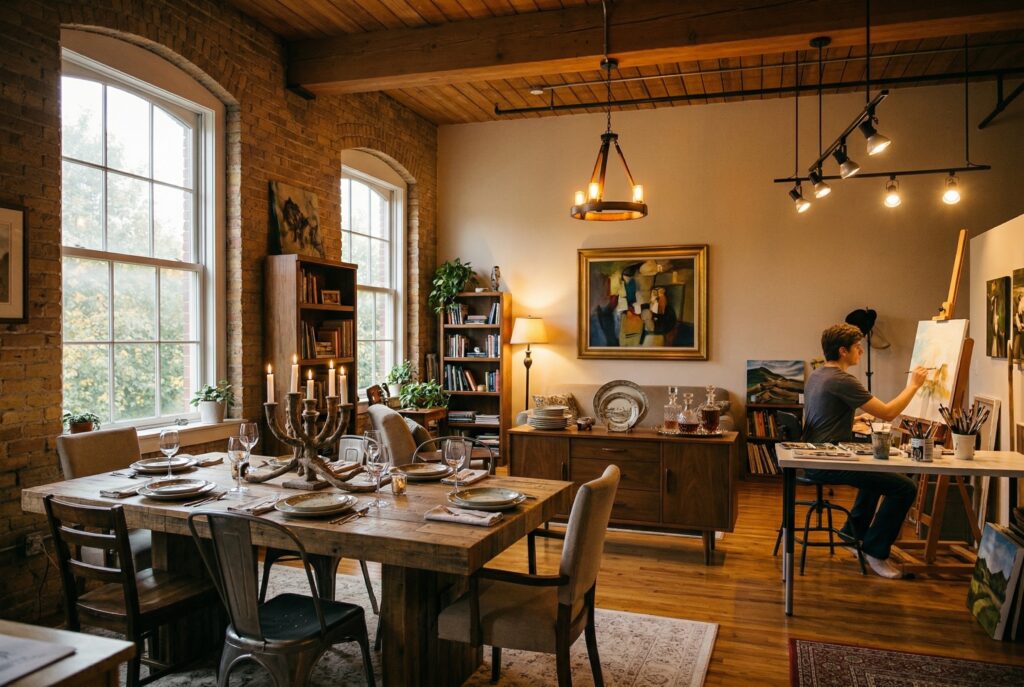
A multipurpose dining room works best when the different uses feel intentional rather than random. Even in one room, subtle zones can make a big difference. The dining table may remain the main focal point, but surrounding elements can help support other functions in a structured way.
For example, a sideboard can become the storage zone, a nearby corner chair can act as a reading or laptop spot, and a wall shelf can hold baskets or supplies connected to the room’s daily use. These small distinctions help the space feel organized instead of trying to do everything at once without any clear plan.
Rugs, lighting placement, and furniture arrangement can all reinforce these zones. In homes where dining rooms open into living rooms or kitchens, this kind of visual organization becomes even more helpful. It keeps the room flexible while still feeling coherent.
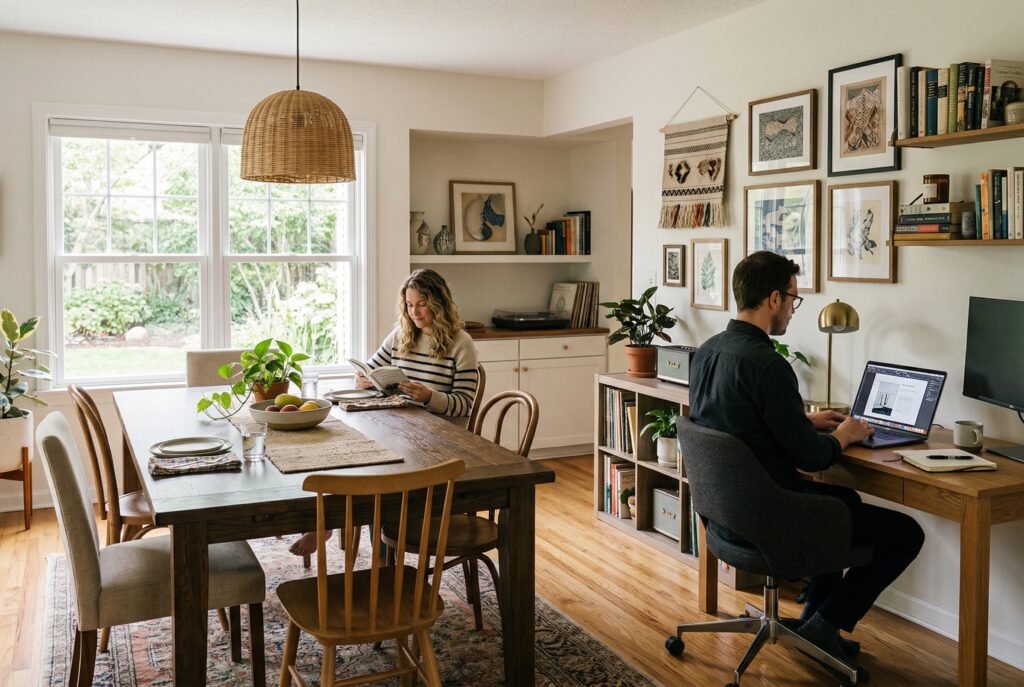
Use Easy-Care Materials That Hold Up to Daily Use
A room that handles meals, work, and everyday life needs materials that can keep up. Delicate finishes may look appealing at first, but they often create stress in spaces that see frequent use. Easy-care materials help the room stay attractive without requiring constant caution or maintenance.
Wood tables with forgiving finishes, performance upholstery, washable rugs, and wipeable chair surfaces are all practical choices. These materials support the reality of everyday living, whether that means coffee cups on the table, kids doing schoolwork, or frequent takeout nights that don’t always stay perfectly contained.
This doesn’t mean the room has to feel purely functional. There are plenty of durable materials that still look warm, refined, and appropriate for a stylish dining space. The goal is to create a room that supports regular use without making people feel they have to protect it all the time.
Include Flexible Furniture That Can Adapt as Needed
Flexibility is one of the biggest strengths of a multipurpose dining room, and the furniture should support that. Pieces that can shift roles easily make the room more useful over time. An extendable dining table, stackable extra chairs, a bench that tucks neatly under the table, or a rolling cart for supplies can all add versatility without crowding the space.
This is especially useful in smaller homes, apartments, and townhouses where every room has to work a little harder. Furniture that adapts helps the room stay efficient during ordinary days and more accommodating during gatherings or busy weeks.
Even small adjustments matter. A bench can create more seating when guests visit and also save space the rest of the week. A compact cabinet can function as both dining storage and a work support station. The more flexible the furniture, the easier the room becomes to live with.
Keep the Table Easy to Reset Between Activities
One of the most important features of a successful multipurpose dining room is how easily it can reset. If transitioning from work mode to dinner mode feels tedious, the room becomes frustrating to use. A few smart habits and design choices can make those transitions much smoother.
A simple tray for office supplies, a small basket for chargers, or a drawer dedicated to daily essentials can help clear the table quickly. The room doesn’t need elaborate systems. It just needs enough structure that clutter doesn’t take over. When the table can be cleared in a few minutes, the room remains functional and inviting.
This matters because the dining table often becomes a default landing zone for everything from mail to laptops to school papers. Without a reset strategy, the room starts to feel crowded and less usable. A manageable routine keeps the space adaptable and more pleasant overall.
Add Warmth So the Room Still Feels Like a Living Space
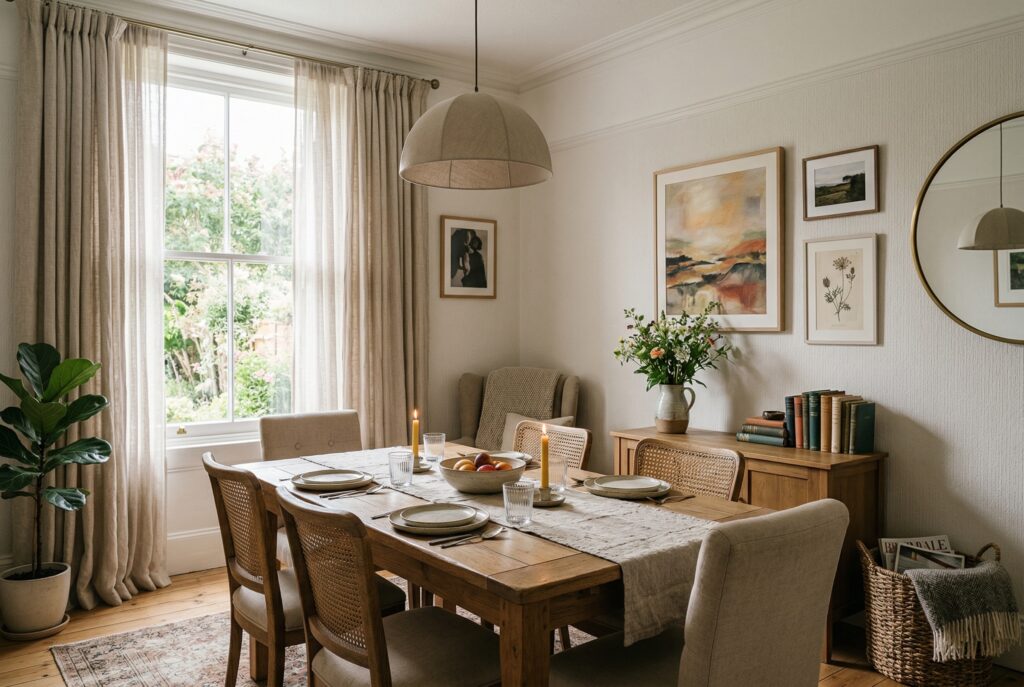
When a dining room takes on practical roles like work or organization, it still needs warmth. Otherwise, it can start to feel too task-oriented. Texture, artwork, soft lighting, window treatments, and a few personal details help the room stay comfortable and welcoming even when it’s working hard.
An upholstered chair, a textured rug, framed art, a ceramic bowl on the table, or a lamp with a soft glow can make the room feel more human and less temporary. These details matter because people respond to atmosphere just as much as function.
A room that works well but feels cold won’t be as enjoyable to use day after day. The best multipurpose rooms support productivity and comfort at the same time. They don’t force the space into one identity. Instead, they allow it to shift naturally while still feeling grounded and cohesive.
Conclusion
The most effective multipurpose dining room ideas help the space move easily between meals, work, and everyday routines without losing comfort or style. A durable table, supportive seating, smart storage, flexible furniture, and better lighting all make the room more useful. Just as important, warm materials and thoughtful details help it remain inviting rather than purely practical.
When a dining room is designed for real life, it becomes more than a place to sit down for dinner. It becomes a dependable part of the home’s daily rhythm. That kind of flexibility makes the room easier to use, easier to maintain, and far more valuable over time.
Related Articles
- 15 Multipurpose Room Ideas to Create Efficient, Space-Saving, and Highly Functional Living Areas in Your Home
- 9 Dining Room Ideas That Make Everyday Meals, Hosting, and Gatherings Feel More Comfortable and Effortless
- 12 Smart Multifunctional Furniture Ideas That Save Space and Improve Home Organization in Small Homes
- 10 Space-Saving Furniture Ideas That Make Small Homes More Flexible, Functional, and Comfortable for Everyday Living
- 9 Multi-Use Living Room Ideas That Help You Work, Relax, and Make the Most of Your Space Every Day