Designing a home that looks refined while using fewer resources is completely achievable with the right strategy. Sustainable interior design focuses on healthier materials, long lasting furnishings, and smarter energy use that supports both comfort and cost savings. Whether you live in a suburban house, a city condo, or a rural property, small thoughtful decisions can make your home more efficient without sacrificing style.
Plan With Purpose Before You Renovate or Redecorate
A sustainable home begins with careful planning. Before replacing furniture or finishes, evaluate what still works. Reusing, refinishing, or repurposing existing pieces prevents unnecessary waste and reduces the environmental cost of manufacturing and shipping new items.
Start by identifying upgrades that improve efficiency or health. For many households in the United States, that means addressing insulation gaps, outdated lighting, or older materials that may release unwanted chemicals. Creating a clear plan also helps you avoid impulse purchases that don’t align with your long term design goals. When you design with intention, you’re far less likely to overspend or overconsume.
Select Durable and Responsibly Sourced Materials
Material selection plays a central role in eco-friendly interior design. The goal doesn’t require following trends labeled green. It’s to choose materials that last, perform well, and come from responsible sources.
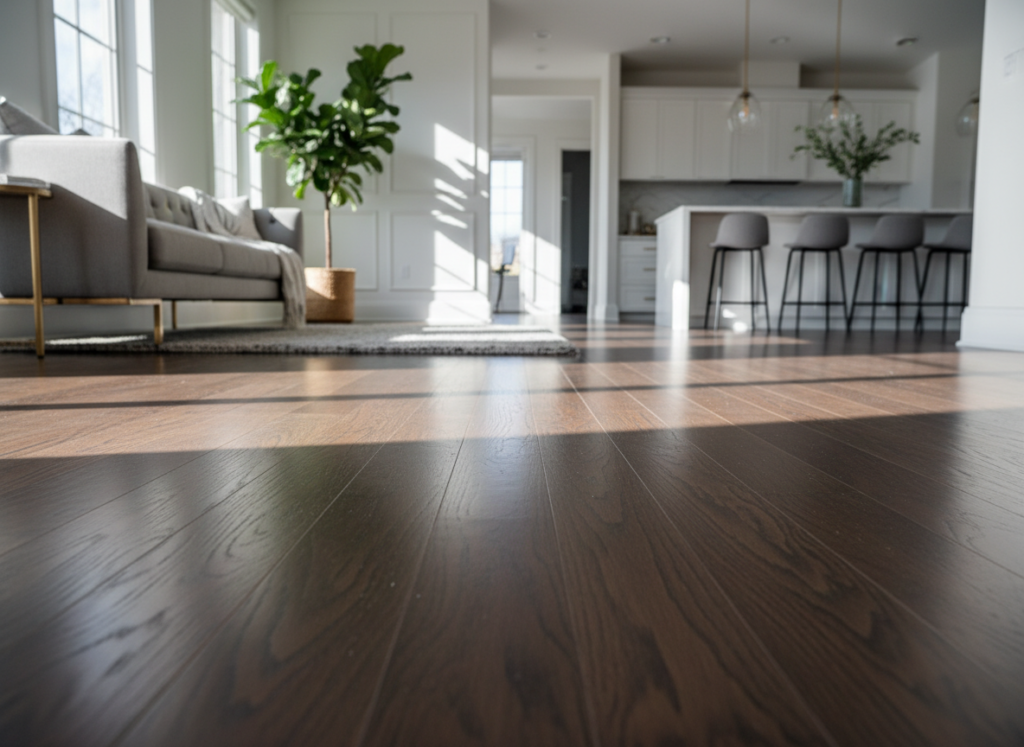
Hardwood flooring certified by the Forest Stewardship Council supports better forest management practices. Reclaimed wood adds character and reduces demand for new lumber. Cork and natural linoleum offer renewable alternatives for kitchens, offices, or playrooms. These materials are resilient and often perform better over time than synthetic counterparts.
When selecting cabinetry or built-ins, look for solid wood or high quality plywood rather than low grade particleboard. These options tend to hold up better and can be refinished instead of replaced. Longevity reduces waste and protects your investment.
Improve Indoor Air Quality With Low Emission Finishes
Indoor air quality is a growing concern for many homeowners, especially families with children, pets, or allergies. Paints, adhesives, and finishes can release volatile organic compounds that linger in the air.
Switching to low VOC or zero VOC paint significantly reduces indoor pollutants. The same applies to sealants, stains, and flooring adhesives. Many reputable manufacturers now provide transparency about emissions and chemical content, which makes it easier to make informed choices.
Textiles also matter. Natural fibers such as wool, cotton, hemp, and linen typically contain fewer synthetic treatments. When purchasing upholstered furniture or mattresses, look for certifications that verify reduced chemical emissions. These choices support a healthier environment inside your home while aligning with sustainable design principles.
Maximize Natural Light and Upgrade to Efficient Lighting
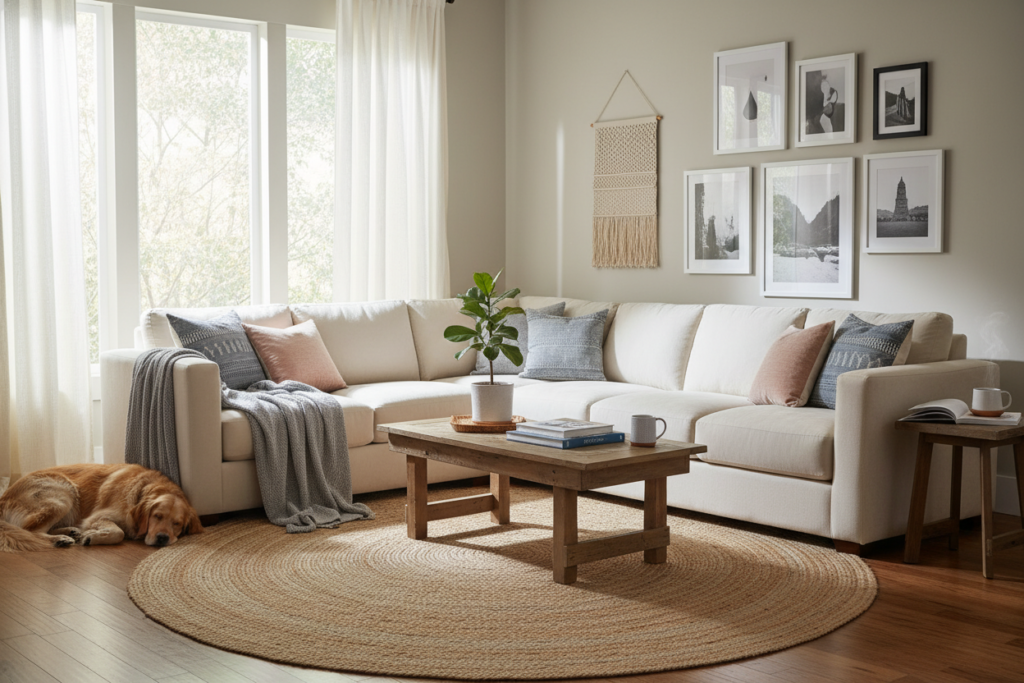
Lighting design directly affects energy consumption. Instead of relying on bright overhead fixtures throughout the day, maximize natural daylight wherever possible. Use lighter wall colors to reflect sunlight and position mirrors strategically to distribute brightness across the room.
Window treatments should balance privacy with energy performance. Sheer curtains allow daylight in while softening glare. In warmer regions, solar shades help reduce heat gain without completely darkening a space.
When artificial lighting is needed, LED bulbs are the most energy efficient option for residential use. They consume significantly less electricity than older incandescent or halogen bulbs and last much longer. Installing dimmer switches and using task lighting in kitchens, offices, and reading areas allows you to illuminate only the areas you need. These small adjustments reduce electricity usage without compromising functionality.
Design for Better Heating and Cooling Performance
Energy efficient homes don’t rely solely on high tech systems. Layout and furnishing choices can influence how well your heating and cooling systems perform.
Make sure air vents aren’t blocked by large sofas, bookcases, or curtains. Good airflow allows your HVAC system to operate more effectively. Area rugs add insulation over hardwood or tile floors, especially during colder months. Thermal or insulated curtains can help retain warmth in winter and reduce heat transfer in summer.
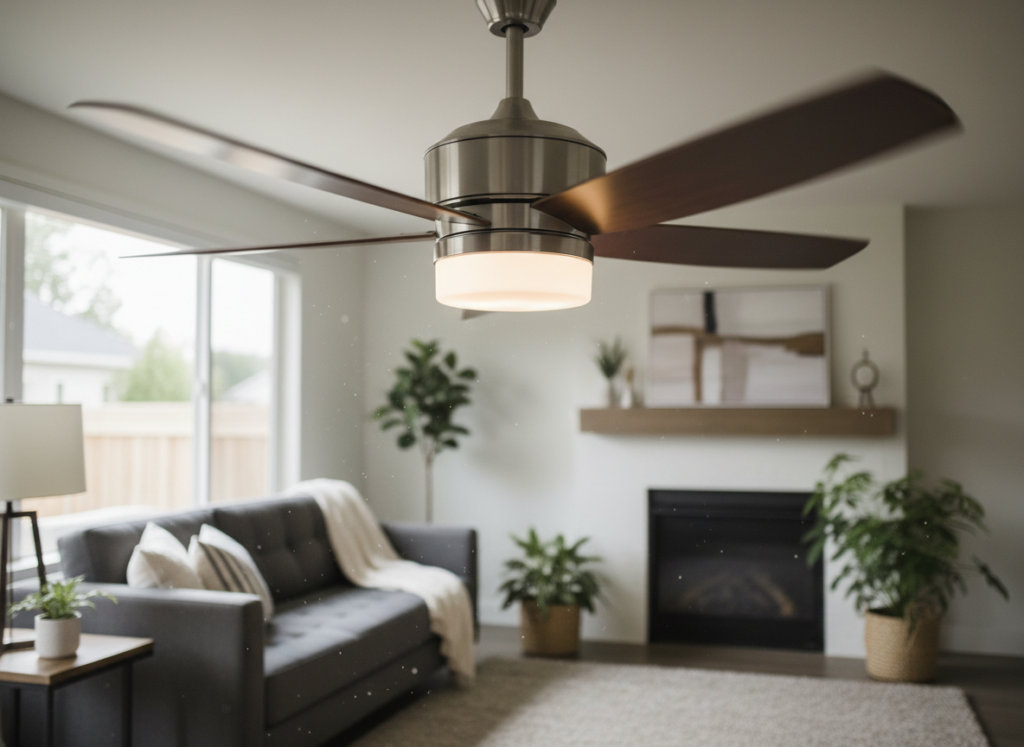
Ceiling fans are another practical addition. In the summer, they create a wind chill effect that makes rooms feel cooler. In the winter, reversing the fan direction pushes warm air down from the ceiling. This simple adjustment can reduce the need to constantly adjust your thermostat.
Invest in Quality Furniture That Stands the Test of Time
One of the biggest contributors to household waste is cheaply made furniture that doesn’t last. Sustainable interior design encourages investing in pieces built with strong joinery and durable materials.
Solid wood frames, reinforced corners, and replaceable cushions extend a piece’s lifespan. Choosing timeless designs rather than fast moving trends also reduces the likelihood you’ll replace items prematurely. Neutral upholstery paired with interchangeable pillows or throws allows you to refresh your look seasonally without buying new furniture.
Secondhand shopping is another powerful strategy. Estate sales, vintage shops, and online marketplaces often feature well built pieces that only need minor updates. Refinishing a dresser or reupholstering dining chairs keeps quality materials in circulation and adds character to your space.
Incorporate Energy Efficient Appliances and Smart Controls
If you’re remodeling a kitchen, laundry room, or home office, energy efficient appliances can significantly reduce long term utility costs. Look for models that meet recognized efficiency standards and provide clear information about electricity and water consumption.
Smart thermostats and lighting controls offer additional savings. These systems learn usage patterns and adjust automatically, which prevents unnecessary energy use when you’re away or asleep. Over time, those small adjustments can make a noticeable difference in monthly utility bills.
For homeowners considering larger investments, improvements such as better insulation, upgraded windows, or even rooftop solar panels can further enhance efficiency. While these upgrades require higher upfront costs, they often increase property value and reduce long term operating expenses.
Embrace Thoughtful Decor and Minimal Waste Styling
Sustainable decorating isn’t about empty spaces or sacrificing personality. It’s about curating with care. Choose décor that has meaning, serves a function, or complements your long term aesthetic.
Indoor plants can improve air quality and bring natural texture into your home. Handmade ceramics, locally crafted artwork, and responsibly produced textiles support small businesses and reduce the environmental impact associated with mass production and overseas shipping.
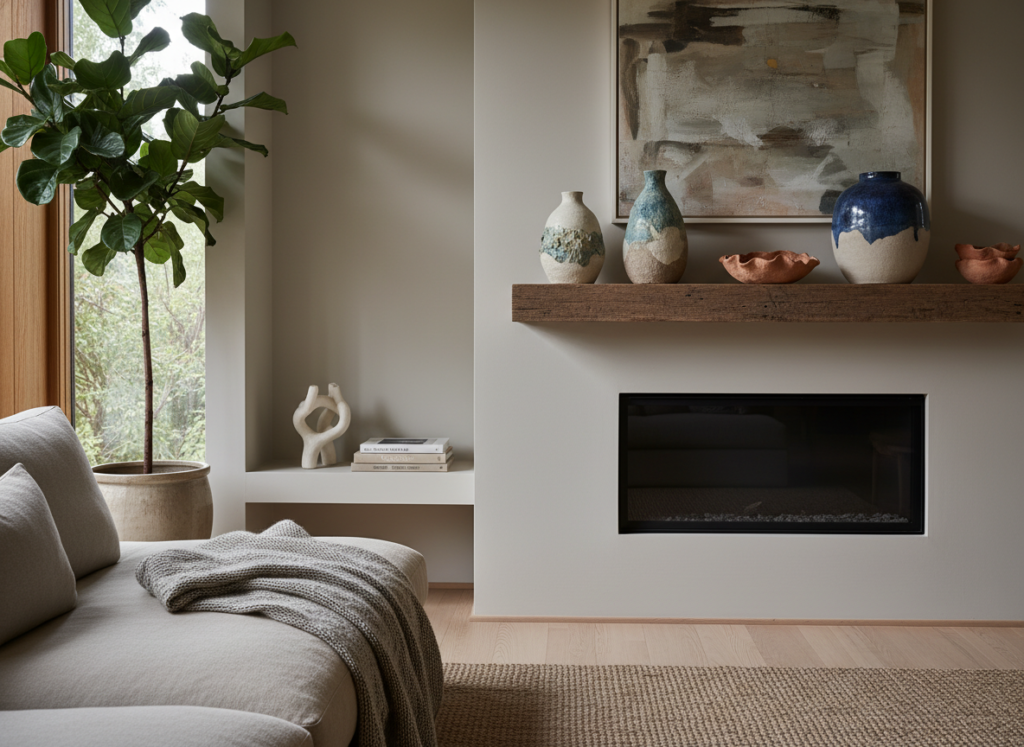
Avoid overdecorating surfaces with disposable seasonal items. Instead, rotate a few versatile pieces throughout the year. This approach keeps your home feeling fresh without contributing to unnecessary clutter or waste.
Create a Long Term Maintenance Mindset
Sustainability doesn’t end after a renovation. Regular maintenance extends the life of materials and furnishings. Clean and reseal natural stone surfaces as recommended. Condition wood furniture periodically to prevent cracking. Replace HVAC filters on schedule to maintain air quality and system efficiency.
When something breaks, explore repair options before replacing it. Many communities across the country now offer repair workshops or local professionals who specialize in furniture restoration and appliance repair. Extending product life cycles reduces landfill waste and protects your investment.
Conclusion
Sustainable interior design blends comfort, efficiency, and thoughtful material choices into a cohesive approach that benefits both your household and the environment. By prioritizing durable materials, low emission finishes, energy efficient lighting, and smart layout decisions, you can create a home that feels welcoming while using fewer resources. Gradually, these improvements don’t just lower utility costs. They contribute to a healthier indoor environment and a more responsible way of living. With careful planning and intentional purchases, your home can reflect your style and your values at the same time.