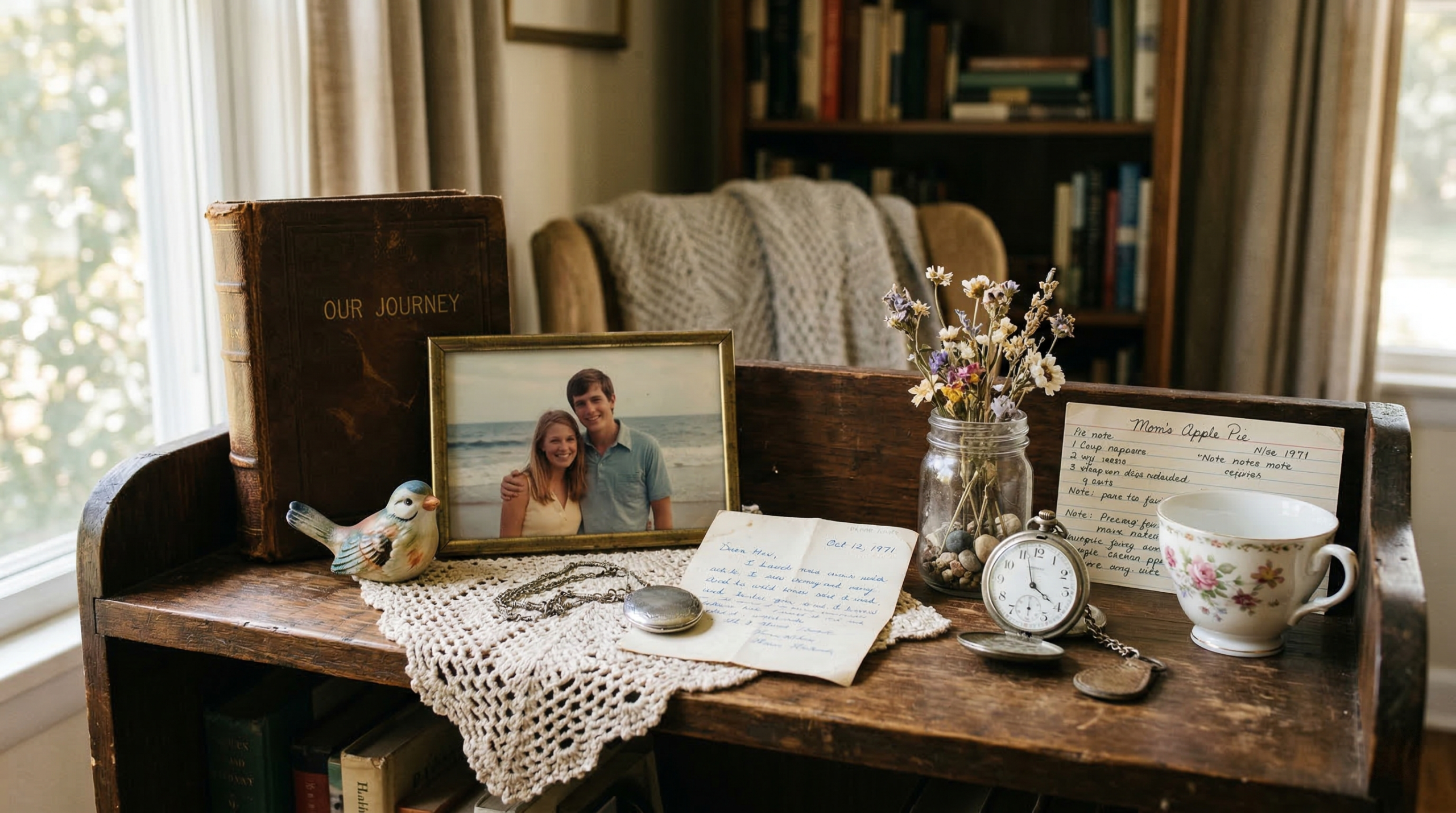
Letting go of sentimental items can be one of the hardest parts of decluttering. These aren’t just objects. They often carry memories, relationships, milestones, and pieces of identity. That’s why the process can feel emotional even when you know a space has become too crowded.
The good news is that you don’t have to be harsh with yourself to make progress. With a gentler approach, it’s possible to honor the meaning behind sentimental belongings, reduce guilt, and create a home that feels lighter, calmer, and more emotionally supportive.
Why Sentimental Clutter Feels So Hard to Release
Sentimental items are different from everyday clutter because they represent more than function. A box of childhood keepsakes, clothes from a loved one, old greeting cards, inherited furniture, or mementos from past chapters of life can all feel deeply personal. In many homes, these items stay untouched for years not because they’re useful, but because they feel emotionally loaded.
For many adults in the United States, home already carries a lot of emotional weight. It’s where family life happens, where memories are stored, and where people often try to hold onto what matters most. That’s why letting go can feel uncomfortable.
It may seem like discarding the object means discarding the memory, the person, or the significance of the experience. In reality, emotional freedom at home often comes from learning that memory and meaning can remain even when the item doesn’t.
1. Start With the Least Emotionally Charged Items
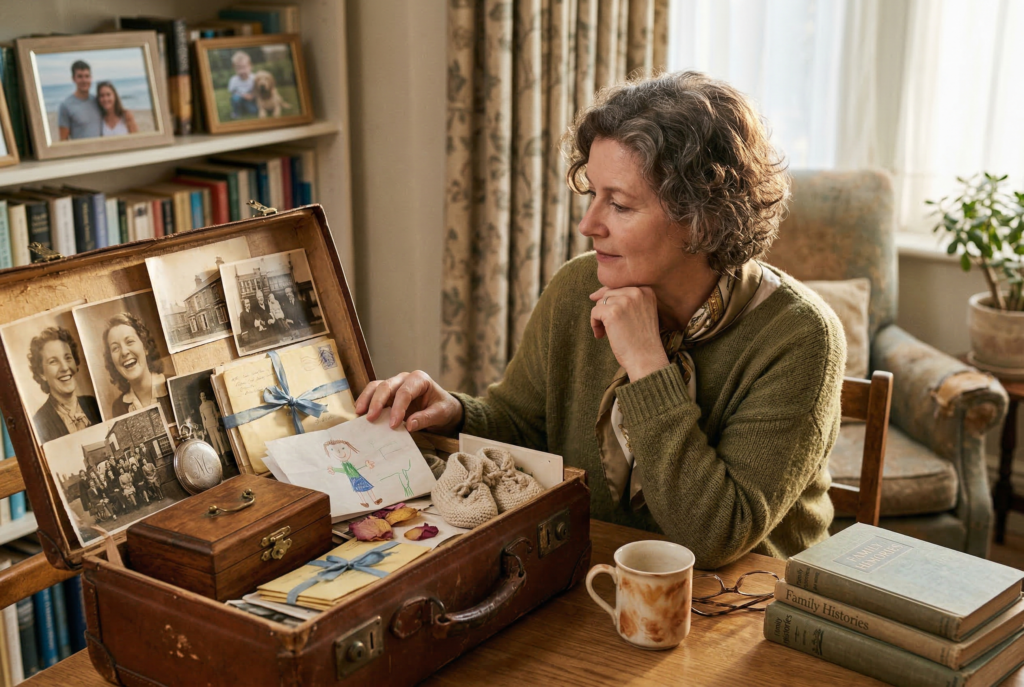
When sentimental decluttering feels overwhelming, it helps to begin with the easiest category instead of the hardest one. That may be old birthday cards from casual acquaintances, duplicate keepsakes from school, or souvenir items that no longer carry strong meaning.
Starting small builds confidence. It also helps you practice making decisions without immediately stepping into the heaviest emotions. Once you’ve had a few successful experiences letting go of lower-stakes items, it usually becomes easier to work through more meaningful categories with greater clarity.
2. Separate the Memory From the Object
One of the most helpful mindset shifts is recognizing that the object isn’t the memory itself. A concert ticket, a baby blanket, or a handwritten note may remind you of a meaningful time, but the experience lives in you, not only in the item.
This distinction matters because many people keep far more than they truly need in order to remember. When you pause and ask yourself what you’re really trying to preserve, the answer is often the feeling, the story, or the connection. Once you see that clearly, it becomes easier to release some physical items while still keeping the memory intact.
3. Keep a Curated Collection Instead of Everything
You don’t have to choose between keeping everything and getting rid of everything. A more balanced approach is to create a carefully edited collection of the most meaningful items. This could be one memory box per child, one bin for family keepsakes, or a small set of items from a loved one that genuinely matter most.
Curating helps sentimental belongings feel intentional rather than overwhelming. It also gives the items you keep more room to breathe. When everything is saved, nothing stands out. When you keep a smaller collection, the most meaningful pieces often become easier to appreciate.
4. Take Photos of Items Before Letting Them Go

Photographing sentimental items can be a powerful middle ground. This works especially well for bulky items, children’s artwork, old letters, inherited furniture, or objects that matter emotionally but no longer fit your space or current life.
A photo preserves the visual reminder without requiring you to keep the physical item forever. You can create digital albums organized by season of life, family member, or memory type.
For many people, this approach provides enough reassurance to let go more comfortably while still feeling that the memory has been honored.
5. Ask What You Want Your Home to Feel Like Now
This process isn’t only tied to memories, but to how you want to live today and move forward. A home filled with too many emotionally loaded objects can begin to feel heavy, crowded, or frozen in old chapters of life. That can make it harder to enjoy the space you’re living in now.
It helps to ask a simple question: how do I want my home to feel today? Peaceful, spacious, welcoming, and functional are common answers. When you use that question as a guide, it becomes easier to decide whether an item supports the life you’re currently living or whether it’s taking up emotional and physical space that you need back.
6. Let Go of Guilt Around Gifts
Gifts can be especially difficult to release because people often feel that keeping the item is part of honoring the giver. But once a gift has been given, its purpose has already been fulfilled. It was meant to express love, thoughtfulness, celebration, or care in a moment.
You aren’t failing anyone by letting go of a gift you don’t use, don’t have room for, or no longer connect with. Holding onto unwanted items out of guilt can quietly create resentment and clutter over time. It’s possible to appreciate the intention behind a gift without keeping it indefinitely. Gratitude and ownership don’t always have to last forever in the same form.
7. Give Yourself Permission to Keep Some Things

Decluttering sentimental items doesn’t mean becoming emotionally detached. Some objects truly are worth keeping because they still bring comfort, joy, or a strong sense of connection. Rather than stripping meaning, the aim is to remove distractions that compete with what truly matters.
Giving yourself permission to keep a thoughtfully chosen set of sentimental belongings often makes the process feel safer and more sustainable. You don’t have to prove anything by letting go of everything. A home can feel calm and organized while still holding warmth, history, and personal meaning.
8. Use a Gentle Decision Framework
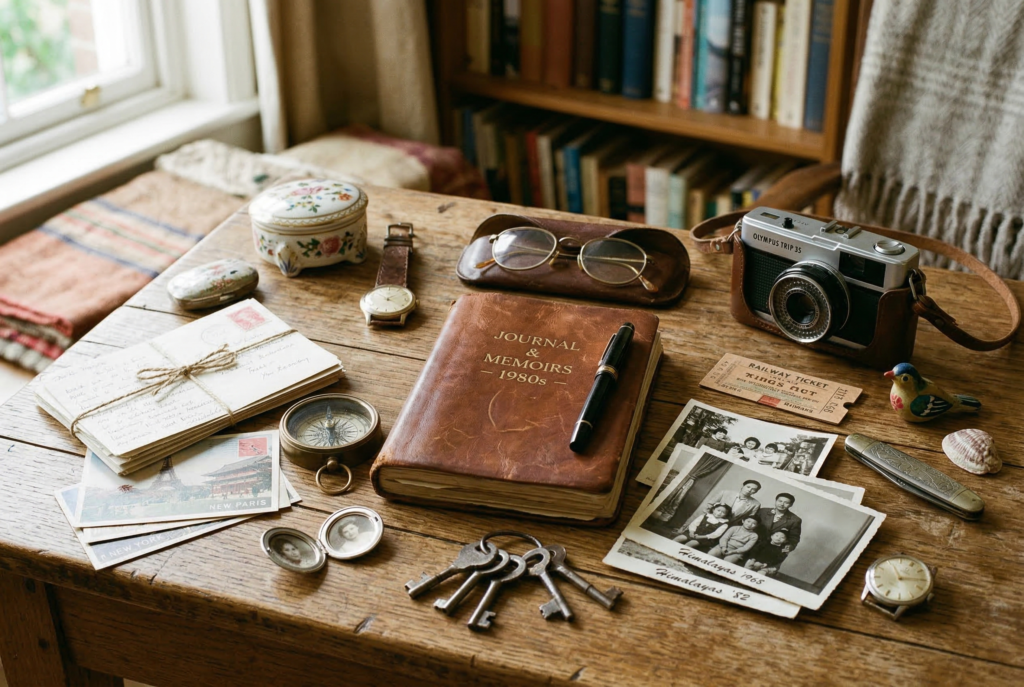
When you’re unsure about an item, it can help to ask a few simple questions. Do I actually treasure this, or do I just feel guilty about it? Would I choose to keep this if I saw it with fresh eyes today? Does it reflect a memory I value deeply, or is it one of many versions of the same thing?
Questions like these can bring clarity without forcing a rushed decision. They help move the process from emotional fog to thoughtful reflection. A gentle framework makes it easier to decide with intention rather than reacting out of guilt or avoidance.
9. Donate or Share Meaningful Items When Appropriate
Sometimes sentimental items are easier to release when you know they’ll be appreciated by someone else. Family heirlooms, books, kitchenware, furniture, or memorabilia may carry more value when they’re used by a relative, a friend, or a community organization than when they’re packed away in storage.
This option won’t fit every item, but when it does, it can make the transition feel more positive. Passing something along can turn letting go into an act of generosity rather than loss. It can also help meaningful things continue to serve a purpose instead of remaining boxed up and unseen.
10. Move Slowly and Respect the Emotional Process
There’s no prize for rushing through sentimental decluttering. In fact, going too fast often creates regret, exhaustion, or avoidance. Emotional items need a different pace than everyday clutter. It’s perfectly reasonable to sort them in short sessions, pause when feelings come up, and return when you feel more grounded.
Taking things slowly doesn’t hold you back, it gives space to process what you’re going through. That care often leads to better decisions and more lasting results. Gentle decluttering tends to create deeper peace because it respects both your memories and your current needs.
How Emotional Freedom at Home Begins
Emotional freedom at home often starts when the space around you stops pulling you backward all the time. This doesn’t require erasing meaningful memories, but allowing your space to support the person you’ve become.
When sentimental clutter is reduced thoughtfully, the home can begin to feel more open and restorative. The memories that matter most are still there, but they’re no longer buried under guilt, excess, or indecision. That shift can create a surprising sense of relief, especially in rooms that once felt emotionally crowded.
Conclusion
Letting go of sentimental items without guilt is a gradual process, and it deserves patience. These belongings often carry real meaning, which is exactly why a gentle approach works best. By starting small, curating what you keep, taking photos, releasing gift guilt, and moving at a thoughtful pace, you can make room for both memory and peace.
A calmer home doesn’t require erasing the past. It simply asks you to be more intentional about what comes with you into the present. Over time, that intention can help create emotional freedom at home, giving you more space to breathe, live, and enjoy what truly matters.