

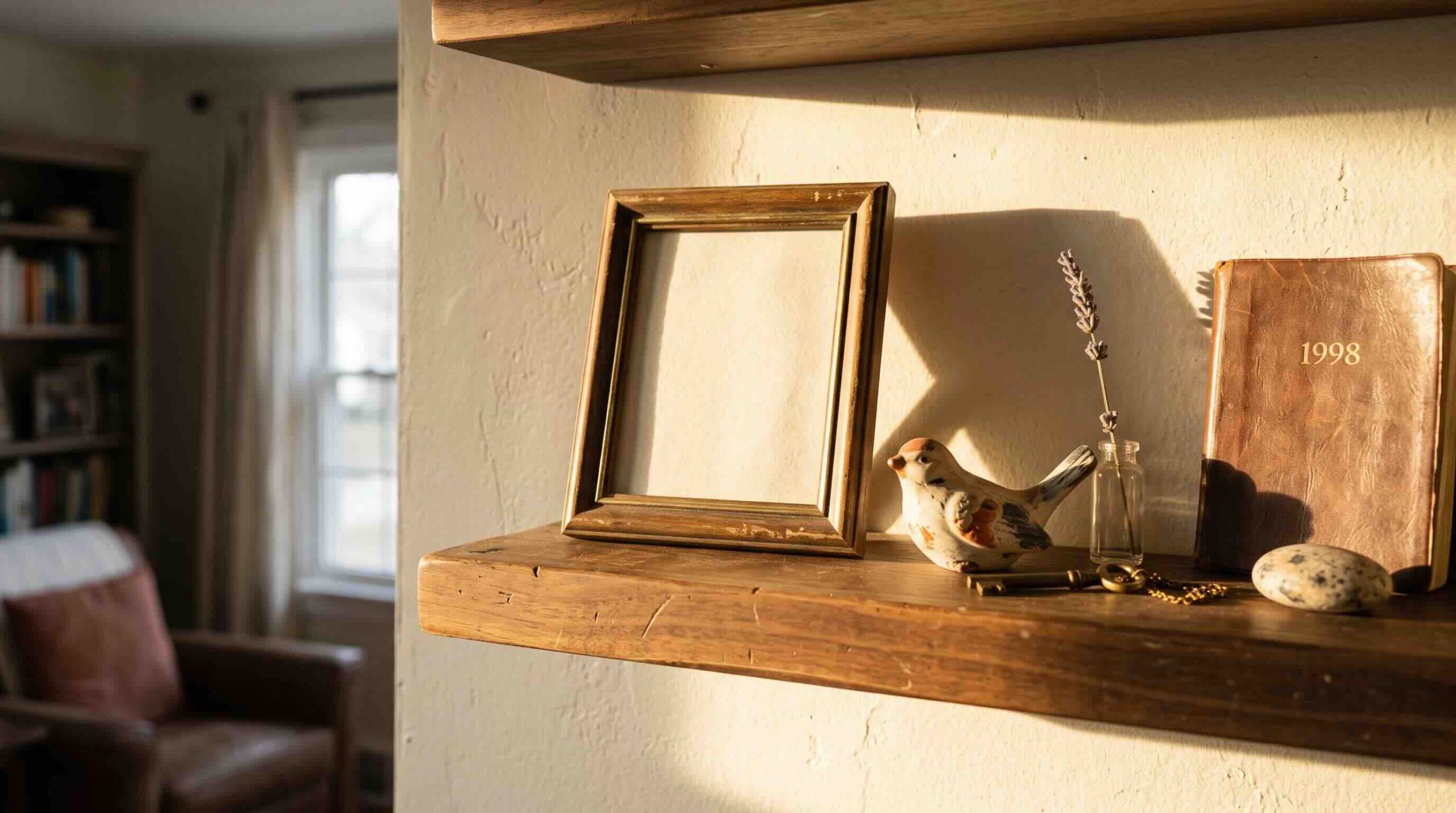
Sentimental clutter can be some of the hardest clutter to deal with. These objects carry memories, relationships, milestones, and pieces of life you don’t want to forget. That’s exactly why letting go can feel so emotional. Still, keeping every meaningful item often leads to crowded storage, disorganized rooms, and a home that feels heavier than it needs to. With a thoughtful approach, it’s possible to declutter sentimental items with care, keep what truly matters, and create a home that feels more manageable and peaceful.
Why Sentimental Clutter Feels So Difficult to Let Go
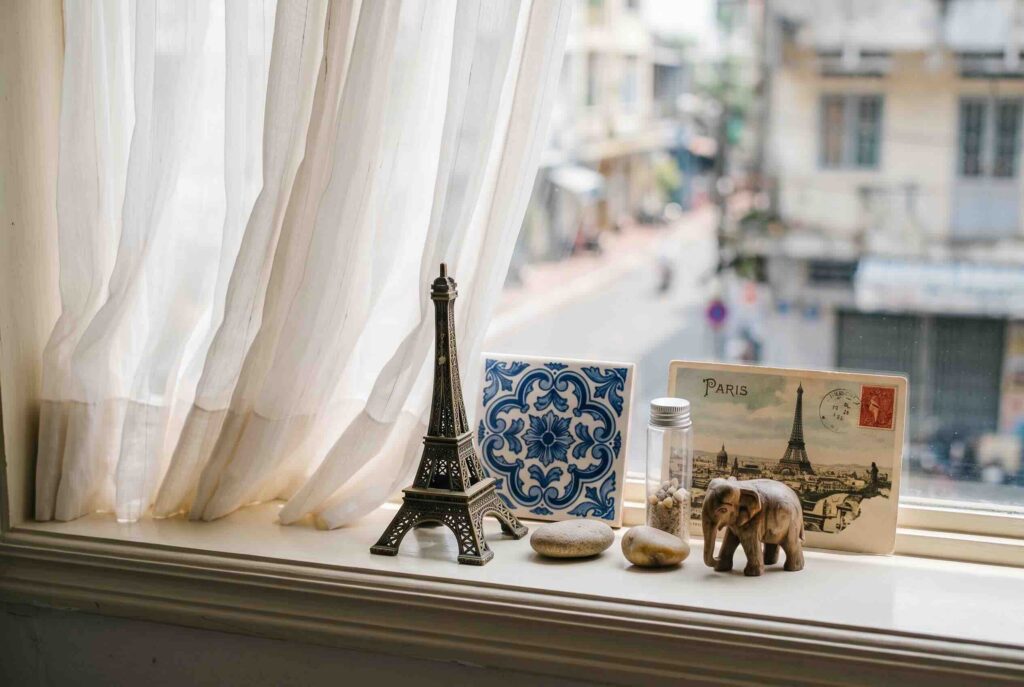
Decluttering ordinary household items is usually more straightforward. You can ask whether you use it, need it, or have space for it. Sentimental items are different because their value isn’t practical. Their value is emotional.
A box of childhood artwork, a collection of old greeting cards, a parent’s belongings, vacation souvenirs, baby clothes, or inherited furniture may all carry a story. Letting go of any of it can feel like you’re losing the memory itself. For many people, there’s also guilt involved. They worry they’re being disrespectful, ungrateful, or too detached if they decide not to keep everything.
But memories don’t live only inside objects. A home that’s overfilled with emotional clutter can make it harder to enjoy the items that truly matter. Decluttering sentimental items thoughtfully allows those meaningful pieces to stand out instead of getting buried in excess.
1. Start With the Least Emotional Items First
When decluttering sentimental belongings, starting with the most emotionally intense category usually backfires. If you begin with a late parent’s belongings or your child’s first-year keepsakes, the process can quickly become overwhelming.
It’s often better to begin with easier items that still have meaning but don’t carry the same emotional weight. That might include old postcards, duplicate photos, souvenir mugs, or saved event programs. Starting small helps you build confidence and make clearer decisions before moving into more personal categories. This also gives you time to notice your patterns. You may find that many sentimental items matter for the same reason, which can help you keep the best examples instead of every version.
2. Separate the Memory From the Object
One of the most helpful mindset shifts is learning to separate the memory from the physical item. The object may remind you of a person, season of life, or special event, but it isn’t the memory itself.
A concert ticket stub, an old birthday card, or a childhood trophy may trigger warm feelings, but you don’t necessarily need to keep every item to preserve your connection to the past. Sometimes simply pausing to reflect on why an item matters gives you enough closure to let it go. This approach can be especially useful when you’re sorting through inherited items or belongings from earlier stages of life. You’re allowed to remember someone fondly without keeping every object connected to them.
3. Choose a Defined Space for Keepsakes
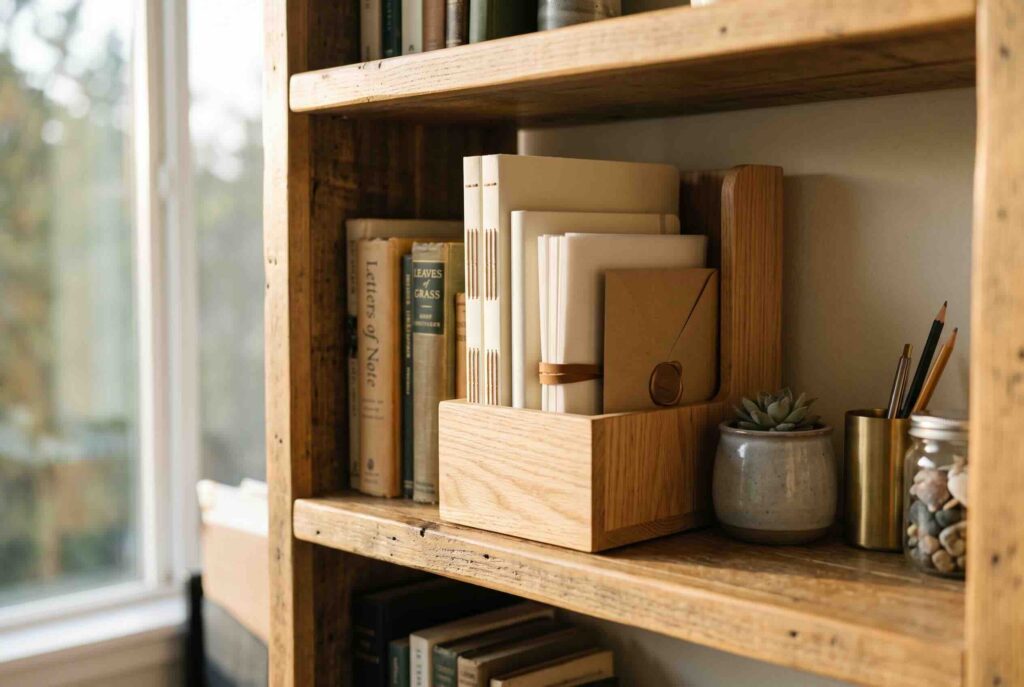
Sentimental clutter becomes much easier to manage when you set physical limits. Instead of letting these items spread across multiple closets, drawers, storage bins, and garage shelves, choose one defined space for them.
That could be a memory box, one storage tote, a file bin for paper keepsakes, or a single shelf in a closet. The aim is to set a realistic boundary so the collection stays intentional, instead of trying to get rid of everything. This works well in homes where storage space is limited, which is common for apartments, smaller houses, and busy family homes. When sentimental items have a designated home, they’re less likely to create hidden clutter throughout the rest of the house.
4. Keep the Best, Not the Most
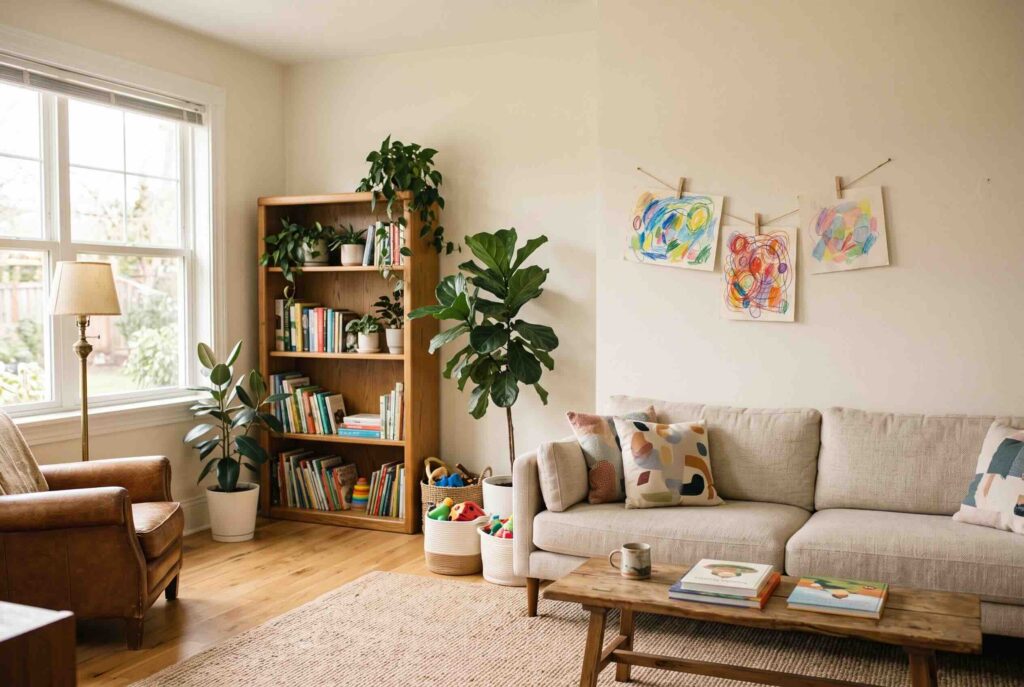
A lot of sentimental clutter builds up because people save every version of something instead of the most meaningful examples. That’s especially common with children’s artwork, school papers, travel souvenirs, wedding keepsakes, and family photographs.
You don’t need to keep every drawing your child made in elementary school to preserve that season of life. You can save a few favorites that best capture their personality, age, or milestones. The same goes for collections of cards, letters, or inherited decorative objects. Often, a small curated selection feels more special than a large, crowded collection. Keeping the best items also makes it more likely that you’ll revisit and appreciate them instead of storing them away indefinitely.
5. Take Photos of Items You Don’t Have Room to Keep
Some sentimental items are difficult to store because they’re bulky, fragile, or impractical, even when the memory behind them still matters. In those cases, taking a photo can be a strong alternative.
This is especially helpful for childhood furniture, baby clothes, inherited household items, or collections that no longer fit your space or lifestyle. A photo allows you to preserve the visual memory without requiring ongoing storage. You can even create a digital album for sentimental belongings you’ve chosen to let go of. For many people, this step reduces guilt significantly. It creates a middle ground between keeping everything and losing the memory altogether.
6. Let Go of Guilt About Gifts and Inherited Items
Gifts and inherited belongings often carry a particular kind of emotional pressure. People feel obligated to keep them because they came from someone they love, someone who has passed away, or someone who once spent money or thoughtfulness on them.
But receiving a gift doesn’t mean you’re required to keep it forever. The purpose of the gift was fulfilled when it was given and received. The same is true for inherited items. You can appreciate the person, the relationship, and the history without holding onto every object.
This can be a difficult truth to accept, especially in families where keepsakes are passed down across generations. Still, your home has to function for your current life. Keeping only what you can use, display, or genuinely cherish is a healthier way to honor both the item and your space.
7. Create a Simple Memory Ritual During Decluttering
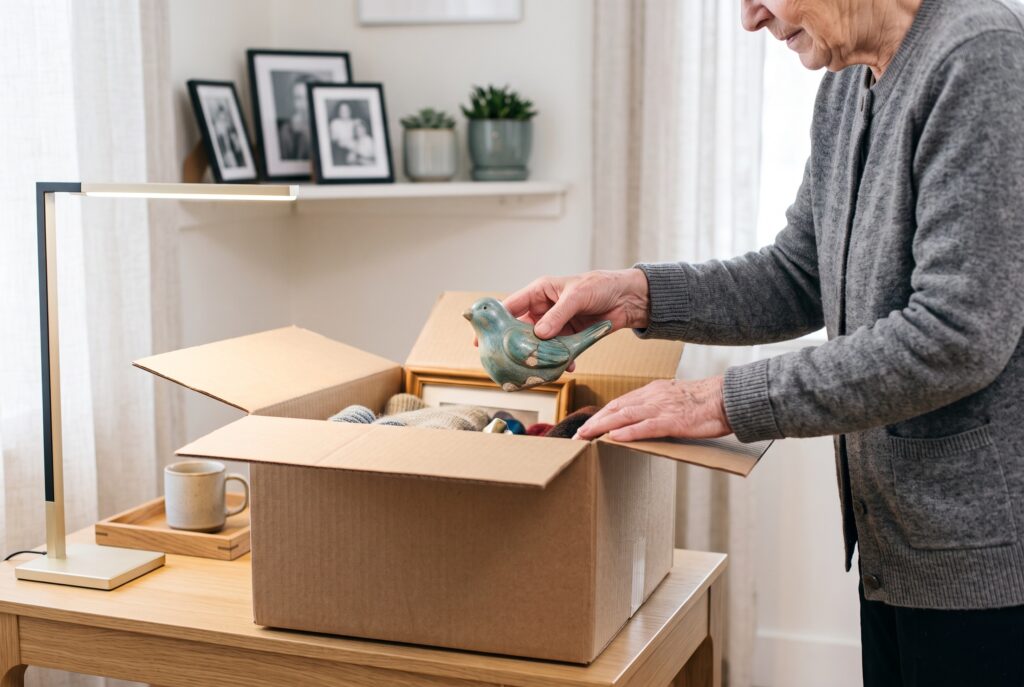
Sometimes what makes it hard to let go is the feeling that the decision is too abrupt. A simple memory ritual can help make the process feel more respectful and emotionally manageable.
Before donating, recycling, or discarding a sentimental item, pause for a moment. Hold it, remember where it came from, and acknowledge why it mattered. You might say a few quiet words, write down the memory, or share the story with a family member. That small act can help you process the item before letting it go. This is especially meaningful when decluttering after a loss, a move, or a major life transition. It slows the process down just enough to make it feel intentional instead of harsh.
8. Don’t Keep Items Out of Fear Alone
Some sentimental clutter stays because of fear rather than love. People worry they’ll regret letting something go, forget an important memory, disappoint a family member, or lose a part of their identity.
While those feelings are understandable, fear isn’t always the best reason to keep an item. A home filled with things you’re afraid to release can start to feel more stressful than comforting. Gradually, that emotional weight affects how your home functions and how you feel inside it. Ask yourself whether the item brings warmth, meaning, or real joy, or whether you’re only keeping it because parting with it feels uncomfortable. That distinction can make decisions much clearer.
9. Revisit Sentimental Storage Regularly
Sentimental decluttering usually isn’t a one-time event. What feels impossible to let go of today may feel different a year from now. As life changes, your perspective changes too.
Revisiting keepsake storage once or twice a year can help you refine what you truly want to keep. You may discover that some items no longer feel as meaningful, while others stand out more clearly. This kind of gentle review prevents emotional clutter from quietly growing again.
It also helps ensure that the sentimental items you keep still reflect your values, relationships, and current space. A curated collection of meaningful belongings is much easier to store, appreciate, and pass down thoughtfully if you choose to do so.
How to Make Sentimental Decluttering Feel More Manageable
The emotional side of decluttering deserves patience. It helps to work in short sessions instead of trying to tackle everything at once. Even thirty minutes can be enough when you’re dealing with meaningful items. Choose one category, one box, or one drawer at a time.
It’s also important to give yourself permission to keep some things. The goal is to stay thoughtful and intentional, rather than detached or ruthless. A well-organized home still has room for memory, family history, and personal meaning. The difference is that those items are chosen carefully instead of stored out of habit, pressure, or avoidance. A slower approach usually leads to better decisions. When you aren’t rushing, you can sort with more clarity and less emotional exhaustion.
Conclusion
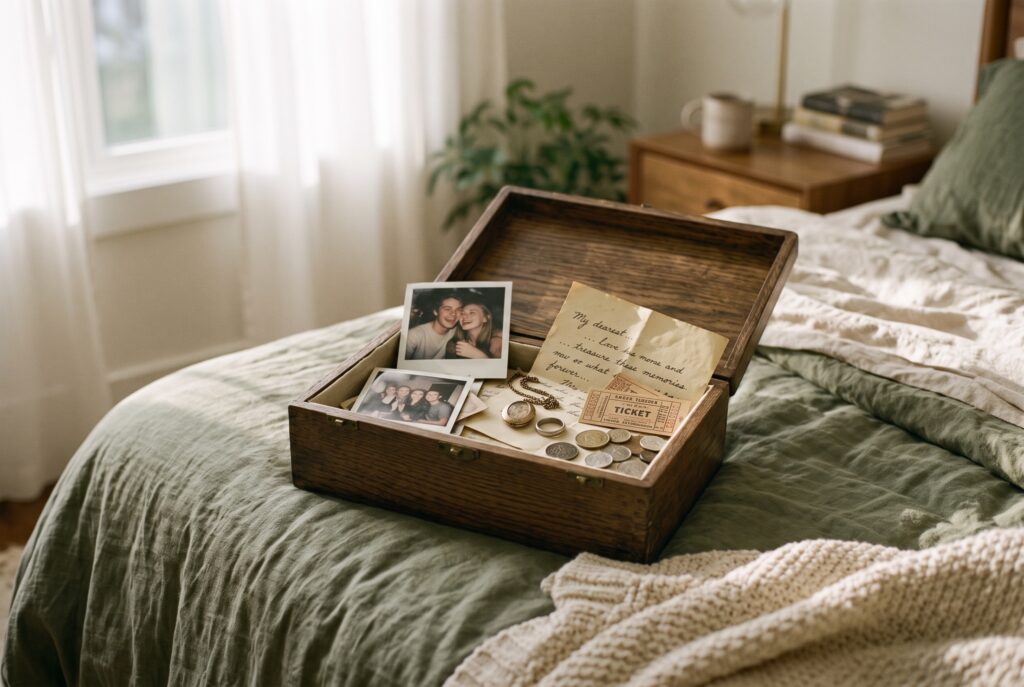
Decluttering sentimental items can be one of the most personal parts of organizing a home. These objects often carry deep emotional weight, which is why the process takes more care than an ordinary cleanout. By starting small, setting boundaries, keeping the best examples, and letting go of guilt, you can reduce emotional clutter without feeling like you’re erasing the past.
A more organized home doesn’t require you to part with everything meaningful. It simply asks you to make room for what matters most. When sentimental items are stored with intention and chosen with care, they become easier to appreciate and far less likely to overwhelm your space.