
A home that smells fresh can make everyday life feel more comfortable, welcoming, and calm. But lasting freshness usually doesn’t come from covering odors with heavy artificial scents. In most cases, the real difference comes from removing the sources of unpleasant smells, improving airflow, and using simple natural habits that help your home stay cleaner throughout the day. With a few practical changes, you can create a space that smells clean in a way that feels light, healthy, and easy to maintain.
1. Open Windows Regularly to Improve Airflow
One of the simplest ways to make your home smell fresher naturally is to let stale air out and bring fresh air in. Indoor air can trap cooking smells, pet odors, laundry dampness, and everyday household buildup much more easily than many people realize. Even a clean-looking home can start to smell stuffy when air isn’t circulating well.
Opening windows for a short period each day can help clear that out. In many homes, even ten to fifteen minutes of airflow in the morning can make a noticeable difference. If outdoor conditions allow, open windows in more than one room to create cross-ventilation.
This helps move air through the house instead of just cracking one window and hoping for the best. Natural airflow is especially helpful after cooking, showering, cleaning, or doing laundry. It’s one of the easiest habits to build, and it supports the whole house instead of masking one area at a time.

2. Tackle Odor Sources Instead of Covering Them Up
A fresh-smelling home starts with identifying what’s actually causing odor. Air fresheners may seem helpful at first, but they often layer scent on top of the problem instead of solving it. If you want your house to smell clean all day, it helps to deal with the source directly.
Common odor sources include trash cans, food scraps, sink drains, damp towels, pet bedding, shoes, overfilled laundry baskets, upholstered furniture, and forgotten leftovers in the fridge. These areas don’t always look dirty, but they can quietly affect how the whole home smells.
When you address the source early, the home stays fresher with much less effort. Empty the trash before it overflows, rinse food residue from the sink, wash pet items regularly, and don’t let damp fabrics sit too long. These small habits do more for a naturally fresh home than strong scented sprays ever will.
3. Keep Soft Surfaces Clean Because They Hold Smells
Fabric surfaces absorb odors very easily. Rugs, curtains, throw blankets, couch cushions, pet beds, and upholstered chairs can all trap cooking smells, body odors, dust, and general household air over time. When these surfaces aren’t cleaned often enough, the room may start to smell stale no matter how often you tidy up.
Wash what you can on a regular schedule, including blankets, pillow covers, slipcovers, and pet bedding. Vacuum rugs and upholstery consistently, especially in homes with children or pets. If a fabric item can’t be machine washed, airing it out outside or near an open window can still help. This matters because people often focus only on hard surfaces when they’re trying to freshen a home. But soft materials hold scent longer, and keeping them clean makes the air feel cleaner too.
4. Use Baking Soda in the Right Places
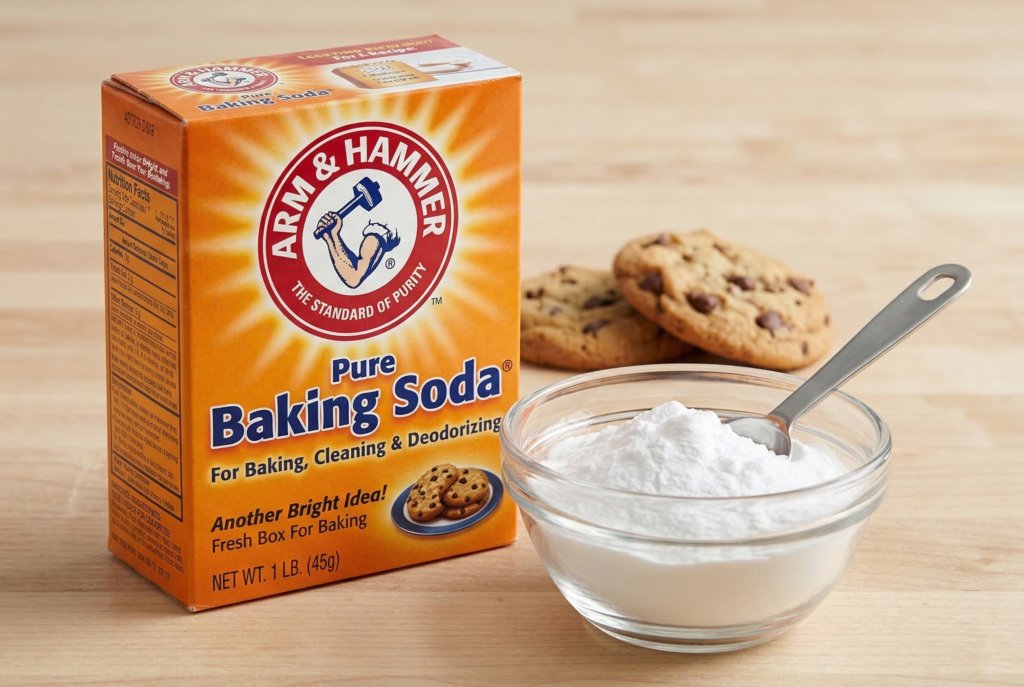
Baking soda remains one of the most useful natural odor absorbers for a reason. It’s inexpensive, easy to use, and effective in spots where smells tend to linger quietly in the background. You can place a small open container in the fridge, sprinkle it lightly on carpets before vacuuming, or use it inside trash cans and shoe storage areas.
It can also help freshen upholstered furniture and mattresses when used carefully. Sprinkle a light layer, let it sit briefly, and vacuum it thoroughly. This won’t replace deep cleaning, but it can help reduce mild odor buildup between more thorough cleanings.
The benefit of baking soda is that it helps absorb odor instead of adding another scent to the room. That makes it especially useful for people who want a home to smell naturally clean rather than heavily perfumed.
5. Simmer Natural Ingredients for a Light, Clean Scent
If you enjoy a noticeable scent in your home, simmering natural ingredients on the stove can be a simple way to create it without relying on synthetic sprays. A small pot of water with sliced citrus, cinnamon sticks, rosemary, cloves, or vanilla can give the house a clean, gentle fragrance that feels warmer and more natural than many commercial products.
This works especially well before guests arrive or when you want the house to feel refreshed after cooking. Just keep the heat low and monitor the pot carefully so the water doesn’t evaporate. You can also change the ingredients depending on the season. Citrus and herbs tend to feel bright and fresh, while cinnamon and cloves feel cozier in cooler months. This method adds scent in a way that feels subtle and homey. It doesn’t replace cleaning, but it can complement a clean space beautifully.
6. Clean the Kitchen Sink, Drain, and Garbage Disposal Often
The kitchen is one of the biggest odor zones in any home, and the sink area is often a hidden culprit. Food particles, grease, coffee grounds, and residue from dishes can collect in the drain or garbage disposal and create smells that spread farther than expected.
To keep the kitchen smelling clean, rinse the sink well after meals, wipe it dry when possible, and clean the drain area regularly. If you have a garbage disposal, cleaning it with ice, citrus peels, or a mild natural cleaner can help reduce odor buildup. Avoid letting wet food scraps sit too long, especially in warm weather. A clean sink makes a surprising difference because kitchen odors tend to affect nearby living spaces too. When the sink area stays fresh, the whole home often feels cleaner.
7. Wash Towels, Sponges, and Cleaning Cloths Before They Smell
Some of the items meant to keep your home clean can actually make it smell worse when they aren’t changed often enough. Dish sponges, kitchen towels, bath towels, mop heads, and reusable cleaning cloths can all develop unpleasant odors quickly, especially if they stay damp.
Replace or wash these items more often than you think you need to. Kitchen towels should be changed regularly, bath towels should be fully dried between uses, and sponges shouldn’t be kept past the point where they start to smell. Cleaning cloths should also be laundered thoroughly instead of reused too many times.
This matters because stale-smelling cleaning items can transfer odor back onto surfaces. Fresh tools help your home smell cleaner because they aren’t reintroducing the very smells you’re trying to remove.
8. Freshen Entryways and Shoes Before Odors Spread

Entryways often collect shoes, bags, jackets, sports gear, and all the outside smells that come home with them. Since this area acts as a transition point, it can affect the first impression of the whole house. Shoes in particular can create odor fast, especially when stored in tight spaces without airflow.
A simple routine helps here. Let shoes air out when needed, clean the floor regularly, and avoid allowing damp items to pile up near the door. A washable mat, an open shoe rack, or a tray that’s cleaned often can make a real difference. You can also use baking soda in shoe storage areas to absorb odor more naturally. When the entryway stays fresh, it helps prevent outdoor smells and daily clutter from spreading deeper into the home.
9. Add Natural Fragrance With Houseplants and Herbs
Houseplants won’t make a dirty home smell clean, but they can contribute to a fresher indoor atmosphere when paired with good cleaning habits and airflow. Some plants and fresh herbs bring a subtle natural scent while also making a room feel more lively and cared for.
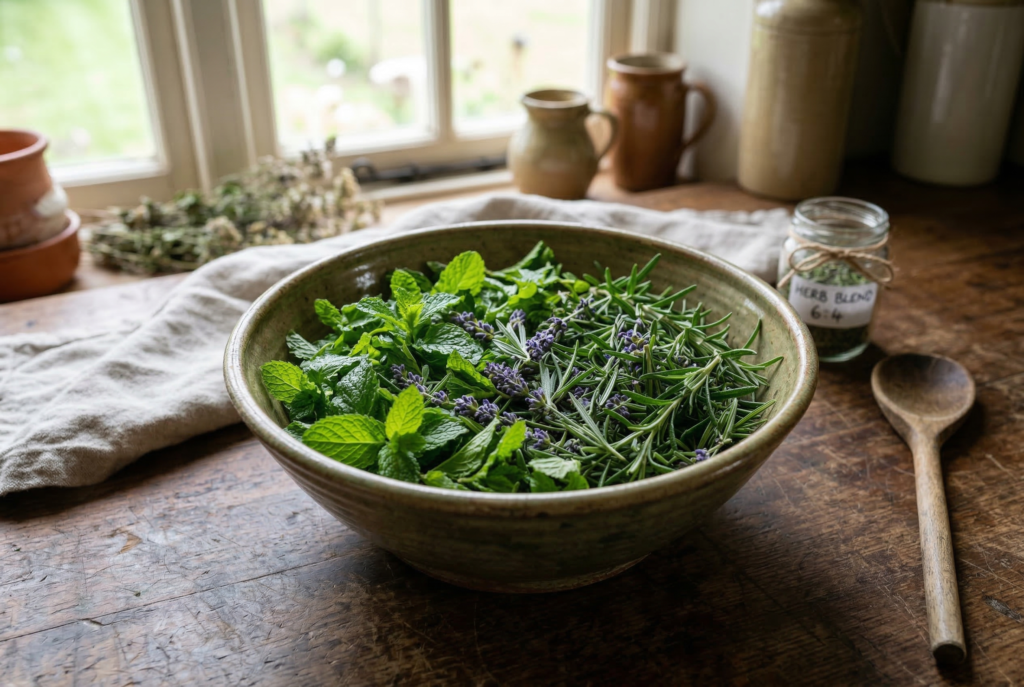
Herbs like mint, rosemary, and lavender can work especially well in kitchens or sunny window areas. Eucalyptus is another popular choice for a crisp, clean feel, especially in bathrooms or laundry spaces. Even when the scent is light, greenery can make the environment feel fresher simply because it adds a natural element to the room. This approach works best as part of a larger routine. It won’t solve odor problems alone, but it can help create a home that feels naturally pleasant and inviting.
10. Build a Daily Reset That Keeps Odors From Building Up
The best way to keep your home smelling fresh all day is to stop odor buildup before it starts. That usually comes down to a few consistent habits rather than one dramatic solution. A short daily reset can be enough to make a lasting difference.
This reset might include emptying the trash, loading the dishwasher, wiping down the sink, opening a window, starting a load of towels, picking up pet items, or checking for damp laundry that needs attention. None of these tasks are complicated, but together they help the home stay fresh in a way that lasts.
A naturally clean-smelling home usually reflects a home that’s being lightly maintained on a regular basis. When those small habits become part of your routine, freshness becomes much easier to keep.

Conclusion
Making your home smell fresh and clean naturally doesn’t require overpowering sprays or complicated products. In most homes, the biggest improvements come from better airflow, cleaner soft surfaces, fresher fabrics, and daily attention to the small areas where odors tend to build up. Once those basics are in place, gentle natural scents like citrus, herbs, or simmered spices can add another layer of comfort without overwhelming the space.
The most effective approach is usually the simplest one. Remove odor sources, keep moisture under control, wash the fabrics and cleaning tools that hold smells, and build a few easy habits into your day. In the long run, those practical steps can help your home smell cleaner, lighter, and more inviting from morning to night.