

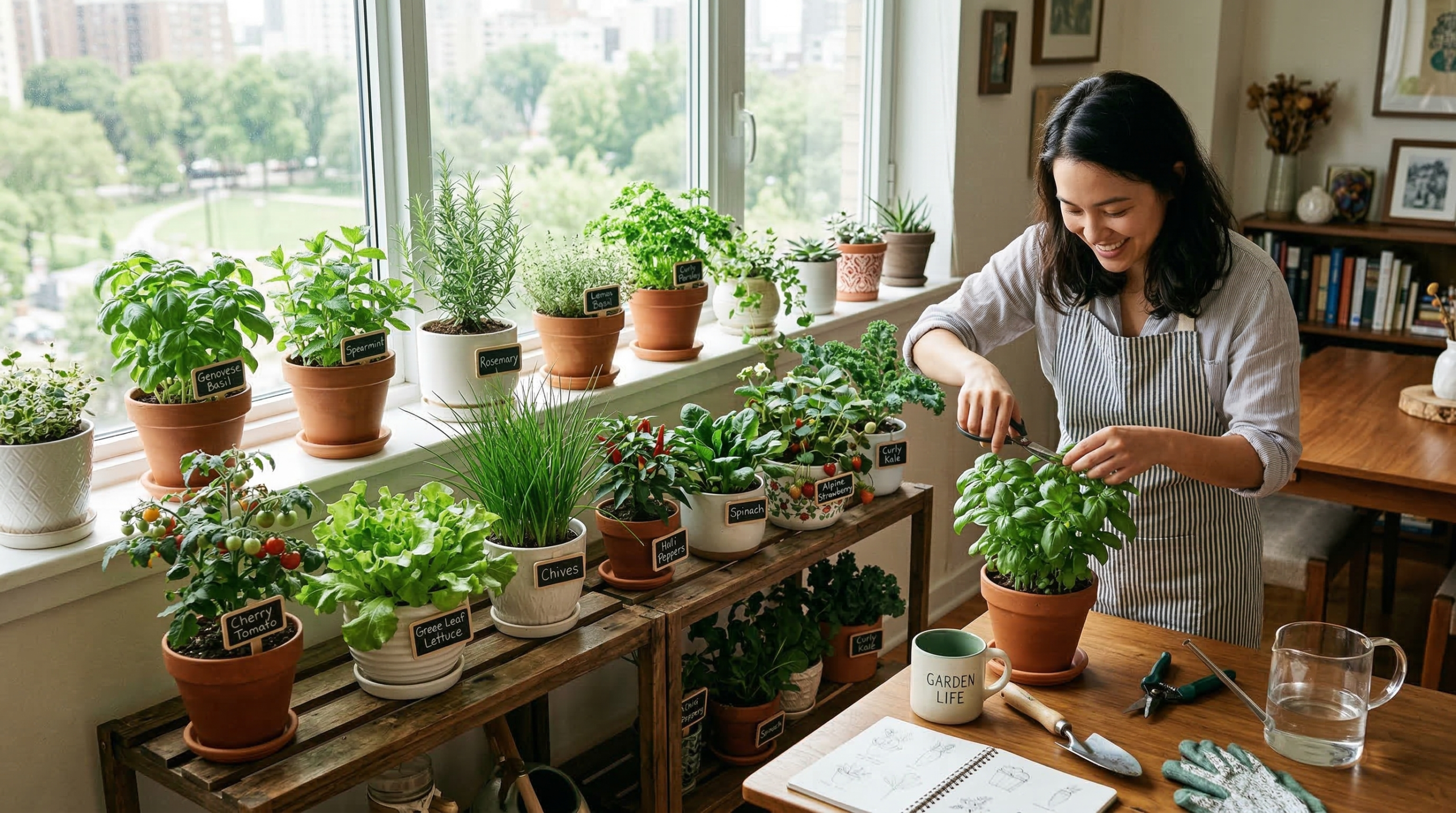
Indoor gardening offers an easy and rewarding way to bring nature into your home, whether you live in a small apartment or a spacious house. Growing your own herbs and vegetables can be a fulfilling hobby that adds beauty, flavor, and even health benefits to your living space. In this article, we’ll share simple tips to help you successfully grow herbs and veggies indoors, no matter your experience level or the size of your space.
1. Choose the Right Plants for Your Indoor Space
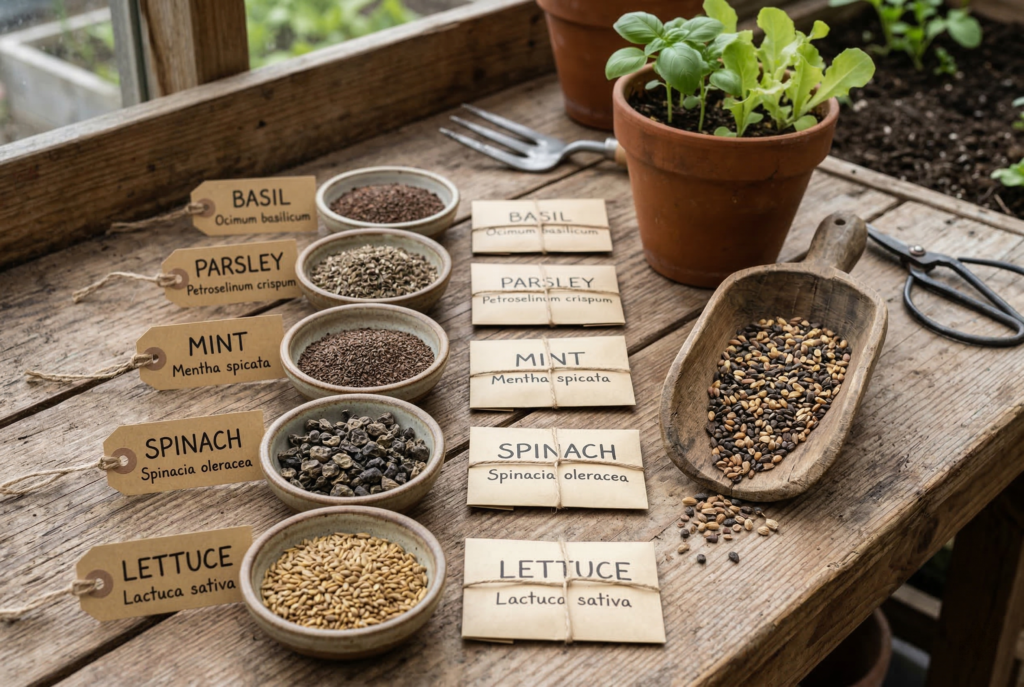
Before you get started with indoor gardening, it’s important to select the right plants for your environment. Some plants thrive indoors, while others need specific conditions that might be difficult to replicate inside.
Best Indoor Plants for Beginners
If you’re new to indoor gardening, it’s best to start with plants that are easy to grow and require minimal care. Popular choices for beginners include herbs such as basil, parsley, and mint, as well as leafy greens like spinach and lettuce. These plants don’t require a lot of space, and they grow well in pots on windowsills or countertops.
For more experienced gardeners, compact fruiting crops like dwarf tomatoes and peppers are possible indoors, but they need a strong grow light and hand pollination, since there are no bees inside to do the job.
Factors to Consider for Plant Selection
When choosing plants, consider the following factors:
- Light: Sun-loving herbs like basil, rosemary, and thyme need the brightest spot you have, while leafy greens such as lettuce, spinach, and parsley can manage with a little less. Fruiting crops like tomatoes and peppers need the most light of all and usually a grow light indoors.
- Space: In small apartments or homes, compact plants like herbs or small vegetables are ideal. Consider using wall planters, hanging baskets, or shelves to save space.
- Temperature: Most herbs and greens grow best at normal room temperatures, roughly 60–75°F. In winter, keep pots away from cold, drafty window glass at night and away from heating vents, which dry plants out quickly.
Quick Guide: Easy Herbs and Greens to Grow Indoors
Use this table as a starting point. Times are approximate and vary with light, temperature, and variety.
| Plant | Light | Watering | Best way to start | First harvest |
|---|---|---|---|---|
| Basil | 6–8 hours of sun or 14–16 hours under a grow light | Keep evenly moist | Seeds or starter plant | About 4–6 weeks from seed |
| Mint | 4–6 hours of sun or bright indirect light | Keep evenly moist | Starter plant or cutting | Within a few weeks of planting |
| Parsley | About 6 hours of sun | Keep evenly moist | Starter plant (seeds are slow) | About 10–12 weeks from seed |
| Cilantro | 4–6 hours of sun | Keep evenly moist | Seeds, sown every few weeks | About 3–4 weeks from seed |
| Chives | About 6 hours of sun | Let the top inch dry | Starter plant or seeds | About 8 weeks from seed |
| Rosemary and thyme | 6–8 hours of sun | Let the soil dry between waterings | Starter plant | Once the plant is established |
| Lettuce | 4–6 hours of sun or 12–14 hours under a grow light | Keep evenly moist | Seeds | Baby leaves in about 3–4 weeks |
| Microgreens | Bright window or grow light | Keep moist | Seeds on a shallow tray | About 7–14 days |
| Green onions | Bright window | Keep roots moist | Regrow from store-bought root ends | New shoots in about a week |
2. Use the Right Containers and Growing Medium
Selecting the correct containers and soil is crucial for healthy indoor plants. Proper drainage and the right growing medium can prevent issues like root rot and poor growth.
Containers for Indoor Plants
When it comes to containers, ensure they have drainage holes to allow excess water to escape. If you’re growing herbs or smaller vegetables, consider using shallow containers or window boxes. Larger plants, like tomatoes or peppers, will need deeper pots that provide enough space for root growth. If you’re short on space, try using stackable or self-watering planters that make maintenance easier and reduce the amount of watering needed.
Choosing the Right Soil
For most indoor plants, use a well-draining potting mix designed for container plants. Avoid using garden soil, as it can be too heavy and may cause drainage issues. For herbs, a lightweight mix is ideal, while vegetables may benefit from a more nutrient-rich soil. If you’re sowing seeds, a fine, light seed-starting mix gives tiny roots the easiest start.
Potting mix runs out of nutrients after a few weeks, so feed herbs and greens with a balanced liquid fertilizer at half strength every 2–4 weeks while they’re actively growing.
3. Master Indoor Lighting for Healthy Growth
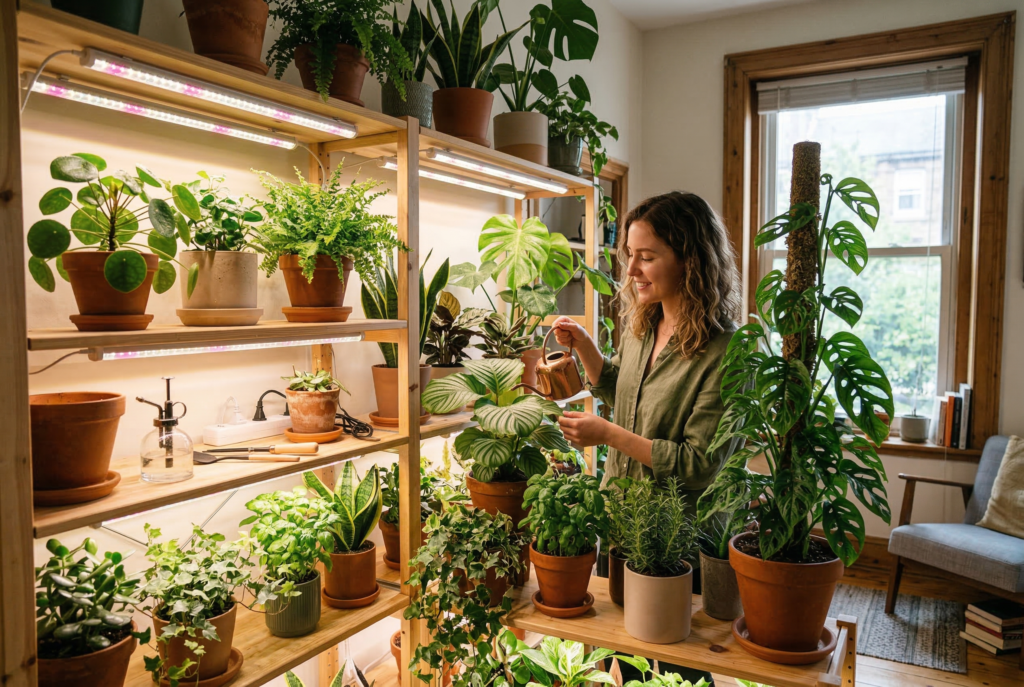
Light is one of the most critical factors for growing plants indoors. Most herbs and vegetables need at least 6 hours of direct sunlight per day, or 12–16 hours under a grow light, and without it, they may become leggy or fail to thrive.
>>> 25 Galley Kitchen Ideas: How to Remodel for a High-End Look
Natural Light vs. Artificial Light
If your home has plenty of natural light, place your plants near windows that receive direct sunlight. South- and west-facing windows are typically the best for most plants. If your home has limited sunlight, consider investing in grow lights, which provide the specific spectrum of light plants need to grow.
LED grow lights are energy-efficient and can be adjusted to mimic the different phases of plant growth. Keep the lights about 12 to 18 inches away from your plants, and aim for 12-16 hours of light per day, depending on the plant species. In winter, when days are short, most windowsill herbs grow noticeably better with a grow light, even in a south-facing window.
If you’d rather not piece a setup together, countertop hydroponic kits with a built-in light and timer are the simplest way to grow herbs and lettuce year-round. See our What to Buy guides for product picks.
Tips for Maximizing Natural Light
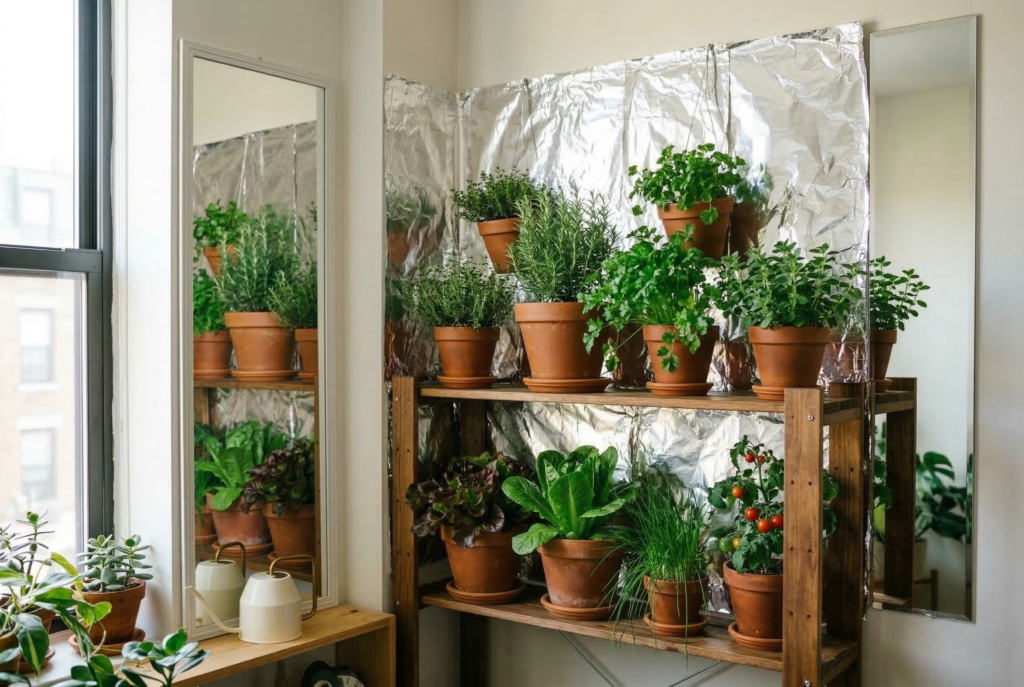
To maximize the natural light your plants receive, use reflective materials such as mirrors or aluminum foil around your plants. This can help bounce additional light onto the plants. Additionally, rotate your plants every week to ensure that all sides of the plant get even exposure.
4. Proper Watering and Humidity Control
Watering is one of the most critical aspects of indoor gardening, and it’s easy to either overwater or underwater your plants. How often to water depends on the plant: Mediterranean herbs like rosemary, thyme, and oregano prefer to dry out a little between waterings, while basil, mint, parsley, and leafy greens like soil that stays evenly moist but never soggy. Either way, check the soil moisture before adding water.
How to Water Your Indoor Plants
For best results, use a watering can with a narrow spout to water your plants evenly. Stick your finger into the soil up to an inch deep; if it feels dry, it’s time to water. Ensure that the water drains from the bottom of the pot, but don’t let your plants sit in standing water. For larger plants, consider using a moisture meter to help you determine when to water.
Humidity Control for Happy Plants
Indoor air can become dry, especially in the winter months when the heat is running. Most herbs and greens handle normal household humidity, but very dry air can stress plants and make them more prone to spider mites. Grouping plants together or running a small humidifier nearby helps the most. Pebble trays and occasional misting raise humidity only slightly and briefly, so don’t rely on them alone.
5. Maximize Space with Creative Indoor Gardening Solutions
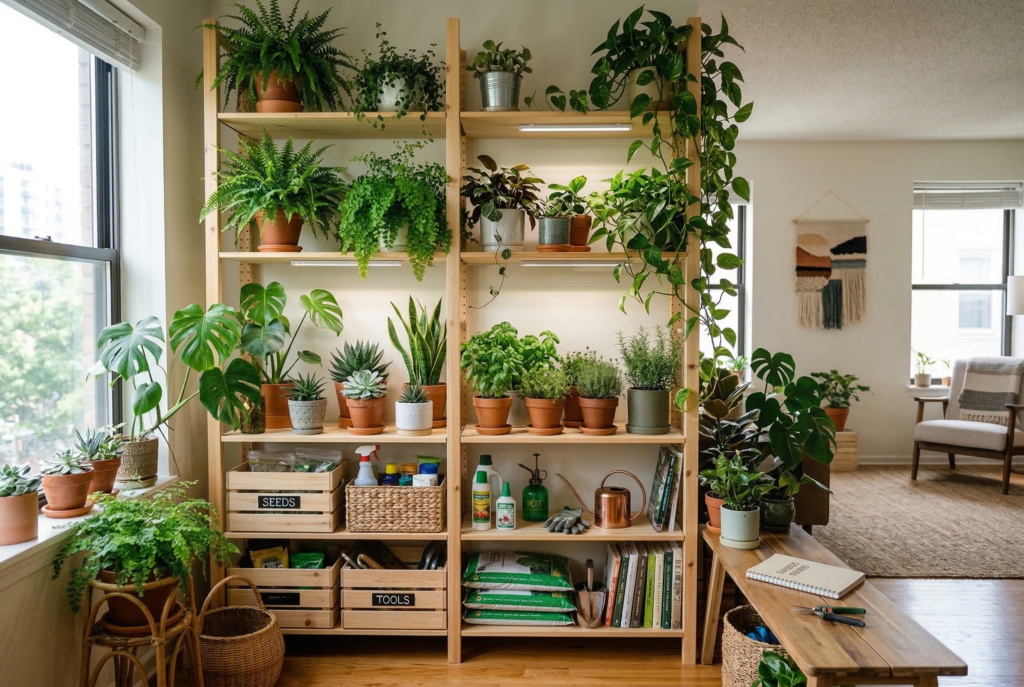
Whether you live in a small apartment or a larger home, making the most of your space is key to successful indoor gardening. There are plenty of ways to grow plants even in tight spaces.
Vertical gardening is an excellent solution for maximizing space. Install shelves along walls, or use wall-mounted planters to create a garden that doesn’t take up floor space. You can also use a vertical garden tower to grow herbs and small vegetables in a compact area.
Consider multi-purpose furniture that incorporates planters, such as tables or shelving units with built-in plant spaces. This helps you save room while adding a natural, green touch to your living space.
6. Troubleshooting Common Indoor Gardening Problems
Even experienced gardeners run into issues with their indoor plants. From pests to poor growth, it’s important to know how to address common indoor gardening challenges.
Common indoor plant pests include aphids, spider mites, and mealybugs. The best way to manage pests is to inspect your plants regularly and remove any affected leaves or stems. Natural solutions like neem oil or insecticidal soap are effective in managing pests without the need for harsh chemicals. On herbs and greens you plan to eat, choose a product labeled for edible plants, follow the label, and rinse leaves well before using them.
If you notice your plants’ leaves turning yellow, it could be a sign of overwatering, underwatering, or nutrient deficiency. Check the soil moisture, and make sure your plants are getting the right amount of light. If the issue persists, consider adding a balanced fertilizer to provide essential nutrients.
7. Grow Fresh Produce Indoors
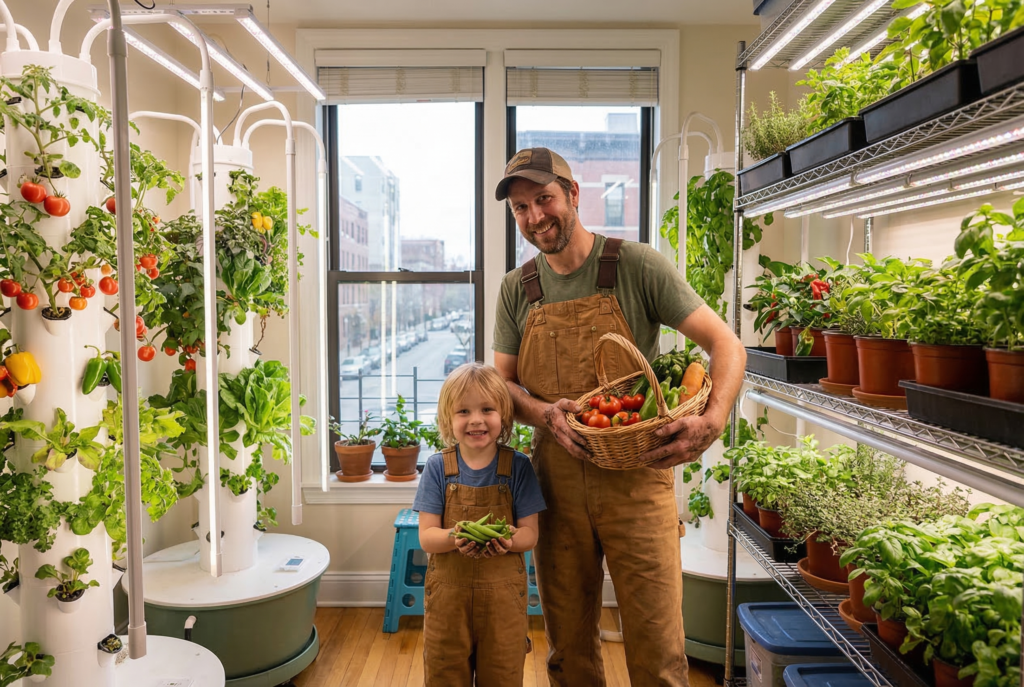
One of the most exciting benefits of indoor gardening is the ability to grow your own fresh produce. Herbs, leafy greens, and even vegetables can thrive indoors with the right care.
Starting an Herb Garden
Herbs are among the easiest plants to grow indoors. Consider starting with popular herbs like basil, mint, cilantro, and parsley. Place them on your windowsill or in a small container garden. Not only will you have fresh herbs for cooking, but they’ll also add a lovely aroma to your home.
Buying small starter plants gets you harvesting within weeks, while growing from seed is cheaper and works well for basil, cilantro, lettuce, and microgreens. When you harvest, pinch or snip stems just above a pair of leaves, which pushes the plant to grow bushier. With basil, pinch off flower buds as soon as they appear to keep the leaves coming, and sow cilantro every few weeks, since it tends to bolt quickly.
Growing Vegetables Indoors
If you have a bit more space and want to grow veggies indoors, start with salad greens, microgreens, or green onions, which are fast and forgiving. Tomatoes and peppers can be grown indoors year-round only with a strong grow light, dwarf varieties bred for containers, and hand pollination, either with a small brush or by gently shaking the flowers. Use a large pot or indoor greenhouse, and be sure they get plenty of light.
Frequently Asked Questions
What are the easiest herbs to grow indoors?
Basil, chives, mint, and parsley are the most forgiving choices for beginners. Mint is easiest from a starter plant, while basil grows quickly from seed.
Do indoor herbs need a grow light?
Not always, but most herbs need at least 6 hours of direct sun. In winter, or if your only windows face north or east, a grow light running 12–16 hours a day makes a big difference.
How often should I water indoor herbs?
Check the soil instead of following a fixed schedule. Water basil, mint, and parsley when the top inch starts to dry, and let rosemary and thyme dry out a little more between waterings.
Can you grow vegetables indoors in winter?
Yes. Salad greens, microgreens, and green onions grow well indoors in winter, especially under a grow light. Tomatoes and peppers are possible but need strong light and hand pollination.
Conclusion: Enjoy the Benefits of Indoor Gardening
Indoor gardening is a wonderful way to bring nature into your home, enhance your living space, and enjoy fresh, homegrown food all year round. By choosing the right plants, providing adequate lighting and water, and using creative space-saving techniques, you can easily create a thriving indoor garden. Whether you’re a beginner or an experienced gardener, indoor gardening offers a wealth of benefits, from improving mental well-being to enjoying homegrown herbs and veggies in your meals.