


Rent is only the headline number on a renter’s monthly budget. Knowing what bills do you pay when renting an apartment, on top of that rent, is what separates a budget that holds up from one that comes up short every month. Beyond rent, most renters cover electricity, water, internet, insurance, and a handful of recurring fees, and the totals add up faster than people expect. This Home Tips Daily guide lists them all with average US costs so you can plan for the real number, not just the rent.
Costs here are national-average estimates that vary by location, usage, and lease. This is general budgeting information, not financial advice.
What Bills Do You Pay When Renting an Apartment? (Quick List)
Here is the short version before the detail: rent plus a stack of utilities, insurance, and situational fees. The table sorts the common ones by who usually pays and whether rent tends to cover them.
| Bill | Avg. US monthly cost | Usually paid by | Often included in rent? |
| Electricity | ~$144 (EIA, 2026) | Tenant | Rarely |
| Gas / heating | Varies by heat source | Tenant | Sometimes |
| Water and sewer | ~$49 (EPA, 2026) | Tenant or landlord | Often |
| Trash and recycling | Low, often bundled | Landlord or city | Often |
| Internet and cable | ~$75 (ValuePenguin, 2026) | Tenant | Rarely |
| Renter’s insurance | ~$15 to $30 (ValuePenguin, 2026) | Tenant | No |
| Parking | Varies by location | Tenant | Sometimes |
| Pet rent | ~$25 to $50 (RentCafe, 2026) | Tenant | No |
Utility Bills You Pay When Renting
Utilities are the core of your monthly bills, and most fall to the tenant unless the lease says otherwise. These four are the ones nearly every renter deals with.
Electricity
Electricity is usually the largest utility bill, averaging around $144 a month nationally (U.S. Energy Information Administration [EIA], 2026), though your bill swings with climate, apartment size, and how much you run heating and cooling. Older buildings and electric heat push it higher. Small habits and the right settings trim it more than people think, which our guide on how to reduce your electric bill in an apartment walks through in detail.
Gas / Heating
If your apartment heats with natural gas, or has a gas stove or water heater, expect a separate gas bill that spikes in winter and eases in summer. The amount tracks your climate and how the unit is heated, so a cold-winter city costs far more than a mild one. Some buildings fold gas into the rent, so check your lease.
Water and Sewer
Water and sewer averages around $49 a month (Environmental Protection Agency [EPA], 2026), and it is one of the bills landlords more often include or split, since many buildings are not individually metered. When you do pay it, your usage is the main driver. Ask whether it is billed separately or bundled before you sign.
Trash and Recycling
Trash and recycling is usually a small charge, and it is frequently covered by the landlord or the city rather than billed to you directly. In some buildings it shows up as a flat monthly fee. It rarely moves a budget much, but confirm who pays it so nothing surprises you.
Other Recurring Bills When Renting an Apartment
Past the core utilities, a set of situational bills catches renters off guard, and they add up. Which ones apply depends on your building, your car, and your pets.
- Internet and Cable: Internet is close to essential, averaging about $75 a month for a standard home plan (ValuePenguin, 2026), and it usually falls to the tenant to arrange. Cable is increasingly optional as people move to streaming. Shop providers when you move in, since introductory rates and bundles differ a lot.
- Renter’s Insurance: Renter’s insurance runs roughly $15 to $30 a month and is often required by the lease, since it covers your belongings and liability rather than the building itself (ValuePenguin, 2026). It is inexpensive for the protection it provides. Many landlords ask for proof of a policy before handing over the keys.
- Parking: Parking is a common add-on in cities, charged as a monthly fee for a garage spot or permit, while suburban buildings more often include it. Costs vary sharply by location. If you have a car, factor it in before signing rather than after.
- Pet Rent: If you have a pet, many leases charge monthly pet rent, often around $25 to $50, on top of a one-time pet deposit or fee (RentCafe, 2026). It is separate from your security deposit and usually nonrefundable. Confirm the full pet cost up front, since deposits and monthly rent stack.
- Amenity, Laundry, and Storage Fees: Newer buildings often add amenity fees for a gym, pool, or lounge, plus charges for on-site laundry or a storage unit. These differ building to building and are easy to miss on a tour. Add them up, because a few small monthly fees become real money over a year.
>>> See more: How to Separate Dining and Living Room in Small Apartment: 8 Ways
Which Bills Are Included in Rent?
Some listings advertise “utilities included,” but the phrase means different things in different leases, so do not assume. Sometimes it covers only water and trash; sometimes it includes heat or even electricity. The only way to know is to read the lease and ask exactly which bills are covered, which is one of the questions to ask before signing a lease.
How to Budget for Rent and Bills
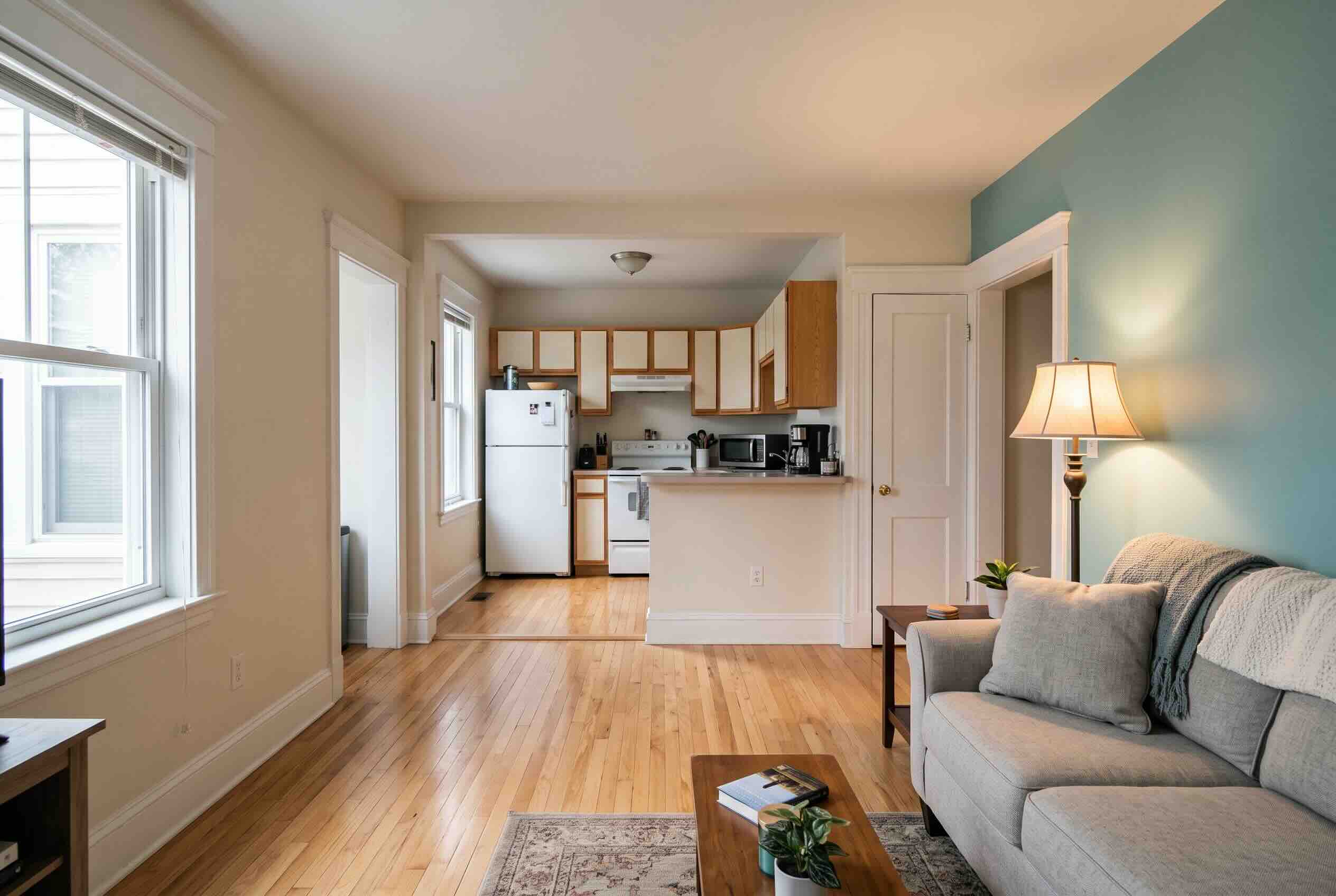
Budgeting for an apartment means starting from the all-in cost, not the rent alone. Once you know what bills do you pay when renting an apartment, the budget becomes simple addition and a percentage:
- Add up rent plus every bill: Total the base rent with your estimated utilities, insurance, and any recurring fees to get the real monthly number.
- Apply the 30 percent rule: A common guideline keeps housing at or below 30 percent of your gross income (National Apartment Association [NAA], 2026), so run your all-in total against that ceiling, not just the rent.
- Build in a buffer: Utilities swing with the seasons, so budget for a high-usage month rather than an average one to avoid a winter surprise.
A quick example: on $4,000 a month gross, the 30 percent ceiling is about $1,200, so rent plus bills should stay under that. If your bills run near $290, that leaves roughly $900 for rent.
Frequently Asked Questions
Do you pay bills before or after moving in?
Some start before move-in, since you often set up and sometimes prepay utilities or a deposit so service is on by day one. Rent and most recurring bills then run monthly from your start date. Set up electricity and internet a few days ahead so nothing lapses.
Is renter’s insurance required by law or by landlords?
Not by law, but landlords increasingly require it in the lease, and it is worth carrying regardless. It covers your belongings and liability cheaply. If your lease requires it, you will usually need proof before getting the keys.
What’s the cheapest way to keep apartment bills low?
The cheapest answer to what bills do you pay when renting an apartment is to attack the biggest one first, usually heating and cooling, then shop your internet plan and bundle where it helps. Small habits on electricity and water add up over a year. Confirming what your rent already includes keeps you from paying for the same thing twice.
How much should I earn to afford rent plus bills?
A common benchmark is earning about three times the all-in housing cost, or keeping housing under 30 percent of gross income. Because bills stack on top of rent, base the math on the total rather than the rent alone.
What happens if you don’t pay a utility bill while renting?
The service can be shut off, late fees build, and it can hurt your credit, since a utility in your name is your responsibility. If the landlord pays it and you reimburse them, missing it can breach your lease. Contact the provider early if you are struggling to pay.
Are bills cheaper in an apartment than a house?
Usually yes, since apartments are smaller and share some systems, so heating, cooling, and water tend to cost less than in a comparable house. Fees like amenities or parking can offset part of that saving, though.
Conclusion
The real cost of an apartment is rent plus everything that quietly rides alongside it. Once you total up what bills do you pay when renting an apartment, from electricity and water to internet, insurance, and the recurring fees, the monthly figure often lands well above the rent on the listing. Confirm what your lease includes before you sign, run the all-in total against the 30 percent rule, and no bill catches you off guard.