

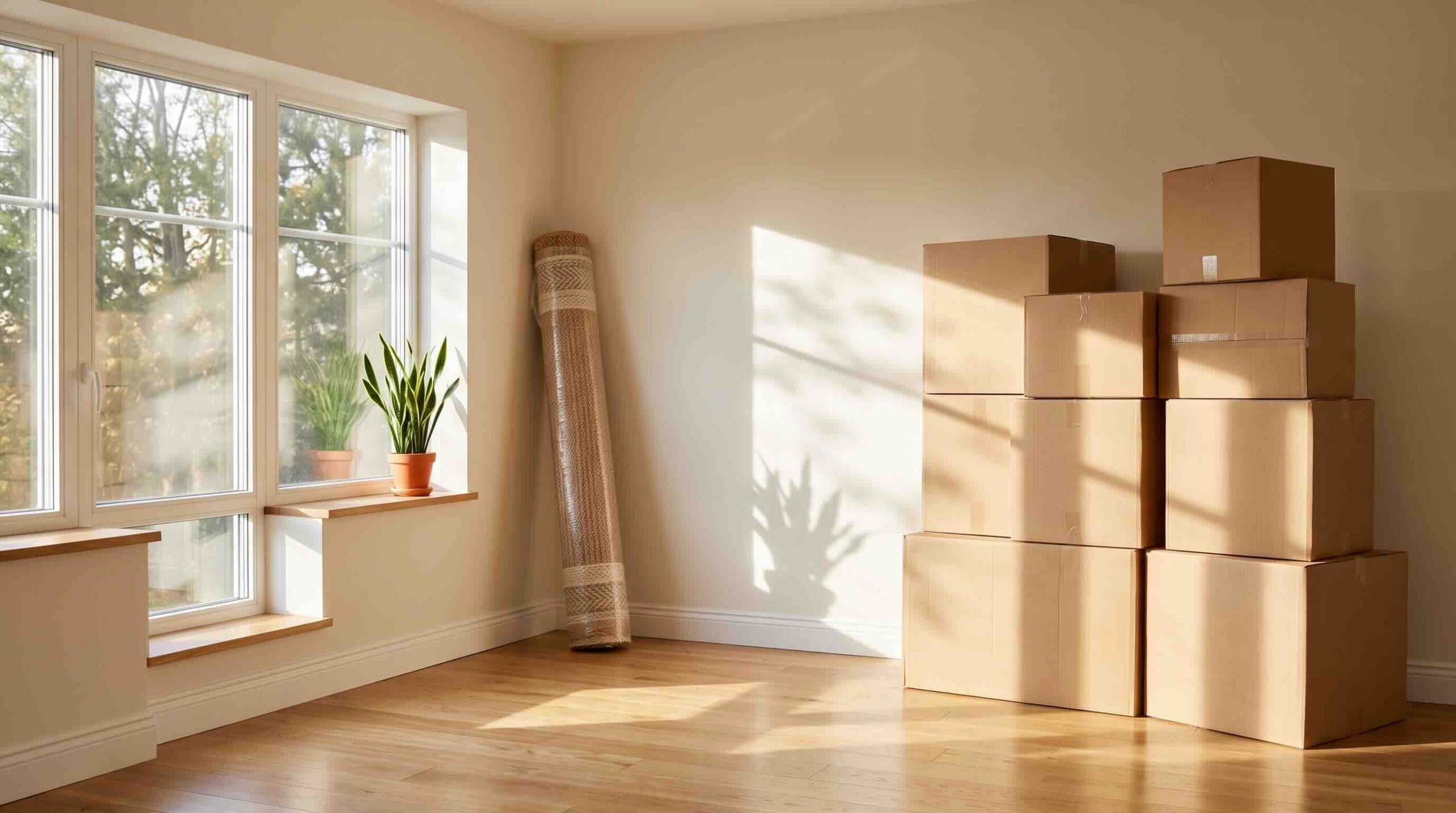
A good apartment move-in checklist quietly does two jobs at once: it protects the deposit you just handed over, and it gets a bare unit livable before the boxes swallow your evenings. This Home Tips Daily guide relies on strict order, starting with documentation before moving a single box, handling utilities, and finally unpacking. Following this sequence helps you sidestep lost deposits and the frustration of living out of cardboard boxes for a month.
Before You Get the Keys (Pre-Move Checklist)
The smoothest move-in days are set up a week or two earlier, while you still have time to fix a missed detail. Handle the logistics below before key day so nothing essential is scrambling for attention once you are standing in an empty apartment. Skipping any of these quick steps tends to surface problems at the worst possible moment.
- Confirm your move-in date, time, and any building rules for elevators or loading zones with the landlord or manager.
- Set up utilities and internet to start on or before move-in day, since scheduling an installation later can leave you dark for a week.
- Buy renters insurance, which many leases require anyway and which costs little for the coverage it gives.
- File a USPS change of address, then notify your bank, employer, and any subscriptions so nothing important goes to the old place.
- Book movers or a truck and reserve the freight elevator if the building has one, especially for a weekend slot.
- Confirm the locks were changed or rekeyed after the last tenant, and ask for every key, fob, and mailbox key you are owed.
The groundwork starts at the lease itself, making it helpful to understand the right questions to ask before signing an agreement that shapes how the entire process goes.
Move-In Inspection Checklist to Protect Your Deposit
Renters frequently rush the initial inspection, yet it remains the heart of the checklist because it directly decides how much of your deposit comes back. Document the unit’s physical condition before unpacking anything, while the floors and walls remain bare and visible. Photograph every flaw with a visible timestamp, note each issue in writing, and get the landlord to acknowledge the list via email or a signed move-in form. That exact paper trail separates existing wear from damage a landlord might later try to pin on you, which is the specific line that normal wear and tear rules turn on.
Kitchen
- Test every appliance and run the dishwasher through a short cycle.
- Open the cabinets and drawers to confirm they sit right.
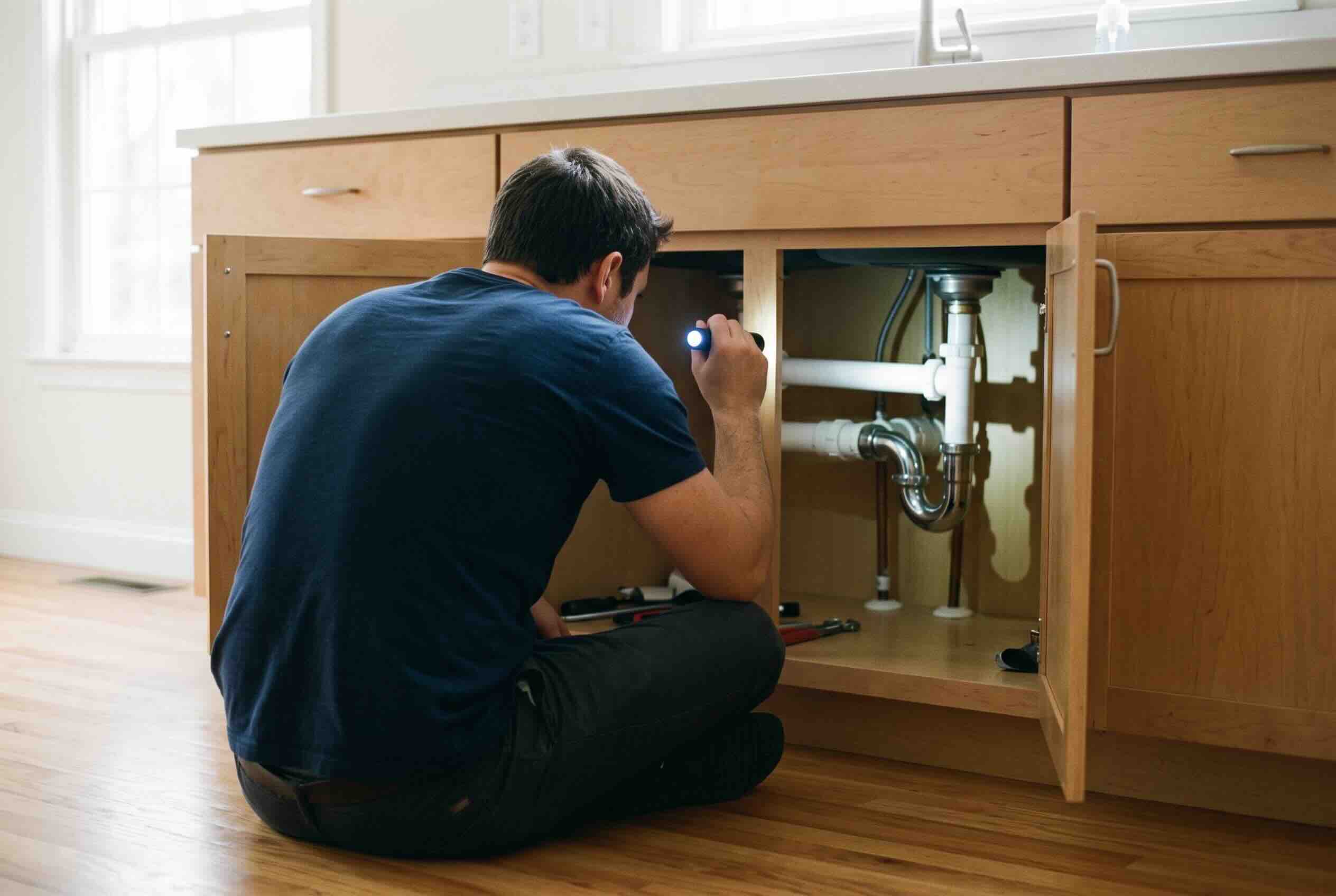
- Look under the sink with a flashlight for stains, rust, or active drips that signal a slow plumbing leak.
- Note any chips, burns, or scratches on countertops and appliance faces before they get blamed on you.
Bathroom
- Run the shower and sink together to gauge water pressure and see how fast hot water arrives.
- Flush the toilet a couple of times and watch that it fills and stops cleanly rather than running continuously.
- Inspect the caulk and grout around the tub and sink for obvious gaps.
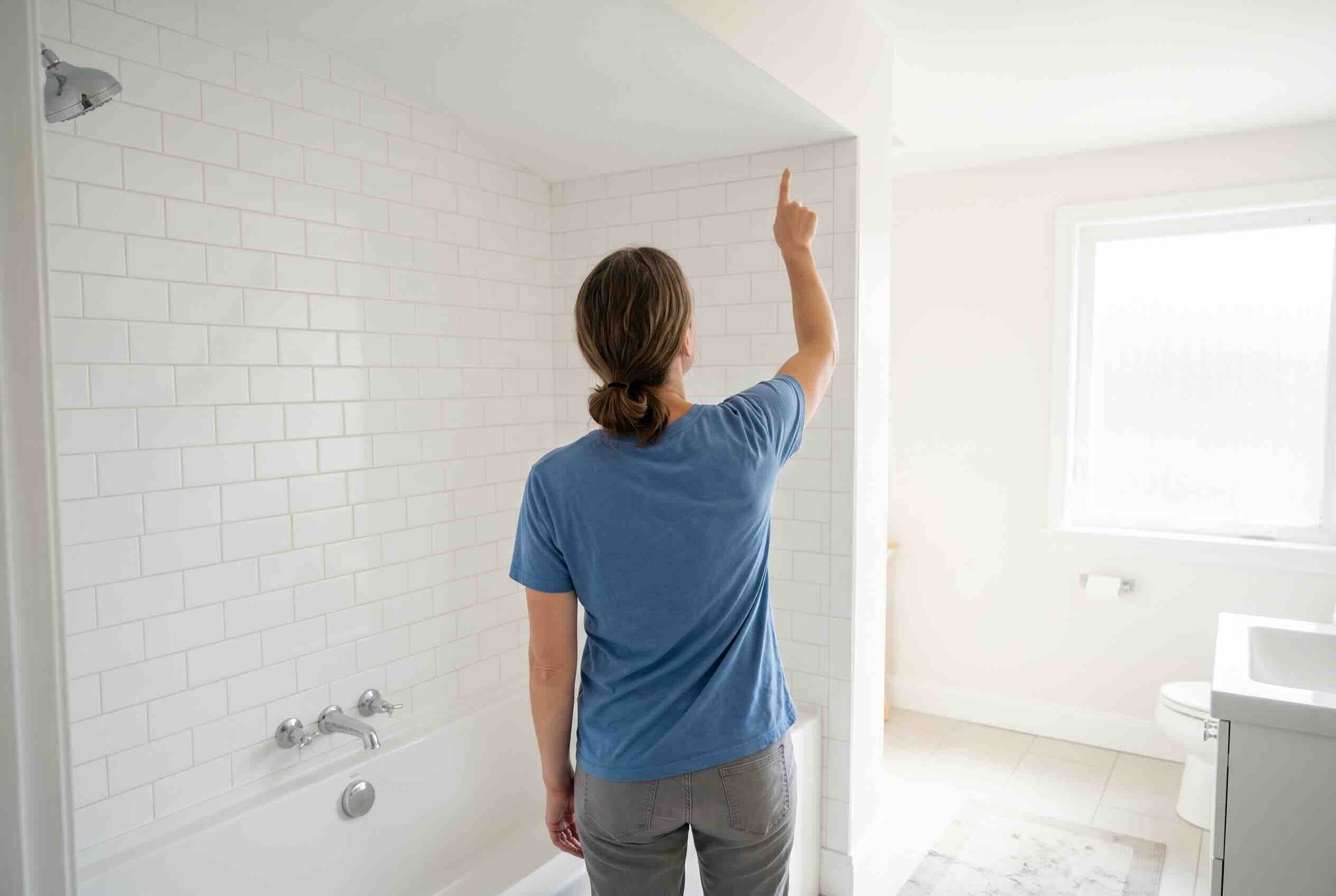
- Check ceilings and corners for the dark speckling that indicates mold or past moisture.
Bedrooms and Living Areas
- Walk each room in natural daylight and scan the walls for holes, patches, and scuffs that go beyond ordinary wear.
- Check the floors for stains, deep scratches, or soft spots.
- Open and close every window to confirm it latches and is not painted shut.
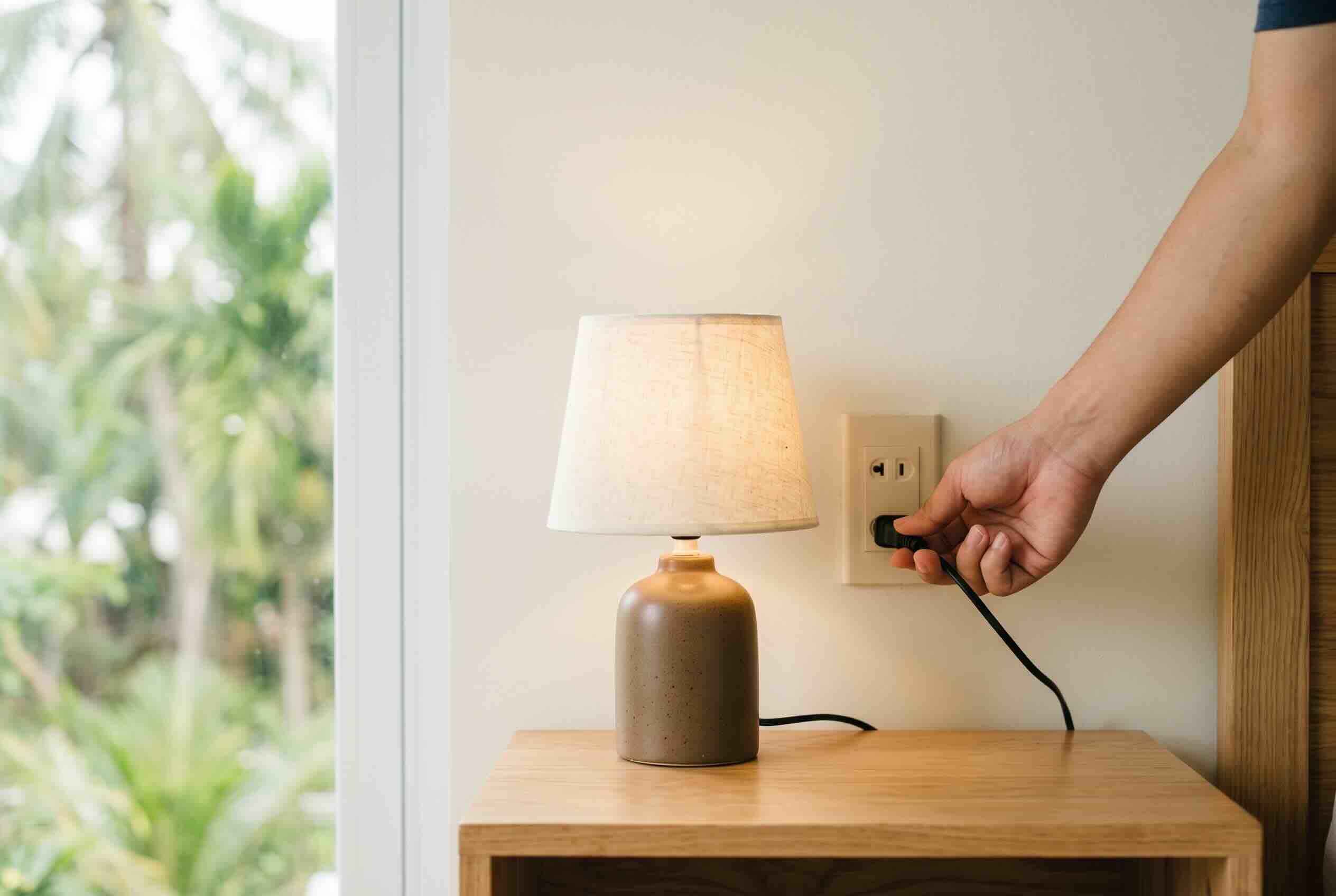
- Test the wall outlets and light switches with a phone charger or a small lamp so you know what works.
- Photograph anything that is already marked, because a landlord cannot legally charge you for damage you documented upon arrival.
General and Safety
- Confirm that every exterior lock works smoothly with your keys and that no old copies are floating around.
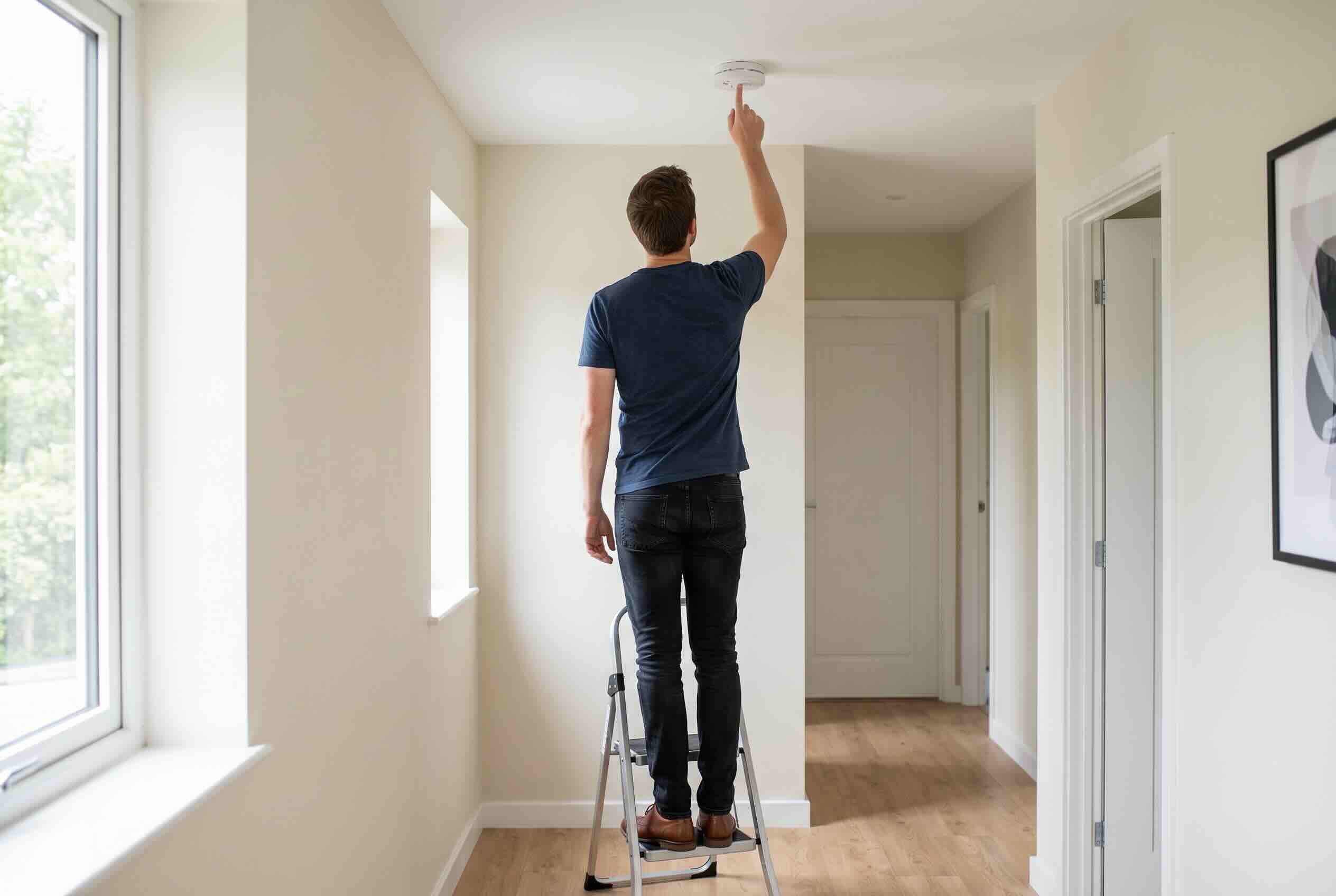
- Press the test button on each smoke and carbon monoxide detector.
- Replace batteries or ask the landlord to do so if any are dead.
- Run the heating and cooling to be sure the HVAC actually responds, since a broken climate system is easier to fix before you have fully moved in.
>>> See more: 20+ Questions to Ask Before Signing a Lease (Checklist)
Move-In Day: Setup and Unpacking Order
Move-in day goes better with a plan than with pure momentum. The goal is not to unpack everything but to get the essentials working and the rest staged sensibly. A little order now saves you from digging through ten boxes for a phone charger at midnight.
Move-In Day Priorities
- Confirm you can get into the building and unit easily.
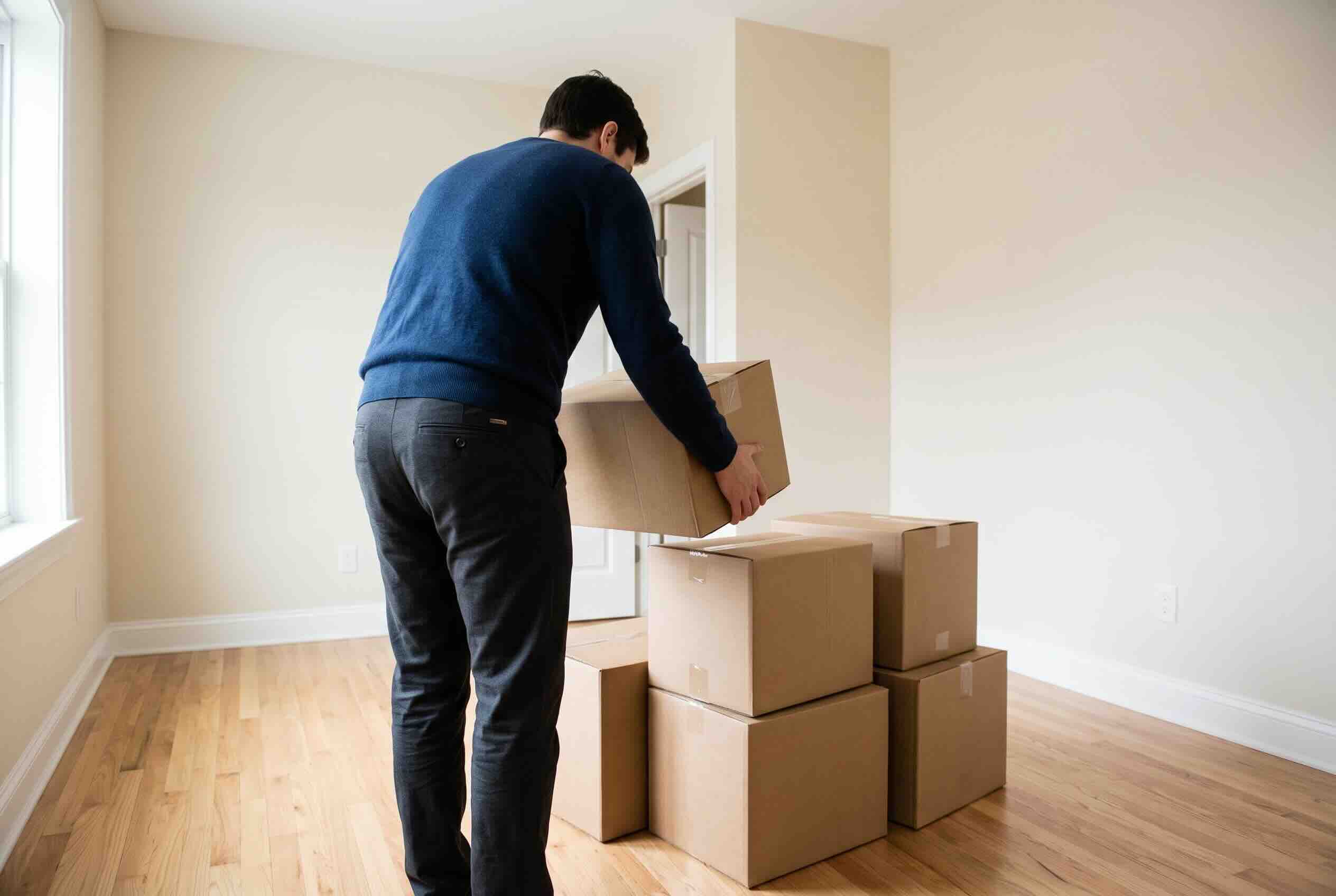
- Prop open or reserve the elevator before moving heavy items.
- Lay down floor protection in high-traffic paths so the first day does not create the first scuff.
- Stage boxes in the specific room each belongs to rather than piling them by the front door, which turns unpacking into a scavenger hunt.
Your “Open First” Box
- Pack one clearly labeled box of first-night essentials and keep it with you rather than on the moving truck.
- Include phone chargers, daily medications, a basic toolkit, toilet paper, hand soap, a towel, bedding, a change of clothes, snacks, and water.
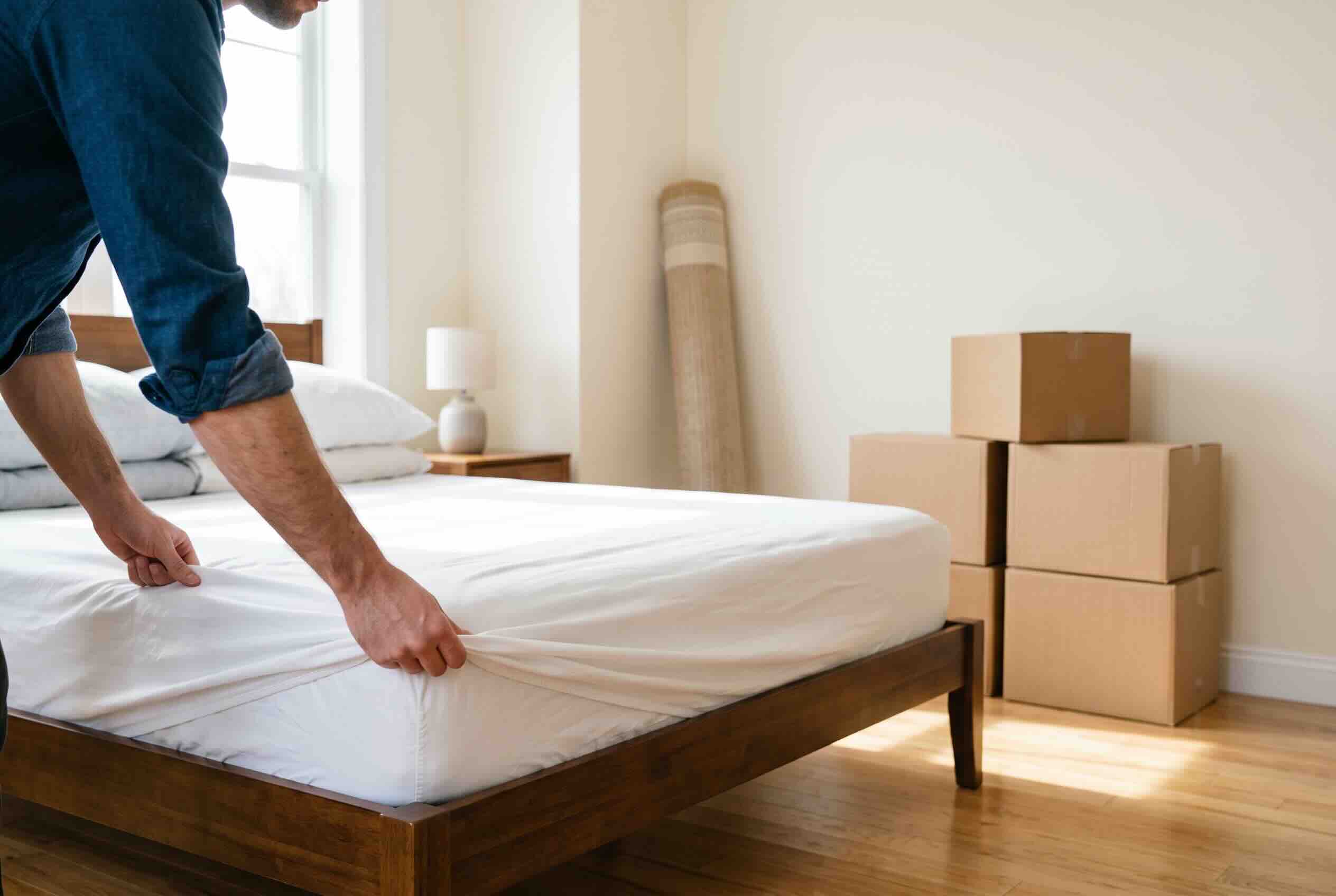
- Set up the bed early while you still have physical energy, ensuring a long day ends in an actual place to sleep.
How to Prioritize Unpacking
Unpacking goes fastest when you work outward from the rooms you use most, rather than opening whatever box is nearest. Tackle it in this order:
- Kitchen and bathroom first. A working coffee maker and a stocked shower make the whole place feel functional from the first morning.
- Bedrooms next. A made bed and clothes you can reach cover the basics of living there before anything decorative.
- Storage and closets before decor. Give everything a home so surfaces stay clear, then decide what belongs on the walls.
- Pace the rest over a week or two. There is no prize for finishing in a single weekend, so let the space show you where things settle.
Common Apartment Move-In Mistakes to Avoid
Even a careful apartment move-in checklist can be undone by a few avoidable missteps, and knowing them in advance is half the fix.
- Skipping the inspection. Unpacking before you document condition trades ten minutes of photos for a real risk to your deposit.
- Unpacking “later” boxes first. Opening seasonal or sentimental boxes before daily-use ones buries the things you actually need that night.
- Forgetting daily-use items. Losing track of chargers, toiletries, or medications in an unlabeled box makes the first night harder than it should be.
- Ignoring safety basics. Untested detectors and unchanged locks are easy to overlook in the rush and costly to ignore.
- Having no plan for overflow. Without a staging spot for boxes you cannot unpack yet, clutter spreads into every room and stalls the whole process.
FAQ
How long does it take to fully unpack and settle into an apartment?
For most people, the essentials come together in a few days, but fully settled, with decor up and everything in its place, takes two to four weeks. Pacing it that way is normal and healthier than forcing a single exhausting weekend.
What if I find damage after I’ve already moved in and unpacked?
Document it right away with photos and send it to your landlord in writing, noting that it was pre-existing and simply hidden until now. It is weaker than day-one documentation, but a prompt written report still beats staying silent until move-out.
Do I need renters insurance before move-in day?
Often yes, because many leases require proof of coverage before they hand over keys, and it protects your belongings from the moment they enter the unit. It is inexpensive, so setting it to start on or before move-in day is the safe call.
Is a landlord required to clean the apartment before I move in?
Most states require a unit to be habitable and reasonably clean at move-in, though the exact standard varies. If the place arrives dirty or with unfinished repairs, document it and report it in writing rather than cleaning up evidence of the prior condition.
How soon should you report move-in damage to your landlord?
As soon as you find it, ideally within the first few days and within any window your lease sets. Fast written reporting is what keeps a pre-existing problem from becoming a deduction with your name on it later.
Conclusion
A well-executed checklist earns its keep in the very first hour, long before the heavy boxes arrive and the chance to document the unit slips away. Photograph the place while it is completely empty, get your utilities and safety basics working, and then unpack outward from the rooms you actually live in. Everything after that initial push can happen at a human pace over a week or two, removing the pressure to finish the entire job in one sleepless weekend. Protecting your deposit and settling in without the stress simply requires sticking to this ordered approach.