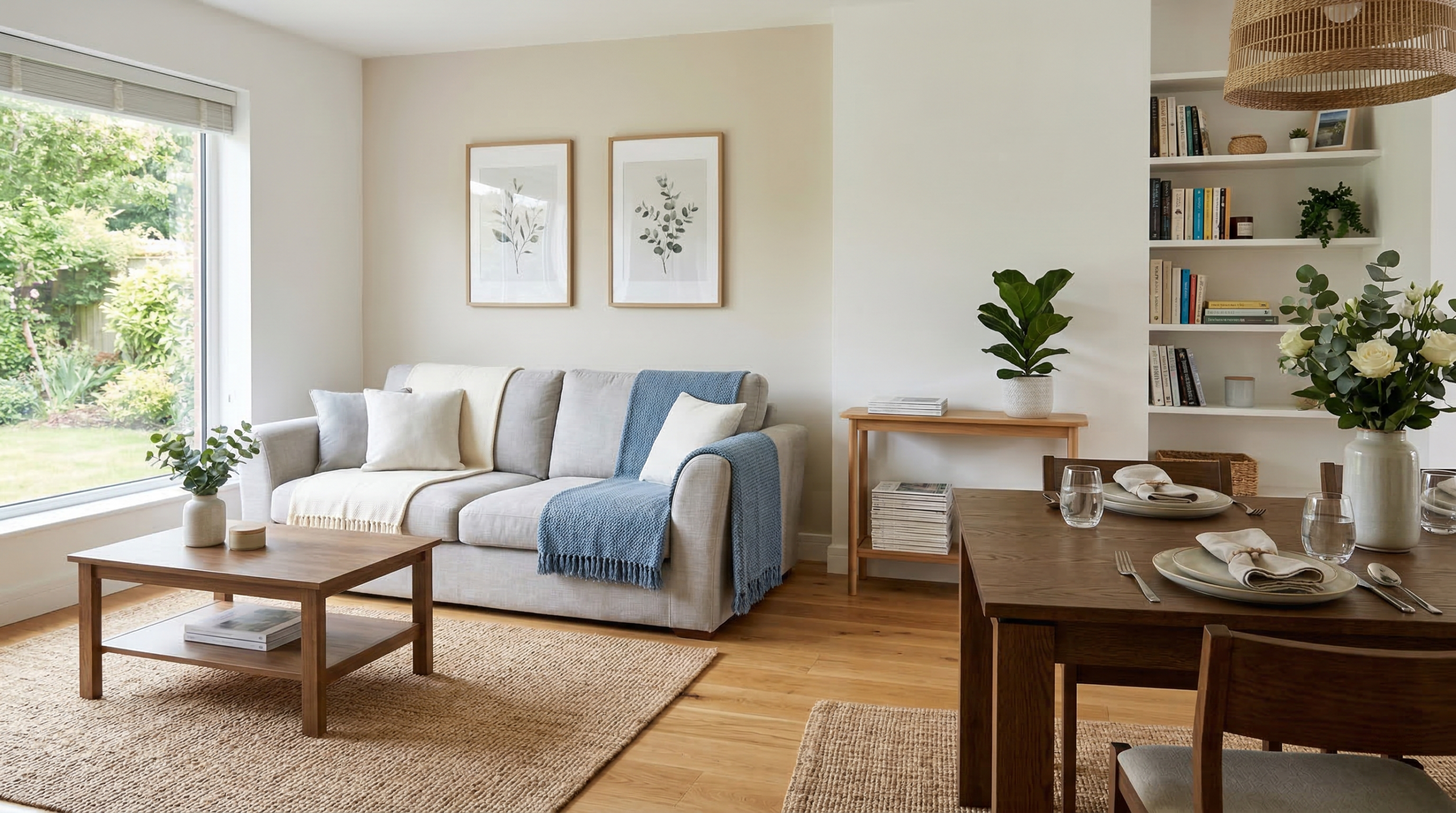
The condition of a home influences much more than appearance. It affects how people move through routines, how easily they focus, how well they rest, and how much friction they feel during ordinary moments of the day. A living space doesn’t have to be large or perfectly designed to have a strong impact.
What matters most is whether it supports the rhythms of real life. When a home feels functional, calm, and manageable, healthy habits tend to feel easier to maintain. When it feels cluttered, overstimulating, or difficult to use, even simple routines can start to feel heavier.
Why Your Home Environment Has a Daily Impact
A home is where many habits begin and repeat. It’s where people wake up, get ready, prepare meals, work, clean up, relax, and try to reset before the next day begins. For many households in the United States, home is also expected to serve several roles at once, often acting as a place for productivity, family life, rest, and recovery.
Because of that, the home environment can either support daily well-being or quietly work against it. The layout of a room, the amount of visual clutter, the ease of finding what you need, and even the lighting in certain spaces all shape behavior over time. These influences may seem small at the moment, but repeated daily, they can change how a person lives more than they realize.
1. Your Home Environment Shapes the Habits You Repeat Most
People often think habits are built only through willpower, but the home environment plays a major role in making routines easier or harder to follow. If healthy groceries are hard to see in the refrigerator, cooking becomes less convenient.
If the entryway is always chaotic, leaving the house on time becomes more stressful. If the bedroom is filled with distractions, winding down at night becomes harder than it should be.
A supportive environment reduces resistance. When the home makes desired habits easier to follow, consistency improves naturally. A water bottle kept in sight, a tidy kitchen counter that encourages meal prep, or a designated spot for daily essentials can all shape behavior in practical ways. Gradually, these small environmental cues affect the flow of everyday life.
2. Clutter Can Influence Stress and Decision Fatigue
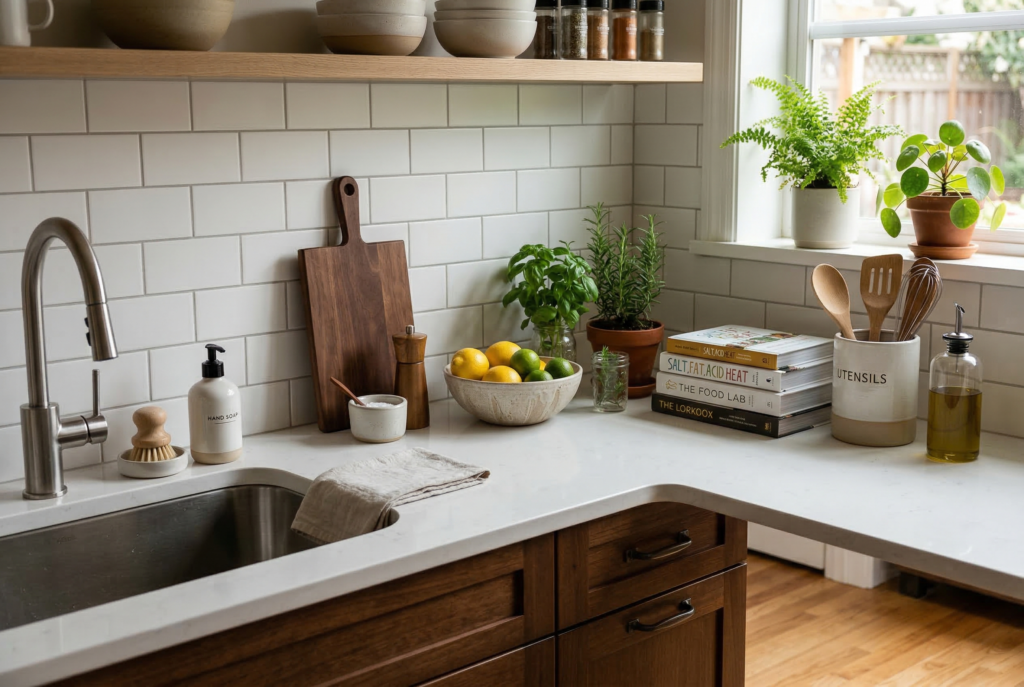
Clutter doesn’t just take up physical space. It also asks for attention. Piles of paper, crowded counters, overfilled shelves, and items left out without a clear home can create a background sense of pressure that follows people through the day. Even when the mess becomes familiar, it can still contribute to mental fatigue.
This matters because modern life already involves constant decision-making. A disorganized home adds more of it. People spend extra energy looking for missing items, deciding where to put things, and mentally tracking unfinished tasks tied to visible clutter. A calmer home environment can reduce that strain. When the space is easier to read and easier to maintain, the mind often feels less burdened too.
3. The Layout of a Space Affects How Smoothly Life Flows
A room may look fine on the surface and still work poorly in daily life. Furniture that blocks movement, storage that’s far from where items are used, or rooms with no clear purpose can create unnecessary frustration. These issues often show up in subtle ways, like bumping into things, avoiding certain spaces, or letting clutter collect in the same places every day.
A better layout doesn’t have to be complicated. In many cases, it simply means making sure the room supports how people actually live. Shoes need a place near the door. Cooking tools should be close to prep space. Laundry supplies should be easy to reach where laundry happens. When a home flows more naturally, habits tend to become simpler and the whole environment feels less tiring to use.

4. Your Surroundings Can Affect Mood and Emotional Balance
The emotional tone of a home matters. A space that feels dark, crowded, noisy, or visually chaotic can influence mood in quiet but persistent ways. On the other hand, a home that feels open enough, comfortable, and thoughtfully arranged can help people feel more settled.
What matters isn’t minimalism or perfect decoration, but whether the space feels emotionally livable and at ease. Natural light, comfortable seating, soft textures, manageable storage, and a little visual breathing room can all help a home feel more supportive. These details shape how people feel when they walk into a room, which in turn influences patience, focus, and the general tone of the day.
5. A Functional Home Can Improve Time Management
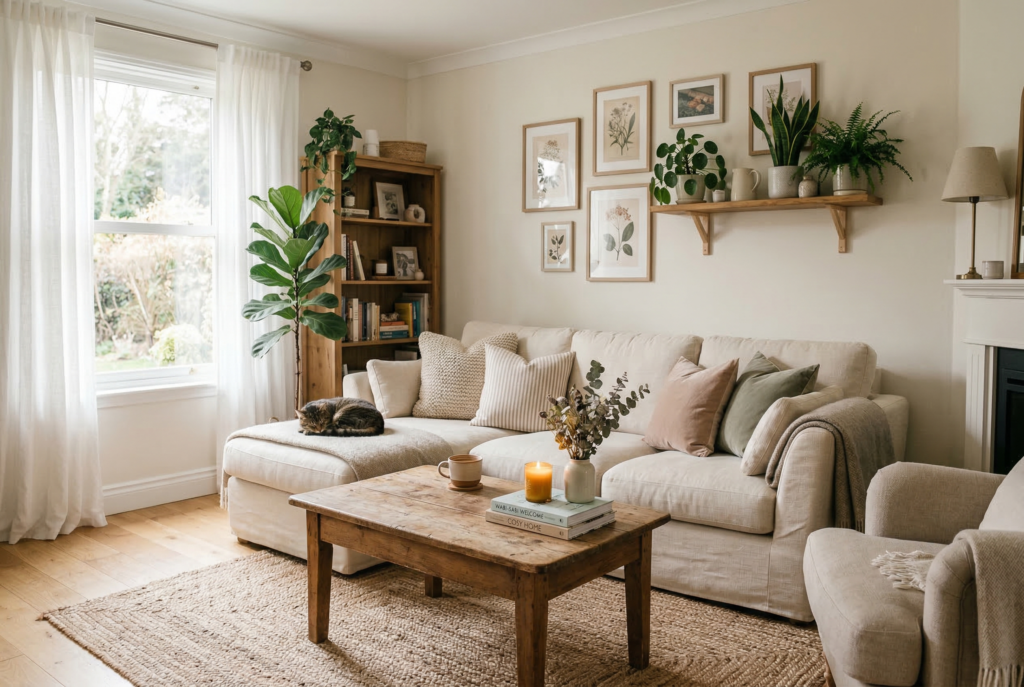
When a home lacks systems, time gets lost in small but frustrating ways. Minutes disappear while searching for keys, dealing with laundry that never got folded, sorting mail piles, or trying to cook in a cluttered kitchen. These delays may seem minor, but repeated daily, they can leave people feeling rushed and disorganized.
A more functional environment helps protect time. When everyday items have a clear place and rooms are organized around routine, common tasks happen more quickly. Morning routines become easier, meal prep feels less chaotic and cleaning takes less effort because there’s less to move around first. A well-functioning home doesn’t just look better. It supports a more efficient day from start to finish.
6. The Home Environment Influences Rest and Recovery
A home should offer some degree of recovery from the outside world. When every room feels visually busy or emotionally unfinished, it becomes harder to fully relax. Bedrooms especially can lose their restful quality when they double as storage zones, office space, or clutter catch-alls.
Rest is influenced by more than sleep alone. It also comes from whether a home allows people to breathe, reset, and pause without feeling constantly confronted by mess or unfinished tasks. A calmer bedroom, a living room with less visual overload, or even a clean corner where someone can sit quietly for a few minutes can make a difference. These spaces help support the kind of recovery that daily life often demands.
7. Your Home Reinforces the Standard of Daily Living You Experience
In the long run, a home environment can shape what feels normal. If a space is always overcrowded, noisy, or stressful to maintain, that strain can begin to feel like part of everyday life.
People may stop noticing how much it affects their patience, their motivation, or their sense of ease. The opposite is also true. When a home becomes calmer, more functional, and easier to manage, that new environment can start to raise the standard for how daily life feels.
This is one reason small improvements matter so much. A more organized entryway, a cleaner kitchen, or a more restful bedroom may seem like modest upgrades, but they can change the emotional baseline of the home. They make it easier to live with less friction and more support, which often improves overall well-being in a very practical way.
How to Make Your Home Support Better Daily Habits
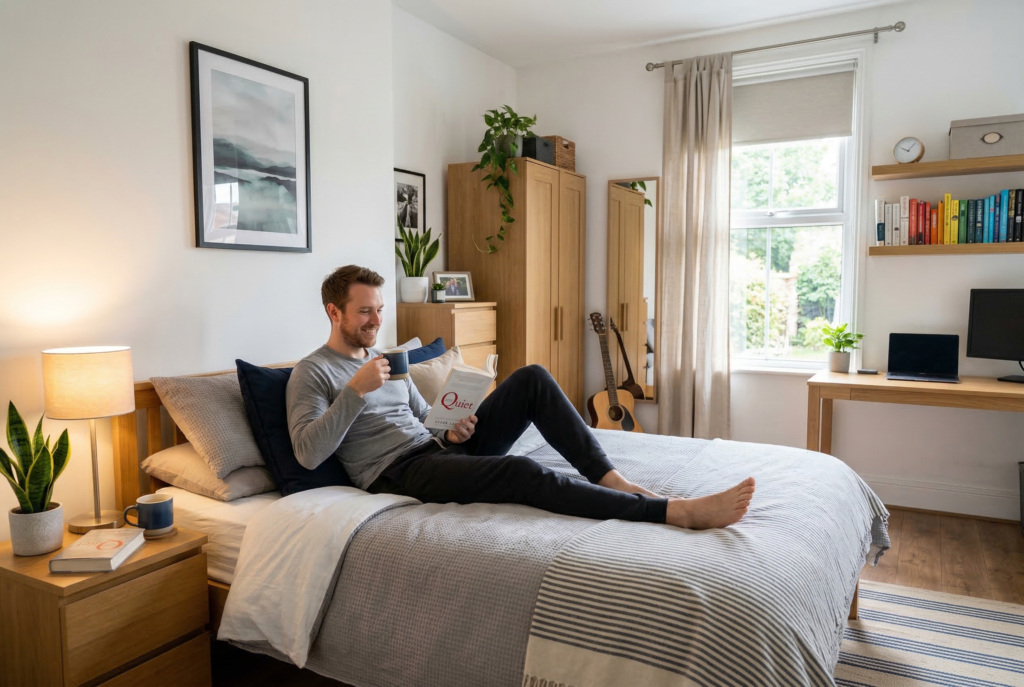
Changing a home environment doesn’t require a major renovation or a complete reset of every room. In most cases, it works better to notice where the biggest daily friction points are and start there. That might be the kitchen counter that collects everything, the bedroom that never feels restful, or the entryway that turns chaotic every evening.
Focus on simple changes that directly support routine. Clear one surface that affects your mood. Create one storage spot for commonly lost items. Rearrange one area so it works better for the way you actually use it. Reduce what keeps getting in the way. These adjustments may seem small, but they often create momentum because they improve life where it’s lived most often.
A Better Home Environment Supports Real Life

A supportive home focuses less on appearance and more on creating ease, reducing stress, and improving clarity. That often means choosing function over perfection, comfort over unnecessary excess, and practical organization over complicated systems that won’t last.
When the home is aligned with daily needs, it becomes easier to keep up with routines, protect energy, and create a stronger sense of well-being. The space starts working in your favor rather than adding to your mental load. That’s where real change happens. A good home is one that brings steadiness and ease to your daily routine, rather than chasing perfection.
Conclusion
Your home environment shapes daily habits, well-being, and the way you live every day in more ways than most people expect. It affects how smoothly routines flow, how much stress builds in the background, how easily you can focus, and how fully you’re able to rest. Even small details like layout, clutter levels, storage, and lighting can influence the emotional and practical experience of home.
The good news is that meaningful improvement doesn’t require perfection. A few thoughtful changes in the areas that affect daily life most can help create a home that feels calmer, functions better, and supports the kind of habits and well-being most people want more of. Over time, those changes can shape a more grounded, more comfortable way of living every single day.