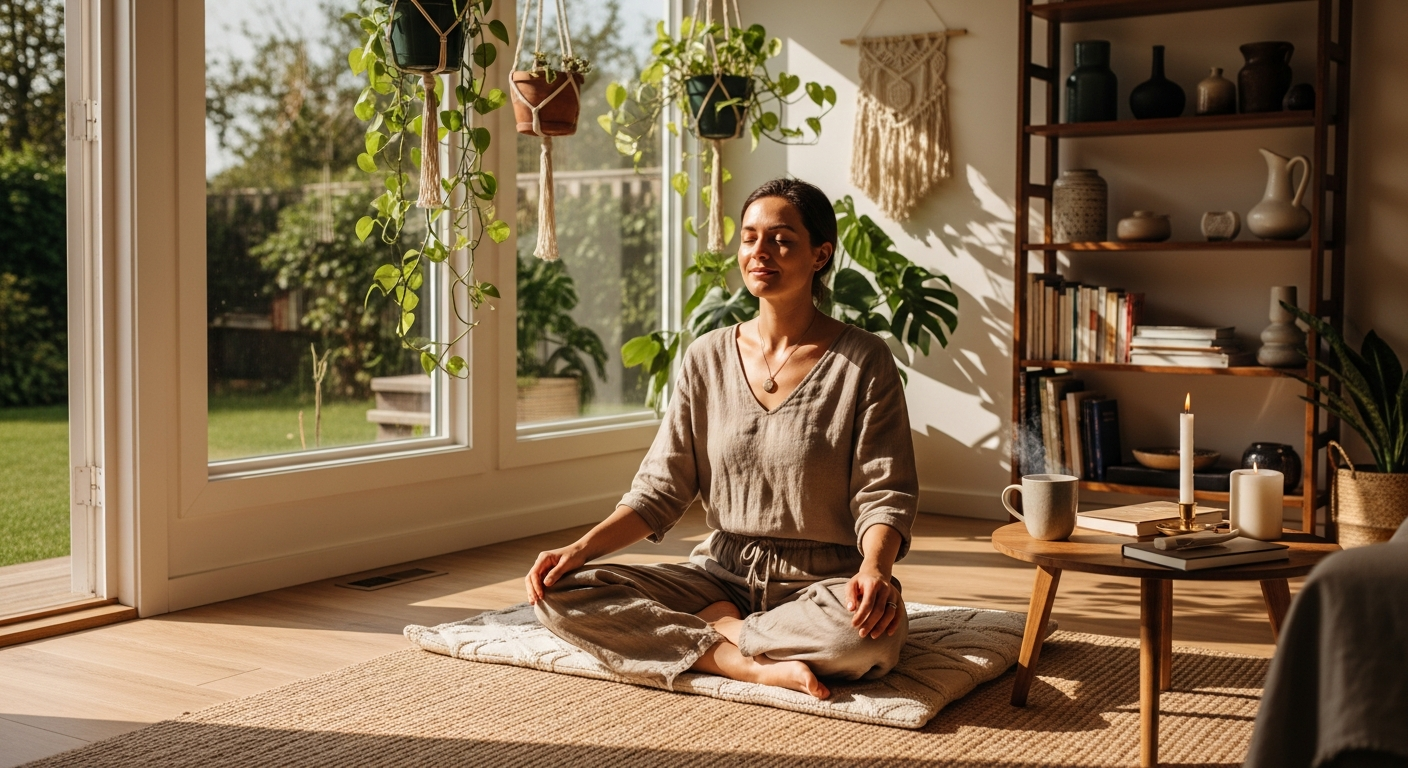
Stress has become a common part of modern life. Many people move through their days feeling busy, mentally overloaded, and emotionally drained, even when nothing seems obviously wrong. Over time, this constant pressure affects physical health, focus, relationships, and overall quality of life.
Living a less stressful life doesn’t require escaping responsibilities or making extreme changes. It comes from understanding how stress works, recognizing personal limits, and building daily habits that support calm, clarity, and resilience. This aims to explore practical, evidence informed strategies to reduce stress and create a more balanced and sustainable way of living.
Understanding What Causes Stress in Everyday Life
Stress isn’t only triggered by major life events. For most people, it builds gradually through small, repeated pressures such as tight schedules, constant notifications, unclear expectations, and lack of rest.
Psychological research shows that stress increases when people feel a loss of control or predictability. When demands consistently exceed available energy, the nervous system remains in a heightened state of alert. Over time, this leads to fatigue, irritability, and reduced concentration.

Recognizing personal stressors is the first step toward change. Some people are more affected by time pressure, while others struggle with social expectations or perfectionism. Awareness allows individuals to respond intentionally rather than react automatically.
Creating Healthier Boundaries Between Work and Personal Life
One of the most effective ways to reduce daily stress is setting clear boundaries around work. Without boundaries, work tends to expand into evenings, weekends, and mental space meant for rest.
Healthy boundaries begin with defining realistic work hours and protecting time outside of them. This includes limiting after hours communication when possible and avoiding multitasking between professional and personal responsibilities.
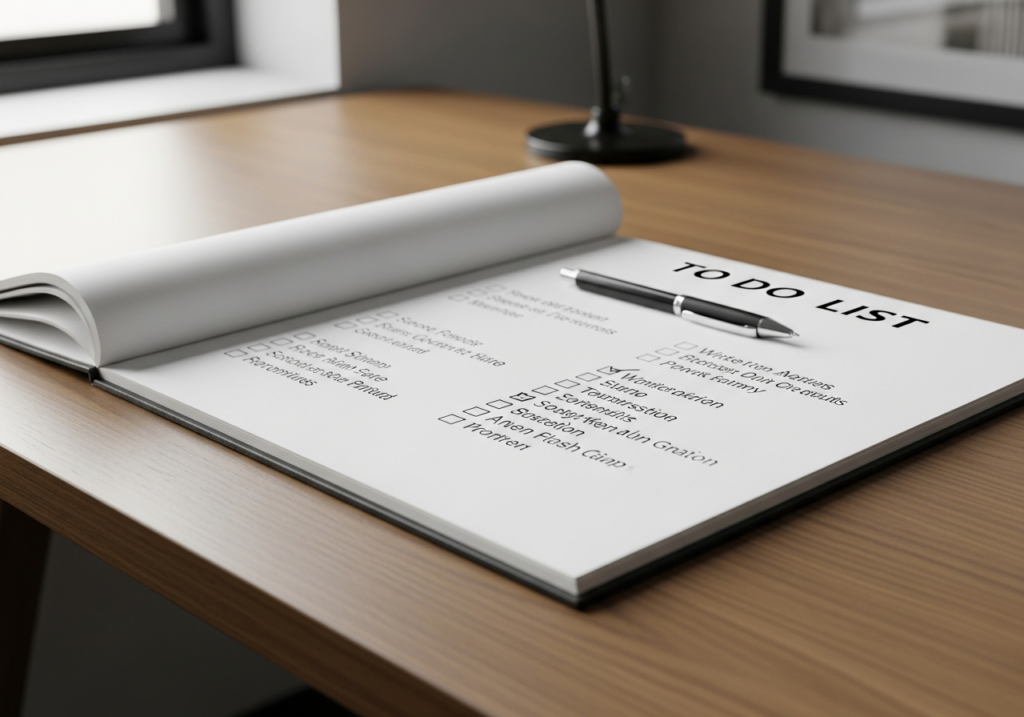
Mental boundaries are just as important. Constantly thinking about unfinished tasks keeps the stress response active. Simple practices such as writing a to-do list at the end of the day or creating a brief shutdown routine help the brain transition out of work mode.
Building Daily Habits That Support Calm and Stability
Daily habits shape how the body and mind respond to stress. Small, consistent behaviors often matter more than occasional efforts to relax. Regular physical movement helps regulate stress hormones and improves mood. Activities such as walking, stretching, or light strength training support both physical and mental wellbeing without adding pressure.
Breathing practices are another powerful tool. Slow, controlled breathing signals safety to the nervous system and reduces physiological stress responses. Even a few minutes of intentional breathing can lower tension and improve focus. Creating simple morning and evening routines also adds structure and predictability, which reduces mental overload throughout the day.
Improving Sleep Quality to Reduce Stress Naturally
Sleep plays a central role in stress management. Poor sleep increases emotional reactivity and makes everyday challenges feel more overwhelming. Consistent sleep schedules help regulate internal rhythms and support deeper rest. Reducing screen exposure before bedtime and creating a calm sleep environment improve sleep quality over time.
Rest isn’t limited to nighttime sleep. Short breaks during the day allow the nervous system to reset and prevent cumulative exhaustion. Treating rest as a necessity rather than a luxury is essential for long term stress reduction.

Supporting Mental and Emotional Wellbeing
Mental wellbeing influences how people interpret and respond to stress. When the mind is constantly self critical or future focused, stress intensifies even in calm situations. Mindfulness based practices encourage present moment awareness without judgment. Techniques such as journaling, meditation, or quiet reflection help create mental space and emotional clarity. Emotional wellbeing is also supported through connection. Meaningful conversations and supportive relationships provide reassurance and perspective. Feeling understood reduces stress and strengthens emotional resilience.
Simplifying Daily Life to Reduce Overwhelm
Complexity is a common source of stress. Too many commitments, decisions, and possessions increase cognitive load and reduce mental clarity. Simplifying daily life involves identifying what truly matters and letting go of excess. This might mean reducing unnecessary obligations, streamlining routines, or organizing physical spaces. Decision fatigue decreases when routines are consistent and choices are intentional. A simpler lifestyle supports focus, calm, and a greater sense of control.
Developing a Healthier Relationship With Stress
Stress can’t be eliminated entirely. In moderate amounts, it can support motivation and growth. Problems arise when stress becomes chronic and unmanaged. Developing a healthier relationship with stress involves noticing early signs such as tension, irritability, or fatigue and responding with care rather than self criticism. This approach builds resilience and prevents burnout. Self compassion plays an important role. Progress toward a less stressful life isn’t linear. Some days will feel more balanced than others, and that variability is normal.
Maintaining a Less Stressful Lifestyle Over Time
Sustainable stress reduction requires regular reflection and adjustment. Life circumstances change, and habits must evolve accordingly. Periodic check-ins help identify what is working and what needs attention. This might include reviewing schedules, energy levels, or emotional patterns. Long term balance comes from consistency rather than perfection. Small, repeated actions create meaningful change and support a calmer, more grounded way of living.
Conclusion
The best way to live a less stressful life isn’t through avoidance or drastic lifestyle changes, but through intentional choices that support balance, clarity, and wellbeing. By setting healthy boundaries, prioritizing rest, simplifying daily routines, and caring for mental and emotional health, stress becomes more manageable and less overwhelming.
A calmer life is built gradually through awareness and consistent habits. These choices gradually support lower stress levels while improving health, strengthening relationships, and creating a deeper sense of stability and fulfillment.