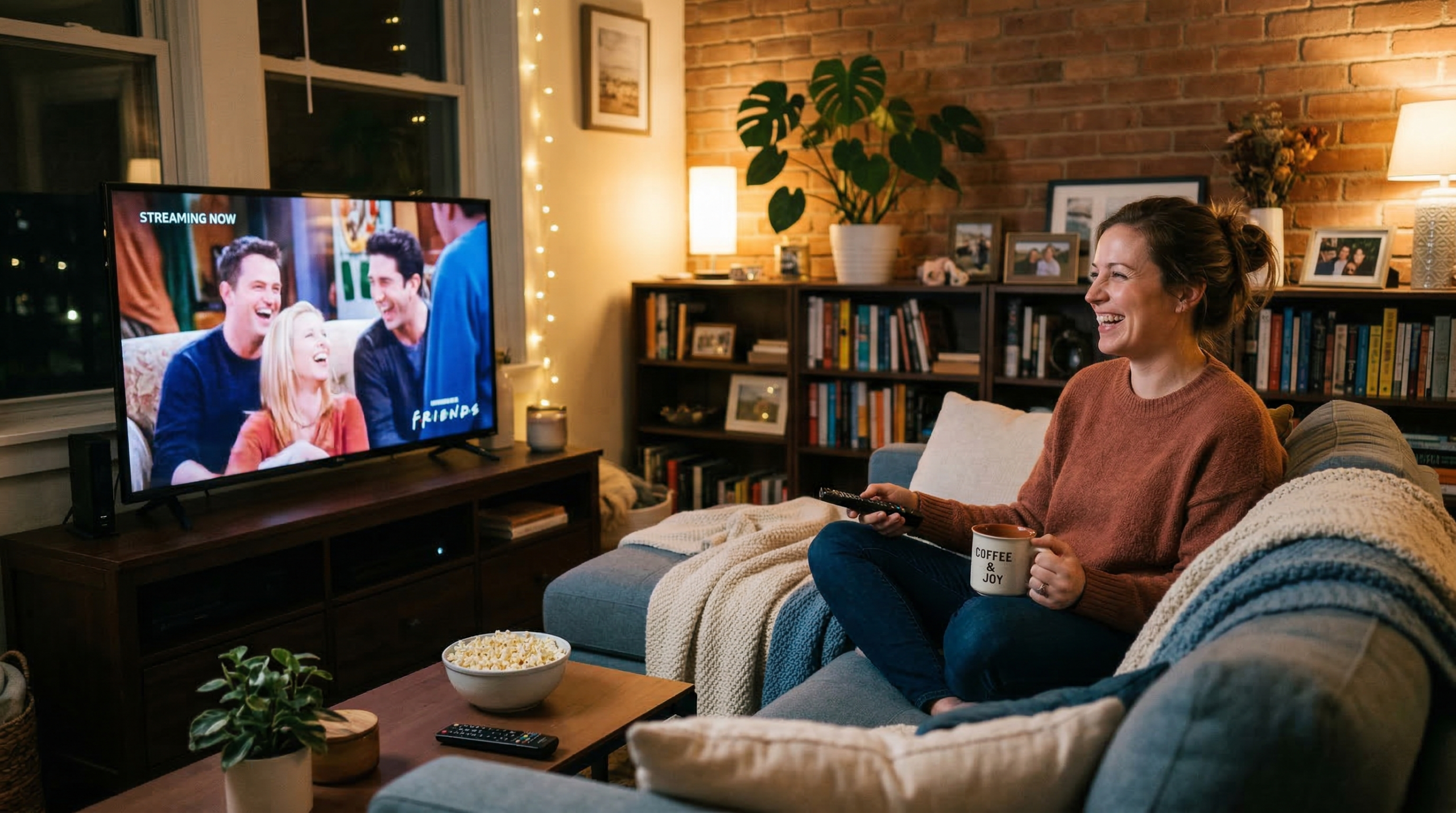
The way a home looks, feels, and functions can influence far more than daily convenience. It can affect mood, focus, energy, stress levels, and even how well a person rests at the end of the day. When a living space feels crowded, noisy, chaotic, or difficult to manage, that pressure often becomes part of everyday life.
On the other hand, when a home feels calm, supportive, and organized enough to work well, it can help create a more grounded mental and emotional experience.
Why Your Home Environment Matters More Than Many People Realize
Home is where people begin and end most days. For many households in the United States, it’s also where people work, study, cook, recover, care for children, and try to find moments of peace between responsibilities. Because of that, the home environment has a powerful effect on mental well-being.
A stress-free home environment doesn’t mean a perfect house. It means the space supports daily life rather than making it harder. When rooms are easier to use, visual clutter is reduced, and the atmosphere feels more settled, the mind often responds in the same direction.
Small environmental stressors may seem minor on their own, but when they show up every day, they can quietly shape how a person feels over time.
Visual Clutter Can Increase Mental Strain
One of the clearest ways a living space affects mental health is through visual clutter. Piles of paper, crowded counters, overstuffed shelves, and random items scattered through multiple rooms can create a constant sense of unfinished business. Even when a person isn’t actively thinking about the mess, the brain still registers it.
That ongoing visual input can make it harder to relax. It may also contribute to irritability, distraction, and the feeling that there is always something else to handle. A calmer room often helps because it removes some of that background tension. When the eye has fewer things competing for attention, the entire space can feel quieter and more manageable.
Layout and Function Shape Daily Stress
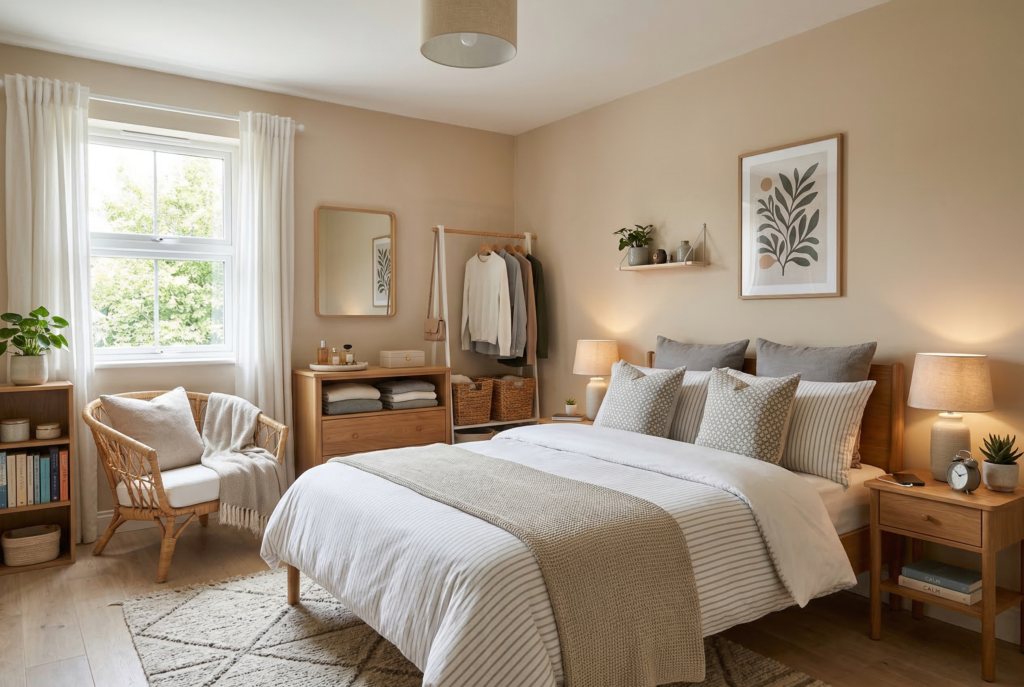
A home doesn’t have to be large to feel supportive, but it does need to function well enough for the people living in it. When furniture placement blocks movement, storage doesn’t match daily habits, or commonly used items are hard to access, small frustrations build quickly.
These practical problems can affect mood more than people expect. A kitchen that feels crowded during meal prep, an entryway with nowhere to drop bags and shoes, or a bedroom filled with overflow storage can make routines feel heavier. Functional spaces reduce that strain. When the home works with daily life instead of against it, people often feel more capable and less overwhelmed.
Noise, Light, and Sensory Input Affect Emotional Well-Being
Mental health is influenced not only by clutter and layout, but also by sensory conditions inside the home. Harsh lighting, constant background noise, and spaces that feel overstimulating can wear on the nervous system over time. This is especially true for people who are already balancing demanding schedules, caregiving, remote work, or chronic stress.
A calmer sensory environment often supports a calmer mental state. Natural light during the day can help rooms feel more open and uplifting. Softer lighting in the evening can make it easier to unwind. Reducing unnecessary noise, adding soft textures, and avoiding overly chaotic visual design can also help create a more peaceful atmosphere. The home doesn’t need to be silent or minimal. It simply helps when it feels less overstimulating.
A Disorganized Home Can Make Rest Harder
Rest is closely tied to the condition of a living space, especially in bedrooms and shared living areas. When laundry piles up, surfaces are crowded, and the room feels visually busy, the mind may have a harder time settling down. Even when people become used to clutter, it can still influence the emotional tone of the space.
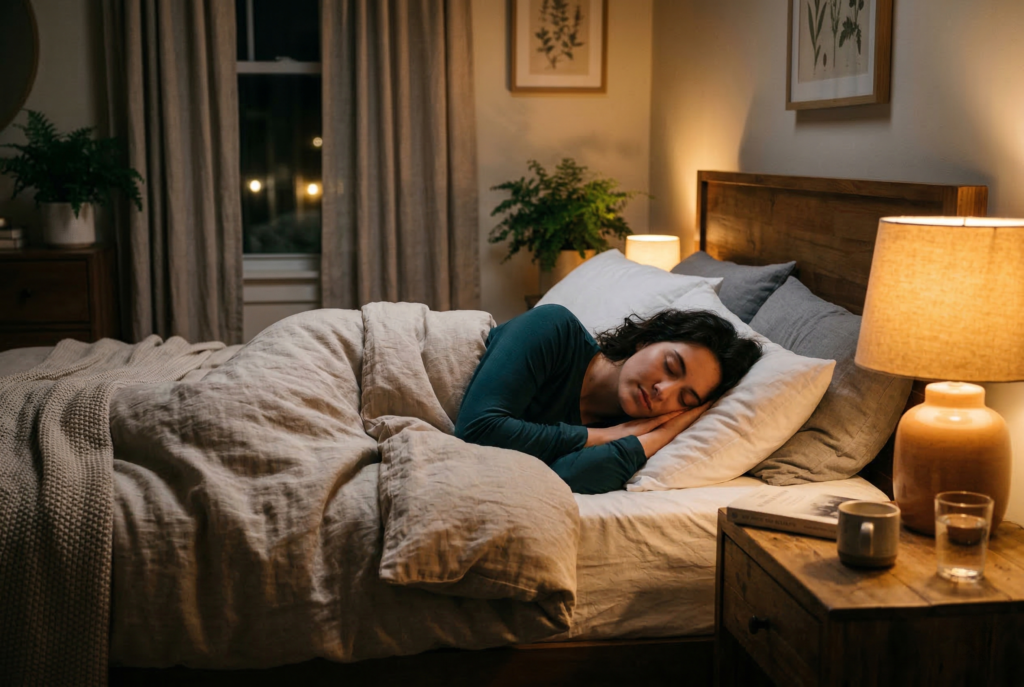
A calmer bedroom usually supports better rest because it feels more restorative. Clearer surfaces, comfortable bedding, softer lighting, and reduced visual distractions can help the room feel like a place for recovery instead of one more source of stress. This matters because sleep and mental health are deeply connected. A restful environment can support a more stable mood and better daily resilience.
Home Can Either Support Focus or Constant Distraction

Many people now use their homes for more than one purpose. A dining table may double as a desk. A guest room may also be a workout area or storage zone. A living room may be shared by children, pets, work calls, and evening downtime. When spaces lack boundaries or feel cluttered, it becomes harder to shift mentally between activities.
A more intentional setup can improve focus and reduce mental fatigue. This doesn’t require a custom home office or an expensive redesign. Even small choices, like keeping work materials contained in one area, reducing surface clutter, or creating a consistent place for certain tasks, can help the brain understand what the space is for. That kind of clarity often makes it easier to concentrate and then disengage when the task is over.
Emotional Weight Can Build Inside the Home
A home can also carry emotional weight through objects, unfinished projects, and areas people avoid. A chair covered in clothes, a closet packed with things that haven’t been sorted, or a room that has turned into storage can become a source of guilt or pressure. Over time, these spaces may affect how people feel about themselves and their ability to stay on top of life.
That emotional burden matters. When the home repeatedly signals disorder, delay, or overwhelm, it can influence confidence and stress levels. A more supportive living space doesn’t erase life’s challenges, but it can stop adding extra pressure. Clearing one problem area, finishing one neglected task, or making one room easier to maintain can create a noticeable shift in emotional relief.
Calm Homes Help Reduce Decision Fatigue
Mental energy is often drained by the number of small decisions people make each day. A disorganized home adds even more. Where are the keys? What happened to the charger? Is there anything clean to wear? What can be made for dinner with a cluttered kitchen and an overstuffed refrigerator?
A calm, organized environment reduces those daily decision points. When essentials are easier to find and routines are easier to complete, the day flows with less friction. That kind of ease matters for mental health because it preserves energy for more important tasks and reduces the constant sense of being behind.
The Feeling of Safety and Comfort Starts at Home
One of the most overlooked mental health benefits of a well-functioning living space is the sense of safety it can create. A calm home often feels more predictable, comforting, and emotionally secure. A supportive home won’t eliminate stress, but it can prevent extra instability from creeping in.
Comfort can come from very practical things. A clean entryway that makes coming home feel easier. A tidy kitchen that doesn’t create dread at mealtime. A living room where there’s room to sit, breathe, and connect with family. These details shape the emotional experience of home. Over time, they help the space feel like a place of recovery rather than another source of pressure.
How to Create a More Mentally Supportive Living Space
Improving your home environment doesn’t require doing everything at once. In fact, gradual changes usually work better because they’re easier to maintain. The most effective approach is to notice which parts of the home create the most daily stress and begin there.
For some people, that may be the bedroom. For others, it’s the kitchen counter, the entryway, or the living room floor. Start with what affects your mood most often. Clear one surface, improve one storage system, soften one room’s lighting, or remove a few items that are adding visual noise.
Small changes can build momentum and make the home feel more supportive without turning the process into another overwhelming project.

A Calm Home Environment Supports Everyday Mental Health
Mental health is shaped by many factors, and a home environment won’t solve everything. Still, the condition of a living space can make everyday life feel either harder or easier. When a home feels chaotic, overstimulating, or difficult to manage, stress often rises with it. When the home feels calmer, clearer, and more functional, it can support better focus, steadier moods, and more genuine rest.
That’s why creating a stress-free home environment matters. What matters isn’t how perfect a space looks, but how livable it feels day to day. A home that supports mental well-being often comes from thoughtful adjustments, realistic organization, and a willingness to shape the space around what people actually need.
Conclusion
Your living space affects mental health in ways that are both practical and emotional. Clutter, poor function, harsh sensory input, and overcrowded rooms can increase stress and make it harder to focus, rest, and feel at ease. A calmer home environment can help reduce that strain by supporting smoother routines, clearer thinking, and a stronger sense of comfort.
Creating a more peaceful home doesn’t require perfection or a major makeover. It starts with noticing what feels heavy, distracting, or difficult in your current space and making simple changes that support real life. In the long run, those choices can help shape a home that feels calmer, more restorative, and better aligned with the kind of everyday mental well-being most people are trying to build.
Related Articles
- 10 Mental Health Benefits of Decluttering Your Home and Creating a Calm, Organized Living Space
- 10 Essential Benefits of an Organized Home: Why Home Organization Matters for a More Efficient, Stress-Free Lifestyle
- Healthy Lifestyle Changes That Improve Mental Health and Reduce Stress
- 7 Ways Your Home Environment Shapes Daily Habits, Well-Being, and the Way You Live Every Day