
In a world shaped by speed, constant notifications, and growing expectations, many people are quietly rethinking how they want to live. The slow living lifestyle has emerged as a response to modern pressure, offering a more intentional and grounded way of approaching everyday life. Rather than doing less for the sake of doing less, slow living focuses on doing things with purpose, clarity, and presence. This lifestyle appeals to individuals who want to regain control of their time, energy, and attention while creating a life that feels meaningful rather than rushed.
Understanding the Slow Living Lifestyle
Slow living is a mindset centered on intentional choices. It encourages people to slow down their pace, become more aware of how they spend their time, and align daily actions with personal values. The concept doesn’t promote laziness or withdrawal from responsibility. Instead, it emphasizes awareness, quality, and balance.
People drawn to slow living often seek relief from burnout, digital overload, and constant productivity pressure. They’re interested in living with more clarity, making thoughtful decisions, and focusing on what genuinely matters to them.

Why Intentional Living Matters in Everyday Life
Intentional living helps individuals to move away from autopilot mode. Many daily habits are shaped by routine, social pressure, or convenience rather than conscious choice. Over time, this can lead to dissatisfaction, stress, and a sense of disconnection.
Living intentionally creates space for reflection. It encourages people to ask whether their actions support their priorities and well being. Small, mindful decisions repeated daily can have a powerful impact on mental clarity, emotional health, and overall life satisfaction.
Simplifying Daily Routines Without Losing Meaning
One of the foundations of slow living is simplifying daily routines. Simplification doesn’t mean removing everything enjoyable or challenging. It involves identifying what adds value and letting go of what drains energy without meaningful return.
Many people begin by streamlining mornings and evenings. Creating calm transitions at the start and end of the day reduces stress and sets a more balanced rhythm. Simple habits such as preparing meals mindfully, limiting multitasking, and allowing time for rest help reinforce a slower pace.

Redefining Productivity Through a Slow Living Lens
Traditional productivity often focuses on doing more in less time. Slow living challenges this idea by prioritizing depth over volume. Productivity becomes less about output and more about meaningful progress. This shift encourages people to focus on fewer tasks while giving them full attention. When distractions are reduced, work becomes more satisfying and sustainable. Over time, this approach supports better focus, creativity, and long term motivation.
Building a Healthier Relationship With Time
Time is one of the most valuable resources in modern life. Slow living encourages a more respectful and intentional relationship with time. Instead of filling every moment, it values pauses, rest, and unstructured time. This perspective helps individuals recognize that constant busyness doesn’t equal fulfillment. By allowing space in the schedule, people can respond to life more thoughtfully rather than re-actively. This shift often leads to reduced anxiety and greater emotional resilience.
Creating a Calm and Supportive Living Environment
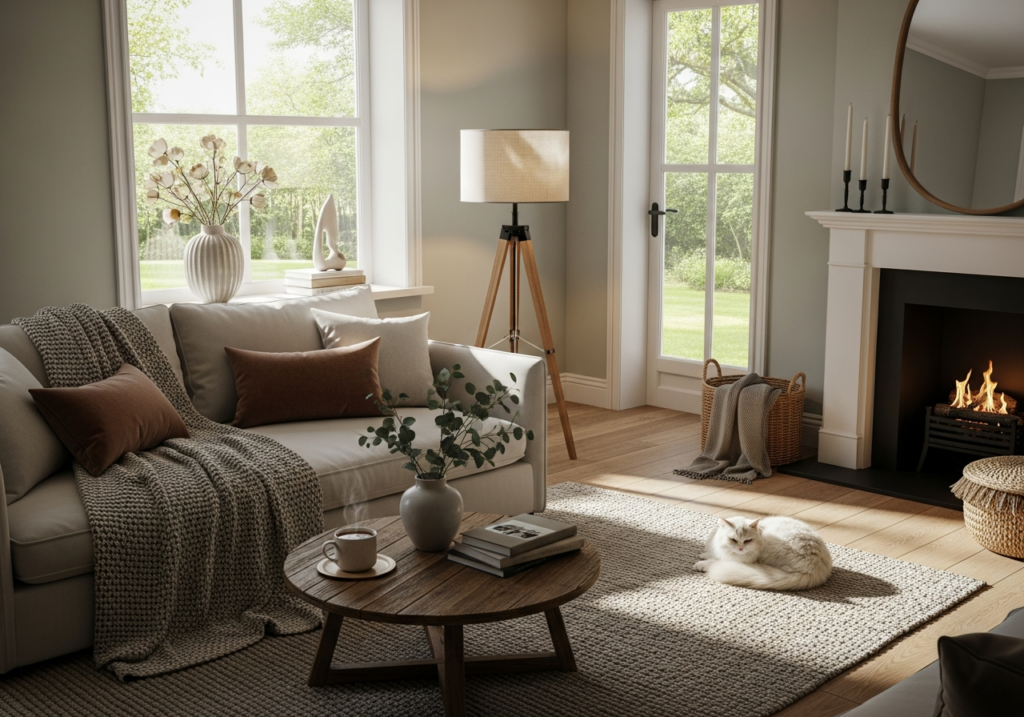
The physical environment plays a significant role in supporting slow living. Spaces that feel calm, organized, and comfortable encourage presence and relaxation. Cluttered or overstimulating environments can reinforce feelings of urgency and distraction.
Many people who embrace slow living focus on creating homes that support rest and intentional activities. This may include simplifying decor, choosing natural materials, or designing spaces for reflection, reading, or creative work. A supportive environment reinforces the values of slowness and care.
Mindful Consumption and Conscious Choices
Slow living promotes mindful consumption. This applies to material purchases, digital content, and even social commitments. Instead of constant accumulation, the focus shifts to thoughtful selection. People practicing slow living often choose quality over quantity. They’re more likely to consider longevity, usefulness, and personal relevance before making decisions. This approach reduces waste, supports sustainability, and creates a stronger sense of satisfaction with what is owned and experienced.
Strengthening Daily Presence and Awareness
Presence is a core principle of slow living. Being present means fully engaging with the current moment rather than rushing ahead mentally. This practice improves emotional regulation and deepens everyday experiences.
Simple actions can include:
- Mindful walking
- Focused listening
- Intentional breaks
With consistent practice, presence becomes a habit that transforms routine activities into meaningful moments.
Nurturing Relationships Through Slower Living
Slow living encourages deeper, more intentional relationships. When life feels less rushed, there’s more space for genuine connection. Conversations become more attentive, and shared time feels more meaningful. This lifestyle supports quality interactions rather than constant availability. Setting boundaries around time and energy helps protect relationships from burnout and superficial engagement.

Overcoming Common Misconceptions About Slow Living
A common misconception is that slow living requires major life changes or complete withdrawal from modern responsibilities. In reality, slow living can be integrated gradually through small adjustments. Another misunderstanding is that slow living lacks ambition. Many people who live slowly remain highly engaged and motivated. The difference lies in how they define success and pace their efforts.
Conclusion
The slow living lifestyle offers a thoughtful alternative to constant acceleration. By choosing intention over urgency, individuals can create days that feel calmer, more focused, and more aligned with personal values.
Living more intentionally every day doesn’t require perfection or dramatic change. It begins with awareness, small decisions, and a willingness to slow down where it truly matters. Over time, these choices shape a life that feels richer, more balanced, and deeply satisfying.