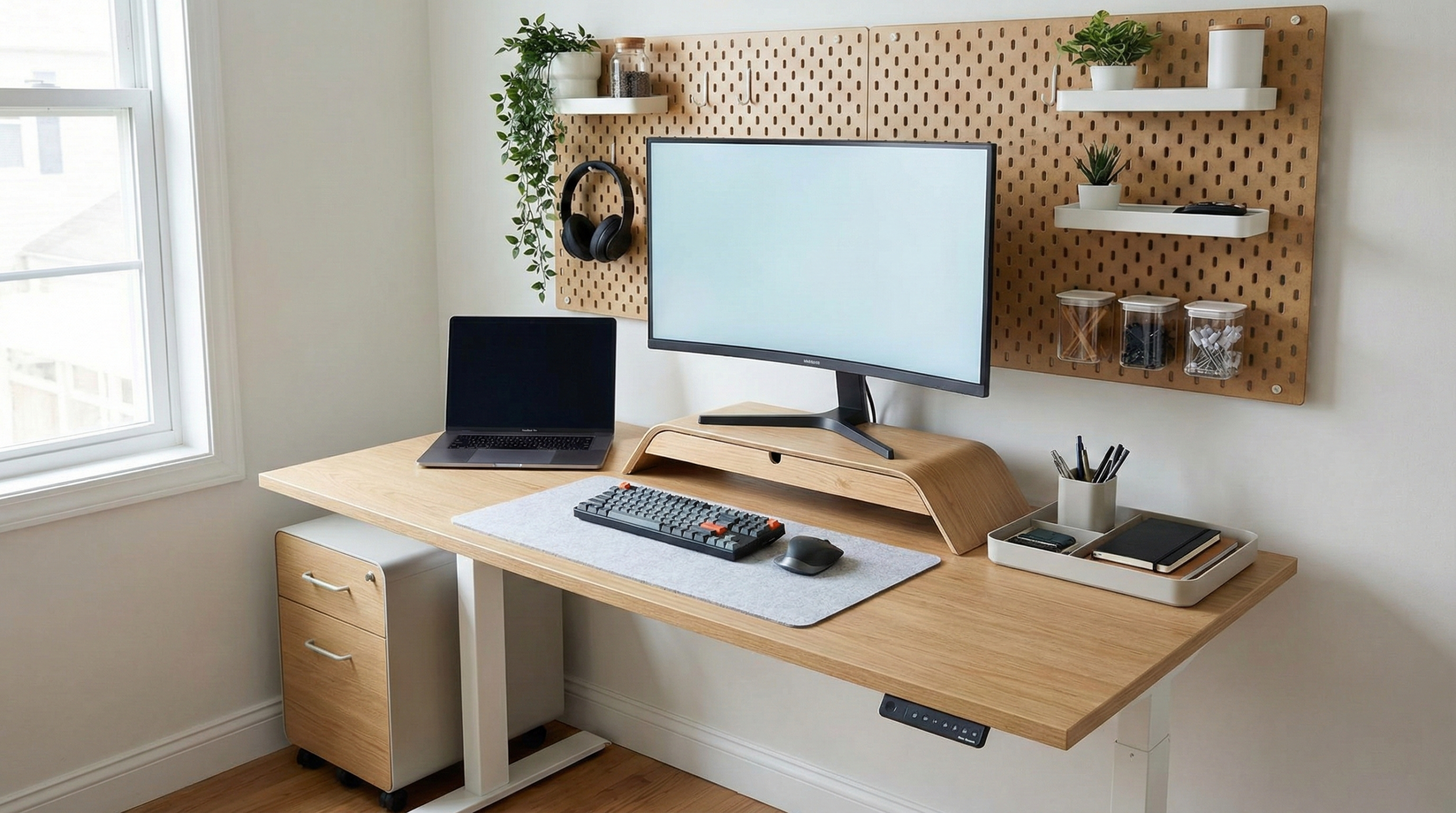
We’ve all been there: a cluttered desk with papers piling up, pens scattered everywhere, and tools or gadgets making it difficult to focus. Whether you’re working from home, at an office, or just need a better space to handle personal projects, organizing your desk can make a world of difference. A clean and organized workspace doesn’t just improve the aesthetics of your environment; it has a powerful impact on your productivity and mental clarity. In this article, we’ll explore 10 simple tips to help you create an organized and efficient workspace that’s easy to maintain and truly helps you get things done.
1. Start by Decluttering and Simplifying
The first step in creating an organized desk is to declutter. Often, we accumulate items over time that no longer serve a purpose or are out of date. A cluttered desk can cause stress, make it harder to focus, and waste valuable time looking for things you need. So, the best approach is to clear everything off the desk, and take a critical look at what you really need.
Begin by removing everything from your desk, such as papers, office supplies, gadgets, and personal items. As you go through each item, ask yourself if it’s something you use frequently or if it’s just taking up space. You can categorize items into things to keep, things to donate, and things to toss. This allows you to see exactly what you have and decide what you actually want to keep in your workspace.
2. Organize by Task or Category
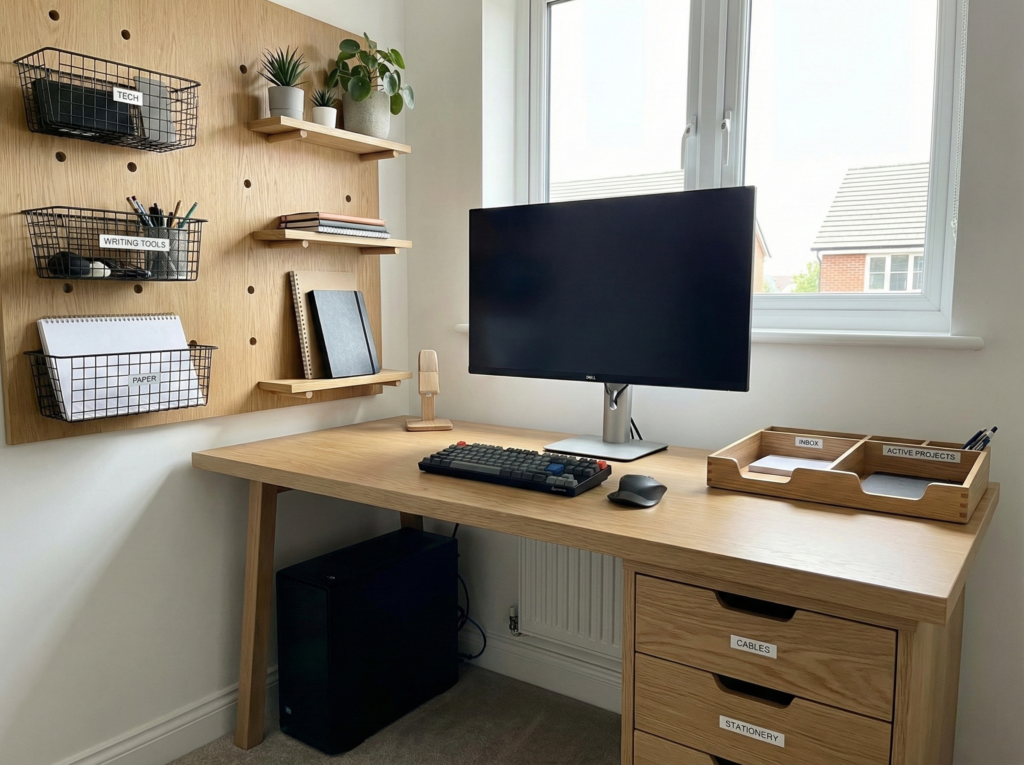
Once the clutter is gone, it’s time to set up your workspace with purposeful organization. The key is to keep everything you use for specific tasks grouped together. Having designated zones will make it easier to access your tools, paperwork, and other supplies without wasting time.
For example, if you work with papers frequently, consider dedicating one area of your desk specifically for filing documents and storing essential files. Another area might be for your computer and related accessories, while pens, notepads, and sticky notes should be grouped together in their own space. When you organize by category, you can immediately access whatever you need based on the task at hand.
3. Invest in Quality Desk Organizers
Desk organizers are a must-have when it comes to maintaining an efficient workspace. However, simply having organizers is important to select the right ones that work best for your specific needs. The right organizer will help you contain smaller items like pens, paperclips, and sticky notes, and keep them from cluttering your desk.
Consider using drawer organizers for your smaller office supplies or an organizer tray on top of your desk for things like pens, scissors, and paper clips. If you tend to keep a lot of notes or documents on your desk, use a file organizer to separate them into categories like active projects, to-do lists, and reference materials.
4. Maximize Vertical Storage
When desk space is limited, don’t forget about vertical space. It’s one of the most effective ways to maximize your workspace. Wall-mounted shelves or vertical racks can hold books, files, or decorative items, freeing up your desk for the essentials.
For example, floating shelves above your desk can hold extra supplies, storage boxes, or reference materials. You can also install a pegboard or wall-mounted hooks to store accessories like headphones, bags, or tools, which can easily become clutter on your desk.
By utilizing vertical space, you can keep your desk free of unnecessary items while still storing everything you need within easy reach.
5. Keep Cables and Electronics Organized
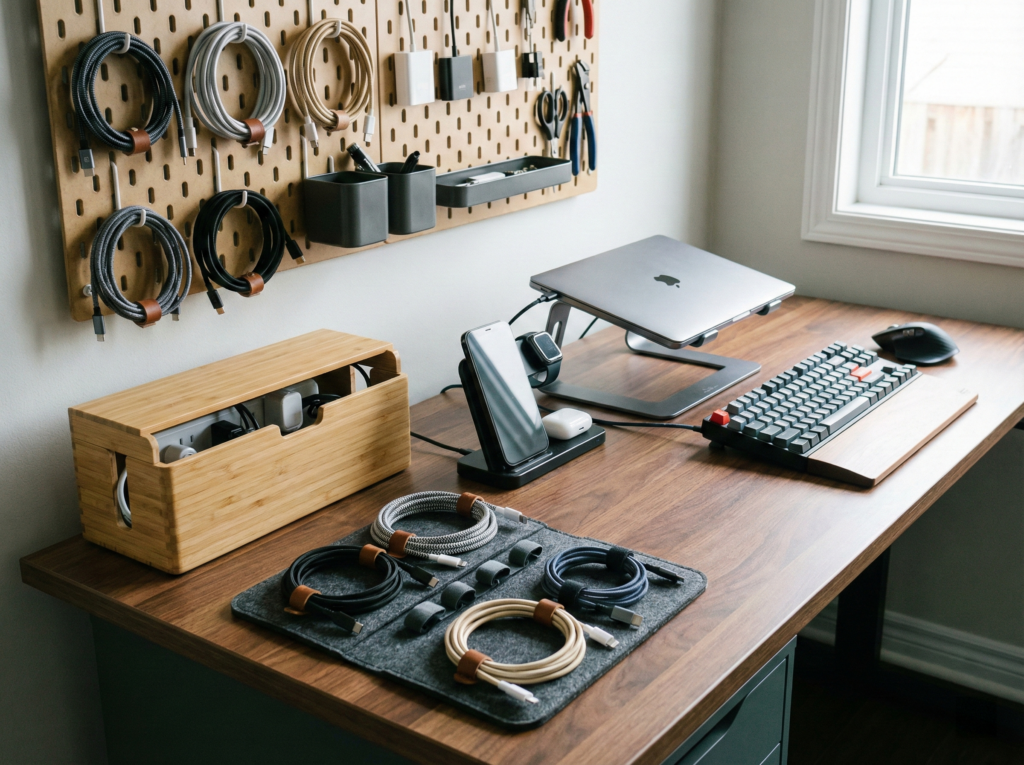
Cables, chargers, and electronics tend to create chaos on any desk. A tangled mess of wires can make it difficult to focus and adds to the overall visual clutter. To solve this, invest in cable management solutions to keep wires neatly bundled and out of sight.
Consider using cord clips or cable sleeves to keep your cables organized and prevent them from tangling. If you have a lot of electronics, try a cord management box to hide the power strips and organize the wires. For items you use less often, such as external hard drives or chargers, consider using drawer organizers or small baskets to store them neatly.
6. Create a Comfortable, Ergonomic Setup
An organized desk is about where things go and also about how comfortable your setup is. A comfortable, ergonomic workspace allows you to work efficiently without physical strain or discomfort. Good posture is essential for productivity, and a poor setup can quickly lead to back, neck, or wrist pain.
To create an ergonomic workspace, adjust your chair so that your feet are flat on the floor and your knees are at a 90-degree angle. Your monitor should be at eye level, so you aren’t straining your neck. Keep your keyboard and mouse at a comfortable level to prevent wrist strain. Adding a footrest can also help promote better posture.
7. Use Smart Storage Solutions for Small Items
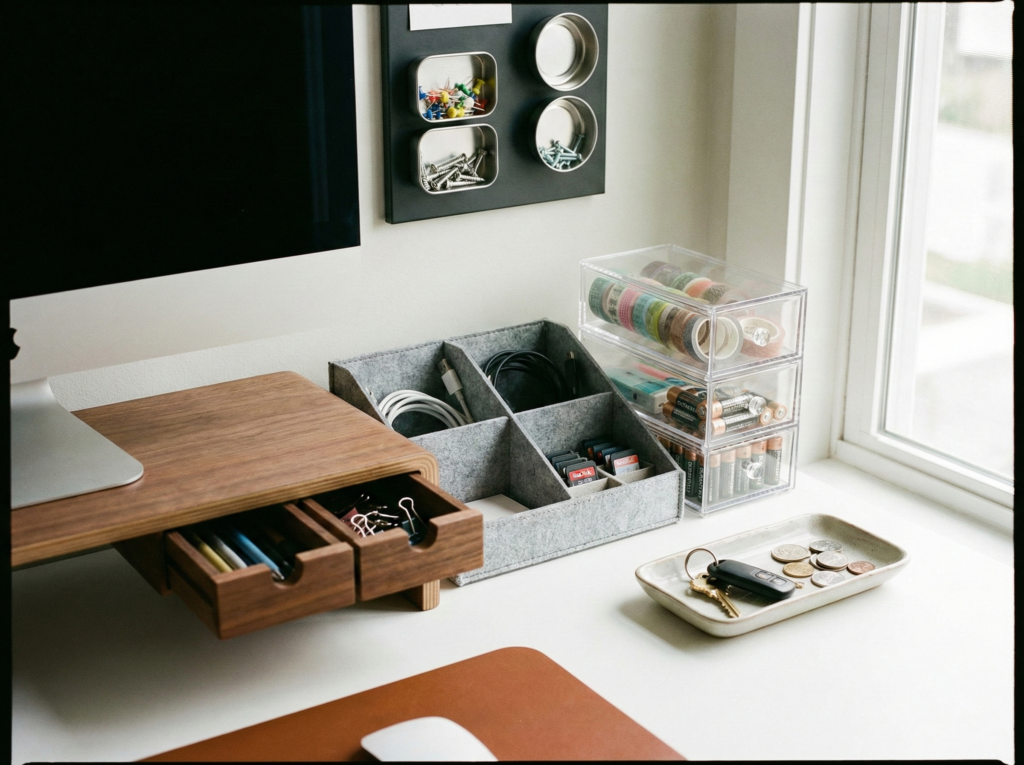
For those smaller items that tend to pile up, such as receipts, pens, and post-its, use small storage solutions to keep them organized and out of the way. Drawer dividers can help you separate office supplies in your desk drawers, while small trays or baskets can hold frequently used items and keep them easily accessible. For items like USB drives, pens, or highlighters, use small storage containers or organizer trays that fit neatly into your drawer or sit on top of your desk. Keep these items in a dedicated area to avoid scattering them around your workspace.
8. Eliminate Paper Clutter with Digital Solutions
Paper clutter can quickly take over any desk, especially if you’re juggling multiple projects or need to keep various documents on hand. One way to reduce this is by moving towards digital solutions for document storage.
Scan important documents and save them on your computer or in cloud storage. Use apps for note-taking or project management to keep everything organized digitally. By transitioning from paper to digital, you not only reduce desk clutter but also make it easier to access your materials from anywhere.
9. Keep Personal Items to a Minimum
Personal items, like family photos or souvenirs, can add warmth to your workspace, but they can also contribute to clutter if there’s too much. The key is to strike a balance between a comfortable and organized workspace. Choose a few personal items that inspire you or make you feel relaxed, and keep them in a designated spot, like a small shelf or side table. If your desk is too full of personal items, it can distract from your work and create unnecessary clutter. Limit yourself to a few meaningful items to avoid the feeling of a crowded, disorganized space.
10. Maintain Regular Desk Cleaning and Upkeep

Lastly, regular cleaning and upkeep are essential for maintaining an organized desk. Even with the best organization system, your desk will inevitably accumulate dust, crumbs, and clutter over time. Make cleaning your desk a part of your routine to keep it functional and efficient.
At the end of each day, spend a few minutes wiping down surfaces, putting items back in their place, and organizing any stray papers. This will ensure that your desk is ready for the next day, and that it remains a productive and pleasant place to work.
Conclusion: A Well-Organized Desk for Maximum Productivity
An organized desk is not only about aesthetics but also about creating a workspace that supports your efficiency, focus, and productivity. By following these 10 desk organization tips, you can create a workspace that is clean, organized, functional, comfortable, and motivating.