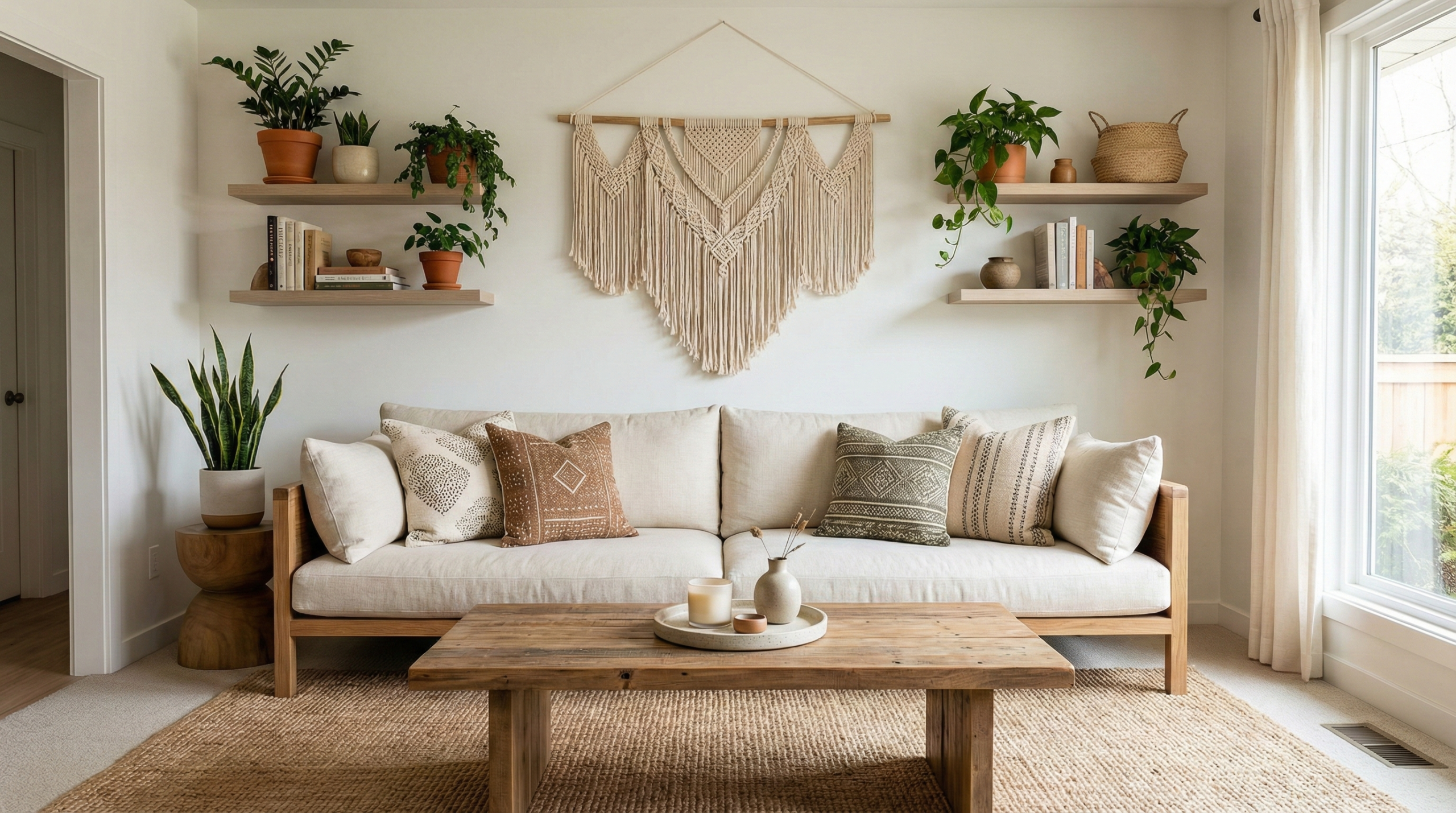
The thought of decluttering your home can feel like another overwhelming task on an already packed to-do list. Between school runs, family meals, and managing work or other commitments, finding the time to declutter often falls to the bottom of the list. However, small, manageable projects over the weekend can help you refresh your space and reduce stress without overwhelming yourself. These 10 simple decluttering projects will help you organize key areas of your home, allowing you to reclaim your space and create a calming environment for your family.
1. Declutter Your Closet: Start with Your Wardrobe

Your closet is often the first place where clutter accumulates, with clothes that no longer fit, are outdated, or simply aren’t worn anymore. To begin, pick a category in your closet, such as shoes, shirts, or kids’ clothing, and assess each item. Ask yourself when you last wore it, whether it still fits, and if it still makes you feel good. If the answer is no, it’s time to part with it.
Rather than overloading yourself with decisions, you can set aside a designated bin for donations or recycling. For seasonal clothes or items that are out of use, consider storing them in bins to free up space. By dedicating 20-30 minutes to one section of your closet, you can make significant progress without feeling overwhelmed.
2. Sort Through Kids’ Toys
Toys can quickly take over your home, and kids often accumulate more than they actually use. Start by setting a timer for 15-20 minutes, then go through each toy bin, pulling out items that are broken, unused, or have outlived their usefulness. Involve your children in the process, allowing them to pick their favorite toys and helping them let go of the ones they no longer play with. Once you’ve sorted everything, place the toys that are in good condition into donation bins, and throw away any broken or worn-out items.
To make the process smoother, consider organizing toys into categories like dolls, cars, or educational items. Use clear bins or baskets to store each type of toy, which will make it easier for your kids to find and put them away later.
3. Declutter the Kitchen: Clear Countertops and Cabinets
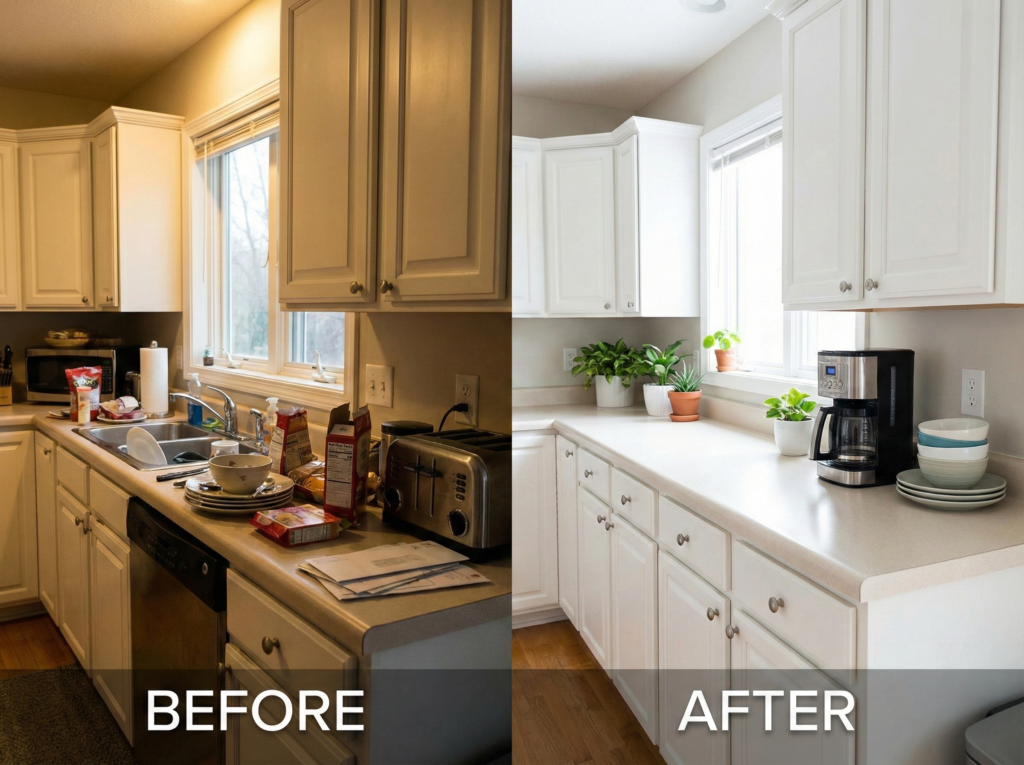
The kitchen is one of the most used areas in any home, and it can easily become cluttered with gadgets, dishes, and pantry items. Start by clearing off your countertops. Remove any unnecessary items, such as unused appliances, or stacks of mail. Once the countertops are cleared, move on to your cabinets and pantry. Check for expired food, duplicate items, or items that you haven’t used in months. Donate or discard anything that doesn’t serve a purpose.
When organizing your kitchen, focus on creating a space that’s functional and accessible. Consider using dividers or organizers to keep utensils, spices, and smaller items neatly arranged. For things you use regularly, keep them easily accessible, but store less frequently used items in harder-to-reach areas.
4. Organize Your Entryway
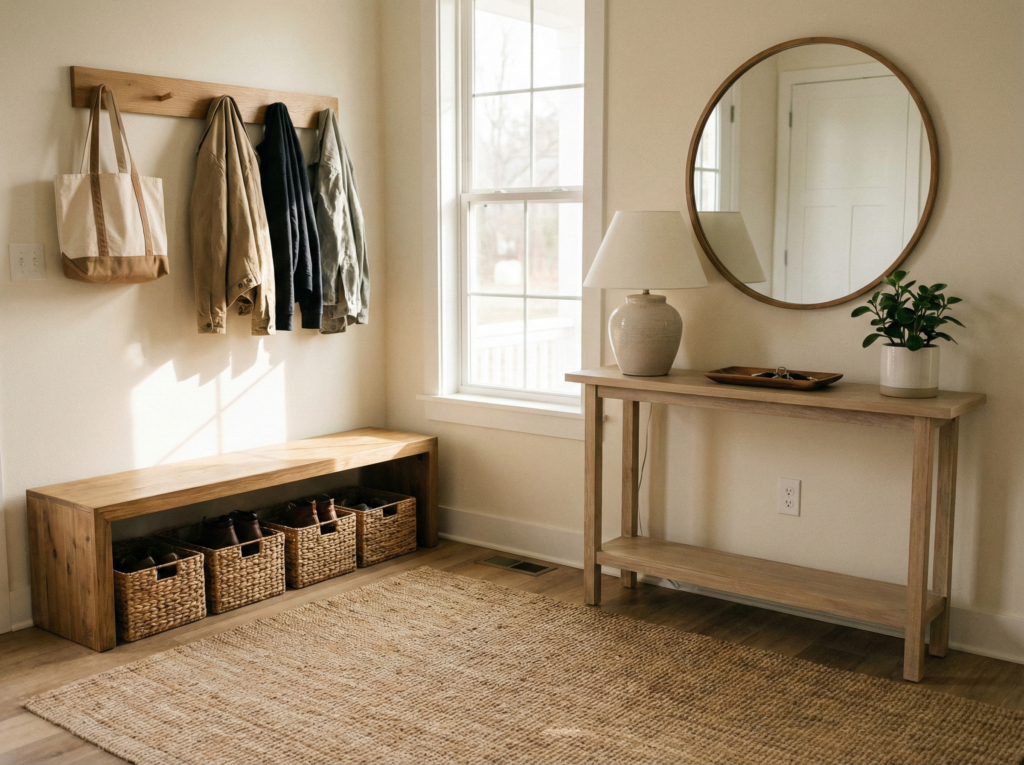
The entryway often becomes a dumping ground for shoes, bags, coats, and mail. A cluttered entryway not only makes your home feel chaotic but also creates unnecessary stress each time you walk through the door.
Start by clearing the area of anything that doesn’t belong there. Install hooks for coats and backpacks, and set up a small basket or tray for keys and mail. If you have a small entryway, use vertical storage solutions like wall-mounted shelves or hooks to save floor space.
After clearing the space, it’s important to establish a routine of returning items to their designated places to maintain an organized entryway. This simple organization will make your home feel more welcoming and help reduce clutter in the future.
5. Tidy Up Your Living Room
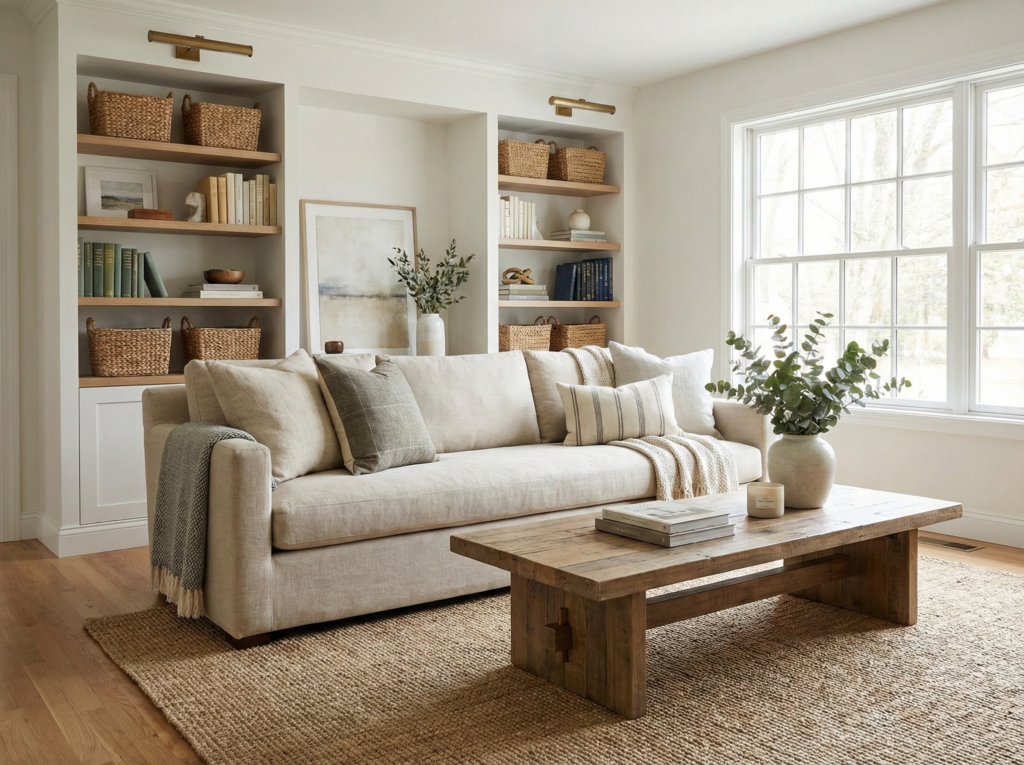
The living room is often the heart of the home, and it’s where families spend a lot of time. However, it’s also an area where clutter can quickly accumulate. Start by clearing any items that don’t belong, like laundry, dishes, or papers. Once the surface clutter is gone, focus on organizing bookshelves, coffee tables, and entertainment centers. Remove any items that aren’t used or enjoyed, and arrange the remaining items neatly.
Consider organizing your media area by sorting through DVDs, games, or remotes. Use storage baskets or decorative boxes to keep the area tidy, especially if you have kids who often leave their toys or items scattered in the living room.
6. Declutter Your Digital Space
Digital clutter can be just as overwhelming as physical clutter, especially when you have an overflowing email inbox, messy files on your computer, or apps that are no longer used.
Take 20-30 minutes to clear out some of the digital clutter. Start with your email inbox, such as delete or archive old emails and unsubscribe from any unnecessary newsletters. Organize your digital files by creating folders for different categories, and delete anything you no longer need.
On your phone, remove apps you don’t use, and organize the remaining ones into folders. These small digital decluttering tasks can help reduce stress and make it easier to find what you need.
7. Declutter Your Bathroom
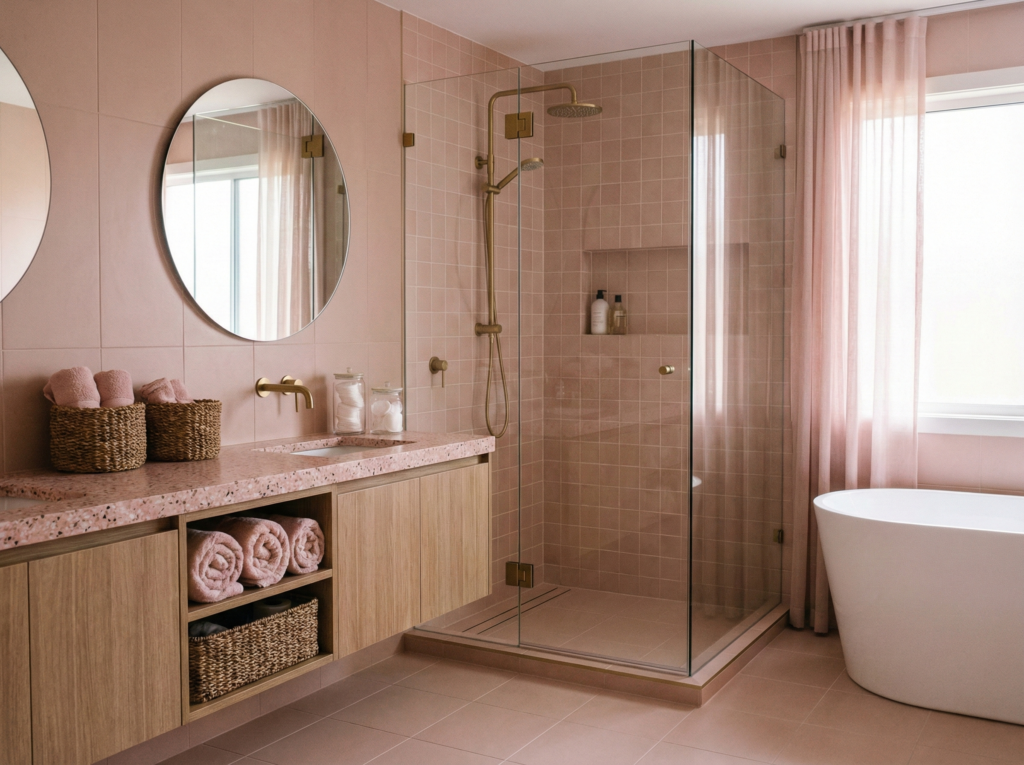
Bathrooms can accumulate clutter quickly, with old toiletries, empty bottles, and products you no longer use. Start by sorting through your bathroom products. Throw away expired products, empty bottles, or anything that has been sitting around unused for months. Organize the remaining items by using bins or trays for makeup, lotions, and cleaning supplies.
For your towels and linens, go through them and discard any that are worn or stained. Fold and neatly store the ones you use, and consider rotating them to keep everything fresh.
8. Sort Through Paperwork
Paper clutter is a common problem in many homes, especially with bills, kids’ artwork, or other important documents piling up. Set aside time to go through your paperwork and organize it into categories like bills, kids’ school papers, and important documents. Create a filing system for documents that you need to keep and recycle or shred anything that’s outdated or unnecessary.
9. Declutter Your Car
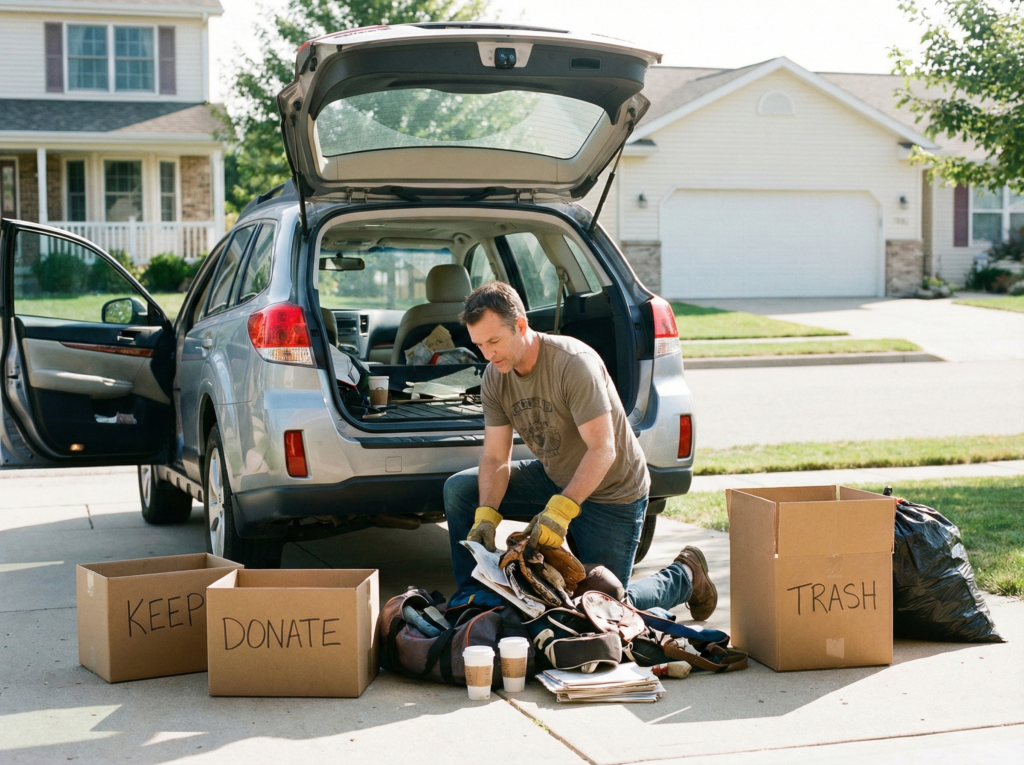
Your car is another area that can accumulate clutter, whether it’s old receipts, fast food bags, or random items. Start by clearing out any trash or items that don’t belong in the car. Then, organize the glove compartment and trunk. Keep only essential items in the car, such as a spare tire, emergency kit, and necessary paperwork.
Regularly clean and organize your car to prevent clutter from building up again. Consider keeping a small trash bag or container in the car to make it easier to keep things tidy.
10. Organize Your Bedroom: Refresh Your Space
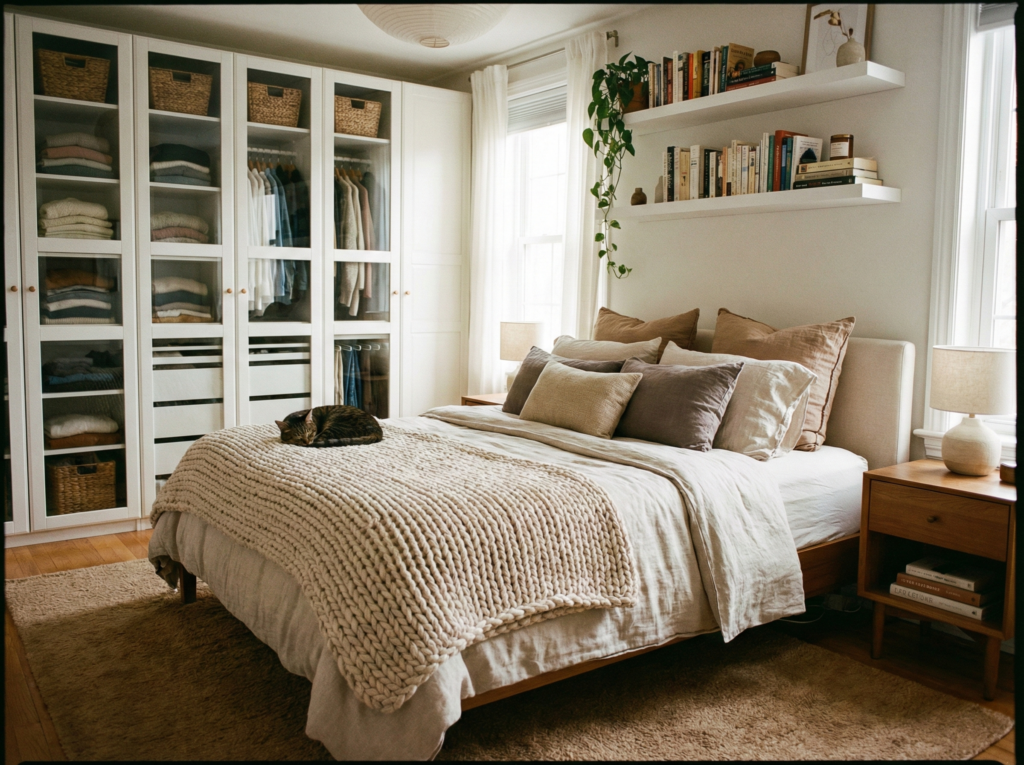
The bedroom is meant to be a sanctuary, but it can quickly become a place where clutter accumulates. Start by making your bed and clearing off any unnecessary items from nightstands or dressers. Next, go through your closet and remove any clothes you don’t wear. Organize your drawers and shelves to create a more functional space.
For a calming touch, add a few decorative items or candles to make the room feel inviting. By decluttering your bedroom, you can create a peaceful retreat that helps you relax at the end of a busy day.
Conclusion
Decluttering your home doesn’t have to be a time-consuming, stressful process. With these 10 weekend projects, you can refresh your space quickly and easily, leaving your home feeling more organized and calm. Start small, focus on one area at a time, and remember that consistency is key. You’ll not only feel more in control of your home, but also reduce the stress that comes with clutter. Enjoy the process, and celebrate the small wins as you work toward creating a more organized, peaceful space for you and your family.
Related Articles