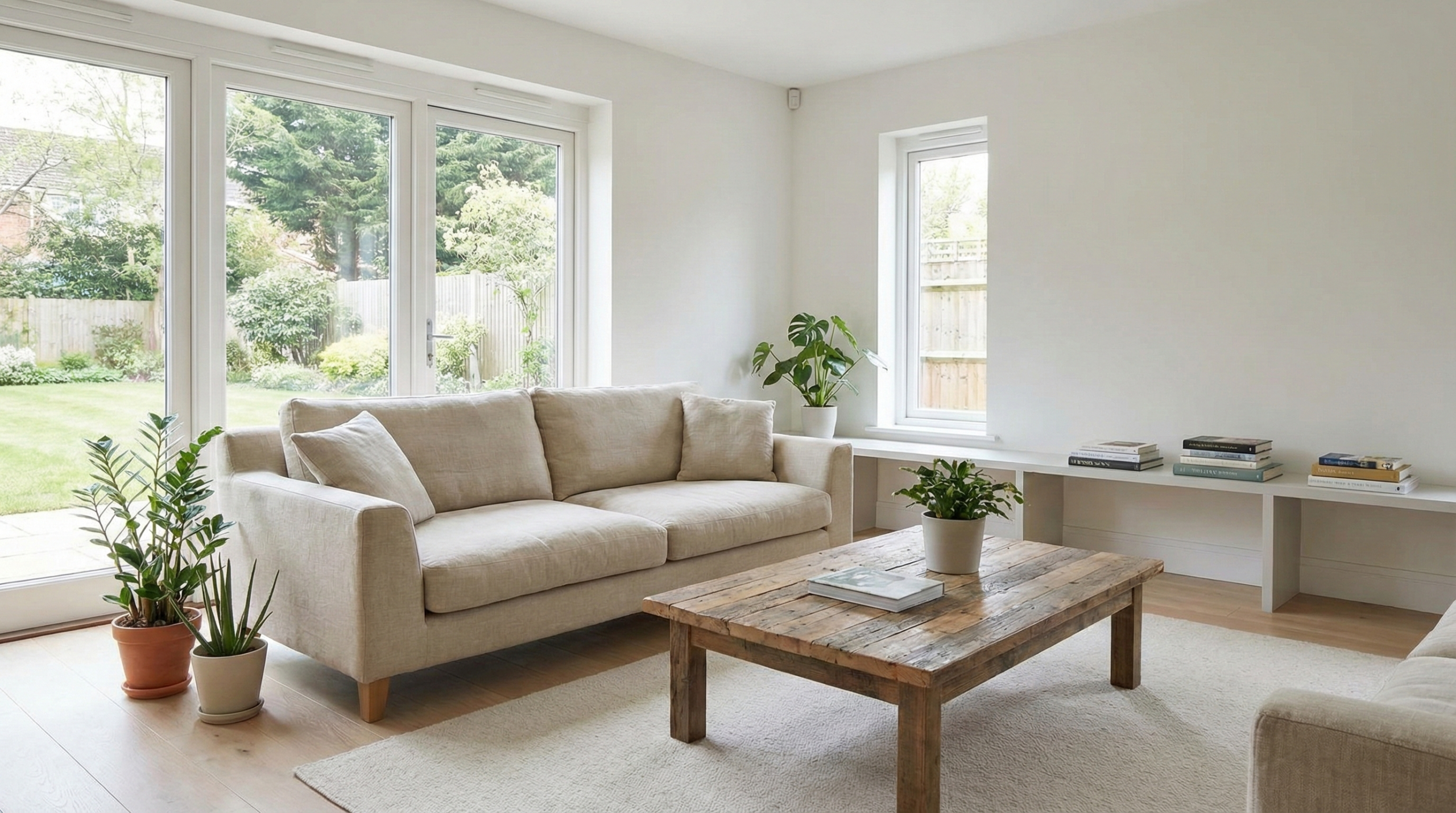
Maintaining a clutter-free home can seem like an ongoing struggle, especially with the demands of daily life. Whether it’s accumulating items over time or simply managing the chaos of busy schedules, clutter often creeps back into our spaces when we least expect it. However, creating simple, sustainable habits can help you keep your home organized long-term, making your living space feel calm and manageable without adding stress.
This article will walk you through easy-to-follow tips that not only help you declutter but also set up systems that keep your home tidy in the long run. From managing emotional clutter to embracing digital decluttering, these strategies will help you achieve a clutter-free lifestyle that’s achievable and sustainable.
1. Set Clear and Achievable Goals
Before you dive into the decluttering process, it’s essential to understand why you want to declutter in the first place. Having a clear goal helps you stay focused and motivated. Do you want to create more space, reduce stress, or make your home more functional? Defining your goals will help guide your decluttering process and keep you on track.
Rather than overwhelming yourself with the idea of decluttering your entire home, break it down into smaller, more manageable tasks. You can start with one room, or even just one area of a room, to avoid feeling overwhelmed. For example, you might begin with the kitchen counter or your entryway. This allows you to make gradual progress without burning out.
Tip: Reflect on your goals regularly and adjust as needed. This helps you stay connected to the “why” behind your efforts.
2. Create a Daily Decluttering Routine
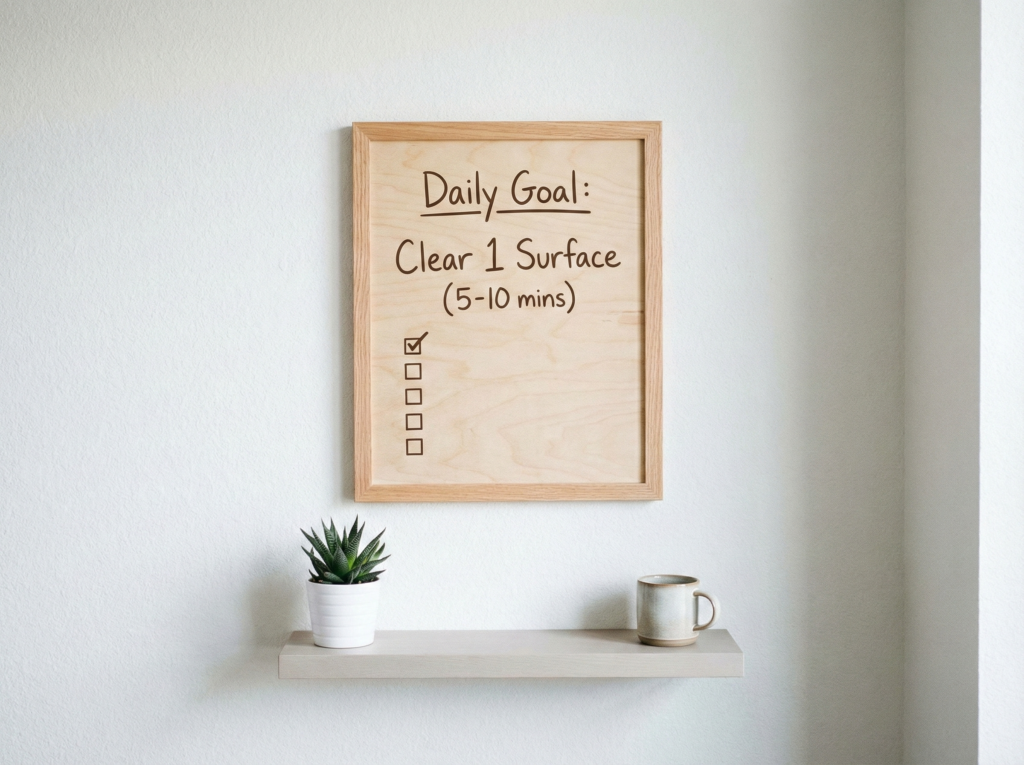
The most effective way to keep your home tidy long-term is to make decluttering a daily habit. Instead of waiting for the mess to build up, incorporate small decluttering tasks into your everyday routine. These habits don’t need to take a lot of time, but doing them daily will prevent clutter from accumulating and keep your home organized.
For example, spend just five minutes each day tidying up a small area, such as the kitchen counter or your bedside table. Make your bed every morning, which is a small task that sets a productive tone for the day. Clean up after meals by immediately putting dishes away or wiping down counters. These small actions add up, and they help maintain a tidy environment without taking up much of your day.
You can also designate 10 minutes each evening to straighten up the common areas of your home. This daily routine will ensure that your home stays organized, making it easier to relax in your space without feeling burdened by clutter.
3. Assign a Home for Everything
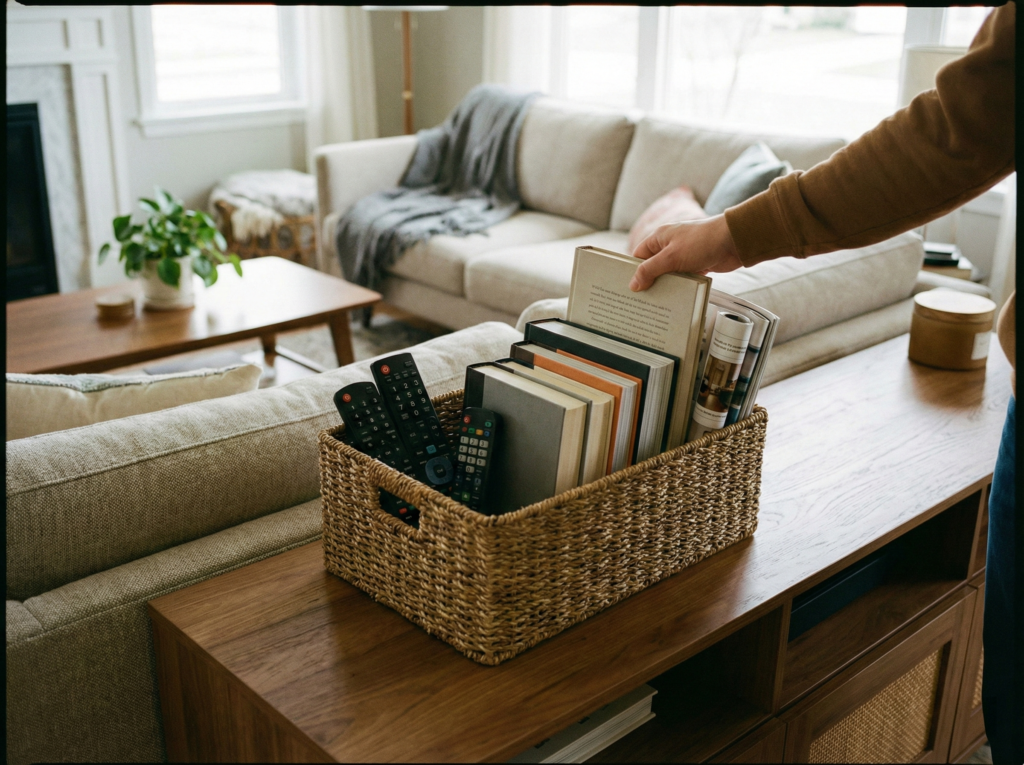
One of the biggest reasons clutter builds up is because things don’t have a designated place. When items don’t have a specific spot, they get left out on counters, tables, or the floor. The key to preventing clutter from accumulating is to make sure everything in your home has a “home.”
Start by going through each room and organizing items into categories. For example, in your living room, store remote controls, books, and magazines in a designated basket or storage unit. In your kitchen, assign spaces for utensils, cookware, and pantry items. The more you can organize your belongings and store them in a logical, easy-to-access way, the less likely clutter is to accumulate.
Having a place for everything will make tidying up faster and easier, as you won’t have to spend time searching for a spot for each item. It’s all about creating systems that work for your home and lifestyle.
4. Embrace the One-In, One-Out Rule
Another effective strategy for keeping clutter at bay is the “one-in, one-out” rule. This rule is simple: for every new item you bring into your home, you must remove something else. Whether it’s a new piece of clothing, a kitchen gadget, or a decorative item, applying this rule ensures that your possessions stay manageable and in line with your needs.
By regularly reassessing what you own and being mindful about what new items you introduce to your home, you can prevent things from piling up. This rule also helps you avoid impulse buying and unnecessary acquisitions. If you find yourself buying something new, ask yourself if you truly need it or if it’ll just contribute to more clutter.
5. Do Regular Check-ins to Prevent Clutter Build-up
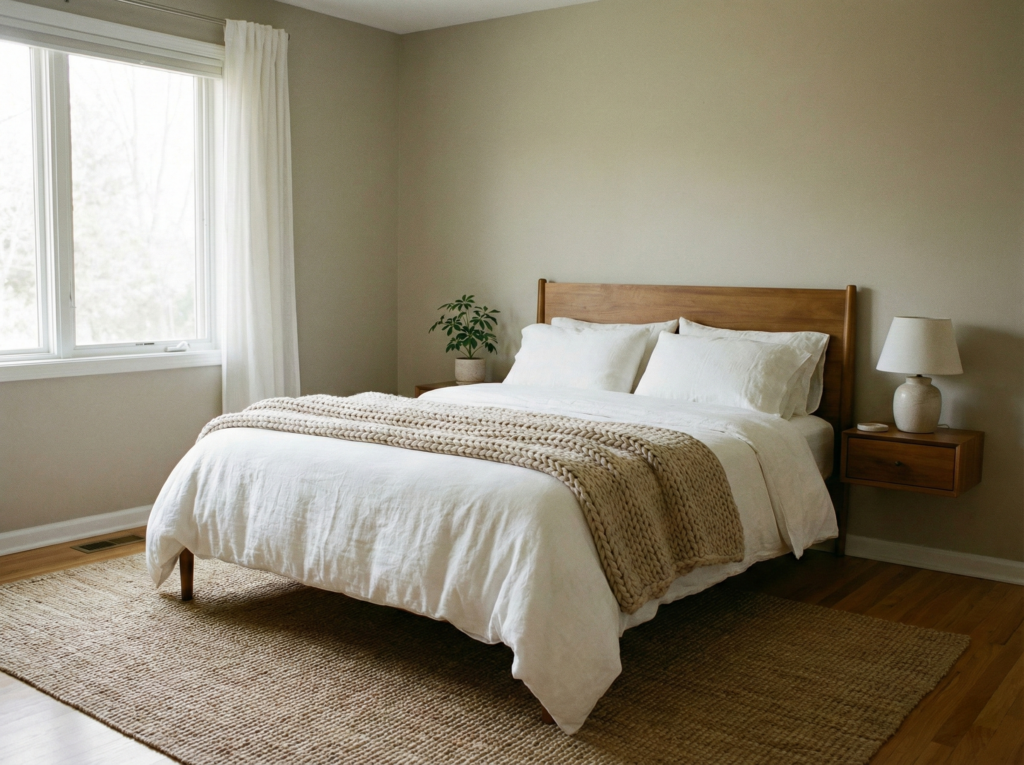
Even with daily habits in place, it’s important to set aside time for regular check-ins to ensure that clutter hasn’t crept back in. Schedule a quick decluttering session once a week to review problem areas in your home. These check-ins can be as simple as scanning your entryway for shoes, checking the bathroom for products that need to be thrown away, or organizing your work area.
This routine doesn’t need to take long, but it’ll help you catch any clutter before it gets out of hand. A good strategy is to set aside 10–15 minutes once a week to focus on key areas. You might choose a specific task each week, like organizing your pantry, tidying up your closet, or dealing with papers that have accumulated on the kitchen counter. By doing this, you ensure that clutter doesn’t pile up and take over your space.
6. Declutter Your Digital Space
In today’s digital age, digital clutter can be just as overwhelming as physical clutter. Files, emails, photos, and apps can accumulate, causing unnecessary stress and making it harder to stay organized. Set aside some time each week to declutter your digital life.
Start by organizing your email inbox: delete or archive old emails, unsubscribe from unnecessary newsletters, and set up folders for important documents. For photos, go through your phone or computer and delete duplicates or old images you no longer need. Organize files on your computer into clearly labeled folders so you can find them easily when needed.
Digital decluttering helps clear mental clutter and makes your devices more functional. It’s an essential part of maintaining a clutter-free lifestyle in today’s world.
7. Larger Decluttering Projects: How to Handle Big Spaces
While small daily habits are important, larger areas of your home, such as garages, attics, or basements, can accumulate clutter over time. These spaces often require more time and energy to declutter, but with the right approach, they can be managed effectively.
How to Do It
- Start by breaking down large projects into smaller sections. For example, tackle one shelf or one corner of your garage at a time.
- Set a timer for 30 minutes or an hour to work on each area. This helps prevent burnout and makes the task more manageable.
- Plan for larger items, such as furniture or old appliances. Either donate or sell items you no longer need, and get rid of things that are broken or unused.
By focusing on one small part of a larger project at a time, you can gradually clear out big spaces without feeling overwhelmed.
8. Support Systems: Involve Family or Friends in the Process

Decluttering doesn’t have to be a solo effort. Enlisting the help of family or friends can make the process easier and more enjoyable. This not only lightens your load but also keeps you accountable.
How to Do It
- Plan a weekend or evening where you and a family member or friend tackle a room together. You can encourage each other, share tips, and celebrate small wins.
- If you have adult children, invite them to help you go through their old items. This can make the process more meaningful and collaborative.
9. Celebrate Your Wins and Stay Motivated
How to Do It
- Keep a checklist of the tasks you’ve completed or take before-and-after photos to see the difference.
- Reward yourself after each decluttering session with something small, like a relaxing break, a favorite treat, or a moment of rest in your newly organized space.
Maintaining a clutter-free home is a long-term process, and it’s important to celebrate your small victories along the way. Tracking your progress can keep you motivated and provide a sense of accomplishment.
Conclusion
Keeping your home clutter-free long-term is all about building habits that make it easy to stay organized. By setting clear goals, creating a daily decluttering routine, and managing both physical and emotional clutter, you’ll find that maintaining a tidy home becomes second nature. Embrace the small, consistent steps that lead to big results, and remember that decluttering is not only about keeping your home organized but also creating a space that reflects your values and brings you peace.
Related Article
- 10 Essential Benefits of an Organized Home: Why Home Organization Matters for a More Efficient, Stress-Free Lifestyle
- 12 Daily Habits and Key Characteristics of Highly Organized People for a More Efficient, Clutter-Free Lifestyle
- 12 Habit Tracking Strategies for a Cleaner Home to Build Consistent Routines and Reduce Daily Clutter